 Click to view 3D structure | Peroxisome proliferator-activated receptor gamma | P37231 | Humans | Predicted (SEA) | - Prediction Confidence Score
- 0.301
- Applicability Domain
- 0.319
- Statistical Significance
- 0.0178
- Supporting Reference Compounds
- 192
- E-value
- 138.338
|
 Click to view 3D structure | Peroxisome proliferator-activated receptor alpha | Q07869 | Humans | Predicted (SEA) | - Prediction Confidence Score
- 0.295
- Applicability Domain
- 0.308
- Statistical Significance
- 0.0164
- Supporting Reference Compounds
- 127
- E-value
- 127.906
|
 Click to view 3D structure | Peroxisome proliferator-activated receptor delta | Q03181 | Humans | Predicted (SEA) | - Prediction Confidence Score
- 0.29
- Applicability Domain
- 0.308
- Statistical Significance
- 0.0125
- Supporting Reference Compounds
- 89
- E-value
- 97.3894
|
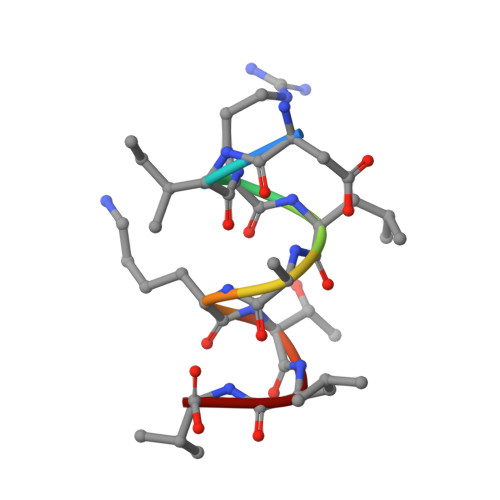 Click to view 3D structure | Cannabinoid receptor 1 | P21554 | Humans | Predicted (SEA) | - Prediction Confidence Score
- 0.282
- Applicability Domain
- 0.333
- Statistical Significance
- 0.0301
- Supporting Reference Compounds
- 200
- E-value
- 234.482
|
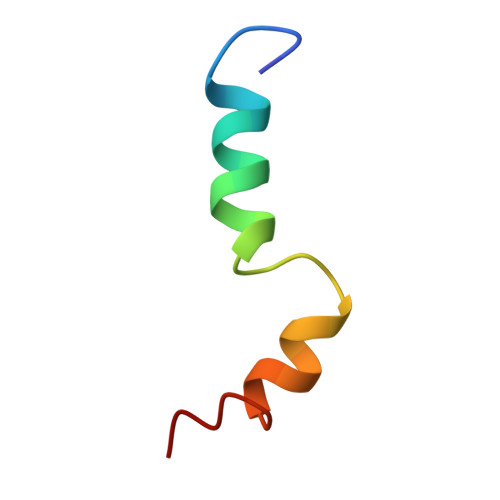 Click to view 3D structure | Cannabinoid receptor 2 | P34972 | Humans | Predicted (SEA) | - Prediction Confidence Score
- 0.282
- Applicability Domain
- 0.333
- Statistical Significance
- 0.024
- Supporting Reference Compounds
- 175
- E-value
- 186.838
|
 Click to view 3D structure | Esterase | A3QR02 | Chilo suppressalis | Predicted (SEA) | - Prediction Confidence Score
- 0.279
- Applicability Domain
- 0.279 Low confidence
- Statistical Significance
- 6.20e-04
- Supporting Reference Compounds
- 1
- E-value
- 4.82665
|
| Click to view 3D structure | Cannabinoid receptor 1 | P47746 | Mus musculus | Predicted (SEA) | - Prediction Confidence Score
- 0.278
- Applicability Domain
- 0.326
- Statistical Significance
- 0.0043
- Supporting Reference Compounds
- 42
- E-value
- 33.3973
|
 Click to view 3D structure | Transient receptor potential cation channel subfamily V member 2 | Q9WUD2 | Rattus norvegicus | Predicted (SEA) | - Prediction Confidence Score
- 0.277
- Applicability Domain
- 0.308
- Statistical Significance
- 0.0033
- Supporting Reference Compounds
- 21
- E-value
- 25.3788
|
| Click to view 3D structure | Lysophosphatidic acid receptor 3 | Q9UBY5 | Humans | Predicted (SEA) | - Prediction Confidence Score
- 0.273
- Applicability Domain
- 0.341
- Statistical Significance
- 0.0024
- Supporting Reference Compounds
- 21
- E-value
- 18.8395
|
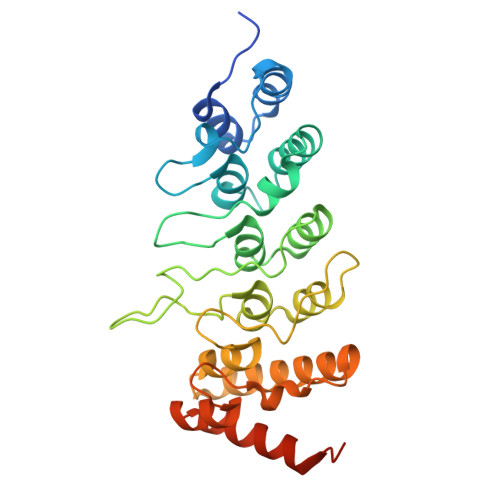 Click to view 3D structure | Transient receptor potential cation channel subfamily V member 1 | Q8NER1 | Humans | Predicted (SEA) | - Prediction Confidence Score
- 0.27
- Applicability Domain
- 0.333
- Statistical Significance
- 0.0233
- Supporting Reference Compounds
- 104
- E-value
- 181.155
|
| Click to view 3D structure | Cannabinoid receptor 1 | P20272 | Rattus norvegicus | Predicted (SEA) | - Prediction Confidence Score
- 0.268
- Applicability Domain
- 0.308
- Statistical Significance
- 0.0126
- Supporting Reference Compounds
- 83
- E-value
- 98.0122
|
| Click to view 3D structure | Lysophosphatidic acid receptor 4 | Q8BLG2 | Mus musculus | Predicted (SEA) | - Prediction Confidence Score
- 0.264
- Applicability Domain
- 0.264 Low confidence
- Statistical Significance
- 0.0013
- Supporting Reference Compounds
- 1
- E-value
- 10.4318
|
| Click to view 3D structure | Cannabinoid receptor 2 | P47936 | Mus musculus | Predicted (SEA) | - Prediction Confidence Score
- 0.261
- Applicability Domain
- 0.326
- Statistical Significance
- 0.0089
- Supporting Reference Compounds
- 39
- E-value
- 69.5194
|
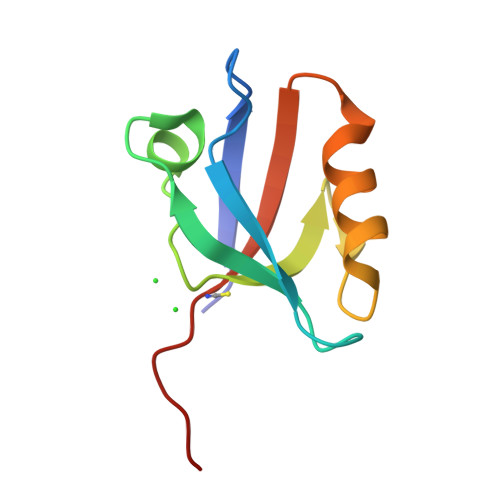 Click to view 3D structure | Lysophosphatidic acid receptor 2 | Q9HBW0 | Humans | Predicted (SEA) | - Prediction Confidence Score
- 0.261
- Applicability Domain
- 0.341
- Statistical Significance
- 0.0022
- Supporting Reference Compounds
- 30
- E-value
- 17.049
|
 Click to view 3D structure | Lysophosphatidic acid receptor 1 | Q92633 | Humans | Predicted (SEA) | - Prediction Confidence Score
- 0.257
- Applicability Domain
- 0.341
- Statistical Significance
- 0.0034
- Supporting Reference Compounds
- 31
- E-value
- 26.7023
|
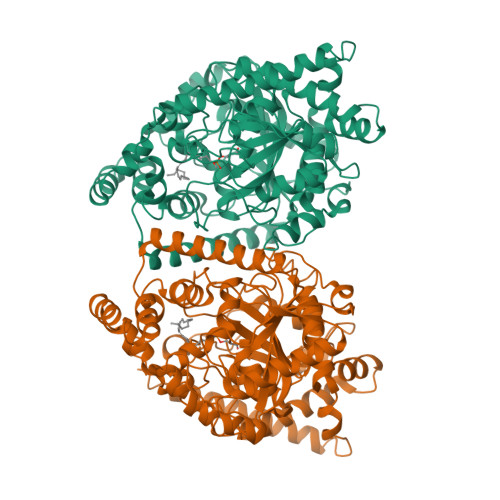 Click to view 3D structure | Fatty-acid amide hydrolase 1 | P97612 | Rattus norvegicus | Predicted (SEA) | - Prediction Confidence Score
- 0.257
- Applicability Domain
- 0.28 Low confidence
- Statistical Significance
- 0.0391
- Supporting Reference Compounds
- 102
- E-value
- 304.546
|
| Click to view 3D structure | Cytochrome P450 2C23 | P24470 | Rattus norvegicus | Predicted (SEA) | - Prediction Confidence Score
- 0.256
- Applicability Domain
- 0.256 Low confidence
- Statistical Significance
- 5.70e-04
- Supporting Reference Compounds
- 1
- E-value
- 4.43741
|
| Click to view 3D structure | Fatty-acid amide hydrolase 1 | O00519 | Humans | Predicted (SEA) | - Prediction Confidence Score
- 0.249
- Applicability Domain
- 0.308
- Statistical Significance
- 0.0756
- Supporting Reference Compounds
- 106
- E-value
- 588.384
|
 Click to view 3D structure | Muscarinic acetylcholine receptor M1 | P11229 | Humans | Predicted (SEA) | - Prediction Confidence Score
- 0.245
- Applicability Domain
- 0.343
- Statistical Significance
- 0.1766
- Supporting Reference Compounds
- 385
- E-value
- 1375.21
|
 Click to view 3D structure | Muscarinic acetylcholine receptor M3 | P20309 | Humans | Predicted (SEA) | - Prediction Confidence Score
- 0.245
- Applicability Domain
- 0.343
- Statistical Significance
- 0.1402
- Supporting Reference Compounds
- 310
- E-value
- 1091.52
|
 Click to view 3D structure | Muscarinic acetylcholine receptor M2 | P08172 | Humans | Predicted (SEA) | - Prediction Confidence Score
- 0.244
- Applicability Domain
- 0.343
- Statistical Significance
- 0.1781
- Supporting Reference Compounds
- 373
- E-value
- 1386.65
|
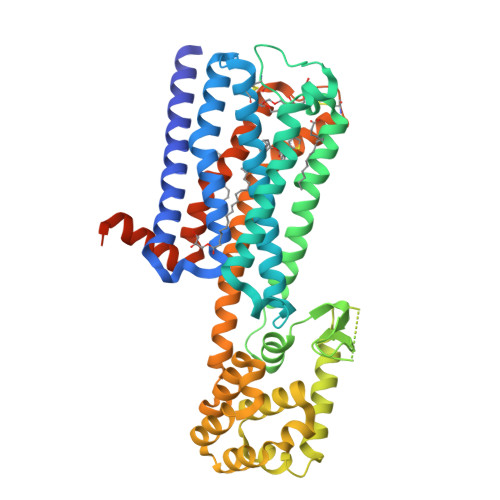 Click to view 3D structure | Muscarinic acetylcholine receptor M5 | P08912 | Humans | Predicted (SEA) | - Prediction Confidence Score
- 0.24
- Applicability Domain
- 0.343
- Statistical Significance
- 0.1462
- Supporting Reference Compounds
- 266
- E-value
- 1138.0
|
 Click to view 3D structure | Mu-type opioid receptor | P42866 | Mus musculus | Predicted (SEA) | - Prediction Confidence Score
- 0.234
- Applicability Domain
- 0.326
- Statistical Significance
- 0.0669
- Supporting Reference Compounds
- 107
- E-value
- 520.811
|
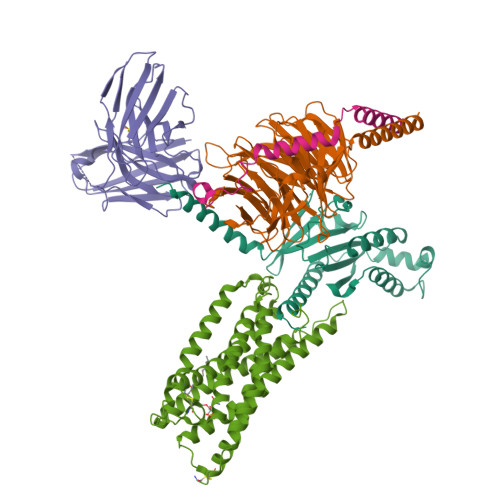 Click to view 3D structure | Putative P2Y purinoceptor 10 | O00398 | Humans | Predicted (SEA) | - Prediction Confidence Score
- 0.234
- Applicability Domain
- 0.271 Low confidence
- Statistical Significance
- 0.0026
- Supporting Reference Compounds
- 10
- E-value
- 20.3965
|
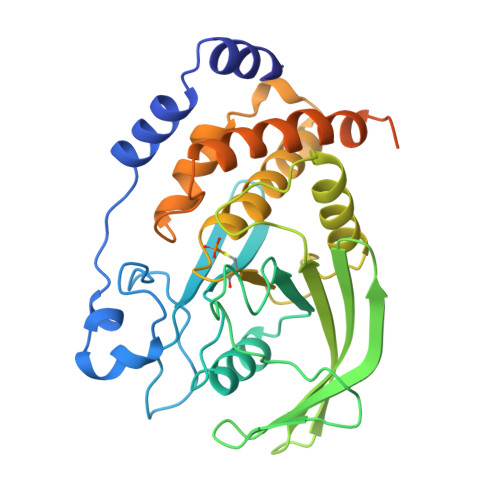 Click to view 3D structure | Tyrosine-protein phosphatase non-receptor type 1 | P18031 | Humans | Predicted (SEA) | - Prediction Confidence Score
- 0.234
- Applicability Domain
- 0.308
- Statistical Significance
- 0.0997
- Supporting Reference Compounds
- 197
- E-value
- 776.157
|

