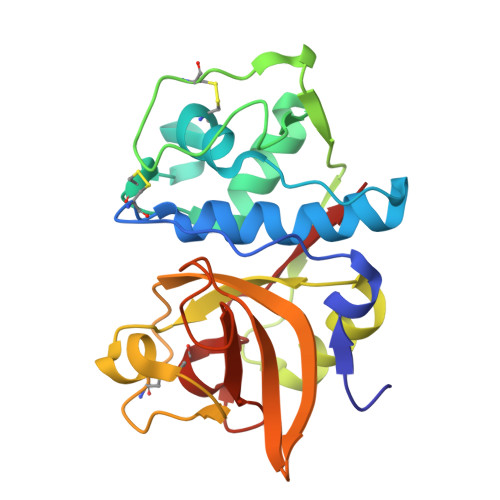
 Click to view 3D structure | Cathepsin S | P25774 | Humans | Predicted (SEA) | - Prediction Confidence Score
- 0.2
- Applicability Domain
- 0.222 Low confidence
- Statistical Significance
- 0.3804
- Supporting Reference Compounds
- 141
- E-value
- 2961.7
|
 Click to view 3D structure | Cathepsin K | P43235 | Humans | Predicted (SEA) | - Prediction Confidence Score
- 0.2
- Applicability Domain
- 0.222 Low confidence
- Statistical Significance
- 0.337
- Supporting Reference Compounds
- 129
- E-value
- 2623.67
|
 Click to view 3D structure | Histone deacetylase-like amidohydrolase | Q70I53 | Alcaligenes sp. (strain DSM 11172) | Predicted (SEA) | - Prediction Confidence Score
- 0.196
- Applicability Domain
- 0.216 Low confidence
- Statistical Significance
- 0.0302
- Supporting Reference Compounds
- 11
- E-value
- 234.793
|
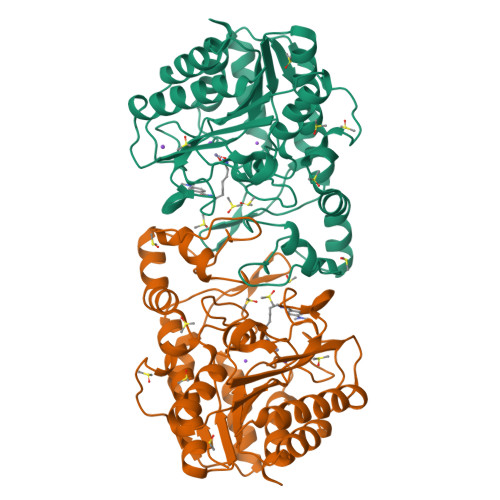 Click to view 3D structure | Acetylpolyamine amidohydrolase | Q48935 | Mycoplana ramosa | Predicted (SEA) | - Prediction Confidence Score
- 0.238
- Applicability Domain
- 0.238 Low confidence
- Statistical Significance
- 4.80e-04
- Supporting Reference Compounds
- 1
- E-value
- 3.73676
|
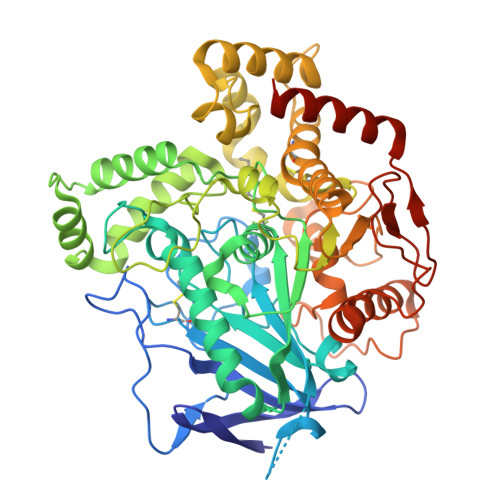 Click to view 3D structure | Juvenile hormone esterase | Q9GPG0 | Manduca sexta | Predicted (SEA) | - Prediction Confidence Score
- 0.235
- Applicability Domain
- 0.25 Low confidence
- Statistical Significance
- 0.0016
- Supporting Reference Compounds
- 2
- E-value
- 12.4559
|
 Click to view 3D structure | Liver carboxylesterase 1 | P23141 | Humans | Predicted (SEA) | - Prediction Confidence Score
- 0.234
- Applicability Domain
- 0.25 Low confidence
- Statistical Significance
- 0.0234
- Supporting Reference Compounds
- 55
- E-value
- 182.401
|
 Click to view 3D structure | Cocaine esterase | O00748 | Humans | Predicted (SEA) | - Prediction Confidence Score
- 0.233
- Applicability Domain
- 0.25 Low confidence
- Statistical Significance
- 0.0106
- Supporting Reference Compounds
- 40
- E-value
- 82.2866
|
| Click to view 3D structure | Fatty-acid amide hydrolase 1 | O00519 | Humans | Predicted (SEA) | - Prediction Confidence Score
- 0.232
- Applicability Domain
- 0.25 Low confidence
- Statistical Significance
- 0.1457
- Supporting Reference Compounds
- 106
- E-value
- 1133.95
|
 Click to view 3D structure | Liver carboxylesterase | Q29550 | Sus scrofa | Predicted (SEA) | - Prediction Confidence Score
- 0.229
- Applicability Domain
- 0.25 Low confidence
- Statistical Significance
- 0.0046
- Supporting Reference Compounds
- 20
- E-value
- 35.6549
|
 Click to view 3D structure | Acylcarnitine hydrolase | Q91WG0 | Mus musculus | Predicted (SEA) | - Prediction Confidence Score
- 0.222
- Applicability Domain
- 0.225 Low confidence
- Statistical Significance
- 0.0018
- Supporting Reference Compounds
- 2
- E-value
- 14.4021
|
| Click to view 3D structure | CG8425-PA [Drosophila melanogaster] | A1ZA98 | Drosophila melanogaster | Predicted (SEA) | - Prediction Confidence Score
- 0.221
- Applicability Domain
- 0.25 Low confidence
- Statistical Significance
- 0.0022
- Supporting Reference Compounds
- 4
- E-value
- 17.2047
|
| Click to view 3D structure | Liver carboxylesterase B-1 | Q63010 | Rattus norvegicus | Predicted (SEA) | - Prediction Confidence Score
- 0.217
- Applicability Domain
- 0.22 Low confidence
- Statistical Significance
- 0.0011
- Supporting Reference Compounds
- 6
- E-value
- 8.95266
|
| Click to view 3D structure | Esterase | A3QR02 | Chilo suppressalis | Predicted (SEA) | - Prediction Confidence Score
- 0.214
- Applicability Domain
- 0.214 Low confidence
- Statistical Significance
- 0.0013
- Supporting Reference Compounds
- 1
- E-value
- 10.1982
|
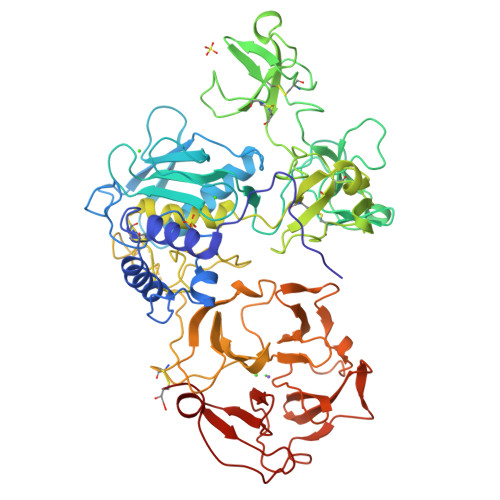 Click to view 3D structure | 72 kDa type IV collagenase | P08253 | Humans | Predicted (SEA) | - Prediction Confidence Score
- 0.212
- Applicability Domain
- 0.264 Low confidence
- Statistical Significance
- 0.4629
- Supporting Reference Compounds
- 400
- E-value
- 3603.87
|
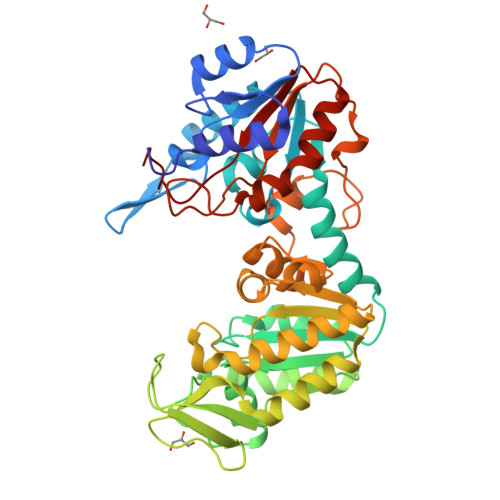 Click to view 3D structure | Phosphoglycerate kinase | P00560 | Saccharomyces cerevisiae S288c | Predicted (SEA) | - Prediction Confidence Score
- 0.211
- Applicability Domain
- 0.211 Low confidence
- Statistical Significance
- 2.10e-04
- Supporting Reference Compounds
- 1
- E-value
- 1.63483
|
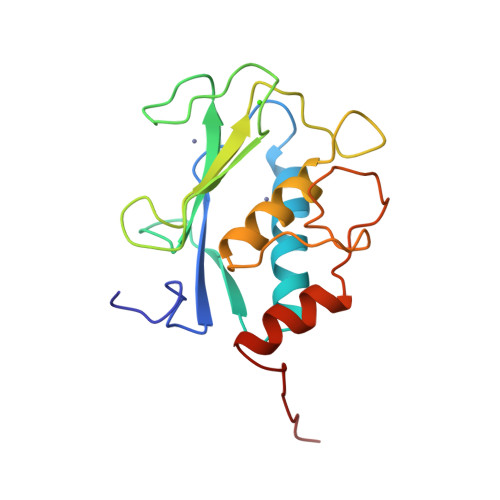 Click to view 3D structure | Interstitial collagenase | P03956 | Humans | Predicted (SEA) | - Prediction Confidence Score
- 0.208
- Applicability Domain
- 0.264 Low confidence
- Statistical Significance
- 0.4175
- Supporting Reference Compounds
- 258
- E-value
- 3250.59
|
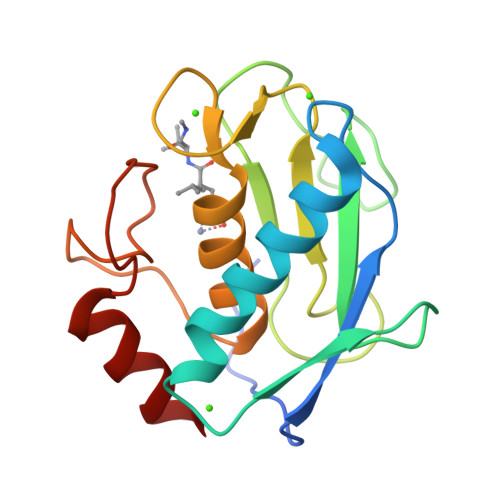 Click to view 3D structure | Matrix metalloproteinase-9 | P14780 | Humans | Predicted (SEA) | - Prediction Confidence Score
- 0.208
- Applicability Domain
- 0.264 Low confidence
- Statistical Significance
- 0.4416
- Supporting Reference Compounds
- 292
- E-value
- 3438.13
|
 Click to view 3D structure | Procathepsin L | P07711 | Humans | Predicted (SEA) | - Prediction Confidence Score
- 0.207
- Applicability Domain
- 0.222 Low confidence
- Statistical Significance
- 0.3003
- Supporting Reference Compounds
- 167
- E-value
- 2337.89
|
| Click to view 3D structure | Gastricsin | P04073 | Rattus norvegicus | Predicted (SEA) | - Prediction Confidence Score
- 0.207
- Applicability Domain
- 0.211 Low confidence
- Statistical Significance
- 0.0068
- Supporting Reference Compounds
- 2
- E-value
- 53.2489
|
 Click to view 3D structure | Cathepsin B | P07858 | Humans | Predicted (SEA) | - Prediction Confidence Score
- 0.206
- Applicability Domain
- 0.222 Low confidence
- Statistical Significance
- 0.3248
- Supporting Reference Compounds
- 173
- E-value
- 2528.46
|
 Click to view 3D structure | Pepsin A | P00791 | Sus scrofa | Predicted (SEA) | - Prediction Confidence Score
- 0.205
- Applicability Domain
- 0.212 Low confidence
- Statistical Significance
- 0.0571
- Supporting Reference Compounds
- 22
- E-value
- 444.286
|
| Click to view 3D structure | Cathepsin D | P80209 | Bos taurus | Predicted (SEA) | - Prediction Confidence Score
- 0.205
- Applicability Domain
- 0.212 Low confidence
- Statistical Significance
- 0.0452
- Supporting Reference Compounds
- 17
- E-value
- 351.956
|
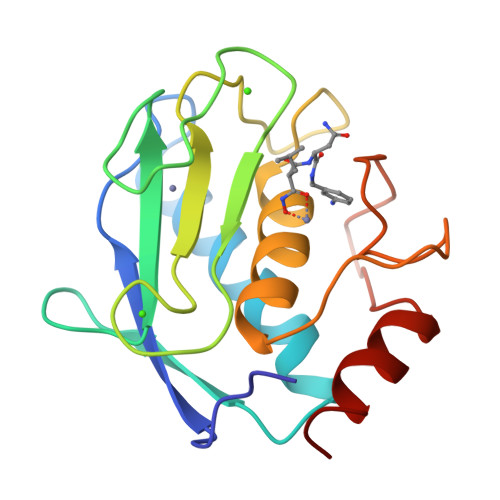 Click to view 3D structure | Neutrophil collagenase | P22894 | Humans | Predicted (SEA) | - Prediction Confidence Score
- 0.204
- Applicability Domain
- 0.264 Low confidence
- Statistical Significance
- 0.3406
- Supporting Reference Compounds
- 176
- E-value
- 2651.23
|
| Click to view 3D structure | Excitatory amino acid transporter 3 | P51907 | Rattus norvegicus | Predicted (SEA) | - Prediction Confidence Score
- 0.2
- Applicability Domain
- 0.2 Low confidence
- Statistical Significance
- 0.0016
- Supporting Reference Compounds
- 1
- E-value
- 12.1445
|
 Click to view 3D structure | Inward rectifier potassium channel 2 | P35561 | Mus musculus | Predicted (SEA) | - Prediction Confidence Score
- 0.2
- Applicability Domain
- 0.2 Low confidence
- Statistical Significance
- 0.0697
- Supporting Reference Compounds
- 1
- E-value
- 542.298
|

