 Click to view 3D structure | Phosphatidylinositol 3,4,5-trisphosphate 5-phosphatase 2 | Q6P549 | Mus musculus | Predicted (SEA) | - Prediction Confidence Score
- 0.258
- Applicability Domain
- 0.258 Low confidence
- Statistical Significance
- 6.00e-05
- Supporting Reference Compounds
- 1
- E-value
- 0.467095
|
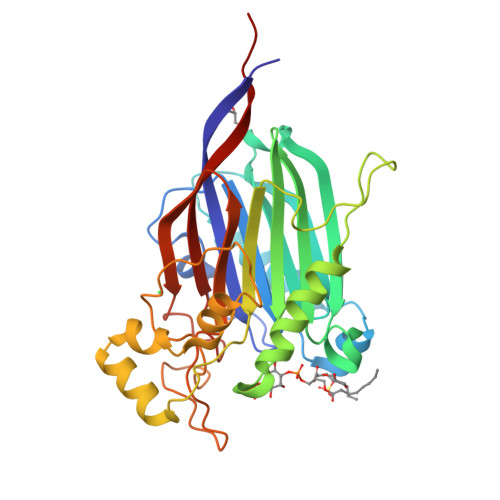 Click to view 3D structure | Type II inositol 1,4,5-trisphosphate 5-phosphatase | P32019 | Humans | Predicted (SEA) | - Prediction Confidence Score
- 0.258
- Applicability Domain
- 0.258 Low confidence
- Statistical Significance
- 6.00e-05
- Supporting Reference Compounds
- 1
- E-value
- 0.467095
|
 Click to view 3D structure | Carbonic anhydrase 2 | P00918 | Humans | Predicted (SEA) | - Prediction Confidence Score
- 0.237
- Applicability Domain
- 0.244 Low confidence
- Statistical Significance
- 0.2374
- Supporting Reference Compounds
- 472
- E-value
- 1848.3
|
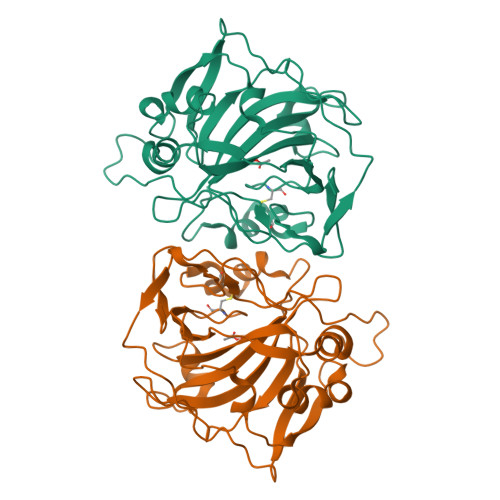 Click to view 3D structure | Carbonic anhydrase 12 | O43570 | Humans | Predicted (SEA) | - Prediction Confidence Score
- 0.232
- Applicability Domain
- 0.244 Low confidence
- Statistical Significance
- 0.2071
- Supporting Reference Compounds
- 332
- E-value
- 1612.02
|
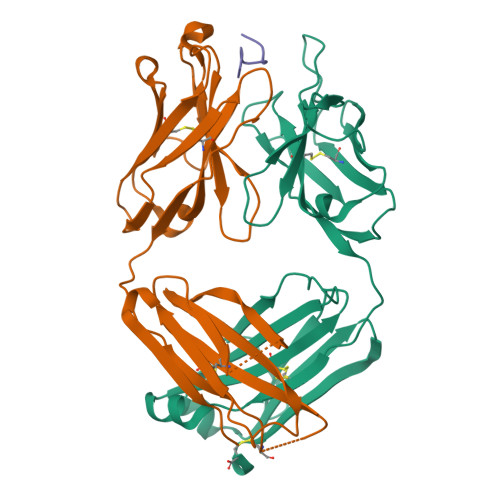 Click to view 3D structure | Carbonic anhydrase 9 | Q16790 | Humans | Predicted (SEA) | - Prediction Confidence Score
- 0.232
- Applicability Domain
- 0.244 Low confidence
- Statistical Significance
- 0.2287
- Supporting Reference Compounds
- 372
- E-value
- 1780.57
|
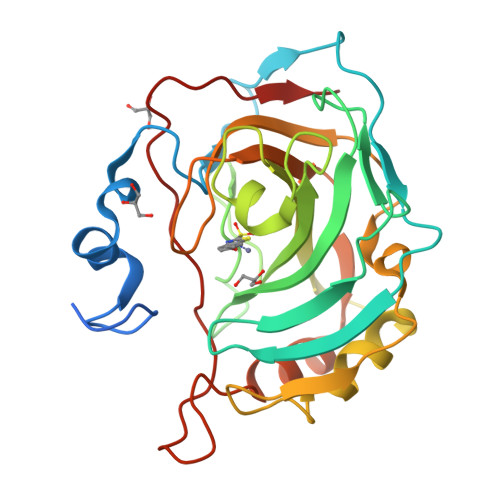 Click to view 3D structure | Carbonic anhydrase 7 | P43166 | Humans | Predicted (SEA) | - Prediction Confidence Score
- 0.224
- Applicability Domain
- 0.241 Low confidence
- Statistical Significance
- 0.2053
- Supporting Reference Compounds
- 242
- E-value
- 1598.4
|
 Click to view 3D structure | Carbonic anhydrase 1 | P00915 | Humans | Predicted (SEA) | - Prediction Confidence Score
- 0.221
- Applicability Domain
- 0.244 Low confidence
- Statistical Significance
- 0.3172
- Supporting Reference Compounds
- 407
- E-value
- 2469.22
|
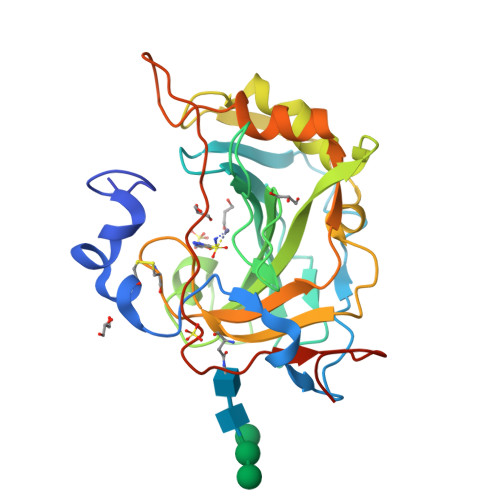 Click to view 3D structure | Carbonic anhydrase 14 | Q9ULX7 | Humans | Predicted (SEA) | - Prediction Confidence Score
- 0.213
- Applicability Domain
- 0.244 Low confidence
- Statistical Significance
- 0.2156
- Supporting Reference Compounds
- 172
- E-value
- 1678.43
|
 Click to view 3D structure | Beta Lactamase | Q932Y6 | Pseudomonas aeruginosa | Predicted (SEA) | - Prediction Confidence Score
- 0.213
- Applicability Domain
- 0.256 Low confidence
- Statistical Significance
- 0.1478
- Supporting Reference Compounds
- 91
- E-value
- 1150.69
|
| Click to view 3D structure | Carbonic anhydrase 5A, mitochondrial | P35218 | Humans | Predicted (SEA) | - Prediction Confidence Score
- 0.209
- Applicability Domain
- 0.238 Low confidence
- Statistical Significance
- 0.2363
- Supporting Reference Compounds
- 165
- E-value
- 1839.97
|
| Click to view 3D structure | DNA damage-inducible transcript 3 protein | P35639 | Mus musculus | Predicted (SEA) | - Prediction Confidence Score
- 0.206
- Applicability Domain
- 0.235 Low confidence
- Statistical Significance
- 0.4047
- Supporting Reference Compounds
- 226
- E-value
- 3150.25
|
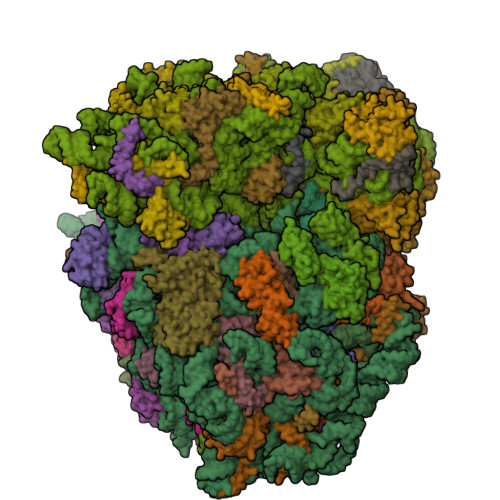 Click to view 3D structure | X-box-binding protein 1 | P17861 | Humans | Predicted (SEA) | - Prediction Confidence Score
- 0.206
- Applicability Domain
- 0.235 Low confidence
- Statistical Significance
- 0.4054
- Supporting Reference Compounds
- 227
- E-value
- 3155.77
|
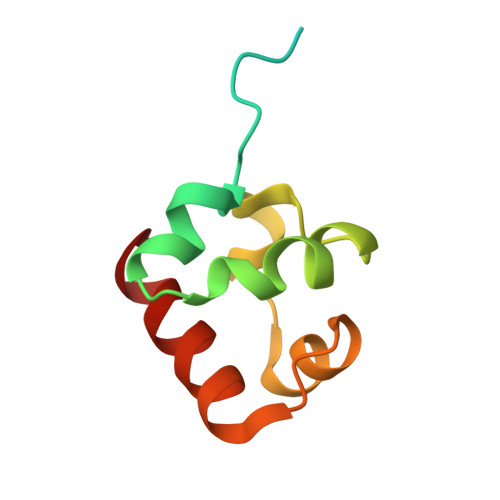 Click to view 3D structure | Phosphatidylinositol 3,4,5-trisphosphate 5-phosphatase 2 | O15357 | Humans | Predicted (SEA) | - Prediction Confidence Score
- 0.205
- Applicability Domain
- 0.273 Low confidence
- Statistical Significance
- 0.0015
- Supporting Reference Compounds
- 11
- E-value
- 11.366
|
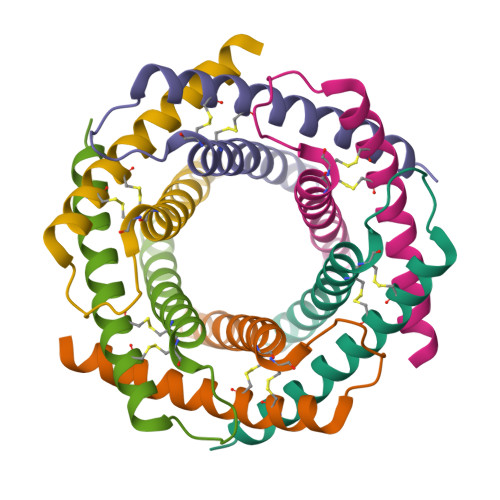 Click to view 3D structure | Mitochondrial import inner membrane translocase subunit TIM10 | P87108 | Saccharomyces cerevisiae S288c | Predicted (SEA) | - Prediction Confidence Score
- 0.204
- Applicability Domain
- 0.216 Low confidence
- Statistical Significance
- 0.184
- Supporting Reference Compounds
- 64
- E-value
- 1432.11
|
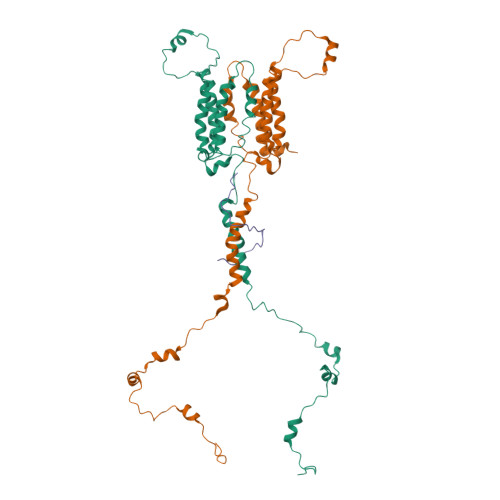 Click to view 3D structure | Mitochondrial import inner membrane translocase subunit TIM23 | P32897 | Saccharomyces cerevisiae S288c | Predicted (SEA) | - Prediction Confidence Score
- 0.202
- Applicability Domain
- 0.216 Low confidence
- Statistical Significance
- 0.2326
- Supporting Reference Compounds
- 75
- E-value
- 1811.16
|
 Click to view 3D structure | 5-hydroxytryptamine receptor 2C | P28335 | Humans | Predicted (SEA) | - Prediction Confidence Score
- 0.201
- Applicability Domain
- 0.235 Low confidence
- Statistical Significance
- 0.8016
- Supporting Reference Compounds
- 823
- E-value
- 6240.39
|
 Click to view 3D structure | 5-hydroxytryptamine receptor 2B | P41595 | Humans | Predicted (SEA) | - Prediction Confidence Score
- 0.201
- Applicability Domain
- 0.235 Low confidence
- Statistical Significance
- 0.8004
- Supporting Reference Compounds
- 686
- E-value
- 6230.97
|
 Click to view 3D structure | Dual specificity tyrosine-phosphorylation-regulated kinase 2 | Q92630 | Humans | Predicted (SEA) | - Prediction Confidence Score
- 0.196
- Applicability Domain
- 0.22 Low confidence
- Statistical Significance
- 0.5585
- Supporting Reference Compounds
- 196
- E-value
- 4347.72
|
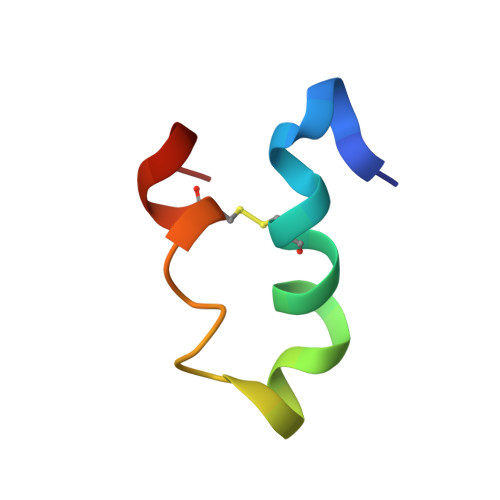 Click to view 3D structure | Sphingosine 1-phosphate receptor 4 | O95977 | Humans | Predicted (SEA) | - Prediction Confidence Score
- 0.196
- Applicability Domain
- 0.235 Low confidence
- Statistical Significance
- 0.3898
- Supporting Reference Compounds
- 117
- E-value
- 3034.48
|
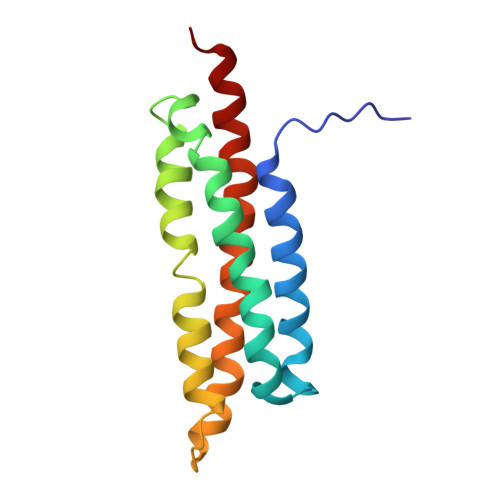 Click to view 3D structure | Protein-tyrosine kinase 2-beta | Q14289 | Humans | Predicted (SEA) | - Prediction Confidence Score
- 0.195
- Applicability Domain
- 0.256 Low confidence
- Statistical Significance
- 0.7707
- Supporting Reference Compounds
- 414
- E-value
- 5999.84
|
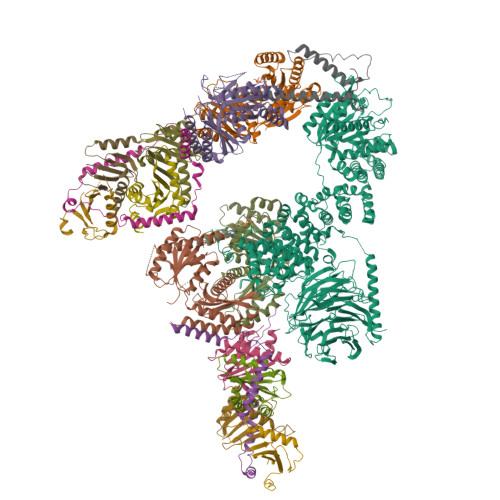 Click to view 3D structure | Transcription factor EB | P19484 | Humans | Predicted (SEA) | - Prediction Confidence Score
- 0.195
- Applicability Domain
- 0.195 Low confidence
- Statistical Significance
- 0.0325
- Supporting Reference Compounds
- 1
- E-value
- 252.932
|
 Click to view 3D structure | Mandelate racemase | P11444 | Pseudomonas putida | Predicted (SEA) | - Prediction Confidence Score
- 0.194
- Applicability Domain
- 0.194 Low confidence
- Statistical Significance
- 0.0108
- Supporting Reference Compounds
- 1
- E-value
- 84.3107
|
 Click to view 3D structure | 5-hydroxytryptamine receptor 1A | P08908 | Humans | Predicted (SEA) | - Prediction Confidence Score
- 0.193
- Applicability Domain
- 0.235 Low confidence
- Statistical Significance
- 0.8608
- Supporting Reference Compounds
- 953
- E-value
- 6701.34
|
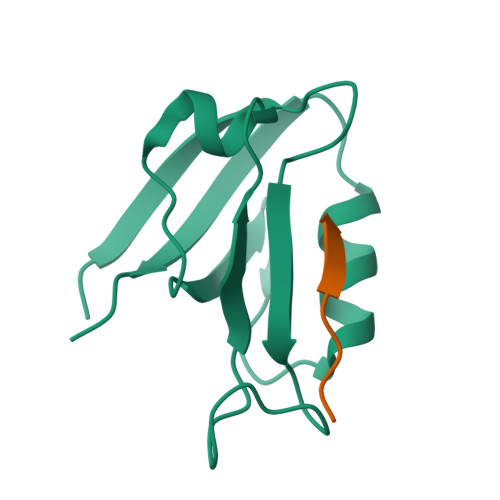 Click to view 3D structure | 5-hydroxytryptamine receptor 2A | P14842 | Rattus norvegicus | Predicted (SEA) | - Prediction Confidence Score
- 0.193
- Applicability Domain
- 0.2 Low confidence
- Statistical Significance
- 0.6596
- Supporting Reference Compounds
- 380
- E-value
- 5135.25
|
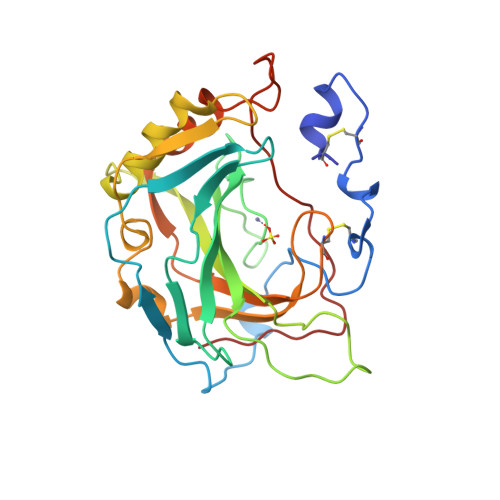 Click to view 3D structure | Carbonic anhydrase 4 | P22748 | Humans | Predicted (SEA) | - Prediction Confidence Score
- 0.192
- Applicability Domain
- 0.238 Low confidence
- Statistical Significance
- 0.4373
- Supporting Reference Compounds
- 193
- E-value
- 3404.42
|

