2-Butoxy-1-methylethyl acetate (CED0053808)

Record Information
Version1.0
Creation Date2026-04-05 09:38:51 UTC
Update Date2026-05-21 15:12:29 UTC
SynCED IDCED0053808
Secondary Accession Numbers
  • CHEM098445
Identification
Common Name2-Butoxy-1-methylethyl acetate
ClassSmall Molecule
Description
2-Butoxy-1-methylethyl acetate is an organic compound with the formula C9H18O3 and an average molecular weight of 174.24 g/mol. 2-Butoxy-1-methylethyl acetate belongs to the carboxylic acid derivatives, a subclass of carboxylic acids and derivatives within the organic compounds. This substance has been identified in or released from four recorded sources. These include food contact materials used in food, food processing, and cookware, as well as electrical and electronic equipment such as electric hearing aids, auxiliary devices, and superconductive or hyperconductive conductors cables or transmission lines. Recorded routes of exposure for this compound include oral, inhalation, and touch.
Contaminant TypeNot Available
Chemical Structure
SynonymsNot Available
Chemical FormulaC9H18O3
Average Molecular Mass174.240 g/mol
Monoisotopic Mass174.126 g/mol
CAS Registry Number85409-76-3
IUPAC NameNot Available
Traditional NameNot Available
SMILESCCCCOCC(C)OC(C)=O
InChI IdentifierInChI=1/C9H18O3/c1-4-5-6-11-7-8(2)12-9(3)10/h8H,4-7H2,1-3H3
InChI KeyFUWDFGKRNIDKAE-UHFFFAOYSA-N
Chemical Taxonomy
ClassificationNot classified
Biological Properties
StatusDetected and Not Quantified
OriginNot Available
Cellular LocationsNot Available
Biofluid LocationsNot Available
Tissue LocationsNot Available
ApplicationsNot Available
Biological RolesNot Available
Chemical RolesNot Available
Organoleptic EffectsNot Available
Physical Properties
StateNot Available
AppearanceNot Available
Experimental Properties
PropertyValue
Melting PointNot Available
Boiling PointNot Available
SolubilityNot Available
Predicted PropertiesNot Available
Spectra
SpectraNot Available
Toxicity Profile
Toxicity Values
Toxicity ValueOrganismDose DescriptorRoute of ExposurePredicted or ExperimentalToxicity RatingReference
6927.0 Log mg/kg [3900:12000]RatLD50oralpredictedNot AvailableNot Available
Toxicity / Toxin ClassNot Available
Mechanism of ToxicityNot Available
Carcinogenicity (IARC Classification)Not Available
Minimum Risk LevelNot Available
SymptomsNot Available
TreatmentNot Available
Health Effects
Health EffectRelationshipDirectionDescriptionReference
Exposure Sources
Source IDSourceSectorReference
CEDs000494Food contact materials?Food contact materials refer to substances and products that are intended to come into contact with food during processing, packaging, or preparation.Food, food processing & cookwareNot Available
CEDs000507Auxiliary Devices?Auxiliary devices, such as capacitors, transformers, and circuit breakers, are integral components in various electronic systems.Electrical & Electronic EquipmentPubChem
CEDs000511Conductors Or Conductive Bodies Characterised By The Conductive Materials?Conductors, or conductive bodies, are materials that allow the flow of electrical current, typically made from metals such as copper, aluminum, or silver.Electrical & Electronic EquipmentPubChem
CEDs000516Electric Hearing Aids?Electric hearing aids are small electronic devices designed to amplify sound for individuals with hearing loss.Electrical & Electronic EquipmentPubChem
CEDs000517Electric Switches?Electric switches, integral components in numerous devices, can be a source of synthetic chemical contamination due to the materials and manufacturing processes involved in their production.Electrical & Electronic EquipmentPubChem
CEDs000518Electrically Stimulated Smoking Devices?Electrically stimulated smoking devices, commonly known as e-cigarettes or vape pens, utilize electrical components to heat a liquid solution, often containing nicotine, flavorings, and other additives, to produce an aerosol for inhalation.Electrical & Electronic EquipmentPubChem
CEDs000519Electrodes?Electrodes, used in various electrical and electronic applications, can be a source of synthetic chemical contamination due to the materials from which they are constructed and the processes involved in their manufacturing.Electrical & Electronic EquipmentPubChem
CEDs000521Fixed Capacitors And Their Manufacture?Fixed capacitors are passive electronic components used to store and release electrical energy, playing a critical role in various circuits.Electrical & Electronic EquipmentPubChem
CEDs000524Hybrid Capacitors?Hybrid capacitors are energy storage devices that combine the properties of electrolytic and supercapacitors, utilizing a combination of electrochemical principles to achieve higher energy density and power density.Electrical & Electronic EquipmentPubChem
CEDs000536Superconductive Or Hyperconductive Conductors Cables Or Transmission Lines?Superconductive or hyperconductive conductors, including cables and transmission lines, are materials that exhibit zero electrical resistance under specific conditions, typically at low temperatures.Electrical & Electronic EquipmentPubChem
CEDs000561Perfumes Within Detergents And Soaps?Perfumes within detergents and soaps are synthetic fragrance compounds added to enhance the sensory experience of cleaning products.Household cleaning & consumer productsPubChem
CEDs000563Soap Detergents?Soap detergents are synthetic surfactants designed to enhance the cleaning efficacy of water by reducing surface tension, allowing for better interaction with dirt and grease.Household cleaning & consumer productsPubChem
CEDs000589Life Buoys?Life buoys, commonly used in marine environments for safety and rescue operations, can be a source of synthetic chemical contamination due to the materials used in their production.Marine, shipping & aquaculturePubChem
CEDs000632Apparel?Apparel production often involves the use of various synthetic chemicals, including dyes, finishing agents, and preservatives.Textiles, leather & furnishingsPubChem
CEDs000643Headwear?Headwear made from synthetic materials often incorporates chemicals used in the manufacturing and finishing processes, such as dyes, flame retardants, and water repellents.Textiles, leather & furnishingsPubChem
CEDs000671Airplanes And Helicopters?Airplanes and helicopters are significant sources of synthetic chemical contamination primarily through the use of aviation fuels, lubricants, and de-icing agents.Aviation & AerospacePubChem
CEDs000685Ceramics?Ceramics can be a source of synthetic chemical contamination through various additives and processing agents used in their production.Building & ConstructionPubChem
CEDs000688Glass Coatings?Glass coatings are synthetic chemical formulations applied to glass surfaces to enhance properties such as durability, UV resistance, and aesthetic appeal.Building & ConstructionPubChem
CEDs000692Silica Free Oxide Glass?Silica Free Oxide Glass is a type of glass that is produced using alternative materials to traditional silica-based formulations.Building & ConstructionPubChem
CEDs000693Silica Glass?Silica glass, primarily composed of silicon dioxide (SiO2), is widely used in various applications, including windows, glass facades, and insulation materials.Building & ConstructionPubChem
CEDs000696Nanotechnology?Nanotechnology involves the manipulation of materials at the molecular or atomic level, typically within the range of 1 to 100 nanometers.Industrial manufacturing & chemical processingPubChem
CEDs000727Printing Machines Or Presses?Printing machines or presses commonly utilize synthetic chemicals such as inks, solvents, and cleaning agents.Paper, pulp & fiber productsPubChem
CEDs000729Stamps?Stamps, particularly those produced using synthetic inks and adhesives, can contribute to chemical contamination when disposed of improperly.Paper, pulp & fiber productsPubChem
CEDs000734Coating Compositions?Coating compositions, which include paints, sealants, and varnishes, are formulated with a variety of synthetic chemicals such as solvents, resins, pigments, and additives.Building & ConstructionPubChem
CEDs000739Inks?Inks are complex mixtures composed of pigments or dyes, solvents, resins, and additives used primarily for printing and writing applications.Paper, pulp & fiber productsPubChem
CEDs000741Pigment Pastes?Pigment pastes are concentrated dispersions of pigments used to impart color and properties to materials.Paper, pulp & fiber productsPubChem
CEDs000743Sludge Treatment?Sludge treatment involves the processing of waste materials generated from wastewater treatment plants, which often contain a variety of organic and inorganic substances.Wastewater, sanitation & biosolidsPubChem
CEDs000744Water, Wastewater, & Sewage Treatment?Water, wastewater, and sewage treatment processes are critical for managing and mitigating pollutants in water systems.Wastewater, sanitation & biosolidsPubChem
Pathways
0 pathwaysPathway Source: PathBank

No pathways found

No metabolic pathways have been associated with this synthetic chemical

Targets
StructureProteinUniProt IDOrganismRelationshipDetails
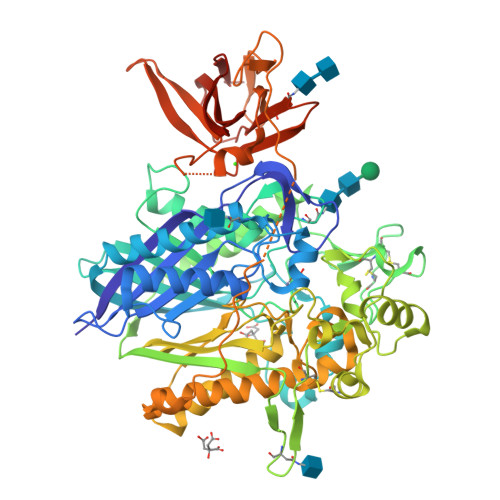
Muscarinic acetylcholine receptor M2 structureClick to view 3D structureMuscarinic acetylcholine receptor M2P08172HumansPredicted (SEA)
Prediction Confidence Score
0.259
Applicability Domain
0.424
Statistical Significance
0.1019
Supporting Reference Compounds
373
E-value
793.673
Peroxisome proliferator-activated receptor alpha structureClick to view 3D structurePeroxisome proliferator-activated receptor alphaQ07869HumansPredicted (SEA)
Prediction Confidence Score
0.255
Applicability Domain
0.265 Low confidence
Statistical Significance
0.063
Supporting Reference Compounds
127
E-value
490.839
Click to view 3D structureFatty-acid amide hydrolase 1O00519HumansPredicted (SEA)
Prediction Confidence Score
0.254
Applicability Domain
0.27 Low confidence
Statistical Significance
0.0625
Supporting Reference Compounds
106
E-value
486.791
Juvenile hormone esterase structureClick to view 3D structureJuvenile hormone esteraseQ9GPG0Manduca sextaPredicted (SEA)
Prediction Confidence Score
0.254
Applicability Domain
0.27 Low confidence
Statistical Significance
8.80e-04
Supporting Reference Compounds
2
E-value
6.85073
Neutral ceramidase structureClick to view 3D structureNeutral ceramidaseQ9NR71HumansPredicted (SEA)
Prediction Confidence Score
0.254
Applicability Domain
0.254 Low confidence
Statistical Significance
0.0021
Supporting Reference Compounds
1
E-value
16.6597
Autotaxin structureClick to view 3D structureAutotaxinQ13822HumansPredicted (SEA)
Prediction Confidence Score
0.254
Applicability Domain
0.271 Low confidence
Statistical Significance
0.0054
Supporting Reference Compounds
40
E-value
41.805
Liver carboxylesterase 1 structureClick to view 3D structureLiver carboxylesterase 1P23141HumansPredicted (SEA)
Prediction Confidence Score
0.253
Applicability Domain
0.27 Low confidence
Statistical Significance
0.0112
Supporting Reference Compounds
55
E-value
87.5025
Muscarinic acetylcholine receptor M4 structureClick to view 3D structureMuscarinic acetylcholine receptor M4P08173HumansPredicted (SEA)
Prediction Confidence Score
0.251
Applicability Domain
0.424
Statistical Significance
0.1062
Supporting Reference Compounds
297
E-value
826.525
Tyrosine-protein phosphatase non-receptor type 1 structureClick to view 3D structureTyrosine-protein phosphatase non-receptor type 1P18031HumansPredicted (SEA)
Prediction Confidence Score
0.25
Applicability Domain
0.265 Low confidence
Statistical Significance
0.0548
Supporting Reference Compounds
197
E-value
426.692
Click to view 3D structureMitochondrial carnitine/acylcarnitine carrier proteinO43772HumansPredicted (SEA)
Prediction Confidence Score
0.25
Applicability Domain
0.25 Low confidence
Statistical Significance
9.10e-04
Supporting Reference Compounds
1
E-value
7.08428
Click to view 3D structurePalmitoyltransferase ZDHHC7Q9NXF8HumansPredicted (SEA)
Prediction Confidence Score
0.25
Applicability Domain
0.25 Low confidence
Statistical Significance
8.30e-04
Supporting Reference Compounds
1
E-value
6.46149
Click to view 3D structureCarnitine palmitoyltransferase 1AQ9MYX2Sus scrofaPredicted (SEA)
Prediction Confidence Score
0.25
Applicability Domain
0.256 Low confidence
Statistical Significance
9.30e-04
Supporting Reference Compounds
2
E-value
7.23998
Peroxisome proliferator-activated receptor delta structureClick to view 3D structurePeroxisome proliferator-activated receptor deltaQ03181HumansPredicted (SEA)
Prediction Confidence Score
0.249
Applicability Domain
0.265 Low confidence
Statistical Significance
0.0518
Supporting Reference Compounds
89
E-value
403.103
Click to view 3D structurePutative inactive group IIC secretory phospholipase A2Q5R387HumansPredicted (SEA)
Prediction Confidence Score
0.386
Applicability Domain
0.386
Statistical Significance
6.00e-05
Supporting Reference Compounds
1
E-value
0.467095
Acylcarnitine hydrolase structureClick to view 3D structureAcylcarnitine hydrolaseQ91WG0Mus musculusPredicted (SEA)
Prediction Confidence Score
0.29
Applicability Domain
0.342
Statistical Significance
2.80e-04
Supporting Reference Compounds
2
E-value
2.17978
Click to view 3D structure1-deoxy-D-xylulose-5-phosphate synthaseB7UJP3Escherichia coli O127:H6 (strain E2348/69 / EPEC)Predicted (SEA)
Prediction Confidence Score
0.289
Applicability Domain
0.361
Statistical Significance
5.00e-05
Supporting Reference Compounds
2
E-value
0.389246
UDP-3-O-acyl-N-acetylglucosamine deacetylase structureClick to view 3D structureUDP-3-O-acyl-N-acetylglucosamine deacetylaseO67648Aquifex aeolicus (strain VF5)Predicted (SEA)
Prediction Confidence Score
0.286
Applicability Domain
0.286 Low confidence
Statistical Significance
0.0065
Supporting Reference Compounds
1
E-value
50.7577
Click to view 3D structureCocaine esteraseO00748HumansPredicted (SEA)
Prediction Confidence Score
0.275
Applicability Domain
0.342
Statistical Significance
0.0018
Supporting Reference Compounds
40
E-value
13.8572
Click to view 3D structureLysophosphatidic acid receptor 3Q9UBY5HumansPredicted (SEA)
Prediction Confidence Score
0.275
Applicability Domain
0.333
Statistical Significance
0.0023
Supporting Reference Compounds
21
E-value
17.6718
Liver carboxylesterase structureClick to view 3D structureLiver carboxylesteraseQ29550Sus scrofaPredicted (SEA)
Prediction Confidence Score
0.271
Applicability Domain
0.342
Statistical Significance
8.40e-04
Supporting Reference Compounds
20
E-value
6.53933
Lysophosphatidic acid receptor 1 structureClick to view 3D structureLysophosphatidic acid receptor 1Q92633HumansPredicted (SEA)
Prediction Confidence Score
0.268
Applicability Domain
0.333
Statistical Significance
0.0026
Supporting Reference Compounds
31
E-value
20.63
Lysophosphatidic acid receptor 2 structureClick to view 3D structureLysophosphatidic acid receptor 2Q9HBW0HumansPredicted (SEA)
Prediction Confidence Score
0.268
Applicability Domain
0.333
Statistical Significance
0.002
Supporting Reference Compounds
30
E-value
15.6477
Lysophosphatidic acid receptor 6 structureClick to view 3D structureLysophosphatidic acid receptor 6P43657HumansPredicted (SEA)
Prediction Confidence Score
0.267
Applicability Domain
0.333
Statistical Significance
6.50e-04
Supporting Reference Compounds
3
E-value
5.0602
Click to view 3D structureCG8425-PA [Drosophila melanogaster]A1ZA98Drosophila melanogasterPredicted (SEA)
Prediction Confidence Score
0.265
Applicability Domain
0.342
Statistical Significance
5.30e-04
Supporting Reference Compounds
4
E-value
4.12601
Click to view 3D structureCAI-1 autoinducer sensor kinase/phosphatase CqsSQ9KM66Vibrio cholerae serotype O1 (strain ATCC 39315 / El Tor Inaba N16961)Predicted (SEA)
Prediction Confidence Score
0.263
Applicability Domain
0.263 Low confidence
Statistical Significance
0.0012
Supporting Reference Compounds
1
E-value
9.57545
Concentrations
Not Available
External Links
IdentifiersNot Available
References
Synthesis ReferenceNot Available
MSDSNot Available
General ReferencesNot Available