Tyrosinal (CED0030858)

Record Information
Version1.0
Creation Date2026-04-05 11:27:29 UTC
Update Date2026-04-13 22:36:26 UTC
SynCED IDCED0030858
Secondary Accession Numbers
  • CHEM100057
Identification
Common NameTyrosinal
ClassSmall Molecule
Description
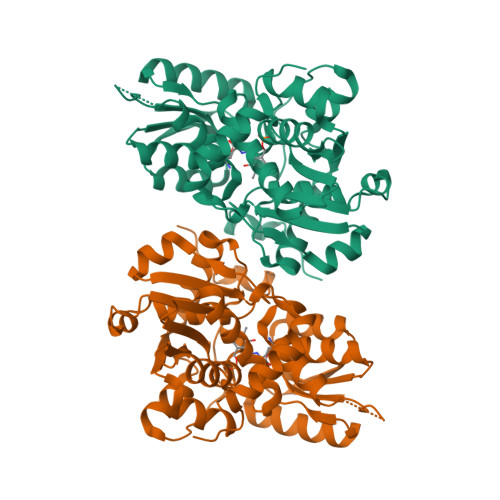
Tyrosinal is an organic compound with the formula C9H11NO2. Tyrosinal belongs to the phenethylamines, a subclass of benzene and substituted derivatives within the organic compounds. This substance is identified as being found in or released from one recorded source, which is food, food processing & cookware specifically related to the preparation of malt. In terms of biological activity, tyrosinal is associated with four recorded protein targets. These include tyrosine--tRNA ligase, cytoplasmic (YARS1), tyrosine--tRNA ligase (tyrS), sedolisin (pcp), and tyrosine--tRNA ligase (YARS).
Contaminant TypeNot Available
Chemical Structure
SynonymsNot Available
Chemical FormulaC9H11NO2
Average Molecular MassNot Available
Monoisotopic Mass165.079 g/mol
CAS Registry NumberNot Available
IUPAC NameNot Available
Traditional NameNot Available
SMILESNot Available
InChI IdentifierInChI=1S/C9H11NO2/c10-8(6-11)5-7-1-3-9(12)4-2-7/h1-4,6,8,12H,5,10H2/t8-/m0/s1
InChI KeyDXGAIOIQACHYRK-QMMMGPOBSA-N
Chemical Taxonomy
ClassificationNot classified
Biological Properties
StatusDetected and Not Quantified
OriginNot Available
Cellular LocationsNot Available
Biofluid LocationsNot Available
Tissue LocationsNot Available
ApplicationsNot Available
Biological RolesNot Available
Chemical RolesNot Available
Organoleptic EffectsNot Available
Physical Properties
StateNot Available
AppearanceNot Available
Experimental Properties
PropertyValue
Melting PointNot Available
Boiling PointNot Available
SolubilityNot Available
Predicted PropertiesNot Available
Spectra
Spectra
Spectrum TypeDescriptionSplash KeyDeposition DateView
Predicted GC-MSPredicted GC-MS Spectrumsplash10-0a70-5900000000-28e205ea0a89ab45a1e5Not AvailableView Spectrum
Predicted LC-MS/MSPredicted LC-MS/MS Spectrumsplash10-014i-0900000000-59ed4acf28f6a8d42609Not AvailableView Spectrum
Predicted LC-MS/MSPredicted LC-MS/MS Spectrumsplash10-014i-1900000000-f05f2e8b79b05917b59dNot AvailableView Spectrum
Predicted LC-MS/MSPredicted LC-MS/MS Spectrumsplash10-0a6r-9800000000-dc24619d01e96ac4da21Not AvailableView Spectrum
Predicted LC-MS/MSPredicted LC-MS/MS Spectrumsplash10-03di-0900000000-6b6b622b03ede12e43b4Not AvailableView Spectrum
Predicted LC-MS/MSPredicted LC-MS/MS Spectrumsplash10-08fr-2900000000-bd9d5d3491a5e699fbacNot AvailableView Spectrum
Predicted LC-MS/MSPredicted LC-MS/MS Spectrumsplash10-0a4i-9100000000-d9f449413dd5d125353dNot AvailableView Spectrum
1D NMR13C NMR Spectrum (1D, H2O, predicted)Not AvailableNot AvailableView Spectrum
1D NMR1H NMR Spectrum (1D, H2O, predicted)Not AvailableNot AvailableView Spectrum
Toxicity Profile
Toxicity Values
Toxicity ValueOrganismDose DescriptorRoute of ExposurePredicted or ExperimentalToxicity RatingReference
1339.0 Log mg/kg [750:2400]RatLD50oralpredictedNot AvailableNot Available
Toxicity / Toxin ClassNot Available
Mechanism of ToxicityNot Available
Carcinogenicity (IARC Classification)Not Available
Minimum Risk LevelNot Available
SymptomsNot Available
TreatmentNot Available
Health Effects
Health EffectRelationshipDirectionDescriptionReference
Exposure Sources
Source IDSourceSectorReference
CEDs000519Electrodes?Electrodes, used in various electrical and electronic applications, can be a source of synthetic chemical contamination due to the materials from which they are constructed and the processes involved in their manufacturing.Electrical & Electronic EquipmentPubChem
CEDs000524Hybrid Capacitors?Hybrid capacitors are energy storage devices that combine the properties of electrolytic and supercapacitors, utilizing a combination of electrochemical principles to achieve higher energy density and power density.Electrical & Electronic EquipmentPubChem
CEDs000544Fermentation Processes For Beer?Fermentation processes for beer involve the conversion of sugars into alcohol and carbon dioxide by yeast.Food, food processing & cookwarePubChem
CEDs000545Food Preservation?Food preservation often involves the use of synthetic chemicals, such as preservatives, flavor enhancers, and color additives, to extend shelf life and enhance the sensory qualities of food products.Food, food processing & cookwarePubChem
CEDs000547Preparation Of Malt?Malt preparation involves the germination and drying of cereal grains, primarily barley, to produce malt for brewing and food products.Food, food processing & cookwarePubChem
CEDs000579Manufacture Of Iron Or Steel?The manufacture of iron or steel involves various processes, including smelting, refining, and alloying, which can result in the release of synthetic chemicals and contaminants.Industrial manufacturing & chemical processingPubChem
CEDs000580Manufacture Preparation Of Tobacco Products?The manufacture and preparation of tobacco products involve various processes that can result in the introduction of synthetic chemicals into the environment.Industrial manufacturing & chemical processingPubChem
CEDs000606Plant Growth Regulators?Plant Growth Regulators (PGRs) are synthetic chemicals designed to influence the growth and development of plants.Agriculture & land managementPubChem
CEDs000610Aftersun Products?Aftersun products are designed to soothe and hydrate the skin after sun exposure, often containing various synthetic chemicals such as emollients, preservatives, and fragrances.Personal care & cosmeticsPubChem
CEDs000611Anti Perspirants Or Body Deoderants?Antiperspirants and body deodorants commonly contain synthetic chemicals such as aluminum compounds, parabens, and synthetic fragrances.Personal care & cosmeticsPubChem
CEDs000650Purses Luggage Hand Bags?Purses, luggage, and handbags are often manufactured using synthetic materials such as polyvinyl chloride (PVC), polyurethane, and various types of nylon.Textiles, leather & furnishingsPubChem
CEDs000693Silica Glass?Silica glass, primarily composed of silicon dioxide (SiO2), is widely used in various applications, including windows, glass facades, and insulation materials.Building & ConstructionPubChem
CEDs000696Nanotechnology?Nanotechnology involves the manipulation of materials at the molecular or atomic level, typically within the range of 1 to 100 nanometers.Industrial manufacturing & chemical processingPubChem
CEDs000739Inks?Inks are complex mixtures composed of pigments or dyes, solvents, resins, and additives used primarily for printing and writing applications.Paper, pulp & fiber productsPubChem
CEDs000740Paper?Paper production involves the processing of wood fibers and the use of various chemicals, which can lead to synthetic chemical contamination.Paper, pulp & fiber productsPubChem
CEDs000742Leather Tanning?Leather tanning is a process that transforms raw animal hides into durable leather through the application of various chemicals, including chromium salts, aldehydes, and vegetable tannins.Textiles, leather & furnishingsPubChem
CEDs000744Water, Wastewater, & Sewage Treatment?Water, wastewater, and sewage treatment processes are critical for managing and mitigating pollutants in water systems.Wastewater, sanitation & biosolidsPubChem
Pathways
0 pathwaysPathway Source: PathBank

No pathways found

No metabolic pathways have been associated with this synthetic chemical

Targets
StructureProteinUniProt IDOrganismRelationshipDetails
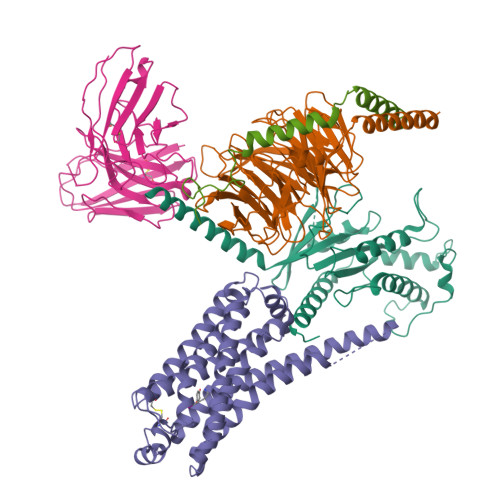
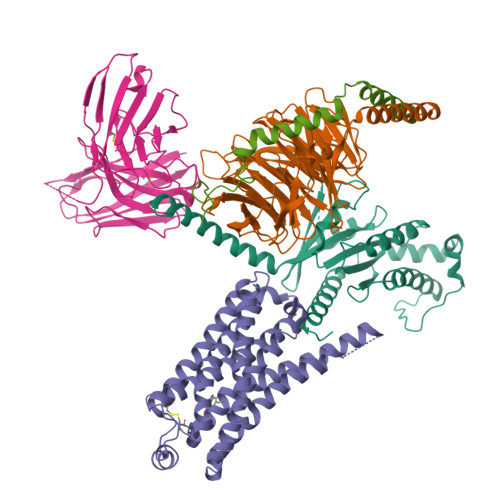
Click to view 3D structureTrace amine-associated receptor 1Q923Y9Rattus norvegicusPredicted (SEA)
Prediction Confidence Score
0.371
Applicability Domain
0.552
Statistical Significance
6.00e-04
Supporting Reference Compounds
18
E-value
4.67095
Trace amine-associated receptor 1 structureClick to view 3D structureTrace amine-associated receptor 1Q96RJ0HumansPredicted (SEA)
Prediction Confidence Score
0.354
Applicability Domain
0.552
Statistical Significance
0.0013
Supporting Reference Compounds
63
E-value
9.809
Trace amine-associated receptor 1 structureClick to view 3D structureTrace amine-associated receptor 1Q923Y8Mus musculusPredicted (SEA)
Prediction Confidence Score
0.348
Applicability Domain
0.552
Statistical Significance
9.70e-04
Supporting Reference Compounds
18
E-value
7.55137
Estrogen receptor structureClick to view 3D structureEstrogen receptorP03372HumansPredicted (SEA)
Prediction Confidence Score
0.325
Applicability Domain
0.4
Statistical Significance
0.0086
Supporting Reference Compounds
201
E-value
66.9503
Click to view 3D structureTyR1H9TVJ1Chilo suppressalisPredicted (SEA)
Prediction Confidence Score
0.324
Applicability Domain
0.324
Statistical Significance
1.10e-04
Supporting Reference Compounds
1
E-value
0.856341
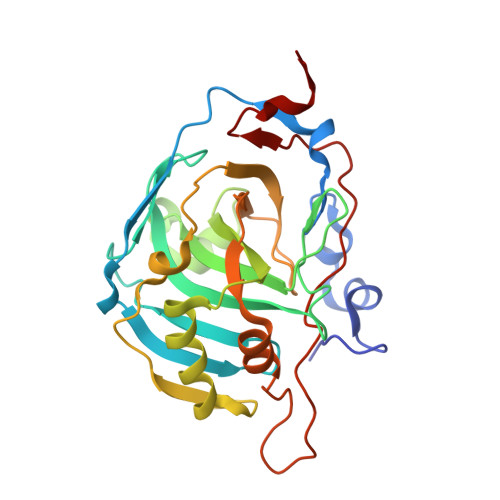
Carbonic anhydrase 2 structureClick to view 3D structureCarbonic anhydrase 2P00918HumansPredicted (SEA)
Prediction Confidence Score
0.318
Applicability Domain
0.367
Statistical Significance
0.0308
Supporting Reference Compounds
472
E-value
239.853
Tyrosine 3-monooxygenase structureClick to view 3D structureTyrosine 3-monooxygenaseP04177Rattus norvegicusPredicted (SEA)
Prediction Confidence Score
0.317
Applicability Domain
0.317
Statistical Significance
2.60e-04
Supporting Reference Compounds
1
E-value
2.02408
Serine racemase structureClick to view 3D structureSerine racemaseQ9GZT4HumansPredicted (SEA)
Prediction Confidence Score
0.317
Applicability Domain
0.317
Statistical Significance
0.0013
Supporting Reference Compounds
1
E-value
10.4318
Click to view 3D structureSarcoplasmic/endoplasmic reticulum calcium ATPase 3Q64518Mus musculusPredicted (SEA)
Prediction Confidence Score
0.314
Applicability Domain
0.314
Statistical Significance
0.0014
Supporting Reference Compounds
1
E-value
10.9767
Click to view 3D structureMu-type opioid receptorP97266Cavia porcellusPredicted (SEA)
Prediction Confidence Score
0.313
Applicability Domain
0.333
Statistical Significance
0.0362
Supporting Reference Compounds
186
E-value
281.892
Delta-type opioid receptor structureClick to view 3D structureDelta-type opioid receptorP32300Mus musculusPredicted (SEA)
Prediction Confidence Score
0.313
Applicability Domain
0.333
Statistical Significance
0.0348
Supporting Reference Compounds
166
E-value
270.993
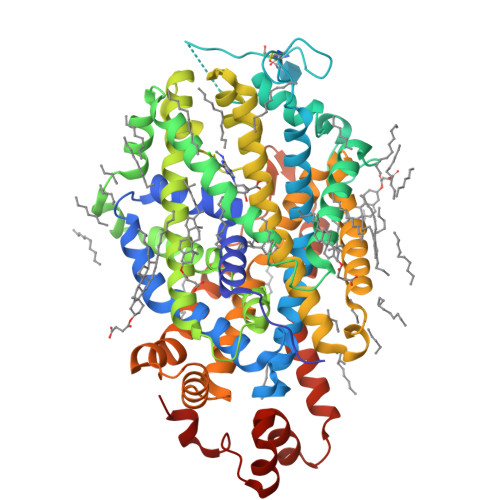
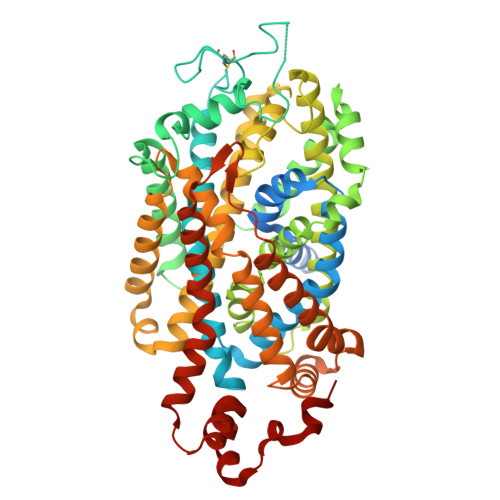
Sodium-dependent dopamine transporter structureClick to view 3D structureSodium-dependent dopamine transporterQ01959HumansPredicted (SEA)
Prediction Confidence Score
0.312
Applicability Domain
0.324
Statistical Significance
0.0305
Supporting Reference Compounds
506
E-value
237.674
Delta-type opioid receptor structureClick to view 3D structureDelta-type opioid receptorP41143HumansPredicted (SEA)
Prediction Confidence Score
0.311
Applicability Domain
0.333
Statistical Significance
0.0515
Supporting Reference Compounds
427
E-value
400.612
Click to view 3D structureMu-type opioid receptorP33535Rattus norvegicusPredicted (SEA)
Prediction Confidence Score
0.309
Applicability Domain
0.333
Statistical Significance
0.0406
Supporting Reference Compounds
229
E-value
315.756
Click to view 3D structureAcetylcholine receptor subunit deltaQ07001HumansPredicted (SEA)
Prediction Confidence Score
0.308
Applicability Domain
0.308
Statistical Significance
0.0044
Supporting Reference Compounds
1
E-value
34.5651
Sodium-dependent noradrenaline transporter structureClick to view 3D structureSodium-dependent noradrenaline transporterP23975HumansPredicted (SEA)
Prediction Confidence Score
0.307
Applicability Domain
0.324
Statistical Significance
0.0311
Supporting Reference Compounds
451
E-value
242.5
Kappa-type opioid receptor structureClick to view 3D structureKappa-type opioid receptorP41145HumansPredicted (SEA)
Prediction Confidence Score
0.307
Applicability Domain
0.333
Statistical Significance
0.0584
Supporting Reference Compounds
532
E-value
454.873
Click to view 3D structureDelta-type opioid receptorP33533Rattus norvegicusPredicted (SEA)
Prediction Confidence Score
0.307
Applicability Domain
0.333
Statistical Significance
0.0361
Supporting Reference Compounds
164
E-value
280.802
Estrogen receptor beta structureClick to view 3D structureEstrogen receptor betaQ92731HumansPredicted (SEA)
Prediction Confidence Score
0.306
Applicability Domain
0.4
Statistical Significance
0.0098
Supporting Reference Compounds
174
E-value
76.5258
Click to view 3D structureTrace amine-associated receptor 1Q8HZ64Macaca mulattaPredicted (SEA)
Prediction Confidence Score
0.306
Applicability Domain
0.552
Statistical Significance
2.70e-04
Supporting Reference Compounds
8
E-value
2.10193
Click to view 3D structureSodium-dependent serotonin transporterP31652Rattus norvegicusPredicted (SEA)
Prediction Confidence Score
0.305
Applicability Domain
0.324
Statistical Significance
0.0277
Supporting Reference Compounds
297
E-value
215.876
Sodium-dependent serotonin transporter structureClick to view 3D structureSodium-dependent serotonin transporterP31645HumansPredicted (SEA)
Prediction Confidence Score
0.305
Applicability Domain
0.314
Statistical Significance
0.0448
Supporting Reference Compounds
593
E-value
348.764
Click to view 3D structure5-hydroxytryptamine receptor 2BP30994Rattus norvegicusPredicted (SEA)
Prediction Confidence Score
0.304
Applicability Domain
0.4
Statistical Significance
0.003
Supporting Reference Compounds
40
E-value
23.1212
Carbonic anhydrase 3 structureClick to view 3D structureCarbonic anhydrase 3P07451HumansPredicted (SEA)
Prediction Confidence Score
0.304
Applicability Domain
0.333
Statistical Significance
0.0043
Supporting Reference Compounds
64
E-value
33.3973
Amine oxidase [flavin-containing] A structureClick to view 3D structureAmine oxidase [flavin-containing] AP21396Rattus norvegicusPredicted (SEA)
Prediction Confidence Score
0.303
Applicability Domain
0.324
Statistical Significance
0.0054
Supporting Reference Compounds
66
E-value
42.35
Concentrations
Not Available
External Links
IdentifiersNot Available
References
Synthesis ReferenceNot Available
MSDSNot Available
General ReferencesNot Available