3-Vinylpyridine (CED0020994)

Record Information
Version1.0
Creation Date2026-04-05 14:18:10 UTC
Update Date2026-08-24 07:05:18 UTC
SynCED IDCED0020994
Secondary Accession Numbers
  • CHEM103743
Identification
Common Name3-Vinylpyridine
ClassSmall Molecule
Description
3-Vinylpyridine belongs to the pyridines and derivatives, a class of organoheterocyclic compounds within the organic compounds. This organic compound has the chemical formula C7H7N and an average molecular weight of 105.14 g/mol. The substance is released from 13 recorded sources. Within the category of household cleaning and consumer products, it is found in ash trays, perfumes within detergents and soaps, cigar cigarettes, non electric simulated smoking devices, other smoking requisites, and three additional sources. In the context of electrical and electronic equipment, it is associated with fixed capacitors and their manufacture, hybrid capacitors, and electrically stimulated smoking devices. Additionally, it is linked to food, food processing, and cookware, specifically regarding food contact materials and fermentation processes for beer. Regarding plastics, 3-vinylpyridine is released in polyamide. Recorded exposure routes for this compound include inhalation, oral, and touch.
Contaminant TypeNot Available
Chemical Structure
SynonymsNot Available
Chemical FormulaC7H7N
Average Molecular Mass105.140 g/mol
Monoisotopic Mass105.058 g/mol
CAS Registry Number1121-55-7
IUPAC NameNot Available
Traditional NameNot Available
SMILESC=CC1=CN=CC=C1
InChI IdentifierInChI=1S/C7H7N/c1-2-7-4-3-5-8-6-7/h2-6H,1H2
InChI KeyDPZYLEIWHTWHCU-UHFFFAOYSA-N
Chemical Taxonomy
ClassificationNot classified
Biological Properties
StatusDetected and Not Quantified
OriginNot Available
Cellular LocationsNot Available
Biofluid LocationsNot Available
Tissue LocationsNot Available
ApplicationsNot Available
Biological RolesNot Available
Chemical RolesNot Available
Organoleptic EffectsNot Available
Physical Properties
StateNot Available
AppearanceNot Available
Experimental Properties
PropertyValue
Melting PointNot Available
Boiling PointNot Available
SolubilityNot Available
Predicted PropertiesNot Available
Spectra
Spectra
Spectrum TypeDescriptionSplash KeyDeposition DateView
Predicted LC-MS/MSPredicted LC-MS/MS SpectrumNot AvailableNot AvailableView Spectrum
Toxicity Profile
Toxicity Values
Toxicity ValueOrganismDose DescriptorRoute of ExposurePredicted or ExperimentalToxicity RatingReference
220.0 Log mg/kg [120:390]RatLD50oralpredictedNot AvailableNot Available
Toxicity / Toxin ClassNot Available
Mechanism of ToxicityNot Available
Carcinogenicity (IARC Classification)Not Available
Minimum Risk LevelNot Available
SymptomsNot Available
TreatmentNot Available
Health Effects
Health EffectRelationshipDirectionDescriptionReference
Exposure Sources
Source IDSourceSectorReference
CEDs000070Stormwater runoff?Stormwater runoff refers to the flow of rainwater or melted snow that does not soak into the ground and instead collects pollutants as it travels over impervious surfaces such as roads and parking lots.Automotive & urban infrastructurePubChem
CEDs000494Food contact materials?Food contact materials refer to substances and products that are intended to come into contact with food during processing, packaging, or preparation.Food, food processing & cookwareNot Available
CEDs000511Conductors Or Conductive Bodies Characterised By The Conductive Materials?Conductors, or conductive bodies, are materials that allow the flow of electrical current, typically made from metals such as copper, aluminum, or silver.Electrical & Electronic EquipmentPubChem
CEDs000518Electrically Stimulated Smoking Devices?Electrically stimulated smoking devices, commonly known as e-cigarettes or vape pens, utilize electrical components to heat a liquid solution, often containing nicotine, flavorings, and other additives, to produce an aerosol for inhalation.Electrical & Electronic EquipmentPubChem
CEDs000519Electrodes?Electrodes, used in various electrical and electronic applications, can be a source of synthetic chemical contamination due to the materials from which they are constructed and the processes involved in their manufacturing.Electrical & Electronic EquipmentPubChem
CEDs000521Fixed Capacitors And Their Manufacture?Fixed capacitors are passive electronic components used to store and release electrical energy, playing a critical role in various circuits.Electrical & Electronic EquipmentPubChem
CEDs000524Hybrid Capacitors?Hybrid capacitors are energy storage devices that combine the properties of electrolytic and supercapacitors, utilizing a combination of electrochemical principles to achieve higher energy density and power density.Electrical & Electronic EquipmentPubChem
CEDs000544Fermentation Processes For Beer?Fermentation processes for beer involve the conversion of sugars into alcohol and carbon dioxide by yeast.Food, food processing & cookwarePubChem
CEDs000554Ash Trays?Ash trays, commonly used for the disposal of cigarette butts and ash, can be a source of synthetic chemical contamination due to the presence of various toxic compounds in tobacco smoke.Household cleaning & consumer productsPubChem
CEDs000556Cigar Cigarettes?Cigar cigarettes are a source of synthetic chemical contamination due to the combustion of various tobacco blends and additives.Household cleaning & consumer productsPubChem
CEDs000559Non Electric Simulated Smoking Devices?Non-electric simulated smoking devices, often designed to mimic the experience of smoking without combustion, can be sources of synthetic chemical contamination due to the materials and chemicals used in their construction and operation.Household cleaning & consumer productsPubChem
CEDs000560Other Smoking Requisites?Other smoking requisites, including items such as lighters, matches, and rolling papers, can introduce synthetic chemical contamination through various components and additives.Household cleaning & consumer productsPubChem
CEDs000561Perfumes Within Detergents And Soaps?Perfumes within detergents and soaps are synthetic fragrance compounds added to enhance the sensory experience of cleaning products.Household cleaning & consumer productsPubChem
CEDs000562Pipe Accessories?Pipe accessories, such as fittings, connectors, and seals, are components used in plumbing systems to facilitate the flow of liquids and gases.Household cleaning & consumer productsPubChem
CEDs000563Soap Detergents?Soap detergents are synthetic surfactants designed to enhance the cleaning efficacy of water by reducing surface tension, allowing for better interaction with dirt and grease.Household cleaning & consumer productsPubChem
CEDs000569Tobacco Smoke Filters?Tobacco smoke filters are designed to reduce the inhalation of harmful substances in cigarette smoke, including tar and other particulate matter.Household cleaning & consumer productsPubChem
CEDs000578Making Cigars?The process of making cigars involves several steps, including the cultivation of tobacco, fermentation, and the application of various additives to enhance flavor and preservation.Industrial manufacturing & chemical processingPubChem
CEDs000580Manufacture Preparation Of Tobacco Products?The manufacture and preparation of tobacco products involve various processes that can result in the introduction of synthetic chemicals into the environment.Industrial manufacturing & chemical processingPubChem
CEDs000605Pest Repellants?Pest repellents, often formulated from synthetic chemicals, are widely used to protect crops from insect infestations and other pests.Agriculture & land managementPubChem
CEDs000611Anti Perspirants Or Body Deoderants?Antiperspirants and body deodorants commonly contain synthetic chemicals such as aluminum compounds, parabens, and synthetic fragrances.Personal care & cosmeticsPubChem
CEDs000615Eye Makeup Products?Eye makeup products, including mascaras, eyeliners, and eyeshadows, often contain a variety of synthetic chemicals such as pigments, preservatives, and film-forming agents.Personal care & cosmeticsPubChem
CEDs000638Decorating Textiles?Decorating textiles often involves the use of synthetic chemicals such as dyes, finishes, and coatings.Textiles, leather & furnishingsPubChem
CEDs000657Surface Finishing Of Leather?Surface finishing of leather often involves the use of various synthetic chemicals, including dyes, resins, and finishing agents.Textiles, leather & furnishingsPubChem
CEDs000661Umbrellas?Umbrellas are commonly manufactured using synthetic materials such as polyester, nylon, and polyvinyl chloride (PVC), which can contribute to synthetic chemical contamination.Textiles, leather & furnishingsPubChem
CEDs000662Yarns Or Threads?Yarns or threads used in textiles can be a source of synthetic chemical contamination due to the production processes and treatments they undergo.Textiles, leather & furnishingsPubChem
CEDs000696Nanotechnology?Nanotechnology involves the manipulation of materials at the molecular or atomic level, typically within the range of 1 to 100 nanometers.Industrial manufacturing & chemical processingPubChem
CEDs000735Explosives?Explosives are chemical compounds or mixtures designed to undergo rapid decomposition, releasing energy in the form of gas and heat.Defense & military infrastructurePubChem
CEDs000737Chemical Igniters?Chemical igniters are substances or devices designed to initiate combustion in various applications, often found in products like lighters, candles, and certain household cleaning agents.Household itemsPubChem
CEDs000738Cooling Circuit Water?Cooling circuit water is utilized in various industrial processes to absorb and dissipate heat generated during operations.Industrial manufacturing & chemical processingPubChem
CEDs000739Inks?Inks are complex mixtures composed of pigments or dyes, solvents, resins, and additives used primarily for printing and writing applications.Paper, pulp & fiber productsPubChem
CEDs000740Paper?Paper production involves the processing of wood fibers and the use of various chemicals, which can lead to synthetic chemical contamination.Paper, pulp & fiber productsPubChem
CEDs000741Pigment Pastes?Pigment pastes are concentrated dispersions of pigments used to impart color and properties to materials.Paper, pulp & fiber productsPubChem
CEDs000743Sludge Treatment?Sludge treatment involves the processing of waste materials generated from wastewater treatment plants, which often contain a variety of organic and inorganic substances.Wastewater, sanitation & biosolidsPubChem
CEDs000744Water, Wastewater, & Sewage Treatment?Water, wastewater, and sewage treatment processes are critical for managing and mitigating pollutants in water systems.Wastewater, sanitation & biosolidsPubChem
Pathways
0 pathwaysPathway Source: PathBank

No pathways found

No metabolic pathways have been associated with this synthetic chemical

Targets
StructureProteinUniProt IDOrganismRelationshipDetails
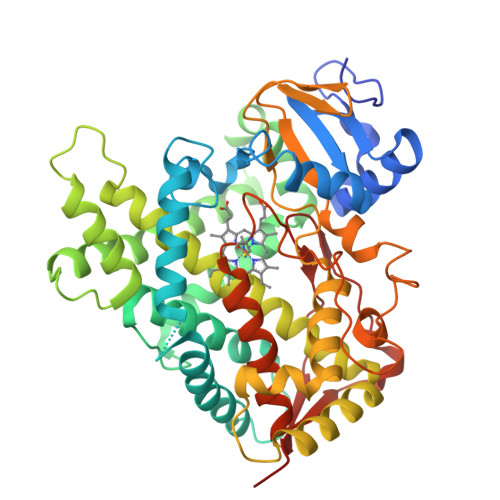
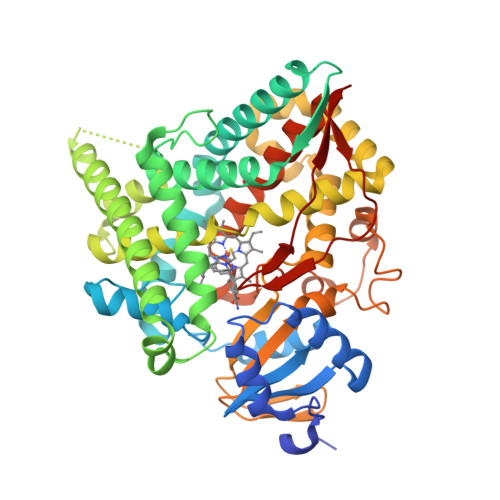
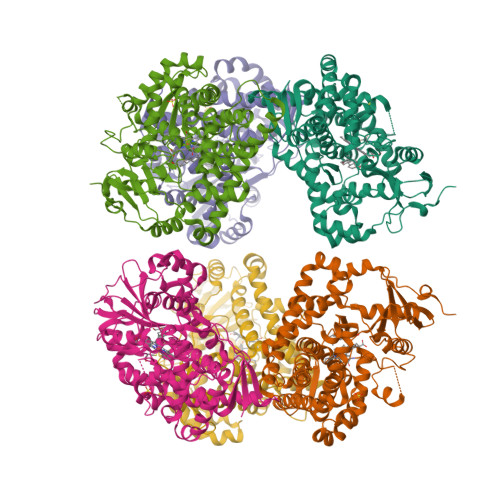
Cytochrome P450 2A6 structureClick to view 3D structureCytochrome P450 2A6P11509HumansPredicted (SEA)
Prediction Confidence Score
0.345
Applicability Domain
0.458
Statistical Significance
4.00e-04
Supporting Reference Compounds
68
E-value
3.11397
Cytochrome P450 2D6 structureClick to view 3D structureCytochrome P450 2D6P10635HumansPredicted (SEA)
Prediction Confidence Score
0.327
Applicability Domain
0.389
Statistical Significance
0.0537
Supporting Reference Compounds
1130
E-value
417.895
Cytochrome P450 1A2 structureClick to view 3D structureCytochrome P450 1A2P05177HumansPredicted (SEA)
Prediction Confidence Score
0.325
Applicability Domain
0.389
Statistical Significance
0.0384
Supporting Reference Compounds
793
E-value
298.863
Cytochrome P450 2E1 structureClick to view 3D structureCytochrome P450 2E1P05181HumansPredicted (SEA)
Prediction Confidence Score
0.314
Applicability Domain
0.344
Statistical Significance
3.50e-04
Supporting Reference Compounds
31
E-value
2.72472
Cytochrome P450 3A4 structureClick to view 3D structureCytochrome P450 3A4P08684HumansPredicted (SEA)
Prediction Confidence Score
0.311
Applicability Domain
0.324
Statistical Significance
0.1303
Supporting Reference Compounds
1538
E-value
1014.3
Click to view 3D structureTryptophan 2,3-dioxygenaseP21643Rattus norvegicusPredicted (SEA)
Prediction Confidence Score
0.306
Applicability Domain
0.349
Statistical Significance
1.20e-04
Supporting Reference Compounds
3
E-value
0.934191
Cytochrome P450 2C19 structureClick to view 3D structureCytochrome P450 2C19P33261HumansPredicted (SEA)
Prediction Confidence Score
0.305
Applicability Domain
0.324
Statistical Significance
0.0613
Supporting Reference Compounds
825
E-value
476.982
Cytochrome P450 2C9 structureClick to view 3D structureCytochrome P450 2C9P11712HumansPredicted (SEA)
Prediction Confidence Score
0.303
Applicability Domain
0.324
Statistical Significance
0.1236
Supporting Reference Compounds
1245
E-value
962.061
Dual specificity tyrosine-phosphorylation-regulated kinase 1A structureClick to view 3D structureDual specificity tyrosine-phosphorylation-regulated kinase 1AQ13627HumansPredicted (SEA)
Prediction Confidence Score
0.297
Applicability Domain
0.366
Statistical Significance
0.107
Supporting Reference Compounds
906
E-value
832.987
Death-associated protein kinase 3 structureClick to view 3D structureDeath-associated protein kinase 3O43293HumansPredicted (SEA)
Prediction Confidence Score
0.293
Applicability Domain
0.366
Statistical Significance
0.0899
Supporting Reference Compounds
599
E-value
699.709
Cytochrome P450 2B6 structureClick to view 3D structureCytochrome P450 2B6P20813HumansPredicted (SEA)
Prediction Confidence Score
0.292
Applicability Domain
0.306
Statistical Significance
0.006
Supporting Reference Compounds
150
E-value
46.7095
Click to view 3D structureCytochrome P450 2A5P20852Mus musculusPredicted (SEA)
Prediction Confidence Score
0.291
Applicability Domain
0.306
Statistical Significance
3.10e-04
Supporting Reference Compounds
11
E-value
2.41333
Vascular endothelial growth factor receptor 2 structureClick to view 3D structureVascular endothelial growth factor receptor 2P35968HumansPredicted (SEA)
Prediction Confidence Score
0.29
Applicability Domain
0.366
Statistical Significance
0.1856
Supporting Reference Compounds
1660
E-value
1444.57
Cytochrome P450 11B1, mitochondrial structureClick to view 3D structureCytochrome P450 11B1, mitochondrialP15538HumansPredicted (SEA)
Prediction Confidence Score
0.29
Applicability Domain
0.341
Statistical Significance
0.0043
Supporting Reference Compounds
66
E-value
33.3195
Cytochrome P450 11B2, mitochondrial structureClick to view 3D structureCytochrome P450 11B2, mitochondrialP19099HumansPredicted (SEA)
Prediction Confidence Score
0.29
Applicability Domain
0.341
Statistical Significance
0.0044
Supporting Reference Compounds
62
E-value
34.4094
Glycogen synthase kinase-3 beta structureClick to view 3D structureGlycogen synthase kinase-3 betaP49841HumansPredicted (SEA)
Prediction Confidence Score
0.289
Applicability Domain
0.405
Statistical Significance
0.1645
Supporting Reference Compounds
1157
E-value
1281.01
Cytochrome P450 1B1 structureClick to view 3D structureCytochrome P450 1B1Q16678HumansPredicted (SEA)
Prediction Confidence Score
0.283
Applicability Domain
0.389
Statistical Significance
0.0113
Supporting Reference Compounds
88
E-value
87.6582
Click to view 3D structureLycopene beta-cyclaseP21687Pantoea ananasPredicted (SEA)
Prediction Confidence Score
0.282
Applicability Domain
0.282 Low confidence
Statistical Significance
6.40e-04
Supporting Reference Compounds
1
E-value
4.98235
Fibroblast growth factor receptor 1 structureClick to view 3D structureFibroblast growth factor receptor 1P11362HumansPredicted (SEA)
Prediction Confidence Score
0.28
Applicability Domain
0.366
Statistical Significance
0.1759
Supporting Reference Compounds
1010
E-value
1369.52
Muscarinic acetylcholine receptor M2 structureClick to view 3D structureMuscarinic acetylcholine receptor M2P08172HumansPredicted (SEA)
Prediction Confidence Score
0.278
Applicability Domain
0.429
Statistical Significance
0.0537
Supporting Reference Compounds
373
E-value
418.128
Aromatase structureClick to view 3D structureAromataseP11511HumansPredicted (SEA)
Prediction Confidence Score
0.276
Applicability Domain
0.341
Statistical Significance
0.0149
Supporting Reference Compounds
127
E-value
116.151
Click to view 3D structureNeuronal acetylcholine receptor subunit alpha-7Q05941Rattus norvegicusPredicted (SEA)
Prediction Confidence Score
0.274
Applicability Domain
0.333
Statistical Significance
0.0043
Supporting Reference Compounds
55
E-value
33.3973
Casein kinase I isoform delta structureClick to view 3D structureCasein kinase I isoform deltaP48730HumansPredicted (SEA)
Prediction Confidence Score
0.273
Applicability Domain
0.366
Statistical Significance
0.1525
Supporting Reference Compounds
637
E-value
1186.89
Mitogen-activated protein kinase 1 structureClick to view 3D structureMitogen-activated protein kinase 1P28482HumansPredicted (SEA)
Prediction Confidence Score
0.273
Applicability Domain
0.366
Statistical Significance
0.173
Supporting Reference Compounds
763
E-value
1346.71
5-hydroxytryptamine receptor 2A structureClick to view 3D structure5-hydroxytryptamine receptor 2AP28223HumansPredicted (SEA)
Prediction Confidence Score
0.267
Applicability Domain
0.429
Statistical Significance
0.1842
Supporting Reference Compounds
955
E-value
1433.83
Concentrations
Not Available
External Links
IdentifiersNot Available
References
Synthesis ReferenceNot Available
MSDSNot Available
General ReferencesNot Available