 Click to view 3D structure | Solute carrier family 22 member 2 | O70577 | Mus musculus | Predicted (SEA) | - Prediction Confidence Score
- 0.328
- Applicability Domain
- 0.889
- Statistical Significance
- 1.00e-05
- Supporting Reference Compounds
- 3
- E-value
- 0.0778492
|
| Click to view 3D structure | Solute carrier family 22 member 1 | O08966 | Mus musculus | Predicted (SEA) | - Prediction Confidence Score
- 0.285
- Applicability Domain
- 0.889
- Statistical Significance
- 1.00e-05
- Supporting Reference Compounds
- 6
- E-value
- 0.0778492
|
| Click to view 3D structure | Phospholipase B | Q9P8P2 | Cryptococcus neoformans | Predicted (SEA) | - Prediction Confidence Score
- 0.278
- Applicability Domain
- 0.278 Low confidence
- Statistical Significance
- 1.70e-04
- Supporting Reference Compounds
- 1
- E-value
- 1.32344
|
| Click to view 3D structure | Solute carrier family 22 member 2 | Q9R0W2 | Rattus norvegicus | Predicted (SEA) | - Prediction Confidence Score
- 0.224
- Applicability Domain
- 0.357
- Statistical Significance
- 0.0012
- Supporting Reference Compounds
- 14
- E-value
- 9.18621
|
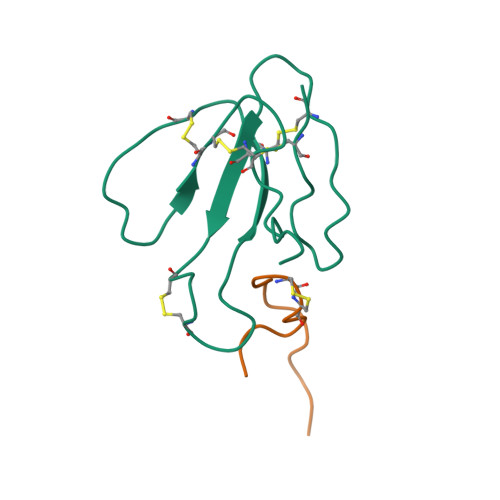 Click to view 3D structure | Neuronal acetylcholine receptor subunit alpha-7 | P22770 | Gallus gallus | Predicted (SEA) | - Prediction Confidence Score
- 0.206
- Applicability Domain
- 0.206 Low confidence
- Statistical Significance
- 0.0086
- Supporting Reference Compounds
- 1
- E-value
- 67.106
|
| Click to view 3D structure | Carbamate kinase | O97438 | Giardia intestinalis | Predicted (SEA) | - Prediction Confidence Score
- 0.19
- Applicability Domain
- 0.19 Low confidence
- Statistical Significance
- 1.90e-04
- Supporting Reference Compounds
- 1
- E-value
- 1.47914
|
| Click to view 3D structure | Solute carrier family 22 member 1 | Q63089 | Rattus norvegicus | Predicted (SEA) | - Prediction Confidence Score
- 0.169
- Applicability Domain
- 0.313
- Statistical Significance
- 0.0371
- Supporting Reference Compounds
- 17
- E-value
- 288.587
|
 Click to view 3D structure | Gasdermin-D | P57764 | Humans | Predicted (SEA) | - Prediction Confidence Score
- 0.167
- Applicability Domain
- 0.19 Low confidence
- Statistical Significance
- 3.30e-04
- Supporting Reference Compounds
- 2
- E-value
- 2.56902
|
 Click to view 3D structure | Gasdermin-D | Q9D8T2 | Mus musculus | Predicted (SEA) | - Prediction Confidence Score
- 0.167
- Applicability Domain
- 0.19 Low confidence
- Statistical Significance
- 3.30e-04
- Supporting Reference Compounds
- 2
- E-value
- 2.56902
|
| Click to view 3D structure | Sodium- and chloride-dependent creatine transporter 1 | P28570 | Rattus norvegicus | Predicted (SEA) | - Prediction Confidence Score
- 0.16
- Applicability Domain
- 0.16 Low confidence
- Statistical Significance
- 0.0047
- Supporting Reference Compounds
- 1
- E-value
- 36.8227
|
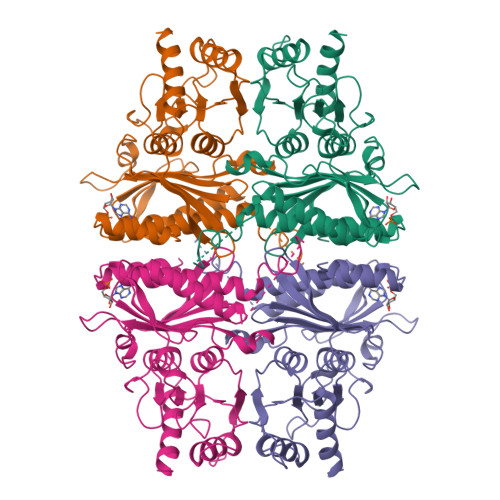 Click to view 3D structure | Fructose-1,6-bisphosphatase 1 | P09467 | Humans | Predicted (SEA) | - Prediction Confidence Score
- 0.133
- Applicability Domain
- 0.19 Low confidence
- Statistical Significance
- 0.5781
- Supporting Reference Compounds
- 28
- E-value
- 4500.46
|
 Click to view 3D structure | Acetylcholinesterase | P22303 | Humans | Predicted (SEA) | - Prediction Confidence Score
- 0.132
- Applicability Domain
- 0.176 Low confidence
- Statistical Significance
- 0.9964
- Supporting Reference Compounds
- 406
- E-value
- 7756.58
|
 Click to view 3D structure | Monoglyceride lipase | Q99685 | Humans | Predicted (SEA) | - Prediction Confidence Score
- 0.129
- Applicability Domain
- 0.19 Low confidence
- Statistical Significance
- 0.9614
- Supporting Reference Compounds
- 76
- E-value
- 7484.66
|
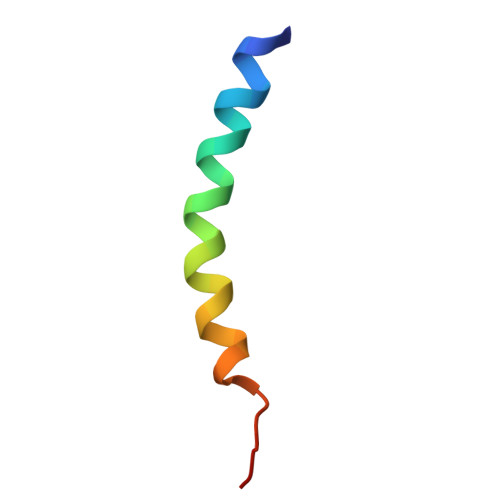 Click to view 3D structure | Alpha-2A adrenergic receptor | P08913 | Humans | Predicted (SEA) | - Prediction Confidence Score
- 0.128
- Applicability Domain
- 0.19 Low confidence
- Statistical Significance
- 0.9985
- Supporting Reference Compounds
- 487
- E-value
- 7773.63
|
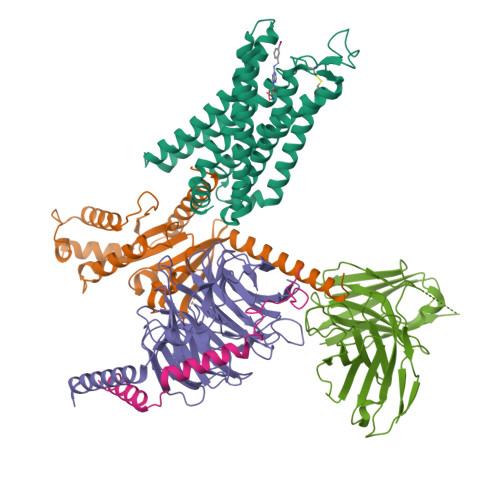 Click to view 3D structure | Adenosine receptor A3 | P0DMS8 | Humans | Predicted (SEA) | - Prediction Confidence Score
- 0.128
- Applicability Domain
- 0.19 Low confidence
- Statistical Significance
- 0.9974
- Supporting Reference Compounds
- 391
- E-value
- 7764.76
|
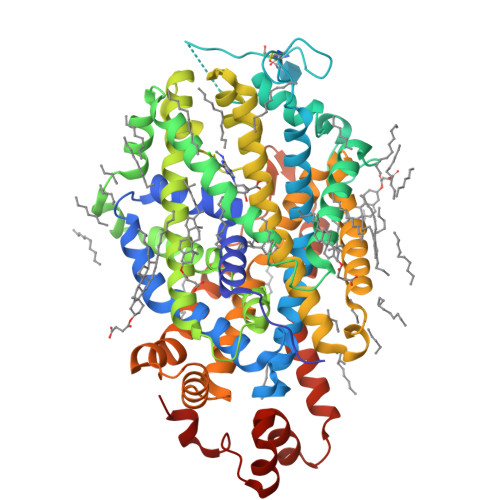 Click to view 3D structure | Sodium-dependent dopamine transporter | Q01959 | Humans | Predicted (SEA) | - Prediction Confidence Score
- 0.128
- Applicability Domain
- 0.19 Low confidence
- Statistical Significance
- 0.9985
- Supporting Reference Compounds
- 506
- E-value
- 7773.63
|
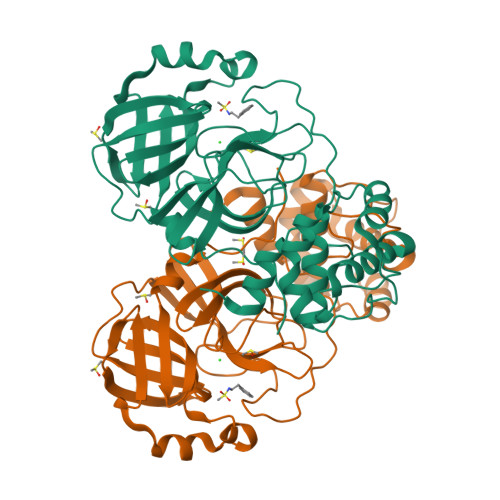 Click to view 3D structure | Replicase polyprotein 1ab | P0DTD1 | SARS-CoV-2 | Predicted (SEA) | - Prediction Confidence Score
- 0.127
- Applicability Domain
- 0.19 Low confidence
- Statistical Significance
- 0.9978
- Supporting Reference Compounds
- 215
- E-value
- 7767.64
|
 Click to view 3D structure | Liver carboxylesterase 1 | P23141 | Humans | Predicted (SEA) | - Prediction Confidence Score
- 0.127
- Applicability Domain
- 0.138 Low confidence
- Statistical Significance
- 0.8276
- Supporting Reference Compounds
- 55
- E-value
- 6443.19
|
 Click to view 3D structure | Liver carboxylesterase | Q29550 | Sus scrofa | Predicted (SEA) | - Prediction Confidence Score
- 0.127
- Applicability Domain
- 0.138 Low confidence
- Statistical Significance
- 0.5396
- Supporting Reference Compounds
- 20
- E-value
- 4200.98
|
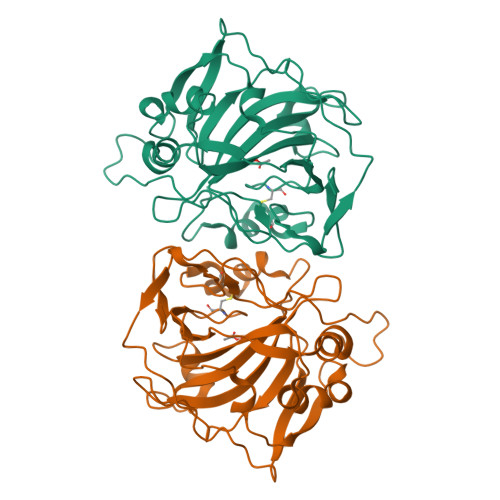 Click to view 3D structure | Carbonic anhydrase 12 | O43570 | Humans | Predicted (SEA) | - Prediction Confidence Score
- 0.126
- Applicability Domain
- 0.136 Low confidence
- Statistical Significance
- 0.9939
- Supporting Reference Compounds
- 332
- E-value
- 7737.43
|
 Click to view 3D structure | All-trans-retinol dehydrogenase [NAD(+)] ADH7 | P40394 | Humans | Predicted (SEA) | - Prediction Confidence Score
- 0.125
- Applicability Domain
- 0.125 Low confidence
- Statistical Significance
- 0.0221
- Supporting Reference Compounds
- 1
- E-value
- 172.358
|
| Click to view 3D structure | Fatty-acid amide hydrolase 1 | O00519 | Humans | Predicted (SEA) | - Prediction Confidence Score
- 0.125
- Applicability Domain
- 0.129 Low confidence
- Statistical Significance
- 0.988
- Supporting Reference Compounds
- 106
- E-value
- 7691.19
|
 Click to view 3D structure | Muscarinic acetylcholine receptor M1 | P11229 | Humans | Predicted (SEA) | - Prediction Confidence Score
- 0.124
- Applicability Domain
- 0.139 Low confidence
- Statistical Significance
- 0.9986
- Supporting Reference Compounds
- 385
- E-value
- 7774.18
|
 Click to view 3D structure | Muscarinic acetylcholine receptor M3 | P20309 | Humans | Predicted (SEA) | - Prediction Confidence Score
- 0.124
- Applicability Domain
- 0.139 Low confidence
- Statistical Significance
- 0.9982
- Supporting Reference Compounds
- 310
- E-value
- 7771.22
|
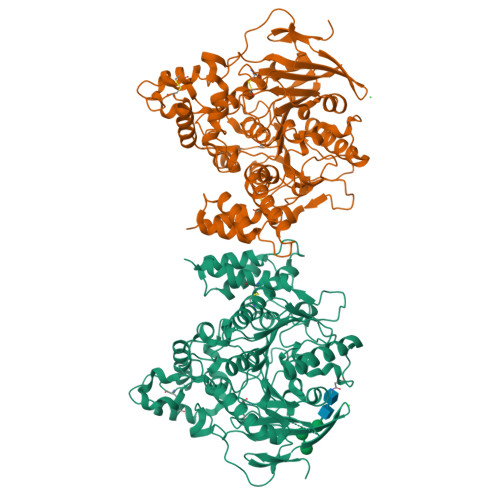 Click to view 3D structure | Acetylcholinesterase | P07140 | Drosophila melanogaster | Predicted (SEA) | - Prediction Confidence Score
- 0.123
- Applicability Domain
- 0.154 Low confidence
- Statistical Significance
- 0.0285
- Supporting Reference Compounds
- 2
- E-value
- 221.948
|

