 Click to view 3D structure | Acetylcholinesterase | P22303 | Humans | Predicted (SEA) | - Prediction Confidence Score
- 0.061
- Applicability Domain
- 0.1 Low confidence
- Statistical Significance
- 1.0
- Supporting Reference Compounds
- 406
- E-value
- 7784.61
|
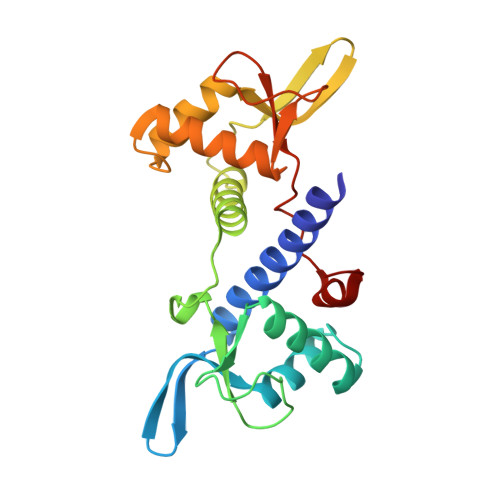 Click to view 3D structure | DEP domain-containing mTOR-interacting protein | Q8TB45 | Humans | Predicted (SEA) | - Prediction Confidence Score
- 0.057
- Applicability Domain
- 0.071 Low confidence
- Statistical Significance
- 0.4058
- Supporting Reference Compounds
- 2
- E-value
- 3159.35
|
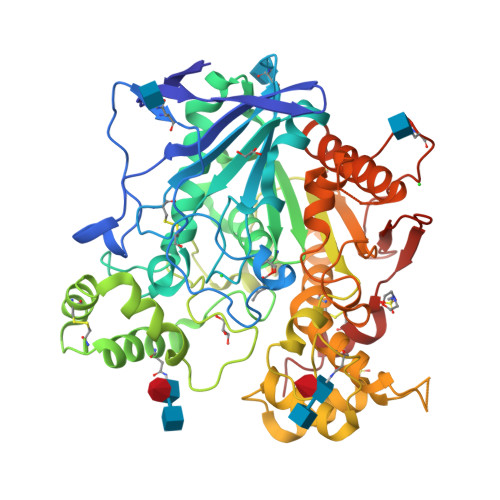 Click to view 3D structure | Cholinesterase | P06276 | Humans | Predicted (SEA) | - Prediction Confidence Score
- 0.055
- Applicability Domain
- 0.1 Low confidence
- Statistical Significance
- 1.0
- Supporting Reference Compounds
- 234
- E-value
- 7784.61
|
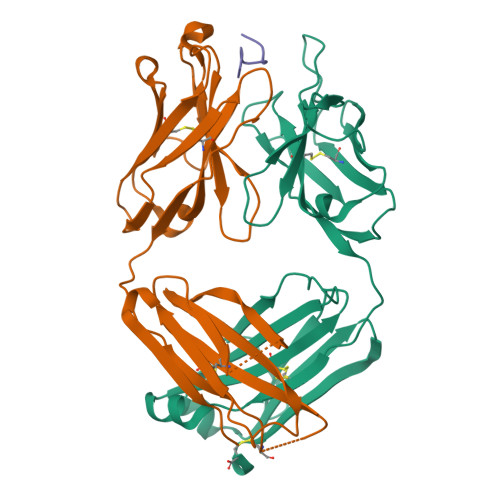 Click to view 3D structure | Carbonic anhydrase 9 | Q16790 | Humans | Predicted (SEA) | - Prediction Confidence Score
- 0.052
- Applicability Domain
- 0.08 Low confidence
- Statistical Significance
- 1.0
- Supporting Reference Compounds
- 372
- E-value
- 7784.92
|
 Click to view 3D structure | Carbonic anhydrase 2 | P00918 | Humans | Predicted (SEA) | - Prediction Confidence Score
- 0.052
- Applicability Domain
- 0.08 Low confidence
- Statistical Significance
- 1.0
- Supporting Reference Compounds
- 472
- E-value
- 7784.77
|
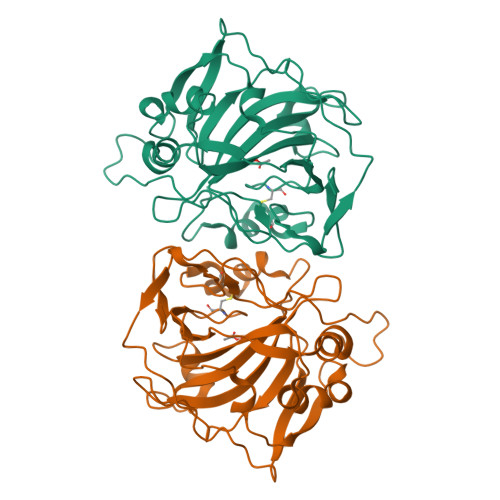 Click to view 3D structure | Carbonic anhydrase 12 | O43570 | Humans | Predicted (SEA) | - Prediction Confidence Score
- 0.052
- Applicability Domain
- 0.08 Low confidence
- Statistical Significance
- 1.0
- Supporting Reference Compounds
- 332
- E-value
- 7784.69
|
 Click to view 3D structure | Carbonic anhydrase 1 | P00915 | Humans | Predicted (SEA) | - Prediction Confidence Score
- 0.052
- Applicability Domain
- 0.08 Low confidence
- Statistical Significance
- 1.0
- Supporting Reference Compounds
- 407
- E-value
- 7784.92
|
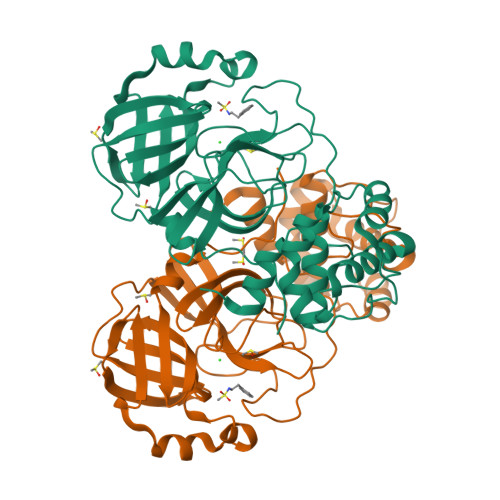 Click to view 3D structure | Replicase polyprotein 1ab | P0DTD1 | SARS-CoV-2 | Predicted (SEA) | - Prediction Confidence Score
- 0.048
- Applicability Domain
- 0.1 Low confidence
- Statistical Significance
- 1.0
- Supporting Reference Compounds
- 215
- E-value
- 7784.69
|
 Click to view 3D structure | Liver carboxylesterase 1 | P23141 | Humans | Predicted (SEA) | - Prediction Confidence Score
- 0.046
- Applicability Domain
- 0.1 Low confidence
- Statistical Significance
- 0.9999
- Supporting Reference Compounds
- 55
- E-value
- 7784.38
|
 Click to view 3D structure | 5-hydroxytryptamine receptor 2B | P41595 | Humans | Predicted (SEA) | - Prediction Confidence Score
- 0.046
- Applicability Domain
- 0.059 Low confidence
- Statistical Significance
- 1.0
- Supporting Reference Compounds
- 686
- E-value
- 7784.61
|
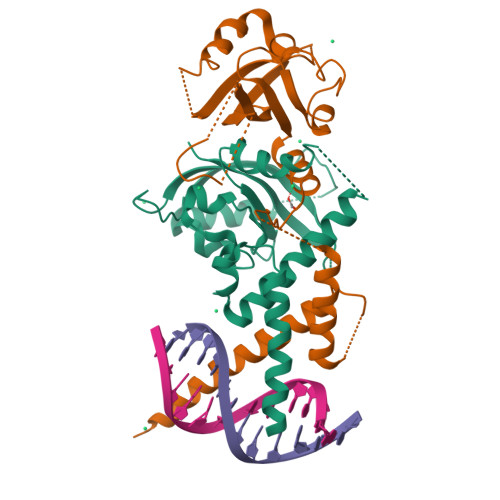 Click to view 3D structure | Aryl hydrocarbon receptor | P35869 | Humans | Predicted (SEA) | - Prediction Confidence Score
- 0.045
- Applicability Domain
- 0.071 Low confidence
- Statistical Significance
- 0.9999
- Supporting Reference Compounds
- 42
- E-value
- 7783.91
|
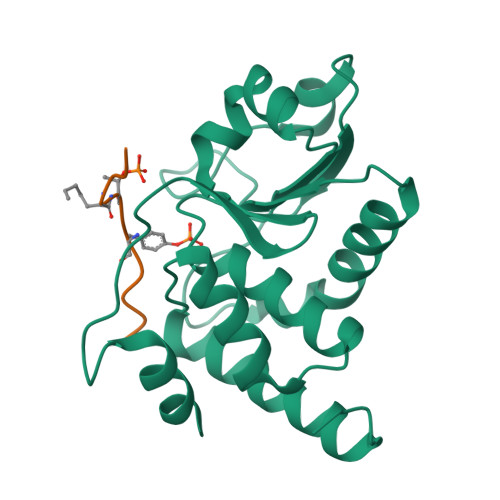 Click to view 3D structure | Dual specificity protein phosphatase 3 | P51452 | Humans | Predicted (SEA) | - Prediction Confidence Score
- 0.044
- Applicability Domain
- 0.071 Low confidence
- Statistical Significance
- 1.0
- Supporting Reference Compounds
- 147
- E-value
- 7784.69
|
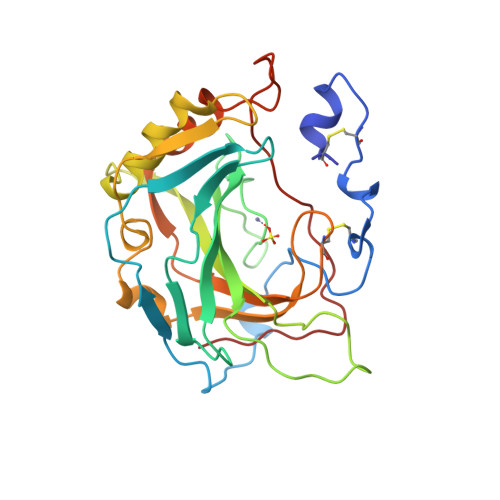 Click to view 3D structure | Carbonic anhydrase 4 | P22748 | Humans | Predicted (SEA) | - Prediction Confidence Score
- 0.044
- Applicability Domain
- 0.053 Low confidence
- Statistical Significance
- 1.0
- Supporting Reference Compounds
- 193
- E-value
- 7784.69
|
 Click to view 3D structure | Carbonic anhydrase 5A, mitochondrial | P35218 | Humans | Predicted (SEA) | - Prediction Confidence Score
- 0.044
- Applicability Domain
- 0.053 Low confidence
- Statistical Significance
- 1.0
- Supporting Reference Compounds
- 165
- E-value
- 7784.69
|
 Click to view 3D structure | Retinoic acid receptor RXR-alpha | P19793 | Humans | Predicted (SEA) | - Prediction Confidence Score
- 0.044
- Applicability Domain
- 0.045 Low confidence
- Statistical Significance
- 0.9999
- Supporting Reference Compounds
- 82
- E-value
- 7784.53
|
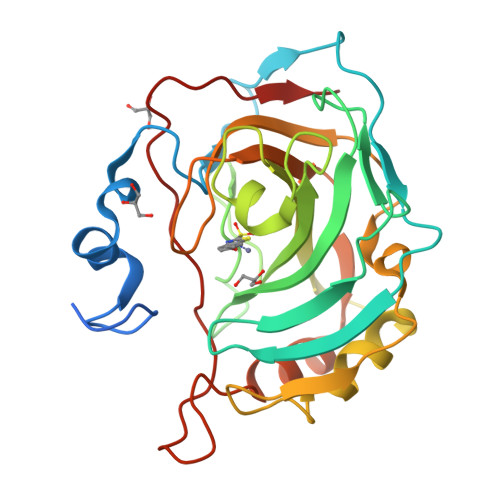 Click to view 3D structure | Carbonic anhydrase 7 | P43166 | Humans | Predicted (SEA) | - Prediction Confidence Score
- 0.043
- Applicability Domain
- 0.053 Low confidence
- Statistical Significance
- 1.0
- Supporting Reference Compounds
- 242
- E-value
- 7784.77
|
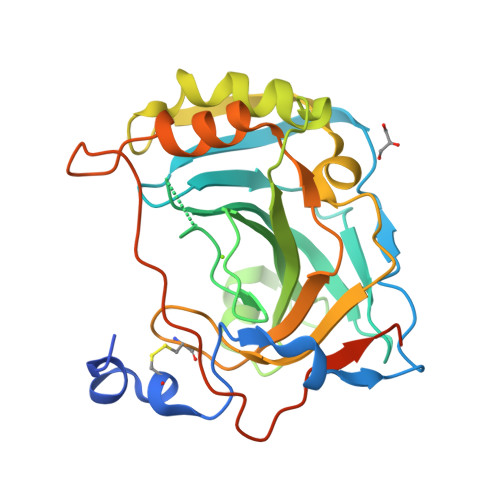 Click to view 3D structure | Carbonic anhydrase 6 | P23280 | Humans | Predicted (SEA) | - Prediction Confidence Score
- 0.043
- Applicability Domain
- 0.053 Low confidence
- Statistical Significance
- 1.0
- Supporting Reference Compounds
- 151
- E-value
- 7784.61
|
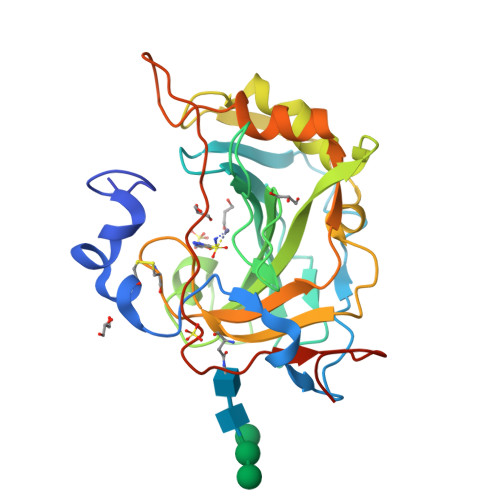 Click to view 3D structure | Carbonic anhydrase 14 | Q9ULX7 | Humans | Predicted (SEA) | - Prediction Confidence Score
- 0.043
- Applicability Domain
- 0.053 Low confidence
- Statistical Significance
- 1.0
- Supporting Reference Compounds
- 172
- E-value
- 7784.69
|
| Click to view 3D structure | Carbonic anhydrase 5B, mitochondrial | Q9Y2D0 | Humans | Predicted (SEA) | - Prediction Confidence Score
- 0.043
- Applicability Domain
- 0.053 Low confidence
- Statistical Significance
- 1.0
- Supporting Reference Compounds
- 157
- E-value
- 7784.69
|
 Click to view 3D structure | Prostaglandin G/H synthase 2 | P35354 | Humans | Predicted (SEA) | - Prediction Confidence Score
- 0.043
- Applicability Domain
- 0.048 Low confidence
- Statistical Significance
- 1.0
- Supporting Reference Compounds
- 201
- E-value
- 7784.69
|
| Click to view 3D structure | Protoporphyrinogen IX oxidase | Q9SPL6 | Cichorium intybus | Predicted (SEA) | - Prediction Confidence Score
- 0.043
- Applicability Domain
- 0.05 Low confidence
- Statistical Significance
- 0.9907
- Supporting Reference Compounds
- 2
- E-value
- 7712.6
|
 Click to view 3D structure | Vascular endothelial growth factor receptor 1 | P17948 | Humans | Predicted (SEA) | - Prediction Confidence Score
- 0.043
- Applicability Domain
- 0.071 Low confidence
- Statistical Significance
- 1.0
- Supporting Reference Compounds
- 711
- E-value
- 7784.69
|
 Click to view 3D structure | Mannose-6-phosphate isomerase | P34948 | Candida albicans (strain SC5314 / ATCC MYA-2876) (Yeast) | Predicted (SEA) | - Prediction Confidence Score
- 0.043
- Applicability Domain
- 0.043 Low confidence
- Statistical Significance
- 0.9977
- Supporting Reference Compounds
- 1
- E-value
- 7766.86
|
 Click to view 3D structure | Mitogen-activated protein kinase 1 | P28482 | Humans | Predicted (SEA) | - Prediction Confidence Score
- 0.042
- Applicability Domain
- 0.048 Low confidence
- Statistical Significance
- 1.0
- Supporting Reference Compounds
- 763
- E-value
- 7784.69
|
| Click to view 3D structure | Cocaine esterase | O00748 | Humans | Predicted (SEA) | - Prediction Confidence Score
- 0.042
- Applicability Domain
- 0.1 Low confidence
- Statistical Significance
- 1.0
- Supporting Reference Compounds
- 40
- E-value
- 7784.61
|

