Digallium trioxide (CED0113202)

Record Information
Version1.0
Creation Date2026-04-05 20:26:42 UTC
Update Date2026-04-05 20:26:42 UTC
SynCED IDCED0113202
Secondary Accession Numbers
  • CHEM108877
Identification
Common NameDigallium trioxide
ClassSmall Molecule
Description
Digallium trioxide is an inorganic compound with the formula Ga2O3. Digallium trioxide belongs to the post-transition metal oxides, a subclass of post-transition metal organides within the inorganic compounds. This substance is classified as a mixed metal/non-metal compound. It has been found in or released from two recorded sources, specifically electrical and electronic equipment such as antennas and amplifiers.
Contaminant TypeNot Available
Chemical Structure
SynonymsNot Available
Chemical FormulaGa2O3
Average Molecular MassNot Available
Monoisotopic MassNot Available
CAS Registry NumberNot Available
IUPAC NameNot Available
Traditional NameNot Available
SMILESNot Available
InChI IdentifierInChI=1/2Ga.3O/rGa2O3/c3-1-5-2-4
InChI KeyQZQVBEXLDFYHSR-UHFFFAOYSA-N
Chemical Taxonomy
ClassificationNot classified
Biological Properties
StatusDetected and Not Quantified
OriginNot Available
Cellular LocationsNot Available
Biofluid LocationsNot Available
Tissue LocationsNot Available
ApplicationsNot Available
Biological RolesNot Available
Chemical RolesNot Available
Organoleptic EffectsNot Available
Physical Properties
StateNot Available
AppearanceNot Available
Experimental Properties
PropertyValue
Melting PointNot Available
Boiling PointNot Available
SolubilityNot Available
Predicted PropertiesNot Available
Spectra
SpectraNot Available
Toxicity Profile
Toxicity ValuesNot Available
Toxicity / Toxin ClassNot Available
Mechanism of ToxicityNot Available
Carcinogenicity (IARC Classification)Not Available
Minimum Risk LevelNot Available
SymptomsNot Available
TreatmentNot Available
Health Effects
Health EffectRelationshipDirectionDescriptionReference
Exposure Sources
Source IDSourceSectorReference
CEDs000505Amplifiers?Amplifiers, commonly used in various electronic devices to enhance signal strength, can be a source of synthetic chemical contamination due to the materials and processes involved in their production and disposal.Electrical & Electronic EquipmentPubChem
CEDs000506Antennas?Antennas, commonly used in communication technologies, can be a source of synthetic chemical contamination through the materials and coatings used in their construction.Electrical & Electronic EquipmentPubChem
CEDs000511Conductors Or Conductive Bodies Characterised By The Conductive Materials?Conductors, or conductive bodies, are materials that allow the flow of electrical current, typically made from metals such as copper, aluminum, or silver.Electrical & Electronic EquipmentPubChem
CEDs000514Discharge Lamps?Discharge lamps, including fluorescent and high-intensity discharge (HID) lamps, are commonly used for lighting applications due to their energy efficiency and brightness.Electrical & Electronic EquipmentPubChem
CEDs000517Electric Switches?Electric switches, integral components in numerous devices, can be a source of synthetic chemical contamination due to the materials and manufacturing processes involved in their production.Electrical & Electronic EquipmentPubChem
CEDs000518Electrically Stimulated Smoking Devices?Electrically stimulated smoking devices, commonly known as e-cigarettes or vape pens, utilize electrical components to heat a liquid solution, often containing nicotine, flavorings, and other additives, to produce an aerosol for inhalation.Electrical & Electronic EquipmentPubChem
CEDs000519Electrodes?Electrodes, used in various electrical and electronic applications, can be a source of synthetic chemical contamination due to the materials from which they are constructed and the processes involved in their manufacturing.Electrical & Electronic EquipmentPubChem
CEDs000521Fixed Capacitors And Their Manufacture?Fixed capacitors are passive electronic components used to store and release electrical energy, playing a critical role in various circuits.Electrical & Electronic EquipmentPubChem
CEDs000524Hybrid Capacitors?Hybrid capacitors are energy storage devices that combine the properties of electrolytic and supercapacitors, utilizing a combination of electrochemical principles to achieve higher energy density and power density.Electrical & Electronic EquipmentPubChem
CEDs000530Radio Transmission Systems?Radio transmission systems utilize a variety of synthetic chemicals in their manufacturing and maintenance processes.Electrical & Electronic EquipmentPubChem
CEDs000555Bleaching Agents?Bleaching agents are chemical substances used to whiten or lighten materials, often employed in various cleaning products for their stain removal and disinfecting properties.Household cleaning & consumer productsPubChem
CEDs000581Paper Making Machines?Paper making machines utilize various synthetic chemicals throughout the production process, including additives, coatings, and bleaching agents.Industrial manufacturing & chemical processingPubChem
CEDs000685Ceramics?Ceramics can be a source of synthetic chemical contamination through various additives and processing agents used in their production.Building & ConstructionPubChem
CEDs000686Clay Wares?Clay wares are ceramic products made from natural clay, often utilized in various construction applications such as tiles, bricks, and sanitary ware.Building & ConstructionPubChem
CEDs000688Glass Coatings?Glass coatings are synthetic chemical formulations applied to glass surfaces to enhance properties such as durability, UV resistance, and aesthetic appeal.Building & ConstructionPubChem
CEDs000689Glass Fibres?Glass fibres are composed of fine strands of glass, commonly utilized for their tensile strength and lightweight properties.Building & ConstructionPubChem
CEDs000691Non Oxide Glass?Non-oxide glass refers to a category of glasses primarily composed of materials other than silicon dioxide, such as boron oxide or phosphorous oxide.Building & ConstructionPubChem
CEDs000692Silica Free Oxide Glass?Silica Free Oxide Glass is a type of glass that is produced using alternative materials to traditional silica-based formulations.Building & ConstructionPubChem
CEDs000693Silica Glass?Silica glass, primarily composed of silicon dioxide (SiO2), is widely used in various applications, including windows, glass facades, and insulation materials.Building & ConstructionPubChem
CEDs000696Nanotechnology?Nanotechnology involves the manipulation of materials at the molecular or atomic level, typically within the range of 1 to 100 nanometers.Industrial manufacturing & chemical processingPubChem
CEDs000727Printing Machines Or Presses?Printing machines or presses commonly utilize synthetic chemicals such as inks, solvents, and cleaning agents.Paper, pulp & fiber productsPubChem
CEDs000734Coating Compositions?Coating compositions, which include paints, sealants, and varnishes, are formulated with a variety of synthetic chemicals such as solvents, resins, pigments, and additives.Building & ConstructionPubChem
CEDs000739Inks?Inks are complex mixtures composed of pigments or dyes, solvents, resins, and additives used primarily for printing and writing applications.Paper, pulp & fiber productsPubChem
CEDs000740Paper?Paper production involves the processing of wood fibers and the use of various chemicals, which can lead to synthetic chemical contamination.Paper, pulp & fiber productsPubChem
CEDs000741Pigment Pastes?Pigment pastes are concentrated dispersions of pigments used to impart color and properties to materials.Paper, pulp & fiber productsPubChem
CEDs000744Water, Wastewater, & Sewage Treatment?Water, wastewater, and sewage treatment processes are critical for managing and mitigating pollutants in water systems.Wastewater, sanitation & biosolidsPubChem
Pathways
0 pathwaysPathway Source: PathBank

No pathways found

No metabolic pathways have been associated with this synthetic chemical

Targets
StructureProteinUniProt IDOrganismRelationshipDetails
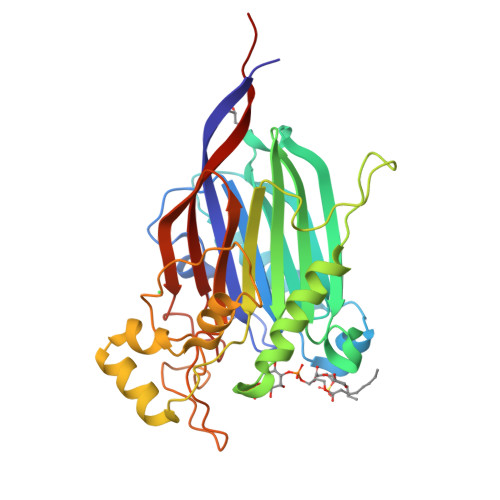
Click to view 3D structureInositol 1,4,5-trisphosphate-gated calcium channel ITPR3Q8WN95Bos taurusPredicted (SEA)
Prediction Confidence Score
0.091
Applicability Domain
0.091 Low confidence
Statistical Significance
0.0136
Supporting Reference Compounds
1
E-value
106.264
Phosphatidylinositol 3,4,5-trisphosphate 5-phosphatase 2 structureClick to view 3D structurePhosphatidylinositol 3,4,5-trisphosphate 5-phosphatase 2Q6P549Mus musculusPredicted (SEA)
Prediction Confidence Score
0.091
Applicability Domain
0.091 Low confidence
Statistical Significance
0.2368
Supporting Reference Compounds
1
E-value
1843.31
Type II inositol 1,4,5-trisphosphate 5-phosphatase structureClick to view 3D structureType II inositol 1,4,5-trisphosphate 5-phosphataseP32019HumansPredicted (SEA)
Prediction Confidence Score
0.091
Applicability Domain
0.091 Low confidence
Statistical Significance
0.2368
Supporting Reference Compounds
1
E-value
1843.31
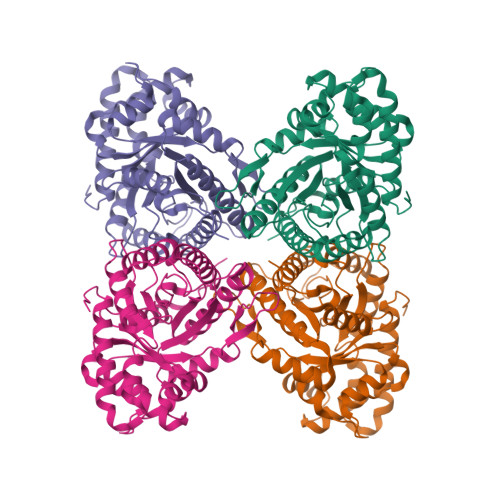
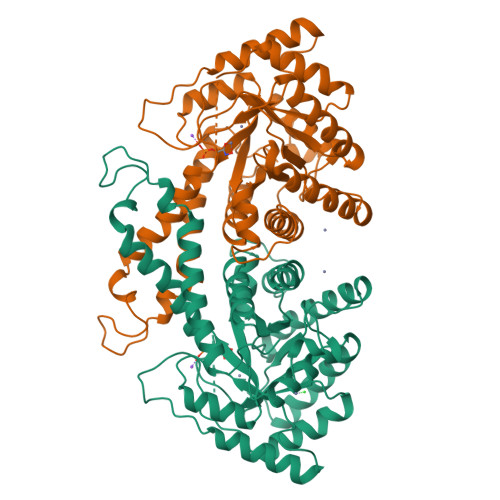
Fructose-bisphosphate aldolase A structureClick to view 3D structureFructose-bisphosphate aldolase AP00883Oryctolagus cuniculusPredicted (SEA)
Prediction Confidence Score
0.085
Applicability Domain
0.094 Low confidence
Statistical Significance
0.1225
Supporting Reference Compounds
2
E-value
953.731
Inositol-trisphosphate 3-kinase A structureClick to view 3D structureInositol-trisphosphate 3-kinase AP17105Rattus norvegicusPredicted (SEA)
Prediction Confidence Score
0.083
Applicability Domain
0.083 Low confidence
Statistical Significance
0.0207
Supporting Reference Compounds
1
E-value
161.381
Click to view 3D structureInositol polyphosphate-5-phosphatase AQ14642HumansPredicted (SEA)
Prediction Confidence Score
0.08
Applicability Domain
0.091 Low confidence
Statistical Significance
0.1008
Supporting Reference Compounds
2
E-value
784.564
Fatty acid synthase structureClick to view 3D structureFatty acid synthaseP49327HumansPredicted (SEA)
Prediction Confidence Score
0.079
Applicability Domain
0.081 Low confidence
Statistical Significance
0.9998
Supporting Reference Compounds
117
E-value
7783.05
Carbonic anhydrase 1 structureClick to view 3D structureCarbonic anhydrase 1P00915HumansPredicted (SEA)
Prediction Confidence Score
0.078
Applicability Domain
0.091 Low confidence
Statistical Significance
1.0
Supporting Reference Compounds
407
E-value
7784.84
Click to view 3D structureDNA damage-inducible transcript 3 proteinP35639Mus musculusPredicted (SEA)
Prediction Confidence Score
0.077
Applicability Domain
0.081 Low confidence
Statistical Significance
0.9999
Supporting Reference Compounds
226
E-value
7784.07
X-box-binding protein 1 structureClick to view 3D structureX-box-binding protein 1P17861HumansPredicted (SEA)
Prediction Confidence Score
0.077
Applicability Domain
0.081 Low confidence
Statistical Significance
0.9999
Supporting Reference Compounds
227
E-value
7784.07
Fructose-bisphosphate aldolase, glycosomal structureClick to view 3D structureFructose-bisphosphate aldolase, glycosomalP07752Trypanosoma brucei bruceiPredicted (SEA)
Prediction Confidence Score
0.077
Applicability Domain
0.094 Low confidence
Statistical Significance
0.1377
Supporting Reference Compounds
2
E-value
1071.67
Carbonic anhydrase 4 structureClick to view 3D structureCarbonic anhydrase 4P22748HumansPredicted (SEA)
Prediction Confidence Score
0.077
Applicability Domain
0.091 Low confidence
Statistical Significance
0.9999
Supporting Reference Compounds
193
E-value
7784.46
Fructose-bisphosphate aldolase class 2 structureClick to view 3D structureFructose-bisphosphate aldolase class 2P0AB71Escherichia coli (strain K12)Predicted (SEA)
Prediction Confidence Score
0.077
Applicability Domain
0.077 Low confidence
Statistical Significance
0.2957
Supporting Reference Compounds
1
E-value
2302.16
Mandelate racemase structureClick to view 3D structureMandelate racemaseP11444Pseudomonas putidaPredicted (SEA)
Prediction Confidence Score
0.077
Applicability Domain
0.077 Low confidence
Statistical Significance
0.6821
Supporting Reference Compounds
1
E-value
5310.17
Inositol 1,4,5-trisphosphate-gated calcium channel ITPR3 structureClick to view 3D structureInositol 1,4,5-trisphosphate-gated calcium channel ITPR3Q14573HumansPredicted (SEA)
Prediction Confidence Score
0.077
Applicability Domain
0.087 Low confidence
Statistical Significance
0.0427
Supporting Reference Compounds
4
E-value
332.65
Carbonic anhydrase 9 structureClick to view 3D structureCarbonic anhydrase 9Q16790HumansPredicted (SEA)
Prediction Confidence Score
0.076
Applicability Domain
0.083 Low confidence
Statistical Significance
1.0
Supporting Reference Compounds
372
E-value
7784.84
Click to view 3D structureType 1 InsP3 receptor isoform S2P79248Sus scrofaPredicted (SEA)
Prediction Confidence Score
0.076
Applicability Domain
0.083 Low confidence
Statistical Significance
0.0363
Supporting Reference Compounds
2
E-value
282.281
Triosephosphate isomerase structureClick to view 3D structureTriosephosphate isomeraseP00939Oryctolagus cuniculusPredicted (SEA)
Prediction Confidence Score
0.075
Applicability Domain
0.077 Low confidence
Statistical Significance
0.1615
Supporting Reference Compounds
2
E-value
1257.58
Carbonic anhydrase 2 structureClick to view 3D structureCarbonic anhydrase 2P00918HumansPredicted (SEA)
Prediction Confidence Score
0.075
Applicability Domain
0.077 Low confidence
Statistical Significance
1.0
Supporting Reference Compounds
472
E-value
7784.77
Click to view 3D structure1-deoxy-D-xylulose-5-phosphate synthaseB7UJP3Escherichia coli O127:H6 (strain E2348/69 / EPEC)Predicted (SEA)
Prediction Confidence Score
0.074
Applicability Domain
0.08 Low confidence
Statistical Significance
0.3664
Supporting Reference Compounds
2
E-value
2852.55
Prothrombin structureClick to view 3D structureProthrombinP00734HumansPredicted (SEA)
Prediction Confidence Score
0.074
Applicability Domain
0.081 Low confidence
Statistical Significance
0.9999
Supporting Reference Compounds
331
E-value
7784.3
Phosphatidylinositol 3,4,5-trisphosphate 5-phosphatase 2 structureClick to view 3D structurePhosphatidylinositol 3,4,5-trisphosphate 5-phosphatase 2O15357HumansPredicted (SEA)
Prediction Confidence Score
0.074
Applicability Domain
0.091 Low confidence
Statistical Significance
0.9812
Supporting Reference Compounds
11
E-value
7638.64
Click to view 3D structureInositol 1,4,5-trisphosphate binding proteinQ62688Rattus norvegicusPredicted (SEA)
Prediction Confidence Score
0.074
Applicability Domain
0.083 Low confidence
Statistical Significance
0.0664
Supporting Reference Compounds
2
E-value
517.23
Pyridoxine-5'-phosphate oxidase structureClick to view 3D structurePyridoxine-5'-phosphate oxidaseQ9NVS9HumansPredicted (SEA)
Prediction Confidence Score
0.073
Applicability Domain
0.073 Low confidence
Statistical Significance
0.8034
Supporting Reference Compounds
1
E-value
6254.64
Click to view 3D structureEquilibrative nucleoside transporter 2O54699Rattus norvegicusPredicted (SEA)
Prediction Confidence Score
0.073
Applicability Domain
0.073 Low confidence
Statistical Significance
0.922
Supporting Reference Compounds
1
E-value
7177.39
Concentrations
Not Available
External Links
IdentifiersNot Available
References
Synthesis ReferenceNot Available
MSDSNot Available
General ReferencesNot Available