 Click to view 3D structure | Isopentenyl-diphosphate Delta-isomerase 1 | O35760 | Rattus norvegicus | Predicted (SEA) | - Prediction Confidence Score
- 0.2
- Applicability Domain
- 0.2 Low confidence
- Statistical Significance
- 2.40e-04
- Supporting Reference Compounds
- 1
- E-value
- 1.86838
|
| Click to view 3D structure | Farnesyl pyrophosphate synthase | P05369 | Rattus norvegicus | Predicted (SEA) | - Prediction Confidence Score
- 0.2
- Applicability Domain
- 0.2 Low confidence
- Statistical Significance
- 2.40e-04
- Supporting Reference Compounds
- 1
- E-value
- 1.86838
|
 Click to view 3D structure | Carbonic anhydrase 1 | P00915 | Humans | Predicted (SEA) | - Prediction Confidence Score
- 0.182
- Applicability Domain
- 0.35
- Statistical Significance
- 0.731
- Supporting Reference Compounds
- 407
- E-value
- 5691.09
|
| Click to view 3D structure | Inositol 1,4,5-trisphosphate-gated calcium channel ITPR3 | Q8WN95 | Bos taurus | Predicted (SEA) | - Prediction Confidence Score
- 0.174
- Applicability Domain
- 0.174 Low confidence
- Statistical Significance
- 4.00e-04
- Supporting Reference Compounds
- 1
- E-value
- 3.11397
|
 Click to view 3D structure | Phosphatidylinositol 3,4,5-trisphosphate 5-phosphatase 2 | Q6P549 | Mus musculus | Predicted (SEA) | - Prediction Confidence Score
- 0.174
- Applicability Domain
- 0.174 Low confidence
- Statistical Significance
- 0.001
- Supporting Reference Compounds
- 1
- E-value
- 7.86277
|
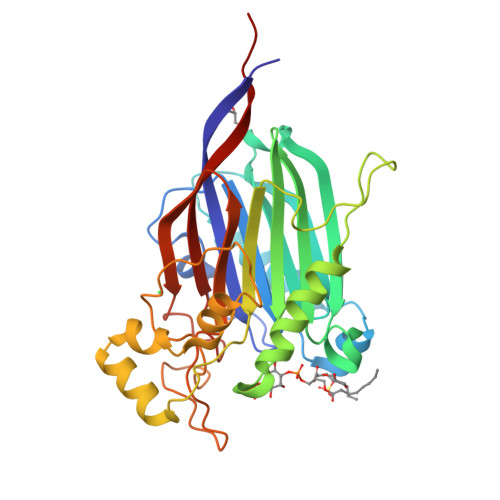 Click to view 3D structure | Type II inositol 1,4,5-trisphosphate 5-phosphatase | P32019 | Humans | Predicted (SEA) | - Prediction Confidence Score
- 0.174
- Applicability Domain
- 0.174 Low confidence
- Statistical Significance
- 0.001
- Supporting Reference Compounds
- 1
- E-value
- 7.86277
|
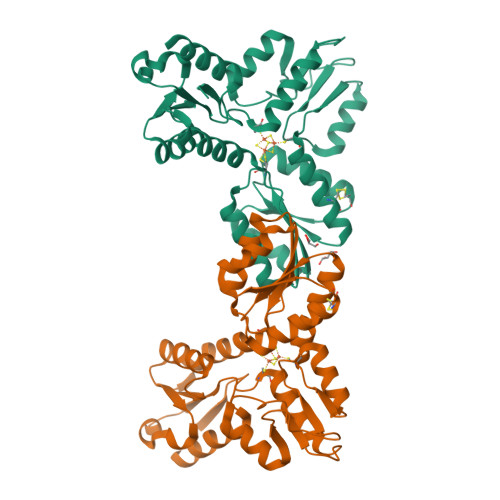 Click to view 3D structure | 4-hydroxy-3-methylbut-2-enyl diphosphate reductase | O67625 | Aquifex aeolicus (strain VF5) | Predicted (SEA) | - Prediction Confidence Score
- 0.167
- Applicability Domain
- 0.167 Low confidence
- Statistical Significance
- 6.40e-04
- Supporting Reference Compounds
- 1
- E-value
- 4.98235
|
 Click to view 3D structure | Inositol-trisphosphate 3-kinase A | P17105 | Rattus norvegicus | Predicted (SEA) | - Prediction Confidence Score
- 0.16
- Applicability Domain
- 0.16 Low confidence
- Statistical Significance
- 4.90e-04
- Supporting Reference Compounds
- 1
- E-value
- 3.81461
|
| Click to view 3D structure | Inositol polyphosphate-5-phosphatase A | Q14642 | Humans | Predicted (SEA) | - Prediction Confidence Score
- 0.154
- Applicability Domain
- 0.174 Low confidence
- Statistical Significance
- 5.70e-04
- Supporting Reference Compounds
- 2
- E-value
- 4.43741
|
| Click to view 3D structure | Type IV secretion-like conjugative transfer relaxase protein TraI | B1LRJ1 | Escherichia coli (strain SMS-3-5 / SECEC) | Predicted (SEA) | - Prediction Confidence Score
- 0.15
- Applicability Domain
- 0.15 Low confidence
- Statistical Significance
- 5.70e-04
- Supporting Reference Compounds
- 1
- E-value
- 4.43741
|
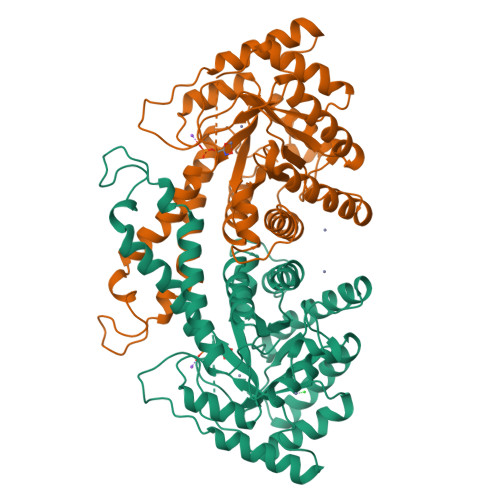 Click to view 3D structure | Fructose-bisphosphate aldolase class 2 | P0AB71 | Escherichia coli (strain K12) | Predicted (SEA) | - Prediction Confidence Score
- 0.148
- Applicability Domain
- 0.148 Low confidence
- Statistical Significance
- 0.0077
- Supporting Reference Compounds
- 1
- E-value
- 59.7104
|
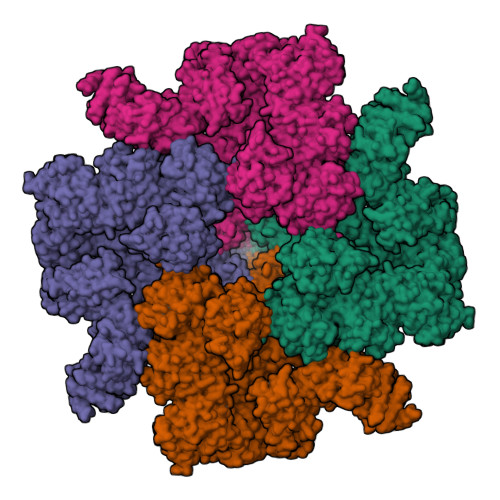 Click to view 3D structure | Inositol 1,4,5-trisphosphate-gated calcium channel ITPR3 | Q14573 | Humans | Predicted (SEA) | - Prediction Confidence Score
- 0.147
- Applicability Domain
- 0.167 Low confidence
- Statistical Significance
- 0.001
- Supporting Reference Compounds
- 4
- E-value
- 8.17417
|
| Click to view 3D structure | Type 1 InsP3 receptor isoform S2 | P79248 | Sus scrofa | Predicted (SEA) | - Prediction Confidence Score
- 0.147
- Applicability Domain
- 0.16 Low confidence
- Statistical Significance
- 7.80e-04
- Supporting Reference Compounds
- 2
- E-value
- 6.07224
|
 Click to view 3D structure | Triosephosphate isomerase | P00939 | Oryctolagus cuniculus | Predicted (SEA) | - Prediction Confidence Score
- 0.146
- Applicability Domain
- 0.148 Low confidence
- Statistical Significance
- 0.0026
- Supporting Reference Compounds
- 2
- E-value
- 20.0072
|
| Click to view 3D structure | 1-deoxy-D-xylulose-5-phosphate synthase | B7UJP3 | Escherichia coli O127:H6 (strain E2348/69 / EPEC) | Predicted (SEA) | - Prediction Confidence Score
- 0.144
- Applicability Domain
- 0.154 Low confidence
- Statistical Significance
- 0.0116
- Supporting Reference Compounds
- 2
- E-value
- 90.6943
|
| Click to view 3D structure | Inositol 1,4,5-trisphosphate binding protein | Q62688 | Rattus norvegicus | Predicted (SEA) | - Prediction Confidence Score
- 0.143
- Applicability Domain
- 0.16 Low confidence
- Statistical Significance
- 0.0013
- Supporting Reference Compounds
- 2
- E-value
- 10.0426
|
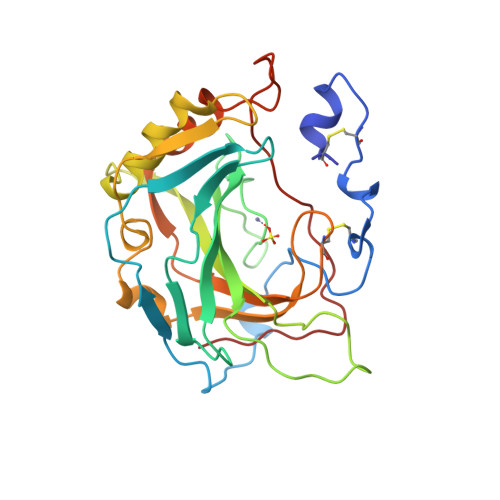 Click to view 3D structure | Carbonic anhydrase 4 | P22748 | Humans | Predicted (SEA) | - Prediction Confidence Score
- 0.142
- Applicability Domain
- 0.35
- Statistical Significance
- 0.9497
- Supporting Reference Compounds
- 193
- E-value
- 7393.26
|
 Click to view 3D structure | Thymidylate synthase ThyA | P9WFR9 | Mycobacterium tuberculosis | Predicted (SEA) | - Prediction Confidence Score
- 0.137
- Applicability Domain
- 0.137 Low confidence
- Statistical Significance
- 0.0482
- Supporting Reference Compounds
- 1
- E-value
- 375.467
|
 Click to view 3D structure | RAC-alpha serine/threonine-protein kinase | P31749 | Humans | Predicted (SEA) | - Prediction Confidence Score
- 0.136
- Applicability Domain
- 0.16 Low confidence
- Statistical Significance
- 0.9961
- Supporting Reference Compounds
- 797
- E-value
- 7754.25
|
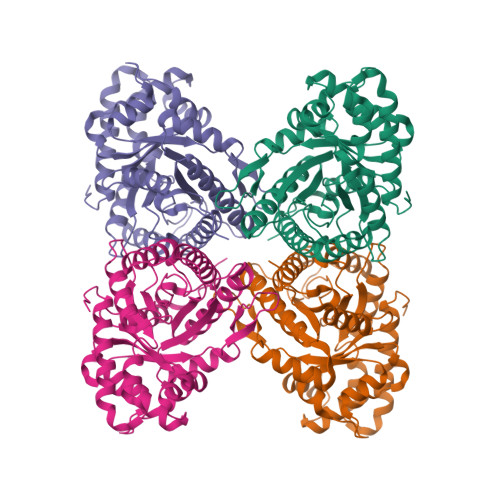 Click to view 3D structure | Fructose-bisphosphate aldolase A | P00883 | Oryctolagus cuniculus | Predicted (SEA) | - Prediction Confidence Score
- 0.133
- Applicability Domain
- 0.148 Low confidence
- Statistical Significance
- 0.005
- Supporting Reference Compounds
- 2
- E-value
- 39.236
|
 Click to view 3D structure | Inositol 1,4,5-trisphosphate-gated calcium channel ITPR1 | P29994 | Rattus norvegicus | Predicted (SEA) | - Prediction Confidence Score
- 0.133
- Applicability Domain
- 0.16 Low confidence
- Statistical Significance
- 0.0035
- Supporting Reference Compounds
- 2
- E-value
- 27.4808
|
 Click to view 3D structure | Carbonic anhydrase 2 | P00918 | Humans | Predicted (SEA) | - Prediction Confidence Score
- 0.131
- Applicability Domain
- 0.161 Low confidence
- Statistical Significance
- 0.9958
- Supporting Reference Compounds
- 472
- E-value
- 7752.54
|
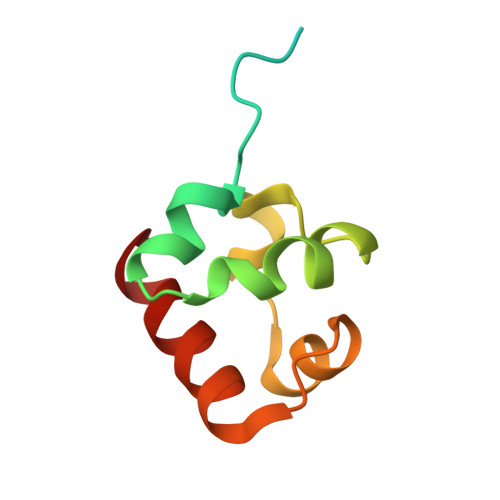 Click to view 3D structure | Phosphatidylinositol 3,4,5-trisphosphate 5-phosphatase 2 | O15357 | Humans | Predicted (SEA) | - Prediction Confidence Score
- 0.13
- Applicability Domain
- 0.174 Low confidence
- Statistical Significance
- 0.2767
- Supporting Reference Compounds
- 11
- E-value
- 2154.48
|
| Click to view 3D structure | Carboxylesterase | B3TNN2 | Loxostege sticticalis | Predicted (SEA) | - Prediction Confidence Score
- 0.128
- Applicability Domain
- 0.128 Low confidence
- Statistical Significance
- 0.0538
- Supporting Reference Compounds
- 1
- E-value
- 418.907
|
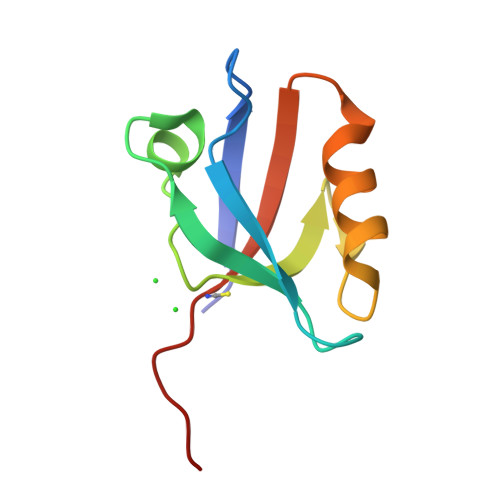 Click to view 3D structure | Lysophosphatidic acid receptor 2 | Q9HBW0 | Humans | Predicted (SEA) | - Prediction Confidence Score
- 0.126
- Applicability Domain
- 0.143 Low confidence
- Statistical Significance
- 0.8916
- Supporting Reference Compounds
- 30
- E-value
- 6941.19
|

