Pregnane (CED0001216)

Record Information
Version1.0
Creation Date2026-04-06 02:52:09 UTC
Update Date2026-04-17 16:14:08 UTC
SynCED IDCED0001216
Secondary Accession Numbers
  • CHEM115681
Identification
Common NamePregnane
ClassSmall Molecule
Description
Pregnane is an organic compound with the chemical formula C21H36 and an average molecular weight of 288.52 g/mol. Pregnane belongs to the pregnane steroids, a subclass of steroids and steroid derivatives within the organic compounds. This compound is found in or released from four recorded sources. It is present in polyethylene terephthalate plastics and is associated with electrical and electronic equipment, specifically magnets, relays, antennas, and line transmission systems.
Contaminant TypeNot Available
Chemical Structure
SynonymsNot Available
Chemical FormulaC21H36
Average Molecular Mass288.519 g/mol
Monoisotopic Mass288.282 g/mol
CAS Registry Number24909-91-9
IUPAC NameNot Available
Traditional NameNot Available
SMILESCC[C@H]1CC[C@H]2[C@@H]3CCC4CCCC[C@]4(C)[C@H]3CC[C@]12C
InChI IdentifierInChI=1S/C21H36/c1-4-15-9-11-18-17-10-8-16-7-5-6-13-20(16,2)19(17)12-14-21(15,18)3/h15-19H,4-14H2,1-3H3/t15-,16?,17-,18-,19-,20-,21+/m0/s1
InChI KeyJWMFYGXQPXQEEM-WZBAXQLOSA-N
Chemical Taxonomy
ClassificationNot classified
Biological Properties
StatusDetected and Not Quantified
OriginNot Available
Cellular LocationsNot Available
Biofluid LocationsNot Available
Tissue LocationsNot Available
ApplicationsNot Available
Biological RolesNot Available
Chemical RolesNot Available
Organoleptic EffectsNot Available
Physical Properties
StateNot Available
AppearanceNot Available
Experimental Properties
PropertyValue
Melting PointNot Available
Boiling PointNot Available
SolubilityNot Available
Predicted PropertiesNot Available
Spectra
SpectraNot Available
Toxicity Profile
Toxicity Values
Toxicity ValueOrganismDose DescriptorRoute of ExposurePredicted or ExperimentalToxicity RatingReference
4161.0 Log mg/kg [2300:7400]RatLD50oralpredictedNot AvailableNot Available
Toxicity / Toxin ClassNot Available
Mechanism of ToxicityNot Available
Carcinogenicity (IARC Classification)Not Available
Minimum Risk LevelNot Available
SymptomsNot Available
TreatmentNot Available
Health Effects
Health EffectRelationshipDirectionDescriptionReference
Exposure Sources
Source IDSourceSectorReference
CEDs000506Antennas?Antennas, commonly used in communication technologies, can be a source of synthetic chemical contamination through the materials and coatings used in their construction.Electrical & Electronic EquipmentPubChem
CEDs000511Conductors Or Conductive Bodies Characterised By The Conductive Materials?Conductors, or conductive bodies, are materials that allow the flow of electrical current, typically made from metals such as copper, aluminum, or silver.Electrical & Electronic EquipmentPubChem
CEDs000519Electrodes?Electrodes, used in various electrical and electronic applications, can be a source of synthetic chemical contamination due to the materials from which they are constructed and the processes involved in their manufacturing.Electrical & Electronic EquipmentPubChem
CEDs000525Line Transmission Systems?Line Transmission Systems, commonly used for the distribution of electrical energy, can be a source of synthetic chemical contamination through the insulation materials and coatings utilized in their construction.Electrical & Electronic EquipmentPubChem
CEDs000527Magnets?Magnets, commonly used in various electrical and electronic applications, can be a source of synthetic chemical contamination due to the materials used in their production.Electrical & Electronic EquipmentPubChem
CEDs000531Relays?Relays are electromechanical switches used to control circuits and manage electrical loads.Electrical & Electronic EquipmentPubChem
CEDs000544Fermentation Processes For Beer?Fermentation processes for beer involve the conversion of sugars into alcohol and carbon dioxide by yeast.Food, food processing & cookwarePubChem
CEDs000545Food Preservation?Food preservation often involves the use of synthetic chemicals, such as preservatives, flavor enhancers, and color additives, to extend shelf life and enhance the sensory qualities of food products.Food, food processing & cookwarePubChem
CEDs000549Preparation Of Wine Or Sparkling Wine?The preparation of wine or sparkling wine involves various stages, including fermentation, aging, and bottling, which can introduce potential sources of synthetic chemical contamination.Food, food processing & cookwarePubChem
CEDs000561Perfumes Within Detergents And Soaps?Perfumes within detergents and soaps are synthetic fragrance compounds added to enhance the sensory experience of cleaning products.Household cleaning & consumer productsPubChem
CEDs000580Manufacture Preparation Of Tobacco Products?The manufacture and preparation of tobacco products involve various processes that can result in the introduction of synthetic chemicals into the environment.Industrial manufacturing & chemical processingPubChem
CEDs000581Paper Making Machines?Paper making machines utilize various synthetic chemicals throughout the production process, including additives, coatings, and bleaching agents.Industrial manufacturing & chemical processingPubChem
CEDs000583Anchoring Equipment?Anchoring equipment, commonly used in marine applications, can be a source of synthetic chemical contamination due to the materials and coatings utilized in their manufacturing.Marine, shipping & aquaculturePubChem
CEDs000609Aftershave?Aftershave is a grooming product typically used to soothe and protect the skin following shaving.Personal care & cosmeticsPubChem
CEDs000610Aftersun Products?Aftersun products are designed to soothe and hydrate the skin after sun exposure, often containing various synthetic chemicals such as emollients, preservatives, and fragrances.Personal care & cosmeticsPubChem
CEDs000611Anti Perspirants Or Body Deoderants?Antiperspirants and body deodorants commonly contain synthetic chemicals such as aluminum compounds, parabens, and synthetic fragrances.Personal care & cosmeticsPubChem
CEDs000613Depilatories?Depilatories are products designed to remove unwanted hair through the application of synthetic chemicals that break down the protein structure of hair, facilitating its removal.Personal care & cosmeticsPubChem
CEDs000614Essential Oils Or Perfumes?Essential oils and perfumes are complex mixtures of volatile compounds derived from natural or synthetic sources, commonly used for their aromatic properties.Personal care & cosmeticsPubChem
CEDs000615Eye Makeup Products?Eye makeup products, including mascaras, eyeliners, and eyeshadows, often contain a variety of synthetic chemicals such as pigments, preservatives, and film-forming agents.Personal care & cosmeticsPubChem
CEDs000617Lip Care Products?Lip care products, including lipsticks, balms, and glosses, often contain a variety of synthetic chemicals such as parabens, phthalates, and synthetic fragrances.Personal care & cosmeticsPubChem
CEDs000620Card Games?Card games often utilize synthetic materials for playing cards and associated gaming equipment, which may contain various chemicals such as polyvinyl chloride (PVC), plastics, and dyes.Recreation & sports surfacesPubChem
CEDs000679Phosphatic Fertilisers?Phosphatic fertilizers are synthetic chemical products primarily composed of phosphorus, which is essential for plant growth.Agriculture & land managementPubChem
CEDs000685Ceramics?Ceramics can be a source of synthetic chemical contamination through various additives and processing agents used in their production.Building & ConstructionPubChem
CEDs000688Glass Coatings?Glass coatings are synthetic chemical formulations applied to glass surfaces to enhance properties such as durability, UV resistance, and aesthetic appeal.Building & ConstructionPubChem
CEDs000696Nanotechnology?Nanotechnology involves the manipulation of materials at the molecular or atomic level, typically within the range of 1 to 100 nanometers.Industrial manufacturing & chemical processingPubChem
CEDs000740Paper?Paper production involves the processing of wood fibers and the use of various chemicals, which can lead to synthetic chemical contamination.Paper, pulp & fiber productsPubChem
CEDs000743Sludge Treatment?Sludge treatment involves the processing of waste materials generated from wastewater treatment plants, which often contain a variety of organic and inorganic substances.Wastewater, sanitation & biosolidsPubChem
CEDs000744Water, Wastewater, & Sewage Treatment?Water, wastewater, and sewage treatment processes are critical for managing and mitigating pollutants in water systems.Wastewater, sanitation & biosolidsPubChem
Pathways
0 pathwaysPathway Source: PathBank

No pathways found

No metabolic pathways have been associated with this synthetic chemical

Targets
StructureProteinUniProt IDOrganismRelationshipDetails
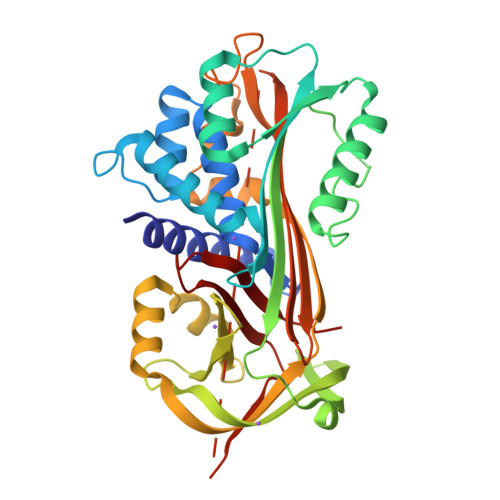
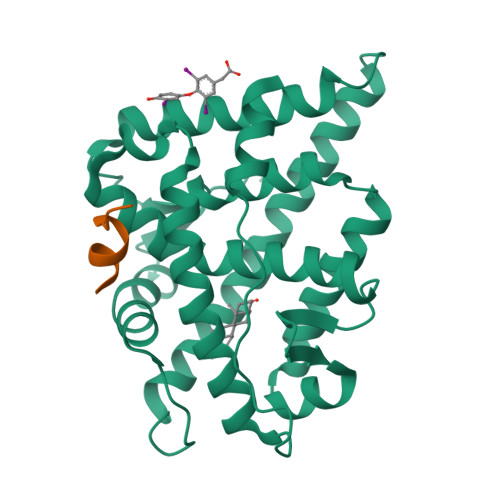
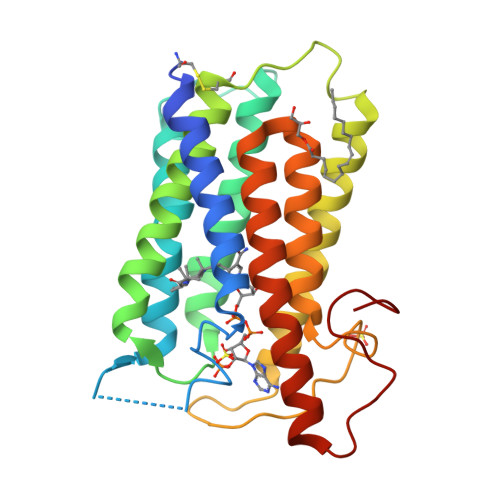
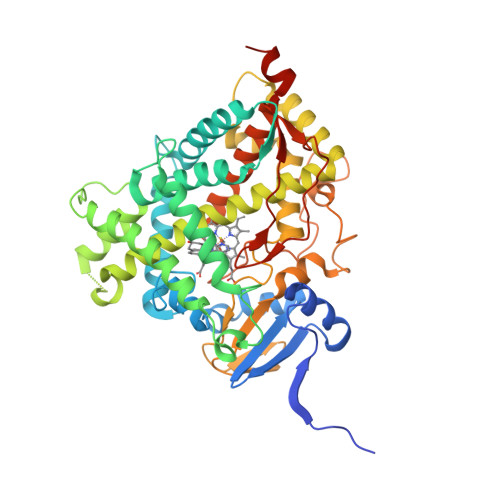
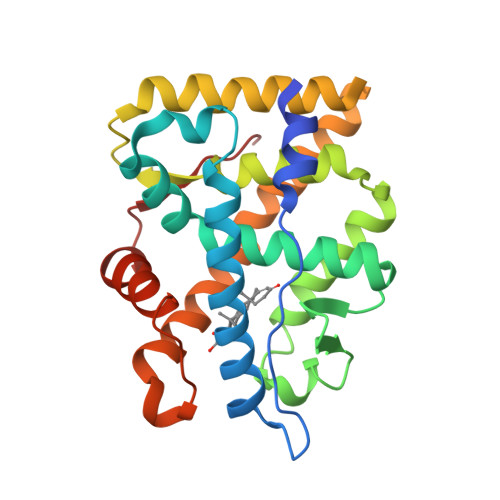
G-protein coupled bile acid receptor 1 structureClick to view 3D structureG-protein coupled bile acid receptor 1Q8TDU6HumansPredicted (SEA)
Prediction Confidence Score
0.371
Applicability Domain
0.422
Statistical Significance
0.0029
Supporting Reference Compounds
54
E-value
22.4984
Click to view 3D structureCycloartenol-C-24-methyltransferaseQ9LM02Arabidopsis thalianaPredicted (SEA)
Prediction Confidence Score
0.356
Applicability Domain
0.356
Statistical Significance
6.00e-05
Supporting Reference Compounds
1
E-value
0.467095
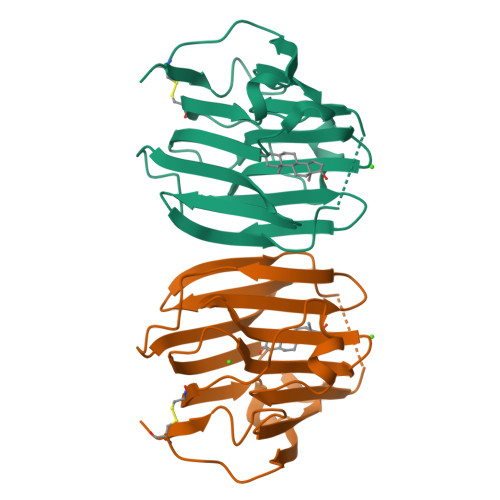
Sex hormone-binding globulin structureClick to view 3D structureSex hormone-binding globulinP04278HumansPredicted (SEA)
Prediction Confidence Score
0.354
Applicability Domain
0.422
Statistical Significance
0.0016
Supporting Reference Compounds
33
E-value
12.378
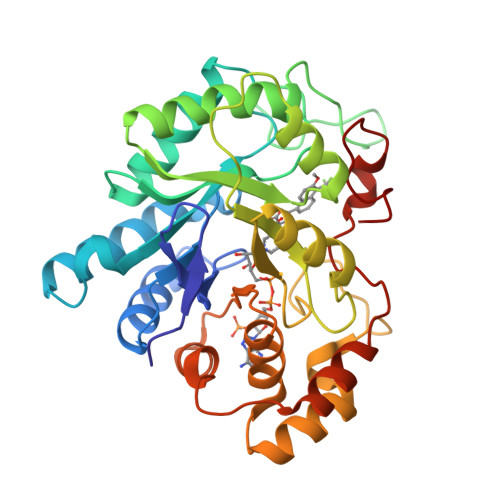
Aldo-keto reductase family 1 member B10 structureClick to view 3D structureAldo-keto reductase family 1 member B10O60218HumansPredicted (SEA)
Prediction Confidence Score
0.328
Applicability Domain
0.38
Statistical Significance
0.0027
Supporting Reference Compounds
49
E-value
20.9414
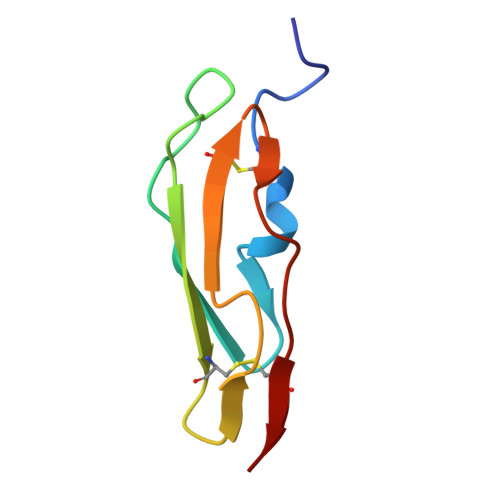
Corticosteroid-binding globulin structureClick to view 3D structureCorticosteroid-binding globulinP08185HumansPredicted (SEA)
Prediction Confidence Score
0.319
Applicability Domain
0.38
Statistical Significance
0.002
Supporting Reference Compounds
21
E-value
15.8034
Androgen receptor structureClick to view 3D structureAndrogen receptorP15207Rattus norvegicusPredicted (SEA)
Prediction Confidence Score
0.314
Applicability Domain
0.38
Statistical Significance
0.0033
Supporting Reference Compounds
73
E-value
26.0795
Gamma-aminobutyric acid type B receptor subunit 1 structureClick to view 3D structureGamma-aminobutyric acid type B receptor subunit 1Q9Z0U4Rattus norvegicusPredicted (SEA)
Prediction Confidence Score
0.303
Applicability Domain
0.303
Statistical Significance
4.70e-04
Supporting Reference Compounds
1
E-value
3.65891
Androgen receptor structureClick to view 3D structureAndrogen receptorP19091Mus musculusPredicted (SEA)
Prediction Confidence Score
0.294
Applicability Domain
0.38
Statistical Significance
0.0016
Supporting Reference Compounds
19
E-value
12.3002
Aromatase structureClick to view 3D structureAromataseP11511HumansPredicted (SEA)
Prediction Confidence Score
0.294
Applicability Domain
0.38
Statistical Significance
0.0098
Supporting Reference Compounds
127
E-value
76.2922
3-oxo-5-alpha-steroid 4-dehydrogenase 2 structureClick to view 3D structure3-oxo-5-alpha-steroid 4-dehydrogenase 2P31213HumansPredicted (SEA)
Prediction Confidence Score
0.29
Applicability Domain
0.333
Statistical Significance
0.0012
Supporting Reference Compounds
19
E-value
9.26406
Nuclear receptor subfamily 1 group I member 3 structureClick to view 3D structureNuclear receptor subfamily 1 group I member 3O35627Mus musculusPredicted (SEA)
Prediction Confidence Score
0.286
Applicability Domain
0.373
Statistical Significance
3.40e-04
Supporting Reference Compounds
2
E-value
2.64687
Androgen receptor structureClick to view 3D structureAndrogen receptorP10275HumansPredicted (SEA)
Prediction Confidence Score
0.282
Applicability Domain
0.38
Statistical Significance
0.0125
Supporting Reference Compounds
146
E-value
97.5451
Click to view 3D structure3-keto-steroid reductase/17-beta-hydroxysteroid dehydrogenase 7P56937HumansPredicted (SEA)
Prediction Confidence Score
0.281
Applicability Domain
0.281 Low confidence
Statistical Significance
2.90e-04
Supporting Reference Compounds
1
E-value
2.25763
Click to view 3D structure3-oxo-5-alpha-steroid 4-dehydrogenase 1P18405HumansPredicted (SEA)
Prediction Confidence Score
0.281
Applicability Domain
0.333
Statistical Significance
0.0012
Supporting Reference Compounds
14
E-value
9.10836
Steroid 17-alpha-hydroxylase/17,20 lyase structureClick to view 3D structureSteroid 17-alpha-hydroxylase/17,20 lyaseP05093HumansPredicted (SEA)
Prediction Confidence Score
0.279
Applicability Domain
0.333
Statistical Significance
0.0037
Supporting Reference Compounds
69
E-value
28.5707
Click to view 3D structureProgesterone receptorQ690N0Bos taurusPredicted (SEA)
Prediction Confidence Score
0.274
Applicability Domain
0.38
Statistical Significance
0.0028
Supporting Reference Compounds
40
E-value
22.0313
Click to view 3D structureCytochrome P450 7B1O75881HumansPredicted (SEA)
Prediction Confidence Score
0.261
Applicability Domain
0.261 Low confidence
Statistical Significance
4.60e-04
Supporting Reference Compounds
1
E-value
3.58106
Click to view 3D structureSex hormone-binding globulinP08689Rattus norvegicusPredicted (SEA)
Prediction Confidence Score
0.258
Applicability Domain
0.38
Statistical Significance
5.70e-04
Supporting Reference Compounds
2
E-value
4.43741
Click to view 3D structureGlucose-6-phosphate 1-dehydrogenaseQ9GRG7Trypanosoma bruceiPredicted (SEA)
Prediction Confidence Score
0.256
Applicability Domain
0.346
Statistical Significance
0.0017
Supporting Reference Compounds
2
E-value
13.5458
Click to view 3D structureCMP-N-acetylneuraminate-beta-galactosamide-alpha-2,3-sialyltransferase 2Q11205Rattus norvegicusPredicted (SEA)
Prediction Confidence Score
0.256
Applicability Domain
0.256 Low confidence
Statistical Significance
0.002
Supporting Reference Compounds
1
E-value
15.8034
Glucose-6-phosphate 1-dehydrogenase structureClick to view 3D structureGlucose-6-phosphate 1-dehydrogenaseP11413HumansPredicted (SEA)
Prediction Confidence Score
0.255
Applicability Domain
0.38
Statistical Significance
8.60e-04
Supporting Reference Compounds
11
E-value
6.69503
Glucocorticoid receptor structureClick to view 3D structureGlucocorticoid receptorP04150HumansPredicted (SEA)
Prediction Confidence Score
0.253
Applicability Domain
0.38
Statistical Significance
0.0154
Supporting Reference Compounds
154
E-value
119.888
Estrogen receptor structureClick to view 3D structureEstrogen receptorP03372HumansPredicted (SEA)
Prediction Confidence Score
0.249
Applicability Domain
0.263 Low confidence
Statistical Significance
0.0474
Supporting Reference Compounds
201
E-value
368.772
Click to view 3D structureSteroid 17-alpha-hydroxylase/17,20 lyaseP11715Rattus norvegicusPredicted (SEA)
Prediction Confidence Score
0.244
Applicability Domain
0.333
Statistical Significance
0.0031
Supporting Reference Compounds
23
E-value
24.1333
Mineralocorticoid receptor structureClick to view 3D structureMineralocorticoid receptorP08235HumansPredicted (SEA)
Prediction Confidence Score
0.237
Applicability Domain
0.38
Statistical Significance
0.0164
Supporting Reference Compounds
74
E-value
127.595
Concentrations
Not Available
External Links
IdentifiersNot Available
References
Synthesis ReferenceNot Available
MSDSNot Available
General ReferencesNot Available