Heptadecafluorooctane-2-sulfonic acid (CED0135439)

Record Information
Version1.0
Creation Date2026-04-06 05:04:42 UTC
Update Date2026-09-01 14:24:59 UTC
SynCED IDCED0135439
Secondary Accession Numbers
  • CHEM117628
Identification
Common NameHeptadecafluorooctane-2-sulfonic acid
ClassSmall Molecule
Description
Heptadecafluorooctane-2-sulfonic acid belongs to the organosulfonic acids and derivatives, a subclass of organic sulfonic acids and derivatives within the organic compounds. With an average molecular weight of 500.13 g/mol, Heptadecafluorooctane-2-sulfonic acid is a heavy molecule with the chemical formula C8HF17O3S. This compound is associated with 13 recorded sources across several sectors. In the area of electrical and electronic equipment, it is found in cell phones, capacitors, wires and cables, batteries, and printed circuit boards, among one other source. It is also present in textiles, leather and furnishings, specifically within synthetic textiles as well as carpets and rugs. Other sources include food packaging within the food, food processing and cookware sector, and medical devices used in healthcare, pharmaceuticals and veterinary products. Additionally, the compound is utilized as lubricants in both the energy, oil and gas sector and the industrial manufacturing and chemical processing sector, along with one more sector. Recorded routes of exposure for this substance include inhalation, oral, and touch.
Contaminant Type
  • PFAS
Chemical Structure
SynonymsNot Available
Chemical FormulaC8HF17O3S
Average Molecular Mass500.130 g/mol
Monoisotopic Mass499.937 g/mol
CAS Registry Number927670-12-0
IUPAC NameNot Available
Traditional NameNot Available
SMILESOS(=O)(=O)C(F)(C(F)(F)F)C(F)(F)C(F)(F)C(F)(F)C(F)(F)C(F)(F)C(F)(F)F
InChI IdentifierInChI=1/C8HF17O3S/c9-1(10,3(13,14)5(17,18)7(20,21)22)2(11,12)4(15,16)6(19,8(23,24)25)29(26,27)28/h(H,26,27,28)
InChI KeyLYZNUCXUQHMFTA-UHFFFAOYSA-N
Chemical Taxonomy
ClassificationNot classified
Biological Properties
StatusDetected and Not Quantified
OriginNot Available
Cellular LocationsNot Available
Biofluid LocationsNot Available
Tissue LocationsNot Available
ApplicationsNot Available
Biological RolesNot Available
Chemical RolesNot Available
Organoleptic EffectsNot Available
Physical Properties
StateNot Available
AppearanceNot Available
Experimental Properties
PropertyValue
Melting PointNot Available
Boiling PointNot Available
SolubilityNot Available
Predicted PropertiesNot Available
Spectra
SpectraNot Available
Toxicity Profile
Toxicity Values
Toxicity ValueOrganismDose DescriptorRoute of ExposurePredicted or ExperimentalToxicity RatingReference
208.0 Log mg/kg [120:370]RatLD50oralpredictedNot AvailableNot Available
Toxicity / Toxin ClassNot Available
Mechanism of ToxicityNot Available
Carcinogenicity (IARC Classification)Not Available
Minimum Risk LevelNot Available
SymptomsNot Available
TreatmentNot Available
Health Effects
Health EffectRelationshipDirectionDescriptionReference
EndometriosisAssociated With?increaseEndometriosis is a condition that affects women in which cells similar to those in the endometrium, the layer of tissue that normally covers the inside of the uterus, grow outside the uterus (mainly in the ovaries and fallopian tubes). The main symptoms are pelvic pain and infertility, although 20-25% of women are asymptomatic. Pain during sexual intercourse is also common. Other symptoms include diarrhea or constipation, chronic fatigue, nausea and vomiting, headaches, low-grade fevers, heavy and/or irregular periods, and hypoglycemia. Endometriosis is a common condition. About 6–10% of women are affected. Endometriosis is most common in those in their thirties and forties; however, it can begin in girls as early as eight years old.PMC11358978
Exposure Sources
Source IDSourceSectorReference
CEDs000007Pesticides?Pesticides are synthetic chemicals designed to prevent, destroy, or control pests that threaten crops and agricultural productivity.Agriculture & land managementNot Available
CEDs000051Surface water?Surface water can serve as a significant vector for the introduction of synthetic chemical contaminants into aquatic ecosystems.Aquatic systems & sedimentsPMC12820963
CEDs000120Wires and cables?Wires and cables are integral components in the transmission of electrical power and signals.Electrical & Electronic EquipmentNot Available
CEDs000121Printed circuit boards?Printed circuit boards (PCBs) are essential components in the manufacturing of electronic devices, serving as the backbone for electrical connections and circuit pathways.Electrical & Electronic EquipmentNot Available
CEDs000125Batteries?Batteries are devices that store and release electrical energy through electrochemical reactions.Electrical & Electronic EquipmentNot Available
CEDs000130Semiconductors?Semiconductors are materials that possess electrical conductivity between that of conductors and insulators, making them essential for various electronic applications, including transistors, diodes, and integrated circuits.Electrical & Electronic EquipmentNot Available
CEDs000138Lubricants?Lubricants are synthetic or petroleum-derived substances used to reduce friction between surfaces in machinery and equipment, enhancing operational efficiency and longevity.Energy, oil & gasNot Available
CEDs000147Food packaging?Food packaging often utilizes synthetic chemicals, such as plastics and coatings, to enhance durability, moisture resistance, and shelf life.Food, food processing & cookwareNot Available
CEDs000174Lubricants?Lubricants are synthetic or petroleum-based substances used to reduce friction and wear between moving parts in machinery and equipment.Industrial manufacturing & chemical processingNot Available
CEDs000234Medical devices?Medical devices often incorporate synthetic chemicals in their manufacturing processes, which can contribute to contamination in healthcare settings.Healthcare, pharmaceuticals & veterinary productsNot Available
CEDs000451Carpets and Rugs?Carpets and rugs are commonly manufactured using synthetic fibers such as nylon, polyester, and polypropylene, which can be derived from petrochemical sources.Textiles, leather & furnishingsNot Available
CEDs000454Synthetic textiles?Synthetic textiles are materials derived from man-made fibers, such as polyester, nylon, and acrylic, which are produced through chemical processes involving petrochemicals.Textiles, leather & furnishingsNot Available
CEDs000490Personal care & cosmeticsNot Available
CEDs000492Cell phones?Cell phones contain a variety of synthetic chemicals and materials, including plastics, metals, and glass, which can contribute to environmental contamination.Electrical & Electronic EquipmentNot Available
CEDs000493Capacitors?Capacitors are electronic components that store and release electrical energy, often using dielectric materials that can include synthetic chemicals.Electrical & Electronic EquipmentNot Available
CEDs000511Conductors Or Conductive Bodies Characterised By The Conductive Materials?Conductors, or conductive bodies, are materials that allow the flow of electrical current, typically made from metals such as copper, aluminum, or silver.Electrical & Electronic EquipmentPubChem
CEDs000519Electrodes?Electrodes, used in various electrical and electronic applications, can be a source of synthetic chemical contamination due to the materials from which they are constructed and the processes involved in their manufacturing.Electrical & Electronic EquipmentPubChem
CEDs000688Glass Coatings?Glass coatings are synthetic chemical formulations applied to glass surfaces to enhance properties such as durability, UV resistance, and aesthetic appeal.Building & ConstructionPubChem
CEDs000743Sludge Treatment?Sludge treatment involves the processing of waste materials generated from wastewater treatment plants, which often contain a variety of organic and inorganic substances.Wastewater, sanitation & biosolidsPubChem
CEDs000744Water, Wastewater, & Sewage Treatment?Water, wastewater, and sewage treatment processes are critical for managing and mitigating pollutants in water systems.Wastewater, sanitation & biosolidsPubChem
CEDs02264SedimentAquatic systems & sedimentsPMC12820963
Pathways
0 pathwaysPathway Source: PathBank

No pathways found

No metabolic pathways have been associated with this synthetic chemical

Targets
StructureProteinUniProt IDOrganismRelationshipDetails
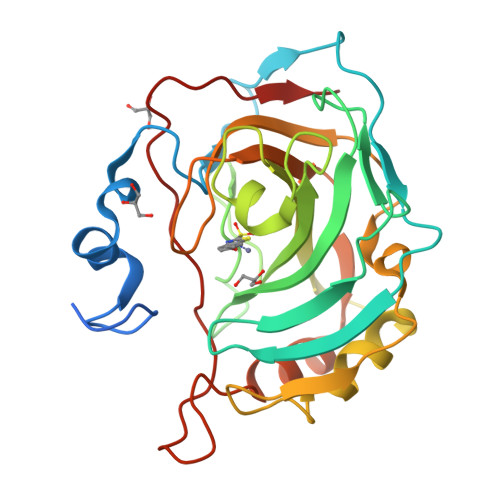
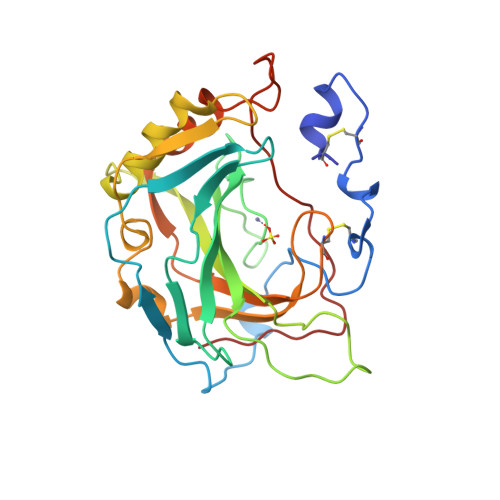
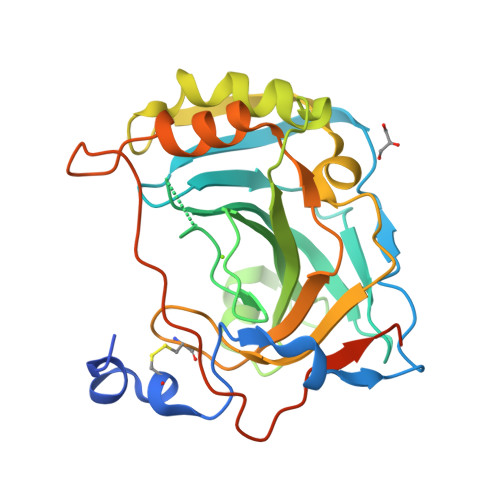
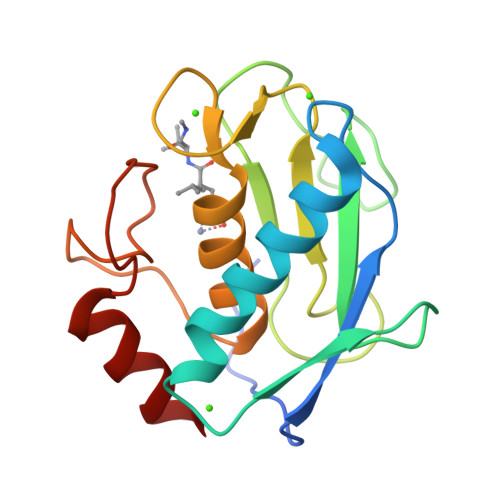
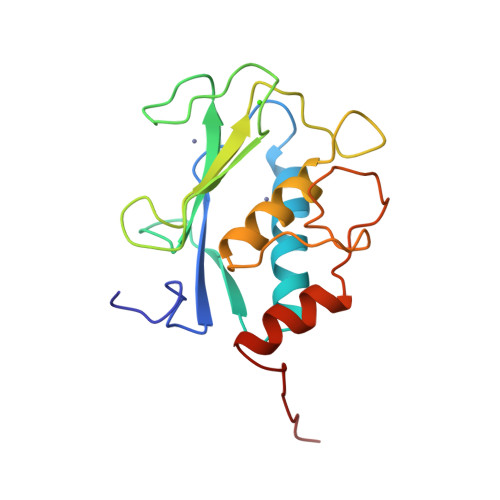
Carbonic anhydrase 2 structureClick to view 3D structureCarbonic anhydrase 2P00918HumansPredicted (SEA)
Prediction Confidence Score
0.209
Applicability Domain
0.25 Low confidence
Statistical Significance
0.4836
Supporting Reference Compounds
472
E-value
3765.02
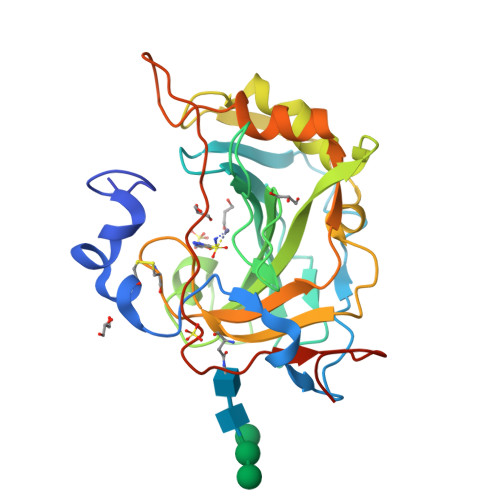
Carbonic anhydrase 1 structureClick to view 3D structureCarbonic anhydrase 1P00915HumansPredicted (SEA)
Prediction Confidence Score
0.207
Applicability Domain
0.25 Low confidence
Statistical Significance
0.4468
Supporting Reference Compounds
407
E-value
3478.15
Carbonic anhydrase 7 structureClick to view 3D structureCarbonic anhydrase 7P43166HumansPredicted (SEA)
Prediction Confidence Score
0.195
Applicability Domain
0.25 Low confidence
Statistical Significance
0.4697
Supporting Reference Compounds
242
E-value
3656.58
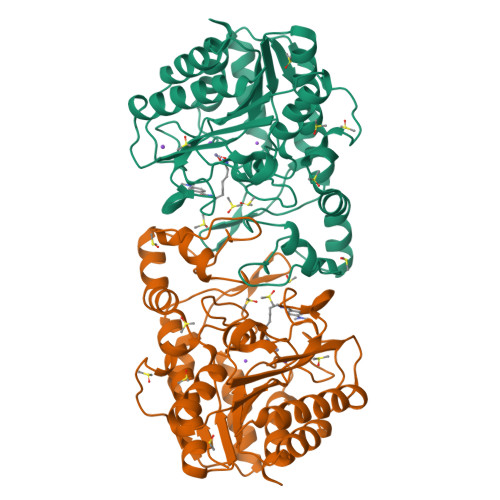
Acetylpolyamine amidohydrolase structureClick to view 3D structureAcetylpolyamine amidohydrolaseQ48935Mycoplana ramosaPredicted (SEA)
Prediction Confidence Score
0.175
Applicability Domain
0.175 Low confidence
Statistical Significance
0.003
Supporting Reference Compounds
1
E-value
23.6662
Click to view 3D structureLiver carboxylesterase B-1Q63010Rattus norvegicusPredicted (SEA)
Prediction Confidence Score
0.173
Applicability Domain
0.211 Low confidence
Statistical Significance
0.0053
Supporting Reference Compounds
6
E-value
41.0265
Carbonic anhydrase 9 structureClick to view 3D structureCarbonic anhydrase 9Q16790HumansPredicted (SEA)
Prediction Confidence Score
0.173
Applicability Domain
0.227 Low confidence
Statistical Significance
0.8069
Supporting Reference Compounds
372
E-value
6281.42
Carbonic anhydrase 4 structureClick to view 3D structureCarbonic anhydrase 4P22748HumansPredicted (SEA)
Prediction Confidence Score
0.173
Applicability Domain
0.227 Low confidence
Statistical Significance
0.6853
Supporting Reference Compounds
193
E-value
5335.16
Carbonic anhydrase 6 structureClick to view 3D structureCarbonic anhydrase 6P23280HumansPredicted (SEA)
Prediction Confidence Score
0.17
Applicability Domain
0.227 Low confidence
Statistical Significance
0.6406
Supporting Reference Compounds
151
E-value
4986.94
Liver carboxylesterase 1 structureClick to view 3D structureLiver carboxylesterase 1P23141HumansPredicted (SEA)
Prediction Confidence Score
0.168
Applicability Domain
0.211 Low confidence
Statistical Significance
0.3235
Supporting Reference Compounds
55
E-value
2518.34
Click to view 3D structureCarbonic anhydrase 5A, mitochondrialP35218HumansPredicted (SEA)
Prediction Confidence Score
0.166
Applicability Domain
0.206 Low confidence
Statistical Significance
0.7158
Supporting Reference Compounds
165
E-value
5572.14
Liver carboxylesterase structureClick to view 3D structureLiver carboxylesteraseQ29550Sus scrofaPredicted (SEA)
Prediction Confidence Score
0.162
Applicability Domain
0.211 Low confidence
Statistical Significance
0.1536
Supporting Reference Compounds
20
E-value
1195.53
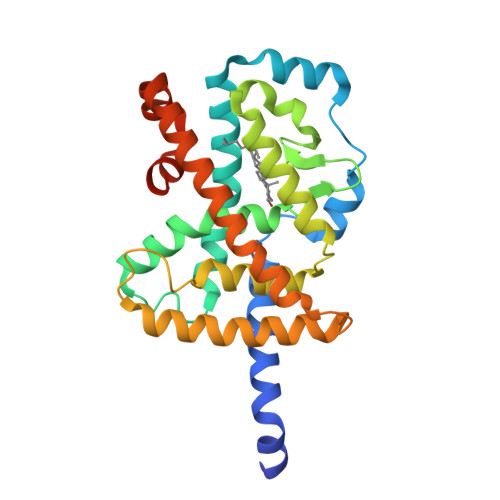
Oxysterols receptor LXR-beta structureClick to view 3D structureOxysterols receptor LXR-betaP55055HumansPredicted (SEA)
Prediction Confidence Score
0.161
Applicability Domain
0.174 Low confidence
Statistical Significance
0.7319
Supporting Reference Compounds
65
E-value
5697.94
Oxysterols receptor LXR-alpha structureClick to view 3D structureOxysterols receptor LXR-alphaQ13133HumansPredicted (SEA)
Prediction Confidence Score
0.159
Applicability Domain
0.174 Low confidence
Statistical Significance
0.7893
Supporting Reference Compounds
76
E-value
6144.64
Nuclear receptor ROR-gamma structureClick to view 3D structureNuclear receptor ROR-gammaP51449HumansPredicted (SEA)
Prediction Confidence Score
0.157
Applicability Domain
0.167 Low confidence
Statistical Significance
0.8275
Supporting Reference Compounds
102
E-value
6442.18
Click to view 3D structureCarbonic anhydrase 4Q95323Bos taurusPredicted (SEA)
Prediction Confidence Score
0.156
Applicability Domain
0.216 Low confidence
Statistical Significance
0.4162
Supporting Reference Compounds
64
E-value
3239.85
Histone deacetylase-like amidohydrolase structureClick to view 3D structureHistone deacetylase-like amidohydrolaseQ70I53Alcaligenes sp. (strain DSM 11172)Predicted (SEA)
Prediction Confidence Score
0.151
Applicability Domain
0.171 Low confidence
Statistical Significance
0.217
Supporting Reference Compounds
11
E-value
1689.17
Carbonic anhydrase 14 structureClick to view 3D structureCarbonic anhydrase 14Q9ULX7HumansPredicted (SEA)
Prediction Confidence Score
0.151
Applicability Domain
0.206 Low confidence
Statistical Significance
0.8648
Supporting Reference Compounds
172
E-value
6732.17
Click to view 3D structureAlpha carbonic anhydraseB5SU02Stylophora pistillataPredicted (SEA)
Prediction Confidence Score
0.15
Applicability Domain
0.227 Low confidence
Statistical Significance
0.2297
Supporting Reference Compounds
43
E-value
1787.89
Click to view 3D structureCarbonic anhydraseC0IX24Stylophora pistillataPredicted (SEA)
Prediction Confidence Score
0.15
Applicability Domain
0.227 Low confidence
Statistical Significance
0.2295
Supporting Reference Compounds
41
E-value
1786.95
Carbonic anhydrase 2 structureClick to view 3D structureCarbonic anhydrase 2P00921Bos taurusPredicted (SEA)
Prediction Confidence Score
0.149
Applicability Domain
0.25 Low confidence
Statistical Significance
0.1982
Supporting Reference Compounds
22
E-value
1542.82
Nuclear receptor ROR-alpha structureClick to view 3D structureNuclear receptor ROR-alphaP35398HumansPredicted (SEA)
Prediction Confidence Score
0.149
Applicability Domain
0.167 Low confidence
Statistical Significance
0.7541
Supporting Reference Compounds
41
E-value
5870.84
Carbonic anhydrase structureClick to view 3D structureCarbonic anhydraseP40881Methanosarcina thermophilaPredicted (SEA)
Prediction Confidence Score
0.148
Applicability Domain
0.227 Low confidence
Statistical Significance
0.0929
Supporting Reference Compounds
22
E-value
722.986
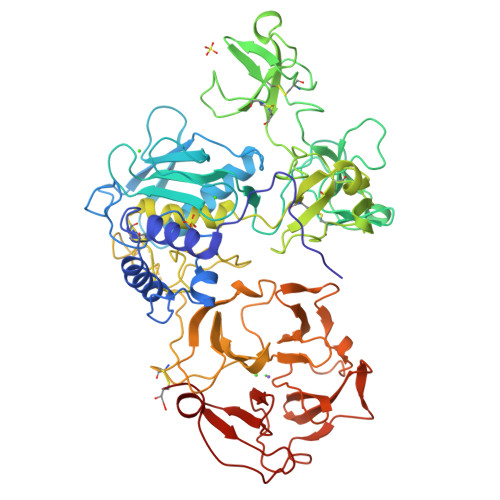
72 kDa type IV collagenase structureClick to view 3D structure72 kDa type IV collagenaseP08253HumansPredicted (SEA)
Prediction Confidence Score
0.148
Applicability Domain
0.216 Low confidence
Statistical Significance
0.9778
Supporting Reference Compounds
400
E-value
7612.49
Matrix metalloproteinase-9 structureClick to view 3D structureMatrix metalloproteinase-9P14780HumansPredicted (SEA)
Prediction Confidence Score
0.146
Applicability Domain
0.216 Low confidence
Statistical Significance
0.97
Supporting Reference Compounds
292
E-value
7551.37
Interstitial collagenase structureClick to view 3D structureInterstitial collagenaseP03956HumansPredicted (SEA)
Prediction Confidence Score
0.145
Applicability Domain
0.216 Low confidence
Statistical Significance
0.9688
Supporting Reference Compounds
258
E-value
7542.03
Concentrations
Not Available
External Links
IdentifiersNot Available
References
Synthesis ReferenceNot Available
MSDSNot Available
General ReferencesNot Available