 Click to view 3D structure | Histone deacetylase-like amidohydrolase | Q70I53 | Alcaligenes sp. (strain DSM 11172) | Predicted (SEA) | - Prediction Confidence Score
- 0.235
- Applicability Domain
- 0.25 Low confidence
- Statistical Significance
- 0.0048
- Supporting Reference Compounds
- 11
- E-value
- 37.679
|
 Click to view 3D structure | Protein deacetylase HDAC6 | Q9UBN7 | Humans | Predicted (SEA) | - Prediction Confidence Score
- 0.209
- Applicability Domain
- 0.25 Low confidence
- Statistical Significance
- 0.6616
- Supporting Reference Compounds
- 553
- E-value
- 5150.58
|
 Click to view 3D structure | Carnitine O-palmitoyltransferase 2, mitochondrial | P23786 | Humans | Predicted (SEA) | - Prediction Confidence Score
- 0.201
- Applicability Domain
- 0.259 Low confidence
- Statistical Significance
- 0.0716
- Supporting Reference Compounds
- 14
- E-value
- 557.478
|
 Click to view 3D structure | Histone deacetylase 7 | Q8WUI4 | Humans | Predicted (SEA) | - Prediction Confidence Score
- 0.198
- Applicability Domain
- 0.25 Low confidence
- Statistical Significance
- 0.456
- Supporting Reference Compounds
- 148
- E-value
- 3550.08
|
 Click to view 3D structure | Histone deacetylase 8 | Q9BY41 | Humans | Predicted (SEA) | - Prediction Confidence Score
- 0.19
- Applicability Domain
- 0.246 Low confidence
- Statistical Significance
- 0.7416
- Supporting Reference Compounds
- 317
- E-value
- 5772.99
|
| Click to view 3D structure | Sodium- and chloride-dependent creatine transporter 1 | P28570 | Rattus norvegicus | Predicted (SEA) | - Prediction Confidence Score
- 0.188
- Applicability Domain
- 0.188 Low confidence
- Statistical Significance
- 0.0021
- Supporting Reference Compounds
- 1
- E-value
- 16.6597
|
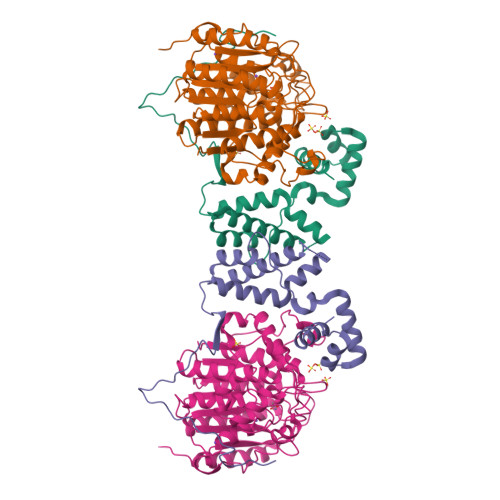 Click to view 3D structure | Histone deacetylase 1 | Q13547 | Humans | Predicted (SEA) | - Prediction Confidence Score
- 0.186
- Applicability Domain
- 0.246 Low confidence
- Statistical Significance
- 0.8558
- Supporting Reference Compounds
- 497
- E-value
- 6662.02
|
| Click to view 3D structure | Mitochondrial carnitine/acylcarnitine carrier protein | O43772 | Humans | Predicted (SEA) | - Prediction Confidence Score
- 0.183
- Applicability Domain
- 0.183 Low confidence
- Statistical Significance
- 0.0048
- Supporting Reference Compounds
- 1
- E-value
- 37.1341
|
| Click to view 3D structure | ATP-dependent Clp protease proteolytic subunit | Q5F914 | Neisseria gonorrhoeae | Predicted (SEA) | - Prediction Confidence Score
- 0.183
- Applicability Domain
- 0.183 Low confidence
- Statistical Significance
- 0.0285
- Supporting Reference Compounds
- 1
- E-value
- 221.792
|
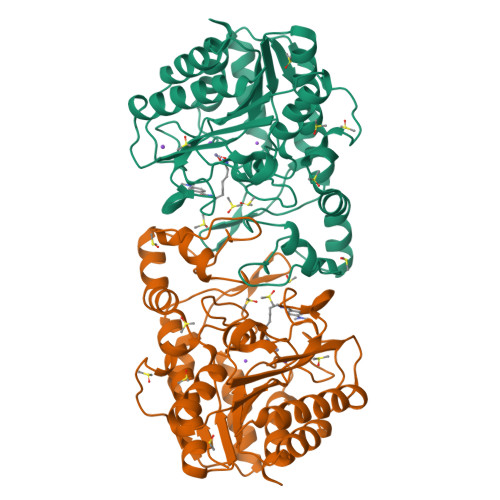 Click to view 3D structure | Acetylpolyamine amidohydrolase | Q48935 | Mycoplana ramosa | Predicted (SEA) | - Prediction Confidence Score
- 0.182
- Applicability Domain
- 0.182 Low confidence
- Statistical Significance
- 0.0024
- Supporting Reference Compounds
- 1
- E-value
- 18.5281
|
| Click to view 3D structure | Acid ceramidase | Q6P7S1 | Rattus norvegicus | Predicted (SEA) | - Prediction Confidence Score
- 0.181
- Applicability Domain
- 0.19 Low confidence
- Statistical Significance
- 0.0471
- Supporting Reference Compounds
- 10
- E-value
- 367.059
|
 Click to view 3D structure | Liver carboxylesterase 1 | P23141 | Humans | Predicted (SEA) | - Prediction Confidence Score
- 0.178
- Applicability Domain
- 0.184 Low confidence
- Statistical Significance
- 0.2255
- Supporting Reference Compounds
- 55
- E-value
- 1755.19
|
| Click to view 3D structure | Cocaine esterase | O00748 | Humans | Predicted (SEA) | - Prediction Confidence Score
- 0.177
- Applicability Domain
- 0.184 Low confidence
- Statistical Significance
- 0.1821
- Supporting Reference Compounds
- 40
- E-value
- 1418.02
|
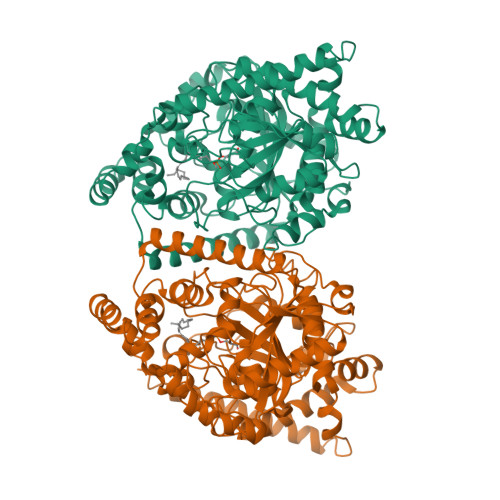 Click to view 3D structure | Fatty-acid amide hydrolase 1 | P97612 | Rattus norvegicus | Predicted (SEA) | - Prediction Confidence Score
- 0.177
- Applicability Domain
- 0.19 Low confidence
- Statistical Significance
- 0.5965
- Supporting Reference Compounds
- 102
- E-value
- 4643.78
|
| Click to view 3D structure | Fatty-acid amide hydrolase 1 | O00519 | Humans | Predicted (SEA) | - Prediction Confidence Score
- 0.177
- Applicability Domain
- 0.184 Low confidence
- Statistical Significance
- 0.706
- Supporting Reference Compounds
- 106
- E-value
- 5496.47
|
 Click to view 3D structure | Inward rectifier potassium channel 2 | P35561 | Mus musculus | Predicted (SEA) | - Prediction Confidence Score
- 0.175
- Applicability Domain
- 0.175 Low confidence
- Statistical Significance
- 0.1354
- Supporting Reference Compounds
- 1
- E-value
- 1054.47
|
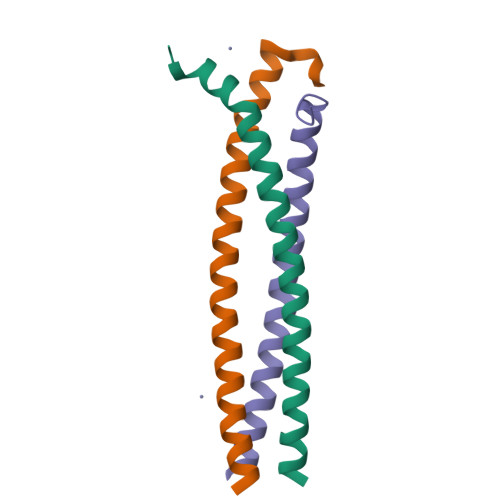 Click to view 3D structure | Cyclic nucleotide-gated channel alpha-1 | Q00194 | Bos taurus | Predicted (SEA) | - Prediction Confidence Score
- 0.175
- Applicability Domain
- 0.212 Low confidence
- Statistical Significance
- 0.0401
- Supporting Reference Compounds
- 2
- E-value
- 311.864
|
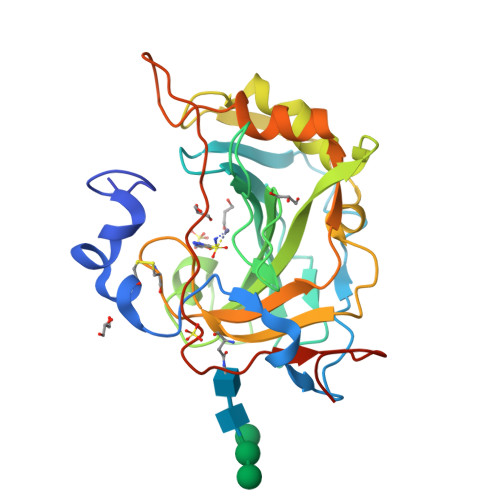 Click to view 3D structure | Carbonic anhydrase 14 | Q9ULX7 | Humans | Predicted (SEA) | - Prediction Confidence Score
- 0.175
- Applicability Domain
- 0.311
- Statistical Significance
- 0.6059
- Supporting Reference Compounds
- 172
- E-value
- 4716.65
|
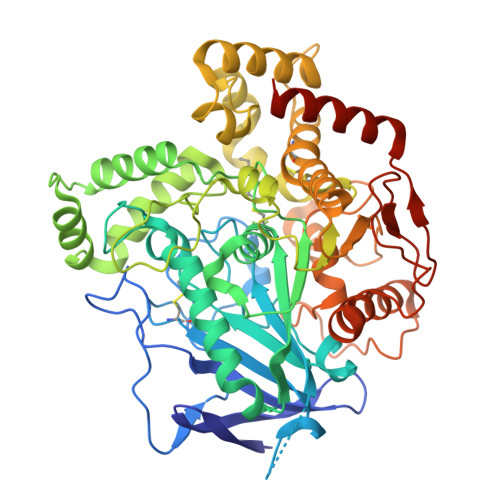 Click to view 3D structure | Juvenile hormone esterase | Q9GPG0 | Manduca sexta | Predicted (SEA) | - Prediction Confidence Score
- 0.175
- Applicability Domain
- 0.184 Low confidence
- Statistical Significance
- 0.0071
- Supporting Reference Compounds
- 2
- E-value
- 55.4286
|
 Click to view 3D structure | Liver carboxylesterase | Q29550 | Sus scrofa | Predicted (SEA) | - Prediction Confidence Score
- 0.175
- Applicability Domain
- 0.184 Low confidence
- Statistical Significance
- 0.0785
- Supporting Reference Compounds
- 20
- E-value
- 611.039
|
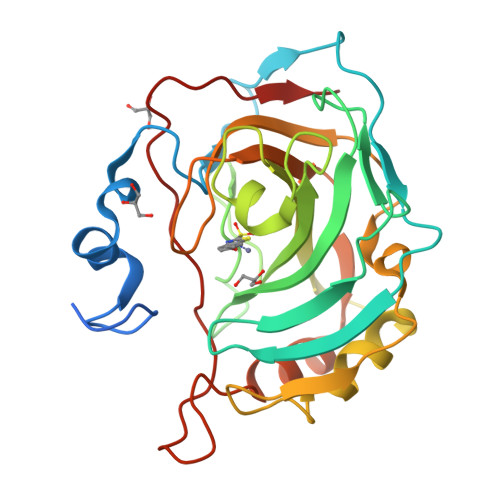 Click to view 3D structure | Carbonic anhydrase 7 | P43166 | Humans | Predicted (SEA) | - Prediction Confidence Score
- 0.175
- Applicability Domain
- 0.311
- Statistical Significance
- 0.7136
- Supporting Reference Compounds
- 242
- E-value
- 5555.55
|
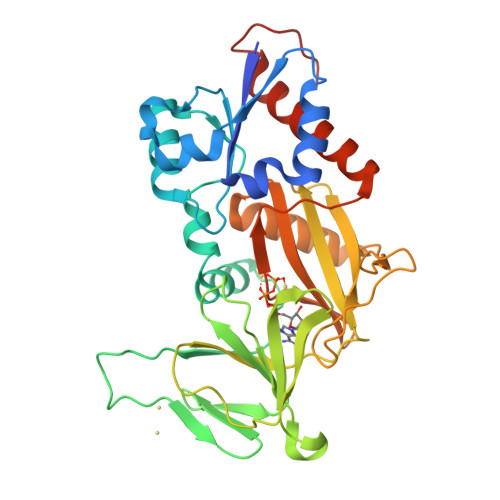 Click to view 3D structure | Inositol hexakisphosphate and diphosphoinositol-pentakisphosphate kinase 2 | O43314 | Humans | Predicted (SEA) | - Prediction Confidence Score
- 0.175
- Applicability Domain
- 0.175 Low confidence
- Statistical Significance
- 0.0014
- Supporting Reference Compounds
- 1
- E-value
- 10.6653
|
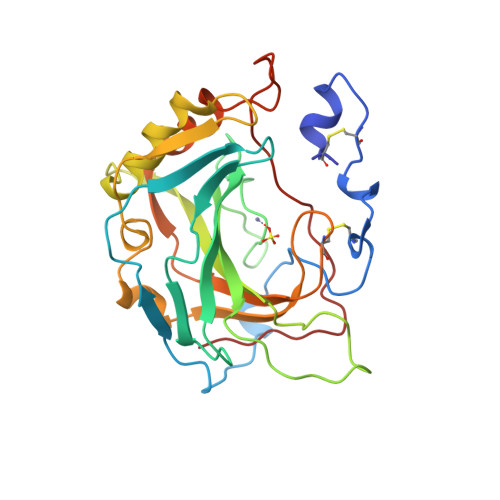 Click to view 3D structure | Carbonic anhydrase 4 | P22748 | Humans | Predicted (SEA) | - Prediction Confidence Score
- 0.174
- Applicability Domain
- 0.311
- Statistical Significance
- 0.6627
- Supporting Reference Compounds
- 193
- E-value
- 5159.15
|
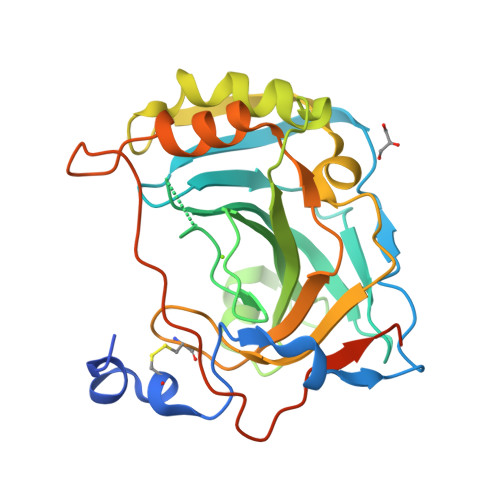 Click to view 3D structure | Carbonic anhydrase 6 | P23280 | Humans | Predicted (SEA) | - Prediction Confidence Score
- 0.173
- Applicability Domain
- 0.311
- Statistical Significance
- 0.5966
- Supporting Reference Compounds
- 151
- E-value
- 4644.56
|
| Click to view 3D structure | Carbonic anhydrase 5A, mitochondrial | P35218 | Humans | Predicted (SEA) | - Prediction Confidence Score
- 0.173
- Applicability Domain
- 0.311
- Statistical Significance
- 0.625
- Supporting Reference Compounds
- 165
- E-value
- 4865.27
|

