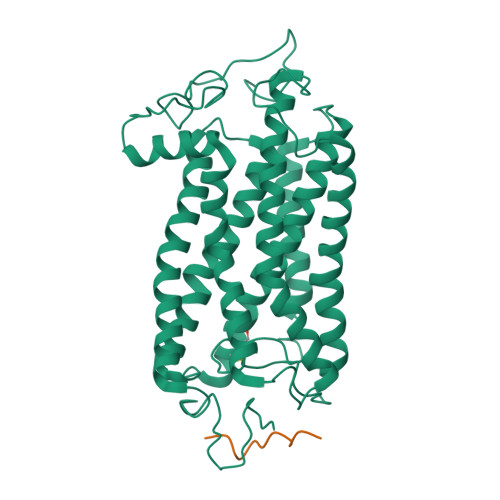
 Click to view 3D structure | Substance-P receptor | P25103 | Humans | Predicted (SEA) | - Prediction Confidence Score
- 0.241
- Applicability Domain
- 0.288 Low confidence
- Statistical Significance
- 0.1072
- Supporting Reference Compounds
- 122
- E-value
- 834.466
|
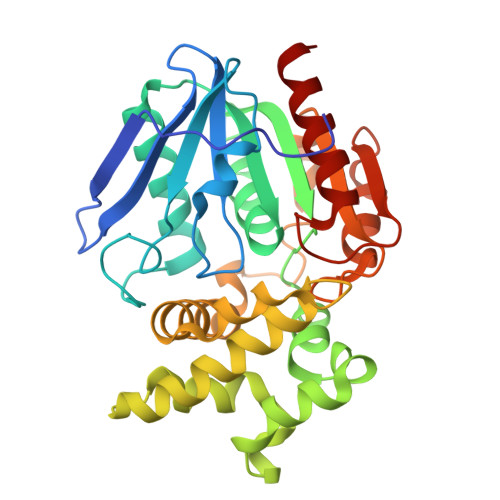 Click to view 3D structure | Proline iminopeptidase | O32449 | Serratia marcescens | Predicted (SEA) | - Prediction Confidence Score
- 0.228
- Applicability Domain
- 0.228 Low confidence
- Statistical Significance
- 3.20e-04
- Supporting Reference Compounds
- 1
- E-value
- 2.49118
|
 Click to view 3D structure | P2Y purinoceptor 14 | Q15391 | Humans | Predicted (SEA) | - Prediction Confidence Score
- 0.227
- Applicability Domain
- 0.239 Low confidence
- Statistical Significance
- 0.0312
- Supporting Reference Compounds
- 49
- E-value
- 242.578
|
| Click to view 3D structure | Sigma intracellular receptor 2 | Q5BJF2 | Humans | Predicted (SEA) | - Prediction Confidence Score
- 0.224
- Applicability Domain
- 0.239 Low confidence
- Statistical Significance
- 0.3366
- Supporting Reference Compounds
- 308
- E-value
- 2620.17
|
 Click to view 3D structure | Voltage-gated inwardly rectifying potassium channel KCNH2 | Q12809 | Humans | Predicted (SEA) | - Prediction Confidence Score
- 0.222
- Applicability Domain
- 0.227 Low confidence
- Statistical Significance
- 0.8323
- Supporting Reference Compounds
- 1498
- E-value
- 6479.62
|
 Click to view 3D structure | Sigma non-opioid intracellular receptor 1 | Q99720 | Humans | Predicted (SEA) | - Prediction Confidence Score
- 0.219
- Applicability Domain
- 0.239 Low confidence
- Statistical Significance
- 0.4998
- Supporting Reference Compounds
- 562
- E-value
- 3891.06
|
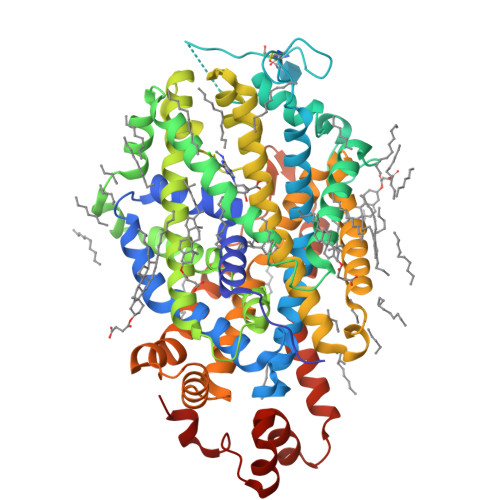 Click to view 3D structure | Sodium-dependent dopamine transporter | Q01959 | Humans | Predicted (SEA) | - Prediction Confidence Score
- 0.219
- Applicability Domain
- 0.224 Low confidence
- Statistical Significance
- 0.5092
- Supporting Reference Compounds
- 506
- E-value
- 3964.16
|
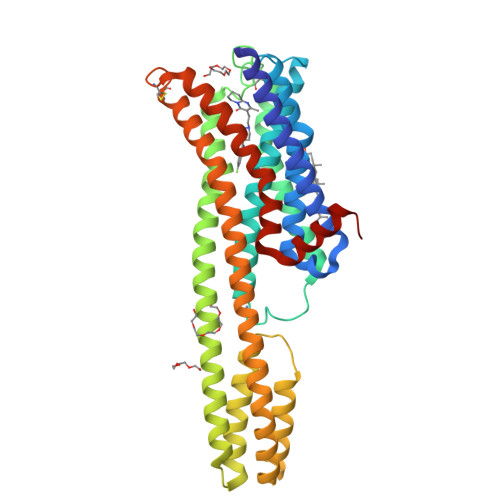 Click to view 3D structure | 5-hydroxytryptamine receptor 2A | P28223 | Humans | Predicted (SEA) | - Prediction Confidence Score
- 0.219
- Applicability Domain
- 0.239 Low confidence
- Statistical Significance
- 0.6318
- Supporting Reference Compounds
- 955
- E-value
- 4918.44
|
 Click to view 3D structure | 5-hydroxytryptamine receptor 1A | P08908 | Humans | Predicted (SEA) | - Prediction Confidence Score
- 0.218
- Applicability Domain
- 0.236 Low confidence
- Statistical Significance
- 0.6038
- Supporting Reference Compounds
- 953
- E-value
- 4700.46
|
 Click to view 3D structure | Histamine H1 receptor | P35367 | Humans | Predicted (SEA) | - Prediction Confidence Score
- 0.213
- Applicability Domain
- 0.239 Low confidence
- Statistical Significance
- 0.5686
- Supporting Reference Compounds
- 507
- E-value
- 4426.9
|
| Click to view 3D structure | P2Y purinoceptor 14 | Q9ESG6 | Mus musculus | Predicted (SEA) | - Prediction Confidence Score
- 0.211
- Applicability Domain
- 0.239 Low confidence
- Statistical Significance
- 0.0304
- Supporting Reference Compounds
- 26
- E-value
- 236.662
|
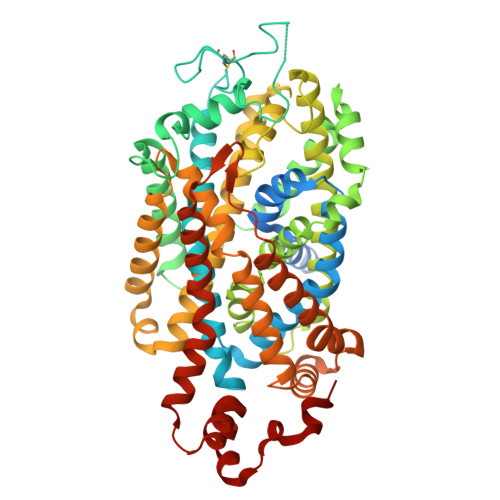 Click to view 3D structure | Sodium-dependent noradrenaline transporter | P23975 | Humans | Predicted (SEA) | - Prediction Confidence Score
- 0.209
- Applicability Domain
- 0.217 Low confidence
- Statistical Significance
- 0.5687
- Supporting Reference Compounds
- 451
- E-value
- 4427.52
|
| Click to view 3D structure | Cycloartenol-C-24-methyltransferase | Q9LM02 | Arabidopsis thaliana | Predicted (SEA) | - Prediction Confidence Score
- 0.206
- Applicability Domain
- 0.206 Low confidence
- Statistical Significance
- 0.0017
- Supporting Reference Compounds
- 1
- E-value
- 13.4679
|
 Click to view 3D structure | 5-hydroxytryptamine receptor 2C | P28335 | Humans | Predicted (SEA) | - Prediction Confidence Score
- 0.205
- Applicability Domain
- 0.222 Low confidence
- Statistical Significance
- 0.7558
- Supporting Reference Compounds
- 823
- E-value
- 5883.77
|
 Click to view 3D structure | Nuclear receptor ROR-gamma | P51449 | Humans | Predicted (SEA) | - Prediction Confidence Score
- 0.204
- Applicability Domain
- 0.233 Low confidence
- Statistical Significance
- 0.2324
- Supporting Reference Compounds
- 102
- E-value
- 1809.53
|
 Click to view 3D structure | D(3) dopamine receptor | P35462 | Humans | Predicted (SEA) | - Prediction Confidence Score
- 0.204
- Applicability Domain
- 0.217 Low confidence
- Statistical Significance
- 0.752
- Supporting Reference Compounds
- 861
- E-value
- 5854.18
|
 Click to view 3D structure | D(1A) dopamine receptor | P21728 | Humans | Predicted (SEA) | - Prediction Confidence Score
- 0.204
- Applicability Domain
- 0.217 Low confidence
- Statistical Significance
- 0.5951
- Supporting Reference Compounds
- 425
- E-value
- 4632.57
|
 Click to view 3D structure | 5-hydroxytryptamine receptor 2B | P41595 | Humans | Predicted (SEA) | - Prediction Confidence Score
- 0.203
- Applicability Domain
- 0.222 Low confidence
- Statistical Significance
- 0.7714
- Supporting Reference Compounds
- 686
- E-value
- 6005.13
|
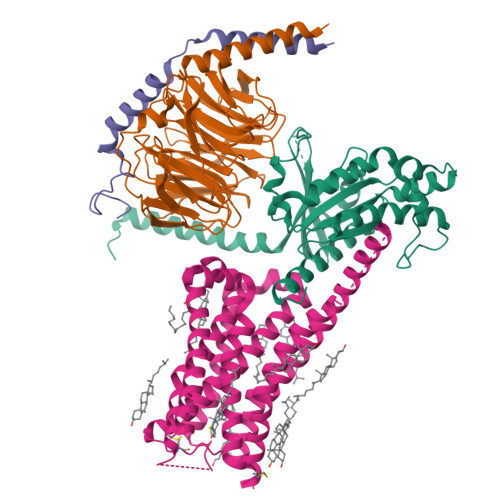 Click to view 3D structure | D(1B) dopamine receptor | P21918 | Humans | Predicted (SEA) | - Prediction Confidence Score
- 0.203
- Applicability Domain
- 0.217 Low confidence
- Statistical Significance
- 0.4422
- Supporting Reference Compounds
- 209
- E-value
- 3442.41
|
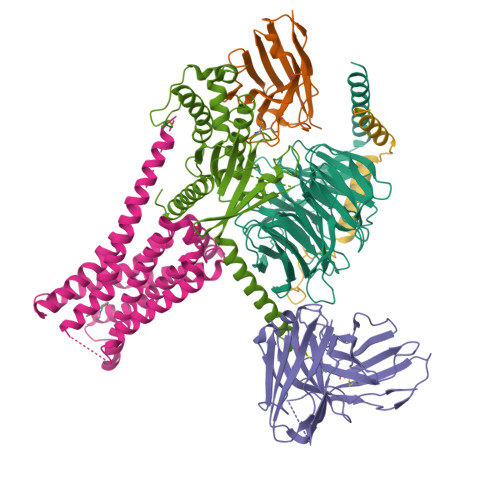 Click to view 3D structure | Beta-3 adrenergic receptor | P13945 | Humans | Predicted (SEA) | - Prediction Confidence Score
- 0.203
- Applicability Domain
- 0.239 Low confidence
- Statistical Significance
- 0.3482
- Supporting Reference Compounds
- 145
- E-value
- 2710.4
|
 Click to view 3D structure | Cytochrome P450 2D6 | P10635 | Humans | Predicted (SEA) | - Prediction Confidence Score
- 0.202
- Applicability Domain
- 0.239 Low confidence
- Statistical Significance
- 0.915
- Supporting Reference Compounds
- 1130
- E-value
- 7122.97
|
| Click to view 3D structure | Sigma non-opioid intracellular receptor 1 | Q9R0C9 | Rattus norvegicus | Predicted (SEA) | - Prediction Confidence Score
- 0.197
- Applicability Domain
- 0.236 Low confidence
- Statistical Significance
- 0.3792
- Supporting Reference Compounds
- 207
- E-value
- 2952.43
|
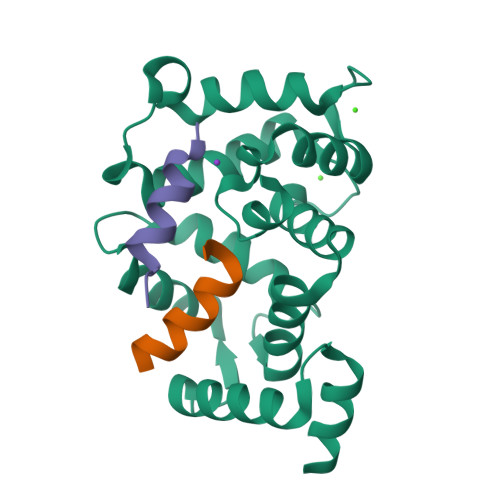 Click to view 3D structure | D(2) dopamine receptor | P14416 | Humans | Predicted (SEA) | - Prediction Confidence Score
- 0.197
- Applicability Domain
- 0.236 Low confidence
- Statistical Significance
- 0.8518
- Supporting Reference Compounds
- 1103
- E-value
- 6631.59
|
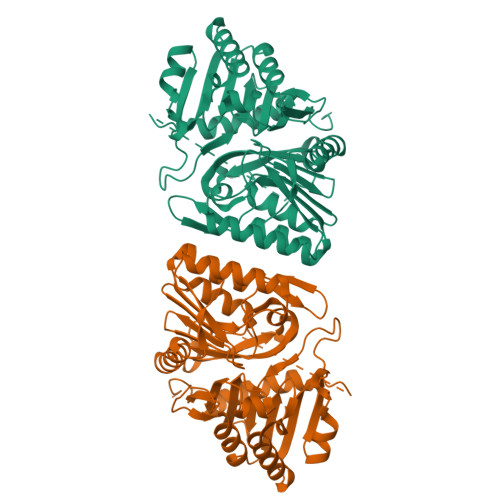 Click to view 3D structure | Envelope phospholipase OPG057 | P04021 | Vaccinia virus (strain Western Reserve) (VACV) (Vaccinia virus (strainWR)) | Predicted (SEA) | - Prediction Confidence Score
- 0.196
- Applicability Domain
- 0.196 Low confidence
- Statistical Significance
- 0.0283
- Supporting Reference Compounds
- 1
- E-value
- 220.391
|
 Click to view 3D structure | Sodium-dependent serotonin transporter | P31645 | Humans | Predicted (SEA) | - Prediction Confidence Score
- 0.196
- Applicability Domain
- 0.217 Low confidence
- Statistical Significance
- 0.785
- Supporting Reference Compounds
- 593
- E-value
- 6111.55
|

