 Click to view 3D structure | Asc-type amino acid transporter 1 | P63116 | Rat | Predicted (SEA) | - Prediction Confidence Score
- 0.172
- Applicability Domain
- 0.172 Low confidence
- Statistical Significance
- 0.0031
- Supporting Reference Compounds
- 2
- E-value
- 23.8219
|
 Click to view 3D structure | Liver carboxylesterase 1 | P23141 | Humans | Predicted (SEA) | - Prediction Confidence Score
- 0.143
- Applicability Domain
- 0.15 Low confidence
- Statistical Significance
- 0.6289
- Supporting Reference Compounds
- 55
- E-value
- 4896.09
|
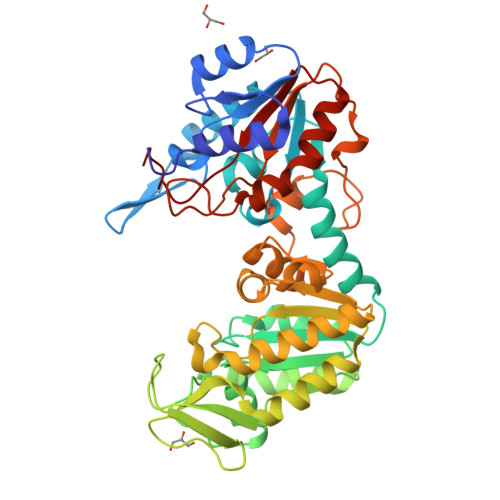 Click to view 3D structure | Phosphoglycerate kinase | P00560 | Saccharomyces cerevisiae S288c | Predicted (SEA) | - Prediction Confidence Score
- 0.139
- Applicability Domain
- 0.139 Low confidence
- Statistical Significance
- 0.0029
- Supporting Reference Compounds
- 1
- E-value
- 22.5763
|
 Click to view 3D structure | Liver carboxylesterase | Q29550 | Sus scrofa | Predicted (SEA) | - Prediction Confidence Score
- 0.138
- Applicability Domain
- 0.15 Low confidence
- Statistical Significance
- 0.3903
- Supporting Reference Compounds
- 20
- E-value
- 3038.3
|
| Click to view 3D structure | Liver carboxylesterase B-1 | Q63010 | Rattus norvegicus | Predicted (SEA) | - Prediction Confidence Score
- 0.138
- Applicability Domain
- 0.15 Low confidence
- Statistical Significance
- 0.0188
- Supporting Reference Compounds
- 6
- E-value
- 146.746
|
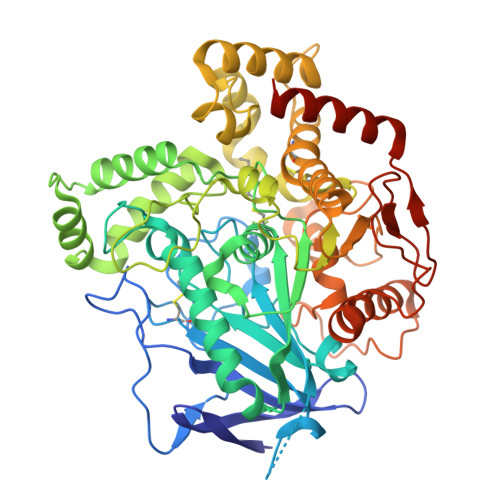 Click to view 3D structure | Juvenile hormone esterase | Q9GPG0 | Manduca sexta | Predicted (SEA) | - Prediction Confidence Score
- 0.134
- Applicability Domain
- 0.143 Low confidence
- Statistical Significance
- 0.0229
- Supporting Reference Compounds
- 2
- E-value
- 178.43
|
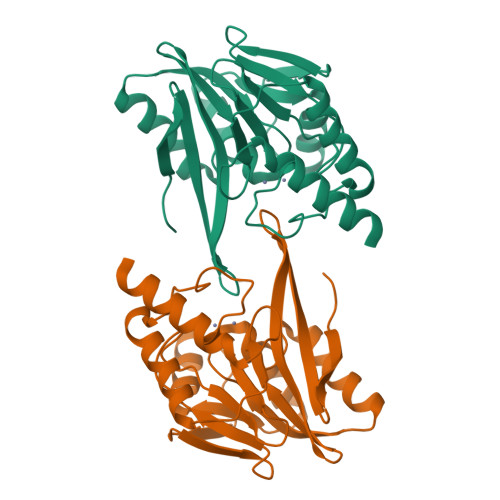 Click to view 3D structure | GIM-1 protein | Q704V1 | Pseudomonas aeruginosa | Predicted (SEA) | - Prediction Confidence Score
- 0.134
- Applicability Domain
- 0.143 Low confidence
- Statistical Significance
- 0.2021
- Supporting Reference Compounds
- 2
- E-value
- 1573.25
|
| Click to view 3D structure | Cocaine esterase | O00748 | Humans | Predicted (SEA) | - Prediction Confidence Score
- 0.133
- Applicability Domain
- 0.143 Low confidence
- Statistical Significance
- 0.7843
- Supporting Reference Compounds
- 40
- E-value
- 6105.79
|
| Click to view 3D structure | Fatty-acid amide hydrolase 1 | O00519 | Humans | Predicted (SEA) | - Prediction Confidence Score
- 0.132
- Applicability Domain
- 0.143 Low confidence
- Statistical Significance
- 0.9775
- Supporting Reference Compounds
- 106
- E-value
- 7610.15
|
| Click to view 3D structure | CG8425-PA [Drosophila melanogaster] | A1ZA98 | Drosophila melanogaster | Predicted (SEA) | - Prediction Confidence Score
- 0.13
- Applicability Domain
- 0.143 Low confidence
- Statistical Significance
- 0.028
- Supporting Reference Compounds
- 4
- E-value
- 218.367
|
 Click to view 3D structure | Nuclear receptor ROR-gamma | P51449 | Humans | Predicted (SEA) | - Prediction Confidence Score
- 0.129
- Applicability Domain
- 0.156 Low confidence
- Statistical Significance
- 0.9757
- Supporting Reference Compounds
- 102
- E-value
- 7595.67
|
 Click to view 3D structure | Acylcarnitine hydrolase | Q91WG0 | Mus musculus | Predicted (SEA) | - Prediction Confidence Score
- 0.127
- Applicability Domain
- 0.128 Low confidence
- Statistical Significance
- 0.0332
- Supporting Reference Compounds
- 2
- E-value
- 258.537
|
| Click to view 3D structure | Hemagglutinin-neuraminidase | Q06992 | Human parainfluenza virus 1 | Predicted (SEA) | - Prediction Confidence Score
- 0.124
- Applicability Domain
- 0.148 Low confidence
- Statistical Significance
- 0.0851
- Supporting Reference Compounds
- 3
- E-value
- 662.497
|
| Click to view 3D structure | Esterase | A3QR02 | Chilo suppressalis | Predicted (SEA) | - Prediction Confidence Score
- 0.122
- Applicability Domain
- 0.122 Low confidence
- Statistical Significance
- 0.0261
- Supporting Reference Compounds
- 1
- E-value
- 203.576
|
 Click to view 3D structure | Nuclear receptor subfamily 1 group I member 2 | O75469 | Humans | Predicted (SEA) | - Prediction Confidence Score
- 0.122
- Applicability Domain
- 0.185 Low confidence
- Statistical Significance
- 0.9961
- Supporting Reference Compounds
- 146
- E-value
- 7754.25
|
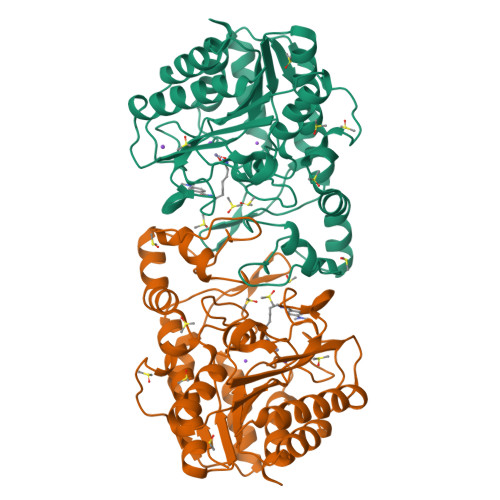 Click to view 3D structure | Acetylpolyamine amidohydrolase | Q48935 | Mycoplana ramosa | Predicted (SEA) | - Prediction Confidence Score
- 0.119
- Applicability Domain
- 0.119 Low confidence
- Statistical Significance
- 0.038
- Supporting Reference Compounds
- 1
- E-value
- 295.671
|
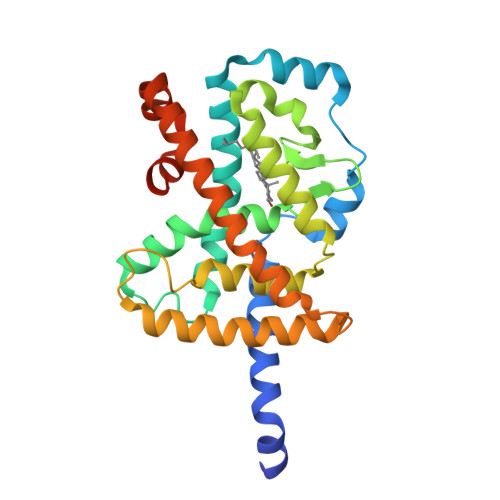 Click to view 3D structure | Nuclear receptor ROR-alpha | P35398 | Humans | Predicted (SEA) | - Prediction Confidence Score
- 0.119
- Applicability Domain
- 0.125 Low confidence
- Statistical Significance
- 0.9649
- Supporting Reference Compounds
- 41
- E-value
- 7511.98
|
| Click to view 3D structure | Ryanodien receptor | H9CNL0 | Spodoptera exigua | Predicted (SEA) | - Prediction Confidence Score
- 0.119
- Applicability Domain
- 0.119 Low confidence
- Statistical Significance
- 0.5073
- Supporting Reference Compounds
- 1
- E-value
- 3949.52
|
 Click to view 3D structure | Muscarinic acetylcholine receptor M1 | P11229 | Humans | Predicted (SEA) | - Prediction Confidence Score
- 0.115
- Applicability Domain
- 0.118 Low confidence
- Statistical Significance
- 0.9995
- Supporting Reference Compounds
- 385
- E-value
- 7780.72
|
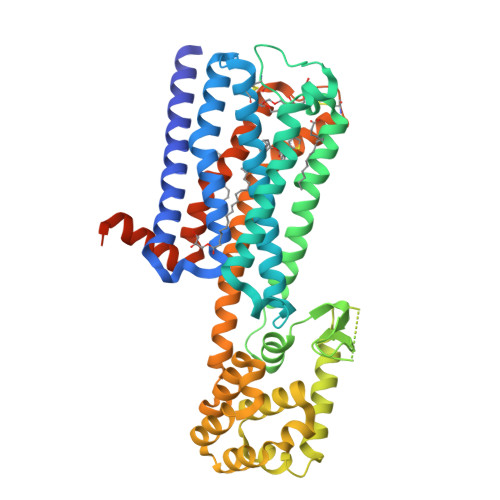 Click to view 3D structure | Muscarinic acetylcholine receptor M5 | P08912 | Humans | Predicted (SEA) | - Prediction Confidence Score
- 0.115
- Applicability Domain
- 0.118 Low confidence
- Statistical Significance
- 0.999
- Supporting Reference Compounds
- 266
- E-value
- 7777.06
|
 Click to view 3D structure | Muscarinic acetylcholine receptor M2 | P08172 | Humans | Predicted (SEA) | - Prediction Confidence Score
- 0.115
- Applicability Domain
- 0.118 Low confidence
- Statistical Significance
- 0.9995
- Supporting Reference Compounds
- 373
- E-value
- 7780.95
|
 Click to view 3D structure | Muscarinic acetylcholine receptor M3 | P20309 | Humans | Predicted (SEA) | - Prediction Confidence Score
- 0.115
- Applicability Domain
- 0.118 Low confidence
- Statistical Significance
- 0.9992
- Supporting Reference Compounds
- 310
- E-value
- 7778.93
|
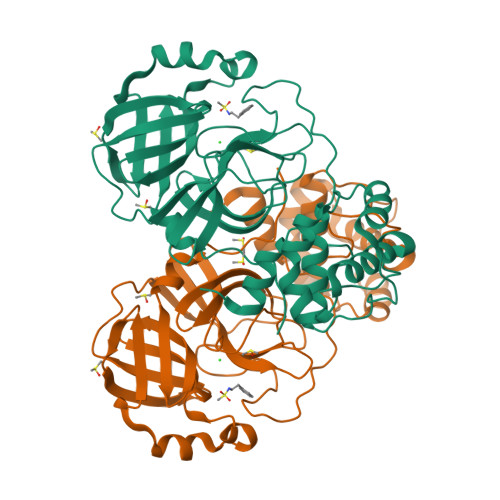 Click to view 3D structure | Replicase polyprotein 1ab | P0DTD1 | SARS-CoV-2 | Predicted (SEA) | - Prediction Confidence Score
- 0.114
- Applicability Domain
- 0.122 Low confidence
- Statistical Significance
- 0.9992
- Supporting Reference Compounds
- 215
- E-value
- 7778.85
|
 Click to view 3D structure | Inward rectifier potassium channel 2 | P35561 | Mus musculus | Predicted (SEA) | - Prediction Confidence Score
- 0.114
- Applicability Domain
- 0.114 Low confidence
- Statistical Significance
- 0.6073
- Supporting Reference Compounds
- 1
- E-value
- 4727.71
|
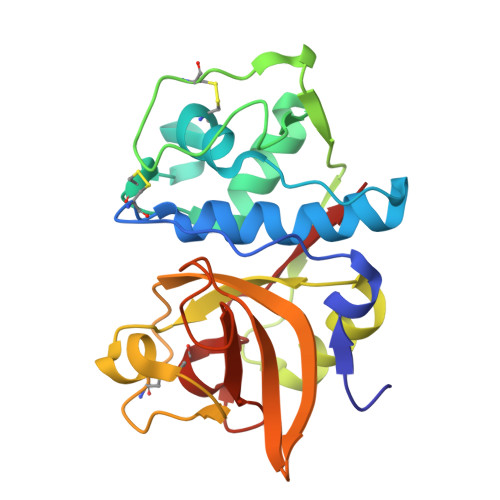 Click to view 3D structure | Cathepsin S | P25774 | Humans | Predicted (SEA) | - Prediction Confidence Score
- 0.113
- Applicability Domain
- 0.122 Low confidence
- Statistical Significance
- 0.9969
- Supporting Reference Compounds
- 141
- E-value
- 7761.1
|

