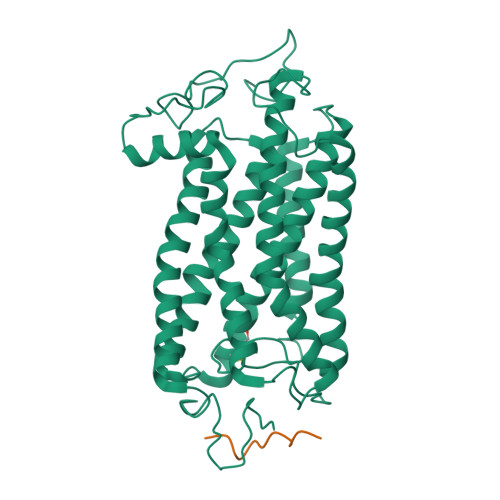
 Click to view 3D structure | Substance-P receptor | P25103 | Humans | Predicted (SEA) | - Prediction Confidence Score
- 0.257
- Applicability Domain
- 0.281 Low confidence
- Statistical Significance
- 0.0693
- Supporting Reference Compounds
- 122
- E-value
- 539.651
|
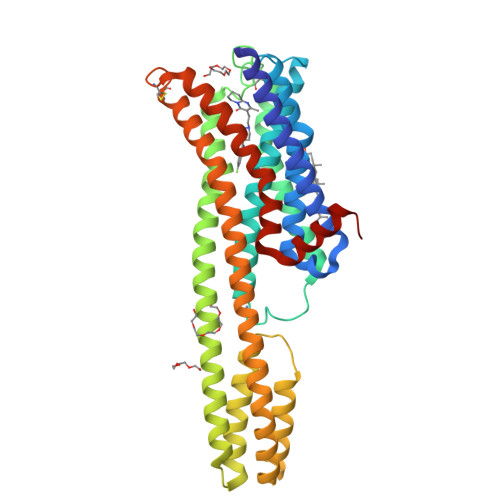 Click to view 3D structure | 5-hydroxytryptamine receptor 2A | P28223 | Humans | Predicted (SEA) | - Prediction Confidence Score
- 0.229
- Applicability Domain
- 0.253 Low confidence
- Statistical Significance
- 0.5112
- Supporting Reference Compounds
- 955
- E-value
- 3979.42
|
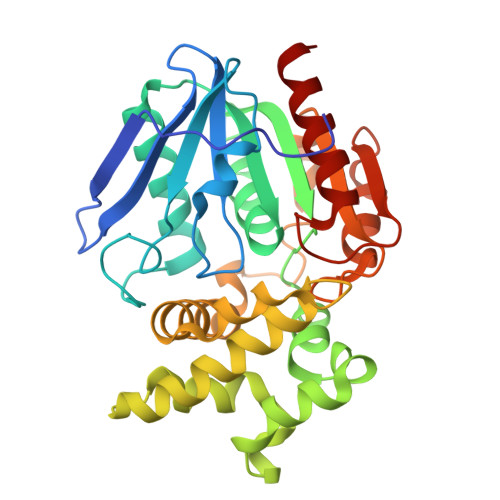 Click to view 3D structure | Proline iminopeptidase | O32449 | Serratia marcescens | Predicted (SEA) | - Prediction Confidence Score
- 0.226
- Applicability Domain
- 0.226 Low confidence
- Statistical Significance
- 3.40e-04
- Supporting Reference Compounds
- 1
- E-value
- 2.64687
|
 Click to view 3D structure | Sigma non-opioid intracellular receptor 1 | Q99720 | Humans | Predicted (SEA) | - Prediction Confidence Score
- 0.222
- Applicability Domain
- 0.253 Low confidence
- Statistical Significance
- 0.4719
- Supporting Reference Compounds
- 562
- E-value
- 3674.02
|
 Click to view 3D structure | 5-hydroxytryptamine receptor 1A | P08908 | Humans | Predicted (SEA) | - Prediction Confidence Score
- 0.221
- Applicability Domain
- 0.253 Low confidence
- Statistical Significance
- 0.564
- Supporting Reference Compounds
- 953
- E-value
- 4390.46
|
 Click to view 3D structure | 5-hydroxytryptamine receptor 2C | P28335 | Humans | Predicted (SEA) | - Prediction Confidence Score
- 0.22
- Applicability Domain
- 0.253 Low confidence
- Statistical Significance
- 0.5851
- Supporting Reference Compounds
- 823
- E-value
- 4555.27
|
 Click to view 3D structure | Sigma intracellular receptor 2 | Q5BJF2 | Humans | Predicted (SEA) | - Prediction Confidence Score
- 0.22
- Applicability Domain
- 0.253 Low confidence
- Statistical Significance
- 0.3907
- Supporting Reference Compounds
- 308
- E-value
- 3041.88
|
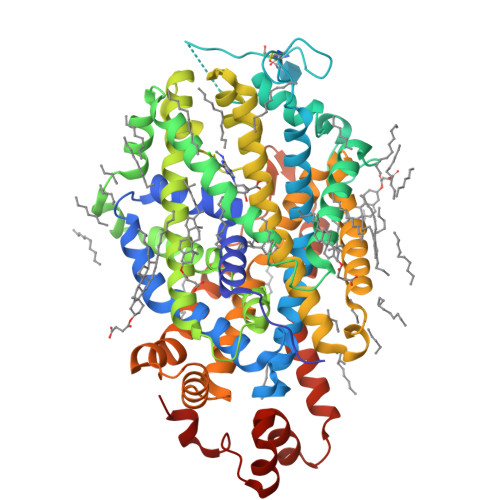 Click to view 3D structure | Sodium-dependent dopamine transporter | Q01959 | Humans | Predicted (SEA) | - Prediction Confidence Score
- 0.22
- Applicability Domain
- 0.253 Low confidence
- Statistical Significance
- 0.4974
- Supporting Reference Compounds
- 506
- E-value
- 3872.06
|
 Click to view 3D structure | Voltage-gated inwardly rectifying potassium channel KCNH2 | Q12809 | Humans | Predicted (SEA) | - Prediction Confidence Score
- 0.219
- Applicability Domain
- 0.257 Low confidence
- Statistical Significance
- 0.8565
- Supporting Reference Compounds
- 1498
- E-value
- 6668.02
|
 Click to view 3D structure | Histamine H1 receptor | P35367 | Humans | Predicted (SEA) | - Prediction Confidence Score
- 0.216
- Applicability Domain
- 0.253 Low confidence
- Statistical Significance
- 0.5262
- Supporting Reference Compounds
- 507
- E-value
- 4096.5
|
 Click to view 3D structure | 5-hydroxytryptamine receptor 2B | P41595 | Humans | Predicted (SEA) | - Prediction Confidence Score
- 0.216
- Applicability Domain
- 0.253 Low confidence
- Statistical Significance
- 0.6202
- Supporting Reference Compounds
- 686
- E-value
- 4827.98
|
 Click to view 3D structure | Cytochrome P450 2D6 | P10635 | Humans | Predicted (SEA) | - Prediction Confidence Score
- 0.216
- Applicability Domain
- 0.257 Low confidence
- Statistical Significance
- 0.8281
- Supporting Reference Compounds
- 1130
- E-value
- 6446.93
|
| Click to view 3D structure | P2Y purinoceptor 14 | Q15391 | Humans | Predicted (SEA) | - Prediction Confidence Score
- 0.212
- Applicability Domain
- 0.221 Low confidence
- Statistical Significance
- 0.0582
- Supporting Reference Compounds
- 49
- E-value
- 453.082
|
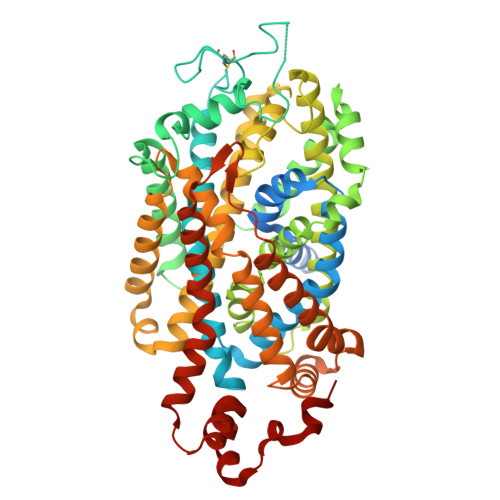 Click to view 3D structure | Sodium-dependent noradrenaline transporter | P23975 | Humans | Predicted (SEA) | - Prediction Confidence Score
- 0.208
- Applicability Domain
- 0.221 Low confidence
- Statistical Significance
- 0.5917
- Supporting Reference Compounds
- 451
- E-value
- 4606.65
|
 Click to view 3D structure | D(3) dopamine receptor | P35462 | Humans | Predicted (SEA) | - Prediction Confidence Score
- 0.204
- Applicability Domain
- 0.238 Low confidence
- Statistical Significance
- 0.7517
- Supporting Reference Compounds
- 861
- E-value
- 5851.61
|
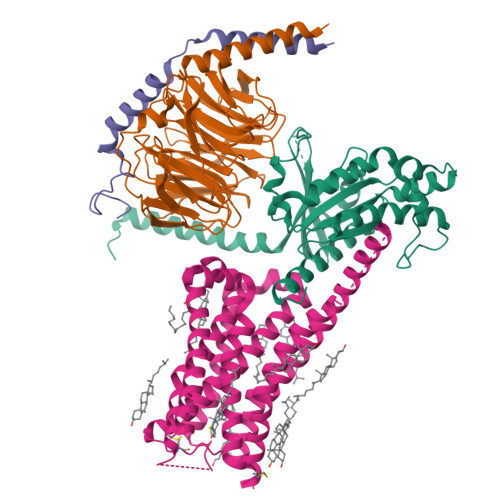 Click to view 3D structure | D(1B) dopamine receptor | P21918 | Humans | Predicted (SEA) | - Prediction Confidence Score
- 0.203
- Applicability Domain
- 0.238 Low confidence
- Statistical Significance
- 0.441
- Supporting Reference Compounds
- 209
- E-value
- 3433.23
|
| Click to view 3D structure | Sigma non-opioid intracellular receptor 1 | Q9R0C9 | Rattus norvegicus | Predicted (SEA) | - Prediction Confidence Score
- 0.203
- Applicability Domain
- 0.221 Low confidence
- Statistical Significance
- 0.3212
- Supporting Reference Compounds
- 207
- E-value
- 2500.75
|
 Click to view 3D structure | D(1A) dopamine receptor | P21728 | Humans | Predicted (SEA) | - Prediction Confidence Score
- 0.202
- Applicability Domain
- 0.238 Low confidence
- Statistical Significance
- 0.6206
- Supporting Reference Compounds
- 425
- E-value
- 4831.63
|
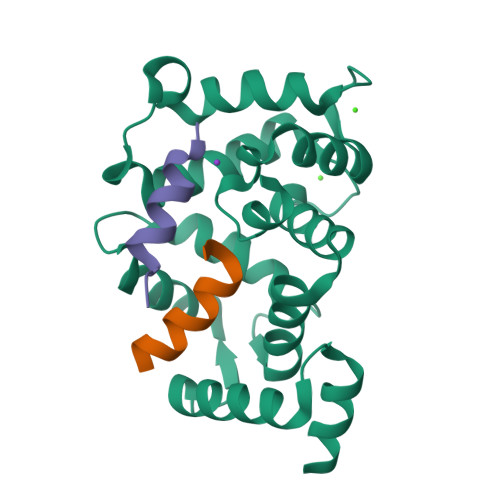 Click to view 3D structure | D(2) dopamine receptor | P14416 | Humans | Predicted (SEA) | - Prediction Confidence Score
- 0.198
- Applicability Domain
- 0.238 Low confidence
- Statistical Significance
- 0.8404
- Supporting Reference Compounds
- 1103
- E-value
- 6542.29
|
| Click to view 3D structure | P2Y purinoceptor 14 | Q9ESG6 | Mus musculus | Predicted (SEA) | - Prediction Confidence Score
- 0.198
- Applicability Domain
- 0.221 Low confidence
- Statistical Significance
- 0.0567
- Supporting Reference Compounds
- 26
- E-value
- 441.405
|
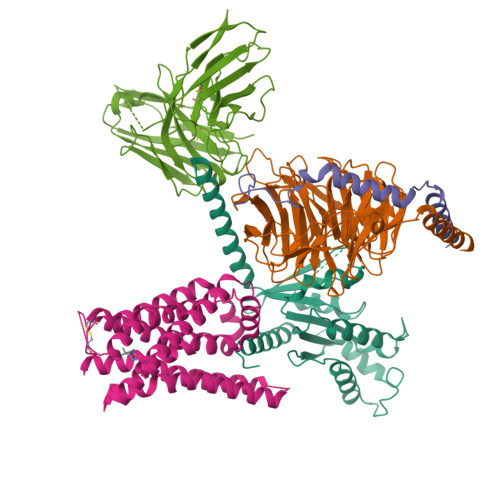 Click to view 3D structure | Alpha-2B adrenergic receptor | P18089 | Humans | Predicted (SEA) | - Prediction Confidence Score
- 0.196
- Applicability Domain
- 0.213 Low confidence
- Statistical Significance
- 0.6505
- Supporting Reference Compounds
- 340
- E-value
- 5064.25
|
 Click to view 3D structure | Sodium-dependent serotonin transporter | P31645 | Humans | Predicted (SEA) | - Prediction Confidence Score
- 0.195
- Applicability Domain
- 0.215 Low confidence
- Statistical Significance
- 0.7882
- Supporting Reference Compounds
- 593
- E-value
- 6136.23
|
 Click to view 3D structure | 5-hydroxytryptamine receptor 6 | P50406 | Humans | Predicted (SEA) | - Prediction Confidence Score
- 0.195
- Applicability Domain
- 0.238 Low confidence
- Statistical Significance
- 0.7425
- Supporting Reference Compounds
- 536
- E-value
- 5780.38
|
 Click to view 3D structure | 5-hydroxytryptamine receptor 1D | P28221 | Humans | Predicted (SEA) | - Prediction Confidence Score
- 0.193
- Applicability Domain
- 0.238 Low confidence
- Statistical Significance
- 0.7223
- Supporting Reference Compounds
- 365
- E-value
- 5622.82
|
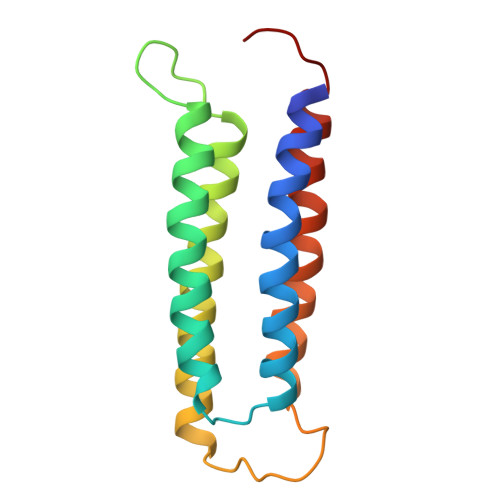 Click to view 3D structure | Neuronal acetylcholine receptor subunit alpha-7 | P36544 | Humans | Predicted (SEA) | - Prediction Confidence Score
- 0.193
- Applicability Domain
- 0.214 Low confidence
- Statistical Significance
- 0.3333
- Supporting Reference Compounds
- 77
- E-value
- 2594.4
|

