 Click to view 3D structure | Liver carboxylesterase 1 | P23141 | Humans | Predicted (SEA) | - Prediction Confidence Score
- 0.121
- Applicability Domain
- 0.128 Low confidence
- Statistical Significance
- 0.8843
- Supporting Reference Compounds
- 55
- E-value
- 6884.36
|
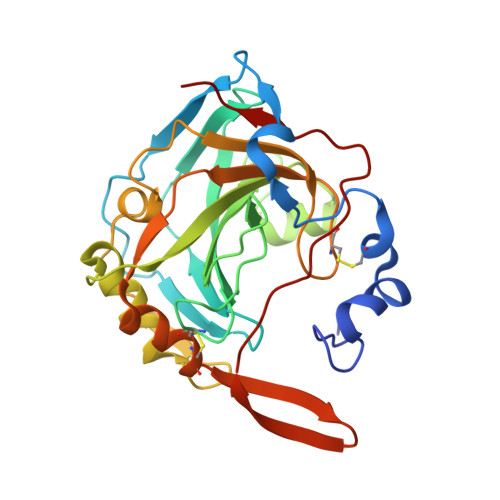 Click to view 3D structure | Receptor-type tyrosine-protein phosphatase zeta | P23471 | Humans | Predicted (SEA) | - Prediction Confidence Score
- 0.119
- Applicability Domain
- 0.149 Low confidence
- Statistical Significance
- 0.1171
- Supporting Reference Compounds
- 2
- E-value
- 911.614
|
 Click to view 3D structure | Liver carboxylesterase B-1 | Q63010 | Rattus norvegicus | Predicted (SEA) | - Prediction Confidence Score
- 0.118
- Applicability Domain
- 0.128 Low confidence
- Statistical Significance
- 0.0543
- Supporting Reference Compounds
- 6
- E-value
- 423.033
|
 Click to view 3D structure | Liver carboxylesterase | Q29550 | Sus scrofa | Predicted (SEA) | - Prediction Confidence Score
- 0.117
- Applicability Domain
- 0.128 Low confidence
- Statistical Significance
- 0.6681
- Supporting Reference Compounds
- 20
- E-value
- 5200.95
|
| Click to view 3D structure | Utrophin | E9Q6R7 | Mus musculus | Predicted (SEA) | - Prediction Confidence Score
- 0.117
- Applicability Domain
- 0.117 Low confidence
- Statistical Significance
- 0.7464
- Supporting Reference Compounds
- 1
- E-value
- 5810.9
|
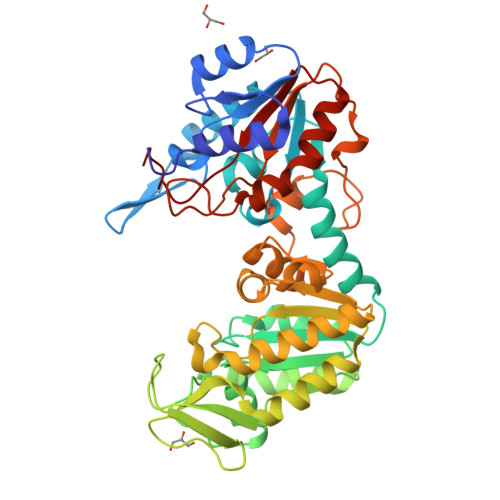 Click to view 3D structure | Phosphoglycerate kinase | P00560 | Saccharomyces cerevisiae S288c | Predicted (SEA) | - Prediction Confidence Score
- 0.116
- Applicability Domain
- 0.116 Low confidence
- Statistical Significance
- 0.0128
- Supporting Reference Compounds
- 1
- E-value
- 99.4913
|
| Click to view 3D structure | CG8425-PA [Drosophila melanogaster] | A1ZA98 | Drosophila melanogaster | Predicted (SEA) | - Prediction Confidence Score
- 0.116
- Applicability Domain
- 0.13 Low confidence
- Statistical Significance
- 0.0541
- Supporting Reference Compounds
- 4
- E-value
- 421.009
|
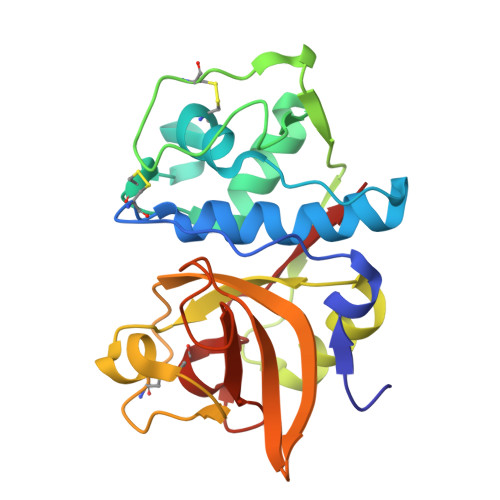 Click to view 3D structure | Cathepsin S | P25774 | Humans | Predicted (SEA) | - Prediction Confidence Score
- 0.116
- Applicability Domain
- 0.133 Low confidence
- Statistical Significance
- 0.996
- Supporting Reference Compounds
- 141
- E-value
- 7753.55
|
 Click to view 3D structure | Cathepsin B | P07858 | Humans | Predicted (SEA) | - Prediction Confidence Score
- 0.116
- Applicability Domain
- 0.133 Low confidence
- Statistical Significance
- 0.9973
- Supporting Reference Compounds
- 173
- E-value
- 7764.29
|
 Click to view 3D structure | Cathepsin K | P43235 | Humans | Predicted (SEA) | - Prediction Confidence Score
- 0.116
- Applicability Domain
- 0.133 Low confidence
- Statistical Significance
- 0.9951
- Supporting Reference Compounds
- 129
- E-value
- 7746.93
|
 Click to view 3D structure | Carbonic anhydrase 2 | P00918 | Humans | Predicted (SEA) | - Prediction Confidence Score
- 0.116
- Applicability Domain
- 0.19 Low confidence
- Statistical Significance
- 0.9993
- Supporting Reference Compounds
- 472
- E-value
- 7779.24
|
 Click to view 3D structure | Carbonic anhydrase 1 | P00915 | Humans | Predicted (SEA) | - Prediction Confidence Score
- 0.116
- Applicability Domain
- 0.19 Low confidence
- Statistical Significance
- 0.999
- Supporting Reference Compounds
- 407
- E-value
- 7777.29
|
 Click to view 3D structure | Procathepsin L | P07711 | Humans | Predicted (SEA) | - Prediction Confidence Score
- 0.115
- Applicability Domain
- 0.133 Low confidence
- Statistical Significance
- 0.9972
- Supporting Reference Compounds
- 167
- E-value
- 7762.89
|
| Click to view 3D structure | Voltage-gated potassium channel KCNC1 | P25122 | Rattus norvegicus | Predicted (SEA) | - Prediction Confidence Score
- 0.113
- Applicability Domain
- 0.113 Low confidence
- Statistical Significance
- 0.2379
- Supporting Reference Compounds
- 1
- E-value
- 1852.11
|
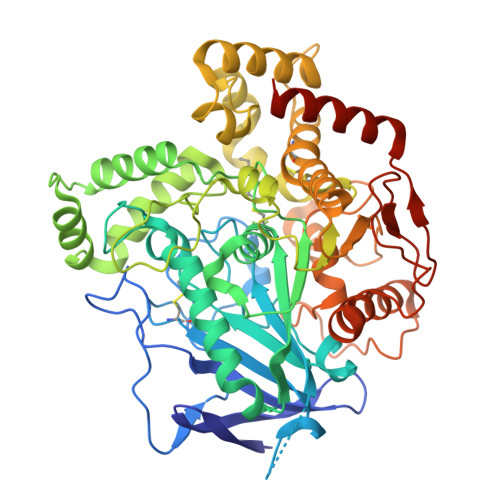 Click to view 3D structure | Juvenile hormone esterase | Q9GPG0 | Manduca sexta | Predicted (SEA) | - Prediction Confidence Score
- 0.113
- Applicability Domain
- 0.119 Low confidence
- Statistical Significance
- 0.0582
- Supporting Reference Compounds
- 2
- E-value
- 452.849
|
| Click to view 3D structure | Cocaine esterase | O00748 | Humans | Predicted (SEA) | - Prediction Confidence Score
- 0.112
- Applicability Domain
- 0.119 Low confidence
- Statistical Significance
- 0.9475
- Supporting Reference Compounds
- 40
- E-value
- 7375.98
|
| Click to view 3D structure | Fatty-acid amide hydrolase 1 | O00519 | Humans | Predicted (SEA) | - Prediction Confidence Score
- 0.111
- Applicability Domain
- 0.119 Low confidence
- Statistical Significance
- 0.9964
- Supporting Reference Compounds
- 106
- E-value
- 7756.9
|
 Click to view 3D structure | Voltage-gated inwardly rectifying potassium channel KCNH2 | Q12809 | Humans | Predicted (SEA) | - Prediction Confidence Score
- 0.111
- Applicability Domain
- 0.116 Low confidence
- Statistical Significance
- 0.9997
- Supporting Reference Compounds
- 1498
- E-value
- 7782.82
|
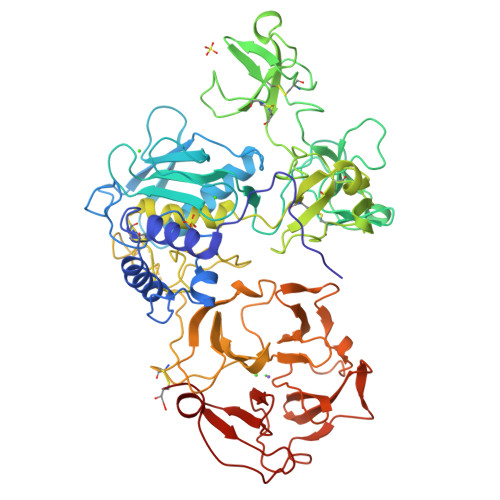 Click to view 3D structure | 72 kDa type IV collagenase | P08253 | Humans | Predicted (SEA) | - Prediction Confidence Score
- 0.111
- Applicability Domain
- 0.19 Low confidence
- Statistical Significance
- 0.9993
- Supporting Reference Compounds
- 400
- E-value
- 7779.55
|
 Click to view 3D structure | Acetylcholinesterase | P22303 | Humans | Predicted (SEA) | - Prediction Confidence Score
- 0.11
- Applicability Domain
- 0.135 Low confidence
- Statistical Significance
- 0.9994
- Supporting Reference Compounds
- 406
- E-value
- 7780.41
|
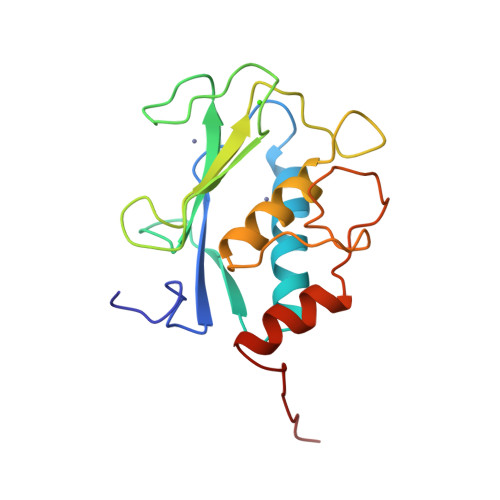 Click to view 3D structure | Interstitial collagenase | P03956 | Humans | Predicted (SEA) | - Prediction Confidence Score
- 0.109
- Applicability Domain
- 0.19 Low confidence
- Statistical Significance
- 0.9986
- Supporting Reference Compounds
- 258
- E-value
- 7774.41
|
 Click to view 3D structure | Estrogen receptor beta | Q92731 | Humans | Predicted (SEA) | - Prediction Confidence Score
- 0.109
- Applicability Domain
- 0.133 Low confidence
- Statistical Significance
- 0.9989
- Supporting Reference Compounds
- 174
- E-value
- 7776.44
|
 Click to view 3D structure | Nuclear receptor ROR-gamma | P51449 | Humans | Predicted (SEA) | - Prediction Confidence Score
- 0.109
- Applicability Domain
- 0.129 Low confidence
- Statistical Significance
- 0.9956
- Supporting Reference Compounds
- 102
- E-value
- 7750.9
|
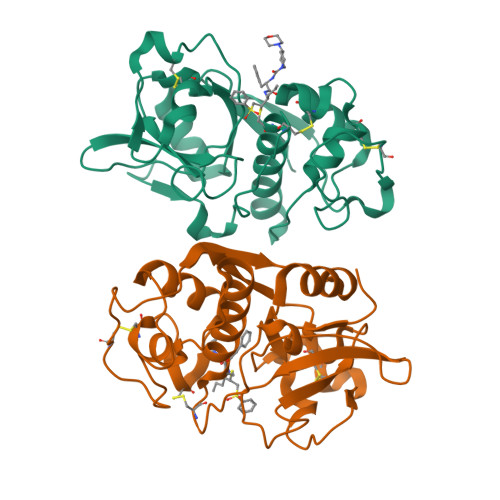 Click to view 3D structure | Cathepsin F | Q9UBX1 | Humans | Predicted (SEA) | - Prediction Confidence Score
- 0.108
- Applicability Domain
- 0.133 Low confidence
- Statistical Significance
- 0.9012
- Supporting Reference Compounds
- 15
- E-value
- 7015.46
|
 Click to view 3D structure | Acylcarnitine hydrolase | Q91WG0 | Mus musculus | Predicted (SEA) | - Prediction Confidence Score
- 0.108
- Applicability Domain
- 0.109 Low confidence
- Statistical Significance
- 0.0869
- Supporting Reference Compounds
- 2
- E-value
- 676.51
|

