Iron hydroxide oxide (CED0001256)

Record Information
Version1.0
Creation Date2026-04-06 07:33:57 UTC
Update Date2026-04-16 22:25:24 UTC
SynCED IDCED0001256
Secondary Accession Numbers
  • CHEM119983
Identification
Common NameIron hydroxide oxide
ClassSmall Molecule
Description
Iron hydroxide oxide (FeHO2) is an inorganic compound with an average molecular weight of 88.85 g/mol. Iron hydroxide oxide belongs to the transition metal oxides, a subclass of transition metal organides within the inorganic compounds. It is categorized under the superclass of mixed metal/non-metal compounds. In industrial applications, the compound serves as a catalyst (PMC10532518 ). Iron hydroxide oxide is found in or released from two recorded sources, which include food, food processing and cookware specifically for processing meats, as well as electrical and electronic equipment such as communication cables or conductors.
Contaminant TypeNot Available
Chemical Structure
SynonymsNot Available
Chemical FormulaFeHO2
Average Molecular Mass88.851 g/mol
Monoisotopic Mass88.933 g/mol
CAS Registry Number12022-37-6
IUPAC NameNot Available
Traditional NameNot Available
SMILESO[Fe]=O
InChI IdentifierInChI=1S/Fe.H2O.O/h;1H2;/q+1;;/p-1
InChI KeyAEIXRCIKZIZYPM-UHFFFAOYSA-M
Chemical Taxonomy
ClassificationNot classified
Biological Properties
StatusDetected and Not Quantified
OriginNot Available
Cellular LocationsNot Available
Biofluid LocationsNot Available
Tissue LocationsNot Available
ApplicationsNot Available
Biological Roles
Chemical RolesNot Available
Organoleptic Effects
  • white colour ?
  • orange colour ?
  • dark brown colour ?
  • yellow-brown colour ?
Physical Properties
StateNot Available
AppearanceNot Available
Experimental Properties
PropertyValue
Melting PointNot Available
Boiling PointNot Available
SolubilityNot Available
Predicted PropertiesNot Available
Spectra
SpectraNot Available
Toxicity Profile
Toxicity ValuesNot Available
Toxicity / Toxin ClassNot Available
Mechanism of ToxicityNot Available
Carcinogenicity (IARC Classification)Not Available
Minimum Risk LevelNot Available
SymptomsNot Available
TreatmentNot Available
Health Effects
Health EffectRelationshipDirectionDescriptionReference
Cell DeathAssociated With?Not AvailableNot AvailablePMC6085511
bacterial infectious diseaseNot AvailableNot AvailableNot AvailablePMC10643361
Exposure Sources
Source IDSourceSectorReference
CEDs000013Soil?Soil serves as a critical medium for plant growth and sustains various ecological functions; however, it can become a reservoir for synthetic chemical contamination.Agriculture & land managementPMC11948484 , PMC11948484
CEDs000051Surface water?Surface water can serve as a significant vector for the introduction of synthetic chemical contaminants into aquatic ecosystems.Aquatic systems & sedimentsPMC6085511
CEDs000070Stormwater runoff?Stormwater runoff refers to the flow of rainwater or melted snow that does not soak into the ground and instead collects pollutants as it travels over impervious surfaces such as roads and parking lots.Automotive & urban infrastructurePubChem
CEDs000188Tailings?Tailings are the byproducts generated during the extraction of valuable minerals from ore.Mining & metal processingPMC8007725 , PMC12909464
CEDs000510Communication Cables Or Conductors?Communication cables or conductors are essential components in the transmission of data and signals in various applications, including telecommunications and networking.Electrical & Electronic EquipmentPubChem
CEDs000511Conductors Or Conductive Bodies Characterised By The Conductive Materials?Conductors, or conductive bodies, are materials that allow the flow of electrical current, typically made from metals such as copper, aluminum, or silver.Electrical & Electronic EquipmentPubChem
CEDs000519Electrodes?Electrodes, used in various electrical and electronic applications, can be a source of synthetic chemical contamination due to the materials from which they are constructed and the processes involved in their manufacturing.Electrical & Electronic EquipmentPubChem
CEDs000524Hybrid Capacitors?Hybrid capacitors are energy storage devices that combine the properties of electrolytic and supercapacitors, utilizing a combination of electrochemical principles to achieve higher energy density and power density.Electrical & Electronic EquipmentPubChem
CEDs000545Food Preservation?Food preservation often involves the use of synthetic chemicals, such as preservatives, flavor enhancers, and color additives, to extend shelf life and enhance the sensory qualities of food products.Food, food processing & cookwarePubChem
CEDs000552Processing Meats?Processing meats can lead to synthetic chemical contamination primarily through the use of additives and preservatives.Food, food processing & cookwarePubChem
CEDs000561Perfumes Within Detergents And Soaps?Perfumes within detergents and soaps are synthetic fragrance compounds added to enhance the sensory experience of cleaning products.Household cleaning & consumer productsPubChem
CEDs000579Manufacture Of Iron Or Steel?The manufacture of iron or steel involves various processes, including smelting, refining, and alloying, which can result in the release of synthetic chemicals and contaminants.Industrial manufacturing & chemical processingPubChem
CEDs000606Plant Growth Regulators?Plant Growth Regulators (PGRs) are synthetic chemicals designed to influence the growth and development of plants.Agriculture & land managementPubChem
CEDs000609Aftershave?Aftershave is a grooming product typically used to soothe and protect the skin following shaving.Personal care & cosmeticsPubChem
CEDs000610Aftersun Products?Aftersun products are designed to soothe and hydrate the skin after sun exposure, often containing various synthetic chemicals such as emollients, preservatives, and fragrances.Personal care & cosmeticsPubChem
CEDs000611Anti Perspirants Or Body Deoderants?Antiperspirants and body deodorants commonly contain synthetic chemicals such as aluminum compounds, parabens, and synthetic fragrances.Personal care & cosmeticsPubChem
CEDs000614Essential Oils Or Perfumes?Essential oils and perfumes are complex mixtures of volatile compounds derived from natural or synthetic sources, commonly used for their aromatic properties.Personal care & cosmeticsPubChem
CEDs000615Eye Makeup Products?Eye makeup products, including mascaras, eyeliners, and eyeshadows, often contain a variety of synthetic chemicals such as pigments, preservatives, and film-forming agents.Personal care & cosmeticsPubChem
CEDs000617Lip Care Products?Lip care products, including lipsticks, balms, and glosses, often contain a variety of synthetic chemicals such as parabens, phthalates, and synthetic fragrances.Personal care & cosmeticsPubChem
CEDs000618Lip Makeup Products?Lip makeup products, such as lipsticks, lip glosses, and lip liners, often contain a variety of synthetic chemicals, including pigments, preservatives, and emollients.Personal care & cosmeticsPubChem
CEDs000619Manicure Pedicure?Manicure and pedicure procedures often involve the use of various synthetic chemicals, including solvents, nail polishes, and nail adhesives.Personal care & cosmeticsPubChem
CEDs000630Toys?Toys, particularly those made from synthetic materials such as plastics, can be a source of chemical contamination due to the presence of various additives and compounds used in their production.Recreation & sports surfacesPubChem
CEDs000632Apparel?Apparel production often involves the use of various synthetic chemicals, including dyes, finishing agents, and preservatives.Textiles, leather & furnishingsPubChem
CEDs000656Snap Fasteners?Snap fasteners, commonly used in clothing and upholstery, can be made from various synthetic materials, including plastics and metal alloys.Textiles, leather & furnishingsPubChem
CEDs000678Nitrogenous Fertilisers?Nitrogenous fertilizers are synthetic chemical compounds primarily used to enhance plant growth by supplying essential nitrogen, a crucial nutrient for photosynthesis and protein synthesis.Agriculture & land managementPubChem
CEDs000679Phosphatic Fertilisers?Phosphatic fertilizers are synthetic chemical products primarily composed of phosphorus, which is essential for plant growth.Agriculture & land managementPubChem
CEDs000684Cements?Cements are a composite material primarily used as a binding agent in construction applications, formed by the calcination of limestone and clay minerals at high temperatures.Building & ConstructionPubChem
CEDs000685Ceramics?Ceramics can be a source of synthetic chemical contamination through various additives and processing agents used in their production.Building & ConstructionPubChem
CEDs000686Clay Wares?Clay wares are ceramic products made from natural clay, often utilized in various construction applications such as tiles, bricks, and sanitary ware.Building & ConstructionPubChem
CEDs000688Glass Coatings?Glass coatings are synthetic chemical formulations applied to glass surfaces to enhance properties such as durability, UV resistance, and aesthetic appeal.Building & ConstructionPubChem
CEDs000693Silica Glass?Silica glass, primarily composed of silicon dioxide (SiO2), is widely used in various applications, including windows, glass facades, and insulation materials.Building & ConstructionPubChem
CEDs000696Nanotechnology?Nanotechnology involves the manipulation of materials at the molecular or atomic level, typically within the range of 1 to 100 nanometers.Industrial manufacturing & chemical processingPubChem
CEDs000698Jewellery?Jewellery production often involves the use of various synthetic chemicals during the extraction and processing of metals.Mining & metal processingPubChem
CEDs000734Coating Compositions?Coating compositions, which include paints, sealants, and varnishes, are formulated with a variety of synthetic chemicals such as solvents, resins, pigments, and additives.Building & ConstructionPubChem
CEDs000735Explosives?Explosives are chemical compounds or mixtures designed to undergo rapid decomposition, releasing energy in the form of gas and heat.Defense & military infrastructurePubChem
CEDs000738Cooling Circuit Water?Cooling circuit water is utilized in various industrial processes to absorb and dissipate heat generated during operations.Industrial manufacturing & chemical processingPubChem
CEDs000739Inks?Inks are complex mixtures composed of pigments or dyes, solvents, resins, and additives used primarily for printing and writing applications.Paper, pulp & fiber productsPubChem
CEDs000740Paper?Paper production involves the processing of wood fibers and the use of various chemicals, which can lead to synthetic chemical contamination.Paper, pulp & fiber productsPubChem
CEDs000741Pigment Pastes?Pigment pastes are concentrated dispersions of pigments used to impart color and properties to materials.Paper, pulp & fiber productsPubChem
CEDs000743Sludge Treatment?Sludge treatment involves the processing of waste materials generated from wastewater treatment plants, which often contain a variety of organic and inorganic substances.Wastewater, sanitation & biosolidsPubChem
CEDs000744Water, Wastewater, & Sewage Treatment?Water, wastewater, and sewage treatment processes are critical for managing and mitigating pollutants in water systems.Wastewater, sanitation & biosolidsPubChem
CEDs00753Agricultural SoilAgriculture & land managementPMC12364988
CEDs00754BiocharAgriculture & land managementPMC10762257
CEDs00772Soil EnvironmentAgriculture & land managementPMC12639654
CEDs00840Magnetic BiocharAgriculture & land managementPMC11401129
CEDs00898Forest SoilAgriculture & land managementPMC12364988
CEDs00980Mineral SoilsAgriculture & land managementPMC5943515
CEDs02076Fly AshWaste management, landfill & incinerationPMC9321032
CEDs02255WaterAquatic systems & sedimentsPMC5412999
CEDs02264SedimentAquatic systems & sedimentsPMC6085511 , PMC11223495
CEDs02285AquiferAquatic systems & sedimentsPMC12587300
CEDs02738PaintBuilding & ConstructionPMC12415271
CEDs02756PhosphogypsumBuilding & ConstructionPMC10456710
CEDs03376OreMining & metal processingPMC11420651
Pathways
0 pathwaysPathway Source: PathBank

No pathways found

No metabolic pathways have been associated with this synthetic chemical

Targets
StructureProteinUniProt IDOrganismRelationshipDetails
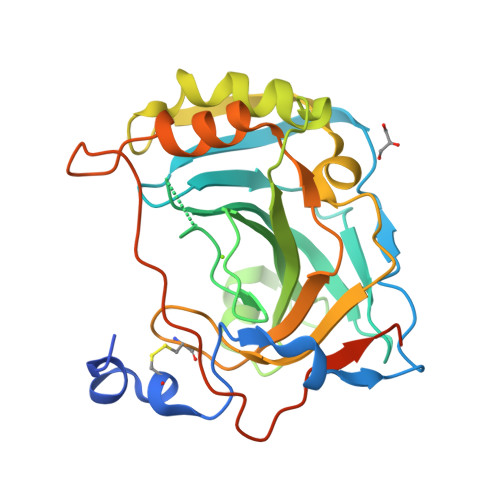
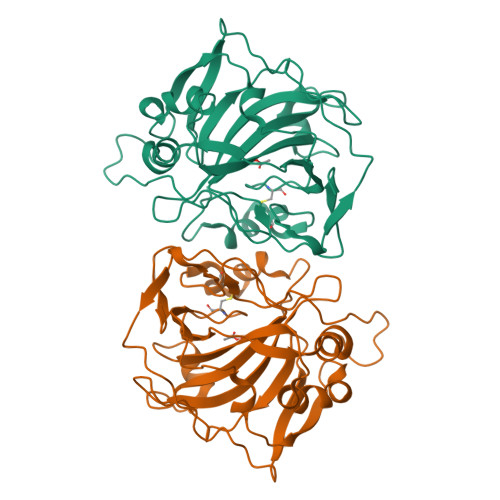
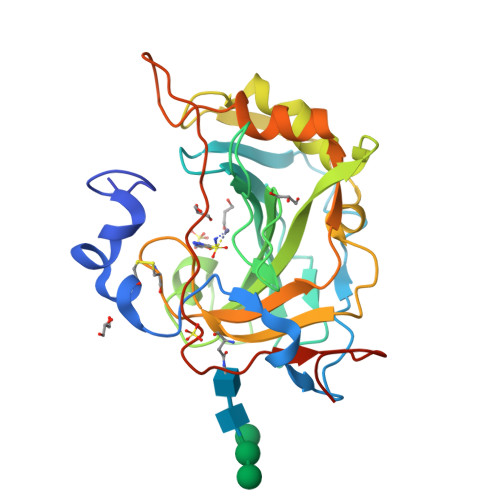
Click to view 3D structureCarbonic anhydraseQ2PCB5Dicentrarchus labraxPredicted (SEA)
Prediction Confidence Score
0.092
Applicability Domain
0.1 Low confidence
Statistical Significance
0.5288
Supporting Reference Compounds
9
E-value
4116.43
Carbonic anhydrase 9 structureClick to view 3D structureCarbonic anhydrase 9Q16790HumansPredicted (SEA)
Prediction Confidence Score
0.137
Applicability Domain
0.222 Low confidence
Statistical Significance
0.987
Supporting Reference Compounds
372
E-value
7683.8
Click to view 3D structureAlpha carbonic anhydraseB5SU02Stylophora pistillataPredicted (SEA)
Prediction Confidence Score
0.132
Applicability Domain
0.222 Low confidence
Statistical Significance
0.5023
Supporting Reference Compounds
43
E-value
3910.05
Click to view 3D structure3-ketoacyl-CoA synthase 20Q9FG87Arabidopsis thalianaPredicted (SEA)
Prediction Confidence Score
0.13
Applicability Domain
0.13 Low confidence
Statistical Significance
0.0024
Supporting Reference Compounds
1
E-value
18.606
Click to view 3D structureType IV secretion-like conjugative transfer relaxase protein TraIB1LRJ1Escherichia coli (strain SMS-3-5 / SECEC)Predicted (SEA)
Prediction Confidence Score
0.125
Applicability Domain
0.125 Low confidence
Statistical Significance
0.001
Supporting Reference Compounds
1
E-value
7.86277
Click to view 3D structureFumarate hydratase, mitochondrialP10173Sus scrofaPredicted (SEA)
Prediction Confidence Score
0.125
Applicability Domain
0.125 Low confidence
Statistical Significance
0.0048
Supporting Reference Compounds
1
E-value
37.4455
Carbonic anhydrase 1 structureClick to view 3D structureCarbonic anhydrase 1P00915HumansPredicted (SEA)
Prediction Confidence Score
0.113
Applicability Domain
0.167 Low confidence
Statistical Significance
0.9992
Supporting Reference Compounds
407
E-value
7779.01
Carbonic anhydrase 2 structureClick to view 3D structureCarbonic anhydrase 2P00918HumansPredicted (SEA)
Prediction Confidence Score
0.112
Applicability Domain
0.167 Low confidence
Statistical Significance
0.9995
Supporting Reference Compounds
472
E-value
7780.87
Carbonic anhydrase 4 structureClick to view 3D structureCarbonic anhydrase 4P22748HumansPredicted (SEA)
Prediction Confidence Score
0.112
Applicability Domain
0.167 Low confidence
Statistical Significance
0.998
Supporting Reference Compounds
193
E-value
7769.04
Beta-lactamase VIM-1 structureClick to view 3D structureBeta-lactamase VIM-1Q9XAY4Pseudomonas aeruginosaPredicted (SEA)
Prediction Confidence Score
0.111
Applicability Domain
0.111 Low confidence
Statistical Significance
0.0269
Supporting Reference Compounds
1
E-value
209.103
Carbonic anhydrase 7 structureClick to view 3D structureCarbonic anhydrase 7P43166HumansPredicted (SEA)
Prediction Confidence Score
0.111
Applicability Domain
0.167 Low confidence
Statistical Significance
0.9985
Supporting Reference Compounds
242
E-value
7773.32
Carbonic anhydrase 6 structureClick to view 3D structureCarbonic anhydrase 6P23280HumansPredicted (SEA)
Prediction Confidence Score
0.111
Applicability Domain
0.167 Low confidence
Statistical Significance
0.9974
Supporting Reference Compounds
151
E-value
7764.45
Click to view 3D structureAsc-type amino acid transporter 1P63116RatPredicted (SEA)
Prediction Confidence Score
0.105
Applicability Domain
0.105 Low confidence
Statistical Significance
0.0501
Supporting Reference Compounds
2
E-value
390.258
Click to view 3D structureSodium- and chloride-dependent GABA transporter 2P31646Rattus norvegicusPredicted (SEA)
Prediction Confidence Score
0.105
Applicability Domain
0.105 Low confidence
Statistical Significance
0.0602
Supporting Reference Compounds
1
E-value
468.886
Egl nine homolog 1 structureClick to view 3D structureEgl nine homolog 1Q9GZT9HumansPredicted (SEA)
Prediction Confidence Score
0.105
Applicability Domain
0.154 Low confidence
Statistical Significance
0.9877
Supporting Reference Compounds
41
E-value
7689.4
Click to view 3D structureCarbonic anhydraseC0IX24Stylophora pistillataPredicted (SEA)
Prediction Confidence Score
0.104
Applicability Domain
0.167 Low confidence
Statistical Significance
0.9351
Supporting Reference Compounds
41
E-value
7279.91
Olfactory receptor 51E2 structureClick to view 3D structureOlfactory receptor 51E2Q9H255HumansPredicted (SEA)
Prediction Confidence Score
0.103
Applicability Domain
0.143 Low confidence
Statistical Significance
0.3826
Supporting Reference Compounds
9
E-value
2978.43
Click to view 3D structureInositol 1,4,5-trisphosphate-gated calcium channel ITPR3Q8WN95Bos taurusPredicted (SEA)
Prediction Confidence Score
0.1
Applicability Domain
0.1 Low confidence
Statistical Significance
0.008
Supporting Reference Compounds
1
E-value
62.3572
Phosphatidylinositol 3,4,5-trisphosphate 5-phosphatase 2 structureClick to view 3D structurePhosphatidylinositol 3,4,5-trisphosphate 5-phosphatase 2Q6P549Mus musculusPredicted (SEA)
Prediction Confidence Score
0.1
Applicability Domain
0.1 Low confidence
Statistical Significance
0.1397
Supporting Reference Compounds
1
E-value
1087.94
Type II inositol 1,4,5-trisphosphate 5-phosphatase structureClick to view 3D structureType II inositol 1,4,5-trisphosphate 5-phosphataseP32019HumansPredicted (SEA)
Prediction Confidence Score
0.1
Applicability Domain
0.1 Low confidence
Statistical Significance
0.1397
Supporting Reference Compounds
1
E-value
1087.94
Carbonic anhydrase 12 structureClick to view 3D structureCarbonic anhydrase 12O43570HumansPredicted (SEA)
Prediction Confidence Score
0.095
Applicability Domain
0.1 Low confidence
Statistical Significance
0.9998
Supporting Reference Compounds
332
E-value
7783.44
Click to view 3D structureCocaine esteraseO00748HumansPredicted (SEA)
Prediction Confidence Score
0.094
Applicability Domain
0.111 Low confidence
Statistical Significance
0.9916
Supporting Reference Compounds
40
E-value
7719.45
Liver carboxylesterase 1 structureClick to view 3D structureLiver carboxylesterase 1P23141HumansPredicted (SEA)
Prediction Confidence Score
0.094
Applicability Domain
0.111 Low confidence
Statistical Significance
0.9904
Supporting Reference Compounds
55
E-value
7710.03
Click to view 3D structureSuccinate receptor 1Q99MT6Mus musculusPredicted (SEA)
Prediction Confidence Score
0.093
Applicability Domain
0.154 Low confidence
Statistical Significance
0.3733
Supporting Reference Compounds
2
E-value
2906.34
Carbonic anhydrase 14 structureClick to view 3D structureCarbonic anhydrase 14Q9ULX7HumansPredicted (SEA)
Prediction Confidence Score
0.092
Applicability Domain
0.1 Low confidence
Statistical Significance
0.9995
Supporting Reference Compounds
172
E-value
7781.03
Concentrations
Not Available
External Links
IdentifiersNot Available
References
Synthesis ReferenceNot Available
MSDSNot Available
General ReferencesNot Available