1,8 - Dioxacyclo - tetradecane - 2,7 - dione (CED0164949)

Record Information
Version1.0
Creation Date2026-04-06 07:39:11 UTC
Update Date2026-04-16 22:51:56 UTC
SynCED IDCED0164949
Secondary Accession Numbers
  • CHEM119994
Identification
Common Name1,8 - Dioxacyclo - tetradecane - 2,7 - dione
ClassSmall Molecule
Description
1,8 - Dioxacyclo - tetradecane - 2,7 - dione is an organic compound with the formula C12H20O4 and an average molecular weight of 228.29 g/mol. 1,8 - Dioxacyclo - tetradecane - 2,7 - dione belongs to the macrolides and analogues, a class of phenylpropanoids and polyketides within the organic compounds. This substance is found in or released from one recorded source: food, food processing & cookware (food contact materials). Recorded exposure routes for this compound include inhalation, oral, and touch.
Contaminant TypeNot Available
Chemical Structure
SynonymsNot Available
Chemical FormulaC12H20O4
Average Molecular Mass228.288 g/mol
Monoisotopic Mass228.136 g/mol
CAS Registry Number13926-69-7
IUPAC NameNot Available
Traditional NameNot Available
SMILESO=C1CCCCC(=O)OCCCCCCO1
InChI IdentifierInChI=1S/C12H20O4/c13-11-7-3-4-8-12(14)16-10-6-2-1-5-9-15-11/h1-10H2
InChI KeyRNQBCZCPNUHWLV-UHFFFAOYSA-N
Chemical Taxonomy
ClassificationNot classified
Biological Properties
StatusDetected and Not Quantified
OriginNot Available
Cellular LocationsNot Available
Biofluid LocationsNot Available
Tissue LocationsNot Available
ApplicationsNot Available
Biological RolesNot Available
Chemical RolesNot Available
Organoleptic EffectsNot Available
Physical Properties
StateNot Available
AppearanceNot Available
Experimental Properties
PropertyValue
Melting PointNot Available
Boiling PointNot Available
SolubilityNot Available
Predicted PropertiesNot Available
Spectra
SpectraNot Available
Toxicity Profile
Toxicity Values
Toxicity ValueOrganismDose DescriptorRoute of ExposurePredicted or ExperimentalToxicity RatingReference
6221.0 Log mg/kg [3500:11000]RatLD50oralpredictedNot AvailableNot Available
Toxicity / Toxin ClassNot Available
Mechanism of ToxicityNot Available
Carcinogenicity (IARC Classification)Not Available
Minimum Risk LevelNot Available
SymptomsNot Available
TreatmentNot Available
Health Effects
Health EffectRelationshipDirectionDescriptionReference
Exposure Sources
Source IDSourceSectorReference
CEDs000233Brushes?Brushes used in personal care and cosmetics can be a source of synthetic chemical contamination due to the materials and coatings used in their manufacturing.Personal care & cosmeticsPubChem
CEDs000494Food contact materials?Food contact materials refer to substances and products that are intended to come into contact with food during processing, packaging, or preparation.Food, food processing & cookwareNot Available
CEDs000511Conductors Or Conductive Bodies Characterised By The Conductive Materials?Conductors, or conductive bodies, are materials that allow the flow of electrical current, typically made from metals such as copper, aluminum, or silver.Electrical & Electronic EquipmentPubChem
CEDs000519Electrodes?Electrodes, used in various electrical and electronic applications, can be a source of synthetic chemical contamination due to the materials from which they are constructed and the processes involved in their manufacturing.Electrical & Electronic EquipmentPubChem
CEDs000524Hybrid Capacitors?Hybrid capacitors are energy storage devices that combine the properties of electrolytic and supercapacitors, utilizing a combination of electrochemical principles to achieve higher energy density and power density.Electrical & Electronic EquipmentPubChem
CEDs000529Power Cables?Power cables are used to transmit electrical energy and are typically composed of conductive materials, insulation, and protective coatings.Electrical & Electronic EquipmentPubChem
CEDs000545Food Preservation?Food preservation often involves the use of synthetic chemicals, such as preservatives, flavor enhancers, and color additives, to extend shelf life and enhance the sensory qualities of food products.Food, food processing & cookwarePubChem
CEDs000563Soap Detergents?Soap detergents are synthetic surfactants designed to enhance the cleaning efficacy of water by reducing surface tension, allowing for better interaction with dirt and grease.Household cleaning & consumer productsPubChem
CEDs000581Paper Making Machines?Paper making machines utilize various synthetic chemicals throughout the production process, including additives, coatings, and bleaching agents.Industrial manufacturing & chemical processingPubChem
CEDs000604Pest Attractants?Pest attractants are synthetic chemicals designed to lure specific pests for monitoring or control purposes.Agriculture & land managementPubChem
CEDs000605Pest Repellants?Pest repellents, often formulated from synthetic chemicals, are widely used to protect crops from insect infestations and other pests.Agriculture & land managementPubChem
CEDs000611Anti Perspirants Or Body Deoderants?Antiperspirants and body deodorants commonly contain synthetic chemicals such as aluminum compounds, parabens, and synthetic fragrances.Personal care & cosmeticsPubChem
CEDs000630Toys?Toys, particularly those made from synthetic materials such as plastics, can be a source of chemical contamination due to the presence of various additives and compounds used in their production.Recreation & sports surfacesPubChem
CEDs000632Apparel?Apparel production often involves the use of various synthetic chemicals, including dyes, finishing agents, and preservatives.Textiles, leather & furnishingsPubChem
CEDs000638Decorating Textiles?Decorating textiles often involves the use of synthetic chemicals such as dyes, finishes, and coatings.Textiles, leather & furnishingsPubChem
CEDs000640Embroidering And Tufting?Embroidering and tufting processes often involve the use of synthetic chemicals such as dyes, adhesives, and finishing agents.Textiles, leather & furnishingsPubChem
CEDs000642Footwear?Footwear production often involves the use of various synthetic chemicals, such as adhesives, dyes, and treatments, which can contribute to environmental contamination.Textiles, leather & furnishingsPubChem
CEDs000643Headwear?Headwear made from synthetic materials often incorporates chemicals used in the manufacturing and finishing processes, such as dyes, flame retardants, and water repellents.Textiles, leather & furnishingsPubChem
CEDs000647Multicolour Dyeing?Multicolour dyeing involves the application of multiple synthetic dyes to textiles and other materials to achieve vibrant, diverse color patterns.Textiles, leather & furnishingsPubChem
CEDs000650Purses Luggage Hand Bags?Purses, luggage, and handbags are often manufactured using synthetic materials such as polyvinyl chloride (PVC), polyurethane, and various types of nylon.Textiles, leather & furnishingsPubChem
CEDs000652Ropes?Ropes manufactured from synthetic fibers, such as polypropylene, nylon, and polyester, are widely used in various applications, including marine, construction, and outdoor activities.Textiles, leather & furnishingsPubChem
CEDs000658Touch Fasteners?Touch fasteners, commonly known as hook-and-loop fasteners, are composed of synthetic materials such as nylon or polyester.Textiles, leather & furnishingsPubChem
CEDs000659Transfer Printing?Transfer printing is a process used to apply designs and patterns onto various substrates, commonly utilizing synthetic dyes and inks that can contain hazardous chemicals.Textiles, leather & furnishingsPubChem
CEDs000662Yarns Or Threads?Yarns or threads used in textiles can be a source of synthetic chemical contamination due to the production processes and treatments they undergo.Textiles, leather & furnishingsPubChem
CEDs000685Ceramics?Ceramics can be a source of synthetic chemical contamination through various additives and processing agents used in their production.Building & ConstructionPubChem
CEDs000688Glass Coatings?Glass coatings are synthetic chemical formulations applied to glass surfaces to enhance properties such as durability, UV resistance, and aesthetic appeal.Building & ConstructionPubChem
CEDs000696Nanotechnology?Nanotechnology involves the manipulation of materials at the molecular or atomic level, typically within the range of 1 to 100 nanometers.Industrial manufacturing & chemical processingPubChem
CEDs000727Printing Machines Or Presses?Printing machines or presses commonly utilize synthetic chemicals such as inks, solvents, and cleaning agents.Paper, pulp & fiber productsPubChem
CEDs000735Explosives?Explosives are chemical compounds or mixtures designed to undergo rapid decomposition, releasing energy in the form of gas and heat.Defense & military infrastructurePubChem
CEDs000739Inks?Inks are complex mixtures composed of pigments or dyes, solvents, resins, and additives used primarily for printing and writing applications.Paper, pulp & fiber productsPubChem
CEDs000740Paper?Paper production involves the processing of wood fibers and the use of various chemicals, which can lead to synthetic chemical contamination.Paper, pulp & fiber productsPubChem
CEDs000741Pigment Pastes?Pigment pastes are concentrated dispersions of pigments used to impart color and properties to materials.Paper, pulp & fiber productsPubChem
CEDs000743Sludge Treatment?Sludge treatment involves the processing of waste materials generated from wastewater treatment plants, which often contain a variety of organic and inorganic substances.Wastewater, sanitation & biosolidsPubChem
CEDs000744Water, Wastewater, & Sewage Treatment?Water, wastewater, and sewage treatment processes are critical for managing and mitigating pollutants in water systems.Wastewater, sanitation & biosolidsPubChem
Pathways
0 pathwaysPathway Source: PathBank

No pathways found

No metabolic pathways have been associated with this synthetic chemical

Targets
StructureProteinUniProt IDOrganismRelationshipDetails
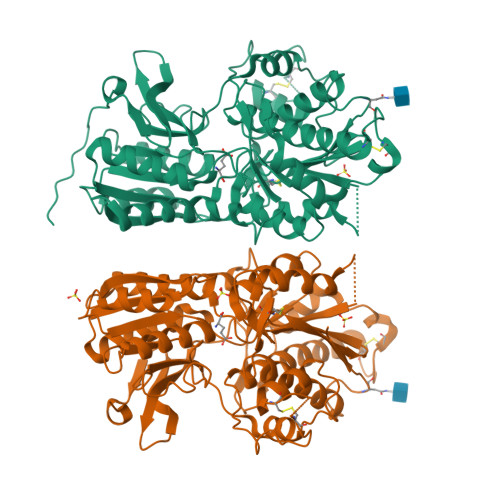
Metabotropic glutamate receptor 1 structureClick to view 3D structureMetabotropic glutamate receptor 1Q13255HumansPredicted (SEA)
Prediction Confidence Score
0.181
Applicability Domain
0.227 Low confidence
Statistical Significance
0.4342
Supporting Reference Compounds
68
E-value
3380.37
Dual specificity tyrosine-phosphorylation-regulated kinase 1B structureClick to view 3D structureDual specificity tyrosine-phosphorylation-regulated kinase 1BQ9Y463HumansPredicted (SEA)
Prediction Confidence Score
0.18
Applicability Domain
0.2 Low confidence
Statistical Significance
0.884
Supporting Reference Compounds
377
E-value
6882.03
Dual specificity tyrosine-phosphorylation-regulated kinase 1A structureClick to view 3D structureDual specificity tyrosine-phosphorylation-regulated kinase 1AQ13627HumansPredicted (SEA)
Prediction Confidence Score
0.18
Applicability Domain
0.2 Low confidence
Statistical Significance
0.9415
Supporting Reference Compounds
906
E-value
7329.58
Metabotropic glutamate receptor 2 structureClick to view 3D structureMetabotropic glutamate receptor 2Q14416HumansPredicted (SEA)
Prediction Confidence Score
0.179
Applicability Domain
0.227 Low confidence
Statistical Significance
0.5305
Supporting Reference Compounds
85
E-value
4129.75
Estrogen receptor structureClick to view 3D structureEstrogen receptorP03372HumansPredicted (SEA)
Prediction Confidence Score
0.176
Applicability Domain
0.31
Statistical Significance
0.724
Supporting Reference Compounds
201
E-value
5636.21
Click to view 3D structureTranscriptional activator protein LuxRP35327Vibrio fischeri (strain ATCC 700601 / ES114)Predicted (SEA)
Prediction Confidence Score
0.175
Applicability Domain
0.182 Low confidence
Statistical Significance
0.0544
Supporting Reference Compounds
6
E-value
423.733
5-hydroxytryptamine receptor 2C structureClick to view 3D structure5-hydroxytryptamine receptor 2CP28335HumansPredicted (SEA)
Prediction Confidence Score
0.174
Applicability Domain
0.188 Low confidence
Statistical Significance
0.961
Supporting Reference Compounds
823
E-value
7481.39
5-hydroxytryptamine receptor 1D structureClick to view 3D structure5-hydroxytryptamine receptor 1DP28221HumansPredicted (SEA)
Prediction Confidence Score
0.174
Applicability Domain
0.188 Low confidence
Statistical Significance
0.9076
Supporting Reference Compounds
365
E-value
7065.91
Dual specificity tyrosine-phosphorylation-regulated kinase 2 structureClick to view 3D structureDual specificity tyrosine-phosphorylation-regulated kinase 2Q92630HumansPredicted (SEA)
Prediction Confidence Score
0.173
Applicability Domain
0.2 Low confidence
Statistical Significance
0.8381
Supporting Reference Compounds
196
E-value
6524.93
Click to view 3D structureTranscriptional activator protein LuxRP12746Aliivibrio fischeriPredicted (SEA)
Prediction Confidence Score
0.173
Applicability Domain
0.182 Low confidence
Statistical Significance
0.0677
Supporting Reference Compounds
9
E-value
527.351
Epidermal growth factor receptor structureClick to view 3D structureEpidermal growth factor receptorP00533HumansPredicted (SEA)
Prediction Confidence Score
0.172
Applicability Domain
0.2 Low confidence
Statistical Significance
0.9776
Supporting Reference Compounds
1301
E-value
7610.38
Estrogen receptor beta structureClick to view 3D structureEstrogen receptor betaQ92731HumansPredicted (SEA)
Prediction Confidence Score
0.172
Applicability Domain
0.206 Low confidence
Statistical Significance
0.7703
Supporting Reference Compounds
174
E-value
5996.57
Bile salt-activated lipase structureClick to view 3D structureBile salt-activated lipaseP19835HumansPredicted (SEA)
Prediction Confidence Score
0.171
Applicability Domain
0.171 Low confidence
Statistical Significance
0.0198
Supporting Reference Compounds
1
E-value
154.375
Dual specificity protein kinase CLK1 structureClick to view 3D structureDual specificity protein kinase CLK1P49759HumansPredicted (SEA)
Prediction Confidence Score
0.171
Applicability Domain
0.2 Low confidence
Statistical Significance
0.8918
Supporting Reference Compounds
268
E-value
6942.83
Metabotropic glutamate receptor 8 structureClick to view 3D structureMetabotropic glutamate receptor 8O00222HumansPredicted (SEA)
Prediction Confidence Score
0.17
Applicability Domain
0.227 Low confidence
Statistical Significance
0.4108
Supporting Reference Compounds
48
E-value
3197.89
5-hydroxytryptamine receptor 2A structureClick to view 3D structure5-hydroxytryptamine receptor 2AP28223HumansPredicted (SEA)
Prediction Confidence Score
0.169
Applicability Domain
0.188 Low confidence
Statistical Significance
0.9739
Supporting Reference Compounds
955
E-value
7581.42
5-hydroxytryptamine receptor 1A structureClick to view 3D structure5-hydroxytryptamine receptor 1AP08908HumansPredicted (SEA)
Prediction Confidence Score
0.169
Applicability Domain
0.188 Low confidence
Statistical Significance
0.9681
Supporting Reference Compounds
953
E-value
7536.82
5-hydroxytryptamine receptor 2A structureClick to view 3D structure5-hydroxytryptamine receptor 2AP14842Rattus norvegicusPredicted (SEA)
Prediction Confidence Score
0.169
Applicability Domain
0.188 Low confidence
Statistical Significance
0.882
Supporting Reference Compounds
380
E-value
6866.07
5-hydroxytryptamine receptor 2B structureClick to view 3D structure5-hydroxytryptamine receptor 2BP41595HumansPredicted (SEA)
Prediction Confidence Score
0.167
Applicability Domain
0.188 Low confidence
Statistical Significance
0.9744
Supporting Reference Compounds
686
E-value
7585.55
Transcriptional activator protein TraR structureClick to view 3D structureTranscriptional activator protein TraRP33905Agrobacterium tumefaciensPredicted (SEA)
Prediction Confidence Score
0.167
Applicability Domain
0.182 Low confidence
Statistical Significance
0.0649
Supporting Reference Compounds
8
E-value
505.475
Bile salt-activated lipase structureClick to view 3D structureBile salt-activated lipaseP30122Bos taurusPredicted (SEA)
Prediction Confidence Score
0.202
Applicability Domain
0.209 Low confidence
Statistical Significance
0.0013
Supporting Reference Compounds
2
E-value
10.3539
Click to view 3D structureMineralocorticoid receptorP22199Rattus norvegicusPredicted (SEA)
Prediction Confidence Score
0.201
Applicability Domain
0.31
Statistical Significance
0.0021
Supporting Reference Compounds
12
E-value
16.504
Progesterone receptor structureClick to view 3D structureProgesterone receptorP06401HumansPredicted (SEA)
Prediction Confidence Score
0.194
Applicability Domain
0.31
Statistical Significance
0.3813
Supporting Reference Compounds
119
E-value
2968.31
Metabotropic glutamate receptor 5 structureClick to view 3D structureMetabotropic glutamate receptor 5P41594HumansPredicted (SEA)
Prediction Confidence Score
0.19
Applicability Domain
0.227 Low confidence
Statistical Significance
0.4045
Supporting Reference Compounds
89
E-value
3148.77
Click to view 3D structureProtoporphyrinogen oxidase, chloroplasticQ9AR38Oryza sativa subsp. japonicaPredicted (SEA)
Prediction Confidence Score
0.187
Applicability Domain
0.2 Low confidence
Statistical Significance
0.0015
Supporting Reference Compounds
2
E-value
11.9888
Concentrations
Not Available
External Links
IdentifiersNot Available
References
Synthesis ReferenceNot Available
MSDSNot Available
General ReferencesNot Available