 Click to view 3D structure | Serine/threonine-protein phosphatase 2A catalytic subunit alpha isoform | P67774 | Bos taurus | Predicted (SEA) | - Prediction Confidence Score
- 0.366
- Applicability Domain
- 0.382
- Statistical Significance
- 3.00e-05
- Supporting Reference Compounds
- 2
- E-value
- 0.233548
|
| Click to view 3D structure | Serine-threonine protein phosphatase 2A regulatory subunit | Q8AWE3 | Gallus gallus | Predicted (SEA) | - Prediction Confidence Score
- 0.251
- Applicability Domain
- 0.331
- Statistical Significance
- 5.00e-05
- Supporting Reference Compounds
- 12
- E-value
- 0.389246
|
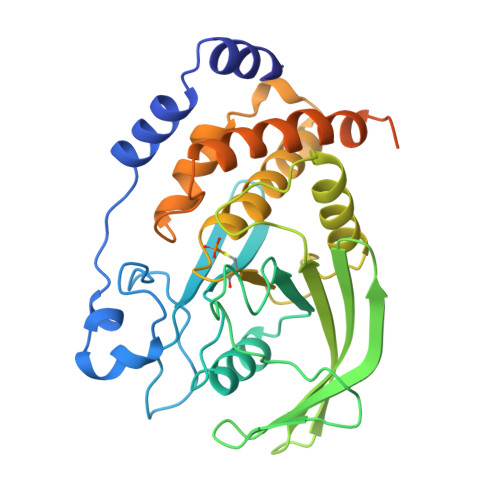 Click to view 3D structure | Tyrosine-protein phosphatase non-receptor type 1 | P18031 | Humans | Predicted (SEA) | - Prediction Confidence Score
- 0.239
- Applicability Domain
- 0.331
- Statistical Significance
- 0.0823
- Supporting Reference Compounds
- 197
- E-value
- 640.699
|
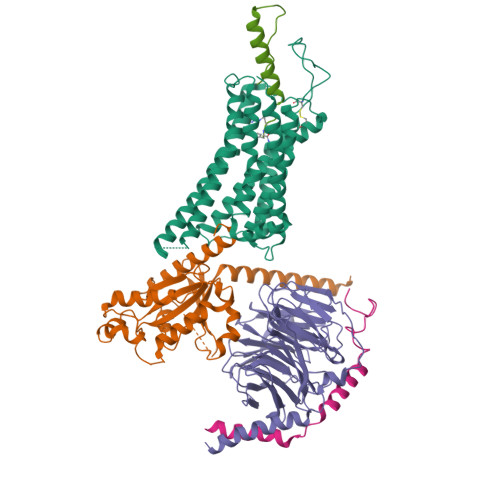 Click to view 3D structure | Neuropeptide Y receptor type 4 | P50391 | Humans | Predicted (SEA) | - Prediction Confidence Score
- 0.226
- Applicability Domain
- 0.331
- Statistical Significance
- 0.0345
- Supporting Reference Compounds
- 23
- E-value
- 268.58
|
| Click to view 3D structure | Mu-type opioid receptor | P33535 | Rattus norvegicus | Predicted (SEA) | - Prediction Confidence Score
- 0.224
- Applicability Domain
- 0.235 Low confidence
- Statistical Significance
- 0.1527
- Supporting Reference Compounds
- 229
- E-value
- 1188.6
|
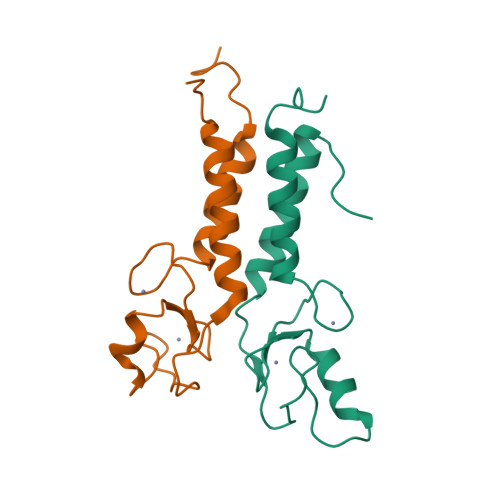 Click to view 3D structure | Breast cancer type 1 susceptibility protein | P38398 | Humans | Predicted (SEA) | - Prediction Confidence Score
- 0.223
- Applicability Domain
- 0.223 Low confidence
- Statistical Significance
- 0.0299
- Supporting Reference Compounds
- 1
- E-value
- 232.458
|
 Click to view 3D structure | Delta-type opioid receptor | P32300 | Mus musculus | Predicted (SEA) | - Prediction Confidence Score
- 0.221
- Applicability Domain
- 0.235 Low confidence
- Statistical Significance
- 0.1078
- Supporting Reference Compounds
- 166
- E-value
- 839.37
|
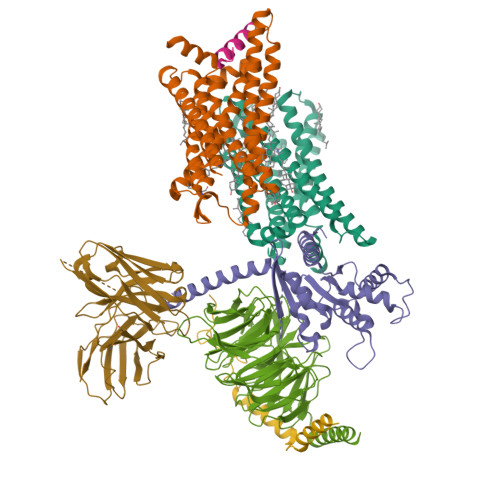 Click to view 3D structure | Mu-type opioid receptor | P35372 | Humans | Predicted (SEA) | - Prediction Confidence Score
- 0.22
- Applicability Domain
- 0.235 Low confidence
- Statistical Significance
- 0.4632
- Supporting Reference Compounds
- 527
- E-value
- 3605.66
|
| Click to view 3D structure | Mu-opioid receptor | Q8CGM4 | Cavia porcellus | Predicted (SEA) | - Prediction Confidence Score
- 0.22
- Applicability Domain
- 0.235 Low confidence
- Statistical Significance
- 0.0446
- Supporting Reference Compounds
- 8
- E-value
- 347.519
|
 Click to view 3D structure | Delta-type opioid receptor | P41143 | Humans | Predicted (SEA) | - Prediction Confidence Score
- 0.22
- Applicability Domain
- 0.235 Low confidence
- Statistical Significance
- 0.3821
- Supporting Reference Compounds
- 427
- E-value
- 2974.39
|
| Click to view 3D structure | Mu-type opioid receptor | P97266 | Cavia porcellus | Predicted (SEA) | - Prediction Confidence Score
- 0.219
- Applicability Domain
- 0.235 Low confidence
- Statistical Significance
- 0.1441
- Supporting Reference Compounds
- 186
- E-value
- 1121.73
|
| Click to view 3D structure | Delta-type opioid receptor | P33533 | Rattus norvegicus | Predicted (SEA) | - Prediction Confidence Score
- 0.219
- Applicability Domain
- 0.235 Low confidence
- Statistical Significance
- 0.1525
- Supporting Reference Compounds
- 164
- E-value
- 1187.51
|
| Click to view 3D structure | Peptidyl-glycine alpha-amidating monooxygenase | P19021 | Humans | Predicted (SEA) | - Prediction Confidence Score
- 0.219
- Applicability Domain
- 0.219 Low confidence
- Statistical Significance
- 0.0415
- Supporting Reference Compounds
- 1
- E-value
- 323.308
|
| Click to view 3D structure | Substance-P receptor | P14600 | Rattus norvegicus | Predicted (SEA) | - Prediction Confidence Score
- 0.212
- Applicability Domain
- 0.224 Low confidence
- Statistical Significance
- 0.0789
- Supporting Reference Compounds
- 34
- E-value
- 613.997
|
 Click to view 3D structure | Cathepsin B | P07858 | Humans | Predicted (SEA) | - Prediction Confidence Score
- 0.211
- Applicability Domain
- 0.216 Low confidence
- Statistical Significance
- 0.2753
- Supporting Reference Compounds
- 173
- E-value
- 2143.27
|
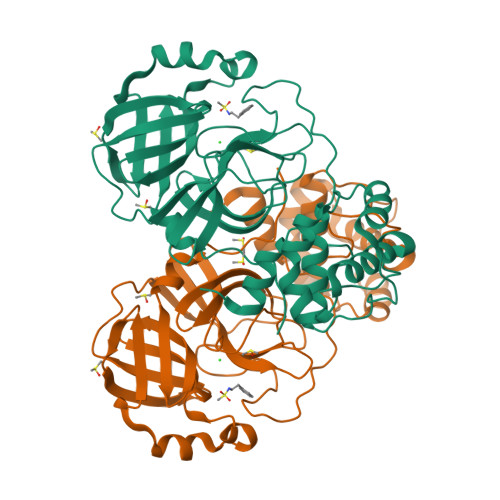 Click to view 3D structure | Replicase polyprotein 1ab | P0DTD1 | SARS-CoV-2 | Predicted (SEA) | - Prediction Confidence Score
- 0.21
- Applicability Domain
- 0.226 Low confidence
- Statistical Significance
- 0.2727
- Supporting Reference Compounds
- 215
- E-value
- 2122.95
|
 Click to view 3D structure | Calpain small subunit 1 | P04574 | Sus scrofa | Predicted (SEA) | - Prediction Confidence Score
- 0.21
- Applicability Domain
- 0.213 Low confidence
- Statistical Significance
- 0.0342
- Supporting Reference Compounds
- 3
- E-value
- 266.089
|
 Click to view 3D structure | Procathepsin L | P07711 | Humans | Predicted (SEA) | - Prediction Confidence Score
- 0.21
- Applicability Domain
- 0.216 Low confidence
- Statistical Significance
- 0.2781
- Supporting Reference Compounds
- 167
- E-value
- 2165.3
|
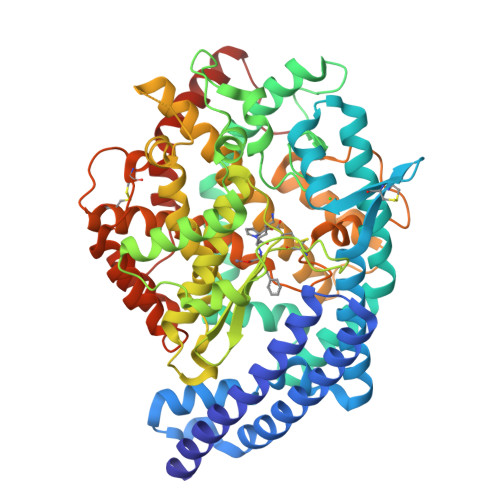 Click to view 3D structure | Angiotensin-converting enzyme | P12821 | Humans | Predicted (SEA) | - Prediction Confidence Score
- 0.21
- Applicability Domain
- 0.218 Low confidence
- Statistical Significance
- 0.1261
- Supporting Reference Compounds
- 46
- E-value
- 981.367
|
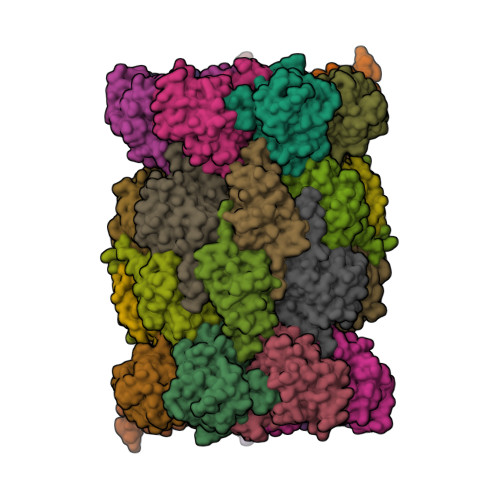 Click to view 3D structure | Proteasome subunit beta type-5 | P28074 | Humans | Predicted (SEA) | - Prediction Confidence Score
- 0.209
- Applicability Domain
- 0.22 Low confidence
- Statistical Significance
- 0.1494
- Supporting Reference Compounds
- 72
- E-value
- 1163.07
|
 Click to view 3D structure | Calpain-2 catalytic subunit | P17655 | Humans | Predicted (SEA) | - Prediction Confidence Score
- 0.209
- Applicability Domain
- 0.211 Low confidence
- Statistical Significance
- 0.0567
- Supporting Reference Compounds
- 17
- E-value
- 441.249
|
| Click to view 3D structure | Uncharacterized protein | F1N083 | Bos taurus | Predicted (SEA) | - Prediction Confidence Score
- 0.209
- Applicability Domain
- 0.209 Low confidence
- Statistical Significance
- 0.05
- Supporting Reference Compounds
- 1
- E-value
- 389.246
|
| Click to view 3D structure | Neprilysin | P07861 | Rattus norvegicus | Predicted (SEA) | - Prediction Confidence Score
- 0.208
- Applicability Domain
- 0.215 Low confidence
- Statistical Significance
- 0.1014
- Supporting Reference Compounds
- 38
- E-value
- 789.313
|
| Click to view 3D structure | Histone deacetylase 6 | Q99P97 | Rattus norvegicus | Predicted (SEA) | - Prediction Confidence Score
- 0.208
- Applicability Domain
- 0.208 Low confidence
- Statistical Significance
- 0.0665
- Supporting Reference Compounds
- 1
- E-value
- 517.464
|
| Click to view 3D structure | Kappa-type opioid receptor | P41144 | Cavia porcellus | Predicted (SEA) | - Prediction Confidence Score
- 0.208
- Applicability Domain
- 0.212 Low confidence
- Statistical Significance
- 0.2431
- Supporting Reference Compounds
- 199
- E-value
- 1892.9
|

