 Click to view 3D structure | Serine/threonine-protein phosphatase 2A catalytic subunit alpha isoform | P67774 | Bos taurus | Predicted (SEA) | - Prediction Confidence Score
- 0.333
- Applicability Domain
- 0.367
- Statistical Significance
- 3.00e-05
- Supporting Reference Compounds
- 2
- E-value
- 0.233548
|
| Click to view 3D structure | Serine-threonine protein phosphatase 2A regulatory subunit | Q8AWE3 | Gallus gallus | Predicted (SEA) | - Prediction Confidence Score
- 0.303
- Applicability Domain
- 0.429
- Statistical Significance
- 4.00e-05
- Supporting Reference Compounds
- 12
- E-value
- 0.311397
|
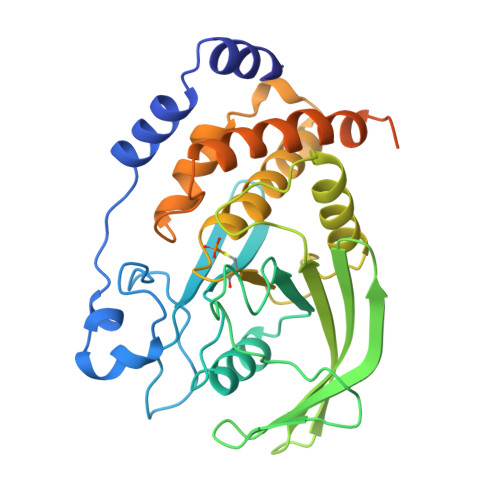 Click to view 3D structure | Tyrosine-protein phosphatase non-receptor type 1 | P18031 | Humans | Predicted (SEA) | - Prediction Confidence Score
- 0.272
- Applicability Domain
- 0.409
- Statistical Significance
- 0.0258
- Supporting Reference Compounds
- 197
- E-value
- 200.773
|
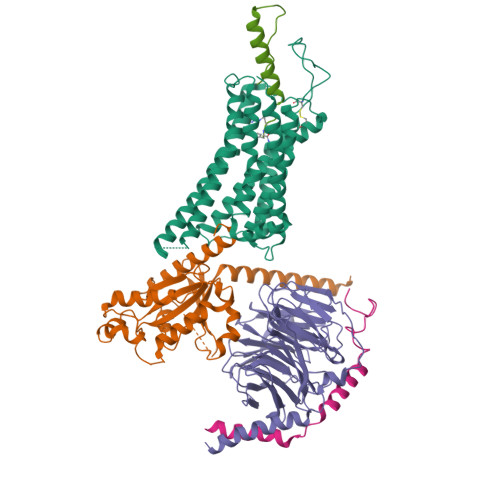 Click to view 3D structure | Neuropeptide Y receptor type 4 | P50391 | Humans | Predicted (SEA) | - Prediction Confidence Score
- 0.271
- Applicability Domain
- 0.409
- Statistical Significance
- 0.0218
- Supporting Reference Compounds
- 23
- E-value
- 169.867
|
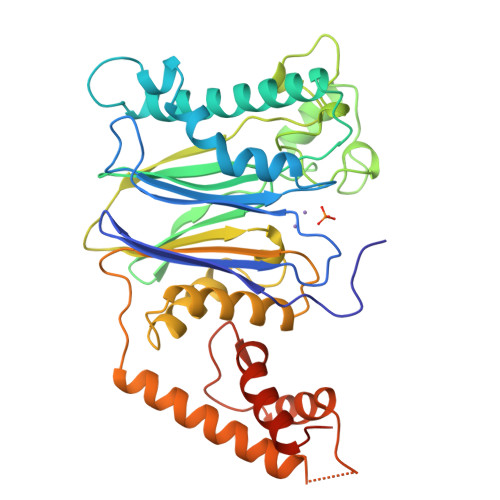 Click to view 3D structure | Protein phosphatase 1A | P35813 | Humans | Predicted (SEA) | - Prediction Confidence Score
- 0.236
- Applicability Domain
- 0.409
- Statistical Significance
- 1.00e-05
- Supporting Reference Compounds
- 2
- E-value
- 0.0778492
|
| Click to view 3D structure | Mu-type opioid receptor | P33535 | Rattus norvegicus | Predicted (SEA) | - Prediction Confidence Score
- 0.236
- Applicability Domain
- 0.25 Low confidence
- Statistical Significance
- 0.1141
- Supporting Reference Compounds
- 229
- E-value
- 888.493
|
 Click to view 3D structure | Delta-type opioid receptor | P32300 | Mus musculus | Predicted (SEA) | - Prediction Confidence Score
- 0.234
- Applicability Domain
- 0.25 Low confidence
- Statistical Significance
- 0.0818
- Supporting Reference Compounds
- 166
- E-value
- 637.04
|
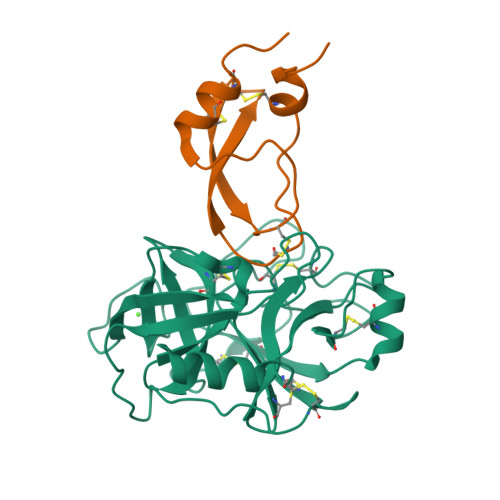 Click to view 3D structure | Tissue factor pathway inhibitor 2 | P48307 | Humans | Predicted (SEA) | - Prediction Confidence Score
- 0.233
- Applicability Domain
- 0.409
- Statistical Significance
- 3.00e-05
- Supporting Reference Compounds
- 7
- E-value
- 0.233548
|
| Click to view 3D structure | Mu-opioid receptor | Q8CGM4 | Cavia porcellus | Predicted (SEA) | - Prediction Confidence Score
- 0.233
- Applicability Domain
- 0.25 Low confidence
- Statistical Significance
- 0.0348
- Supporting Reference Compounds
- 8
- E-value
- 271.305
|
 Click to view 3D structure | Delta-type opioid receptor | P41143 | Humans | Predicted (SEA) | - Prediction Confidence Score
- 0.231
- Applicability Domain
- 0.25 Low confidence
- Statistical Significance
- 0.2738
- Supporting Reference Compounds
- 427
- E-value
- 2131.36
|
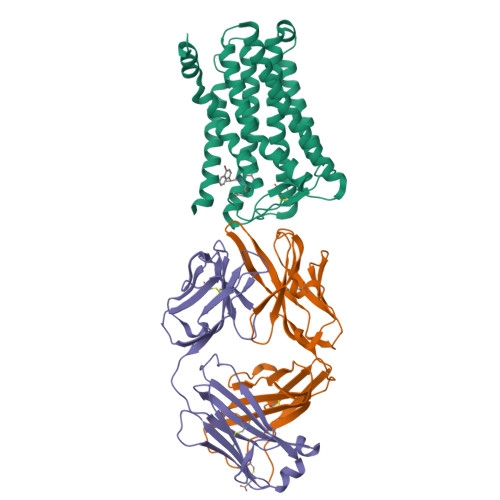 Click to view 3D structure | Prostaglandin E2 receptor EP4 subtype | P35408 | Humans | Predicted (SEA) | - Prediction Confidence Score
- 0.229
- Applicability Domain
- 0.242 Low confidence
- Statistical Significance
- 0.0935
- Supporting Reference Compounds
- 92
- E-value
- 727.89
|
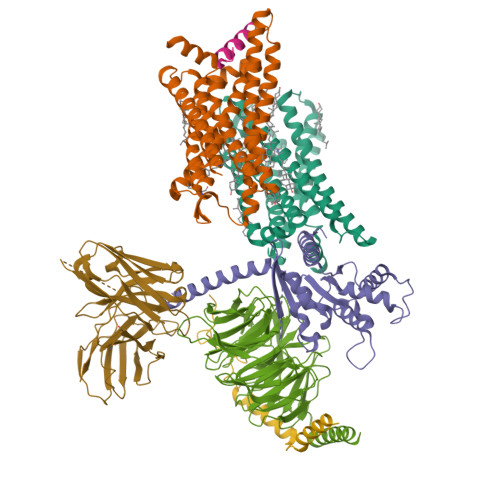 Click to view 3D structure | Mu-type opioid receptor | P35372 | Humans | Predicted (SEA) | - Prediction Confidence Score
- 0.229
- Applicability Domain
- 0.25 Low confidence
- Statistical Significance
- 0.3699
- Supporting Reference Compounds
- 527
- E-value
- 2879.33
|
| Click to view 3D structure | Delta-type opioid receptor | P33533 | Rattus norvegicus | Predicted (SEA) | - Prediction Confidence Score
- 0.229
- Applicability Domain
- 0.25 Low confidence
- Statistical Significance
- 0.118
- Supporting Reference Compounds
- 164
- E-value
- 918.465
|
| Click to view 3D structure | Prostaglandin E2 receptor EP4 subtype | P43114 | Rattus norvegicus | Predicted (SEA) | - Prediction Confidence Score
- 0.227
- Applicability Domain
- 0.279 Low confidence
- Statistical Significance
- 0.009
- Supporting Reference Compounds
- 16
- E-value
- 70.2978
|
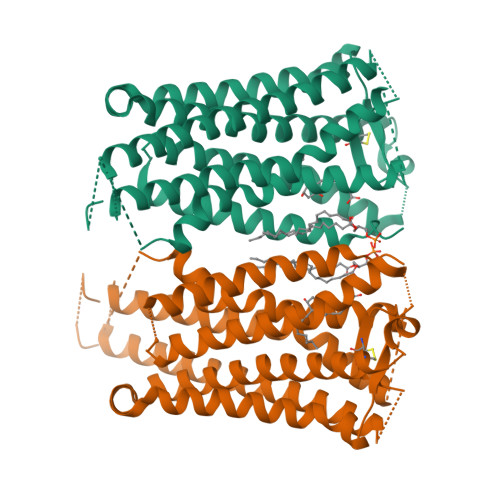 Click to view 3D structure | Prostaglandin E2 receptor EP3 subtype | P43115 | Humans | Predicted (SEA) | - Prediction Confidence Score
- 0.225
- Applicability Domain
- 0.279 Low confidence
- Statistical Significance
- 0.1172
- Supporting Reference Compounds
- 102
- E-value
- 912.159
|
| Click to view 3D structure | Mu-type opioid receptor | P97266 | Cavia porcellus | Predicted (SEA) | - Prediction Confidence Score
- 0.225
- Applicability Domain
- 0.25 Low confidence
- Statistical Significance
- 0.1248
- Supporting Reference Compounds
- 186
- E-value
- 971.325
|
| Click to view 3D structure | Prostaglandin E2 receptor EP2 subtype | Q62928 | Rattus norvegicus | Predicted (SEA) | - Prediction Confidence Score
- 0.223
- Applicability Domain
- 0.279 Low confidence
- Statistical Significance
- 0.0038
- Supporting Reference Compounds
- 12
- E-value
- 29.3492
|
 Click to view 3D structure | Prostaglandin E2 receptor EP2 subtype | P43116 | Humans | Predicted (SEA) | - Prediction Confidence Score
- 0.223
- Applicability Domain
- 0.242 Low confidence
- Statistical Significance
- 0.1152
- Supporting Reference Compounds
- 95
- E-value
- 896.823
|
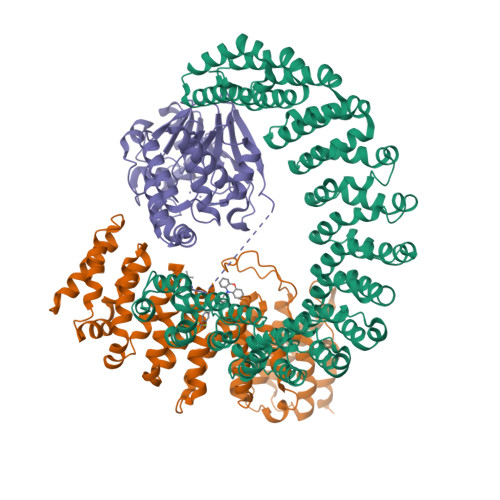 Click to view 3D structure | Serine/threonine-protein phosphatase 2A 56 kDa regulatory subunit alpha isoform | Q15172 | Humans | Predicted (SEA) | - Prediction Confidence Score
- 0.223
- Applicability Domain
- 0.409
- Statistical Significance
- 1.00e-05
- Supporting Reference Compounds
- 3
- E-value
- 0.0778492
|
| Click to view 3D structure | Prostaglandin E2 receptor EP1 subtype | P35375 | Mus musculus | Predicted (SEA) | - Prediction Confidence Score
- 0.217
- Applicability Domain
- 0.231 Low confidence
- Statistical Significance
- 0.0427
- Supporting Reference Compounds
- 24
- E-value
- 332.805
|
| Click to view 3D structure | Prostaglandin E2 receptor EP3 subtype | P30557 | Mus musculus | Predicted (SEA) | - Prediction Confidence Score
- 0.217
- Applicability Domain
- 0.231 Low confidence
- Statistical Significance
- 0.0571
- Supporting Reference Compounds
- 32
- E-value
- 444.519
|
| Click to view 3D structure | Prostaglandin E2 receptor EP4 subtype | P32240 | Mus musculus | Predicted (SEA) | - Prediction Confidence Score
- 0.217
- Applicability Domain
- 0.231 Low confidence
- Statistical Significance
- 0.0632
- Supporting Reference Compounds
- 29
- E-value
- 492.318
|
| Click to view 3D structure | Prostaglandin E2 receptor EP2 subtype | Q62053 | Mus musculus | Predicted (SEA) | - Prediction Confidence Score
- 0.217
- Applicability Domain
- 0.231 Low confidence
- Statistical Significance
- 0.0377
- Supporting Reference Compounds
- 25
- E-value
- 293.803
|
| Click to view 3D structure | Uncharacterized protein | F1N083 | Bos taurus | Predicted (SEA) | - Prediction Confidence Score
- 0.215
- Applicability Domain
- 0.215 Low confidence
- Statistical Significance
- 0.0442
- Supporting Reference Compounds
- 1
- E-value
- 344.016
|
 Click to view 3D structure | Mu-type opioid receptor | P42866 | Mus musculus | Predicted (SEA) | - Prediction Confidence Score
- 0.212
- Applicability Domain
- 0.22 Low confidence
- Statistical Significance
- 0.1167
- Supporting Reference Compounds
- 107
- E-value
- 908.189
|

