 Click to view 3D structure | ATP-dependent molecular chaperone HSP82 | C4YTQ8 | Candida albicans (strain WO-1) (Yeast) | Predicted (SEA) | - Prediction Confidence Score
- 0.326
- Applicability Domain
- 0.356
- Statistical Significance
- 0.0039
- Supporting Reference Compounds
- 205
- E-value
- 30.3612
|
 Click to view 3D structure | Genome polyprotein | P29990 | dengue virus type 2 | Predicted (SEA) | - Prediction Confidence Score
- 0.318
- Applicability Domain
- 0.4
- Statistical Significance
- 0.0013
- Supporting Reference Compounds
- 58
- E-value
- 10.4318
|
 Click to view 3D structure | Catechol O-methyltransferase | P22734 | Rattus norvegicus | Predicted (SEA) | - Prediction Confidence Score
- 0.315
- Applicability Domain
- 0.35
- Statistical Significance
- 5.10e-04
- Supporting Reference Compounds
- 15
- E-value
- 3.97031
|
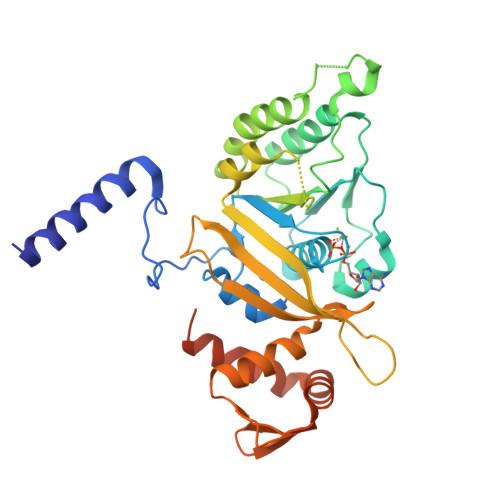 Click to view 3D structure | Protein RecA | P9WHJ3 | Mycobacterium tuberculosis | Predicted (SEA) | - Prediction Confidence Score
- 0.31
- Applicability Domain
- 0.4
- Statistical Significance
- 0.0073
- Supporting Reference Compounds
- 296
- E-value
- 57.1413
|
| Click to view 3D structure | Catechol O-methyltransferase | Q99028 | Sus scrofa | Predicted (SEA) | - Prediction Confidence Score
- 0.296
- Applicability Domain
- 0.326
- Statistical Significance
- 2.80e-04
- Supporting Reference Compounds
- 2
- E-value
- 2.17978
|
 Click to view 3D structure | Induced myeloid leukemia cell differentiation protein Mcl-1 | Q07820 | Humans | Predicted (SEA) | - Prediction Confidence Score
- 0.29
- Applicability Domain
- 0.333
- Statistical Significance
- 0.0262
- Supporting Reference Compounds
- 343
- E-value
- 204.043
|
 Click to view 3D structure | Endolysin | P00720 | Enterobacteria phage T4 | Predicted (SEA) | - Prediction Confidence Score
- 0.289
- Applicability Domain
- 0.289 Low confidence
- Statistical Significance
- 0.0014
- Supporting Reference Compounds
- 1
- E-value
- 11.2103
|
 Click to view 3D structure | Large T antigen | P03070 | Simian virus 40 | Predicted (SEA) | - Prediction Confidence Score
- 0.285
- Applicability Domain
- 0.333
- Statistical Significance
- 0.004
- Supporting Reference Compounds
- 78
- E-value
- 31.4511
|
 Click to view 3D structure | Cytochrome P450 1A2 | P05177 | Humans | Predicted (SEA) | - Prediction Confidence Score
- 0.281
- Applicability Domain
- 0.359
- Statistical Significance
- 0.127
- Supporting Reference Compounds
- 793
- E-value
- 988.997
|
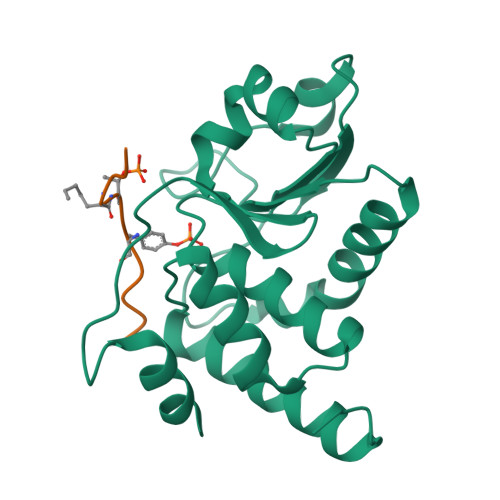 Click to view 3D structure | Dual specificity protein phosphatase 3 | P51452 | Humans | Predicted (SEA) | - Prediction Confidence Score
- 0.279
- Applicability Domain
- 0.302
- Statistical Significance
- 0.0105
- Supporting Reference Compounds
- 147
- E-value
- 81.8195
|
| Click to view 3D structure | Trans-cinnamate 4-monooxygenase | Q04468 | Helianthus tuberosus | Predicted (SEA) | - Prediction Confidence Score
- 0.279
- Applicability Domain
- 0.279 Low confidence
- Statistical Significance
- 9.70e-04
- Supporting Reference Compounds
- 1
- E-value
- 7.55137
|
 Click to view 3D structure | Transthyretin | P02766 | Humans | Predicted (SEA) | - Prediction Confidence Score
- 0.278
- Applicability Domain
- 0.35
- Statistical Significance
- 0.0062
- Supporting Reference Compounds
- 55
- E-value
- 48.6558
|
 Click to view 3D structure | Arylsulfatase | P51691 | Pseudomonas aeruginosa (strain ATCC 15692 / PAO1 / 1C / PRS 101 / LMG 12228) | Predicted (SEA) | - Prediction Confidence Score
- 0.277
- Applicability Domain
- 0.277 Low confidence
- Statistical Significance
- 0.0017
- Supporting Reference Compounds
- 1
- E-value
- 13.0008
|
| Click to view 3D structure | Streptokinase A | P10520 | Streptococcus pyogenes serotype M1 | Predicted (SEA) | - Prediction Confidence Score
- 0.276
- Applicability Domain
- 0.298 Low confidence
- Statistical Significance
- 0.0506
- Supporting Reference Compounds
- 425
- E-value
- 394.151
|
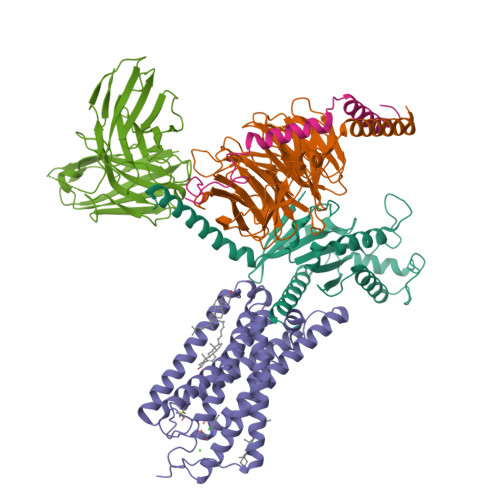 Click to view 3D structure | G-protein coupled receptor 35 | Q9HC97 | Humans | Predicted (SEA) | - Prediction Confidence Score
- 0.274
- Applicability Domain
- 0.32
- Statistical Significance
- 0.0096
- Supporting Reference Compounds
- 115
- E-value
- 74.891
|
| Click to view 3D structure | Nonstructural protein 1 | Q194T2 | Influenza A virus | Predicted (SEA) | - Prediction Confidence Score
- 0.272
- Applicability Domain
- 0.356
- Statistical Significance
- 0.0077
- Supporting Reference Compounds
- 104
- E-value
- 60.2553
|
 Click to view 3D structure | Tyrosine-protein phosphatase non-receptor type 11 | Q06124 | Humans | Predicted (SEA) | - Prediction Confidence Score
- 0.264
- Applicability Domain
- 0.3
- Statistical Significance
- 0.0193
- Supporting Reference Compounds
- 109
- E-value
- 150.405
|
 Click to view 3D structure | ATP phosphoribosyltransferase | P9WMN1 | Mycobacterium tuberculosis | Predicted (SEA) | - Prediction Confidence Score
- 0.263
- Applicability Domain
- 0.328
- Statistical Significance
- 5.70e-04
- Supporting Reference Compounds
- 2
- E-value
- 4.43741
|
| Click to view 3D structure | 17-beta-hydroxysteroid dehydrogenase type 2 | P37059 | Humans | Predicted (SEA) | - Prediction Confidence Score
- 0.262
- Applicability Domain
- 0.302
- Statistical Significance
- 0.0072
- Supporting Reference Compounds
- 44
- E-value
- 56.0514
|
 Click to view 3D structure | 17-beta-hydroxysteroid dehydrogenase type 1 | P14061 | Humans | Predicted (SEA) | - Prediction Confidence Score
- 0.262
- Applicability Domain
- 0.302
- Statistical Significance
- 0.0056
- Supporting Reference Compounds
- 42
- E-value
- 43.5956
|
 Click to view 3D structure | Protein Tat | P04608 | Human immunodeficiency virus type 1 group M subtype B (isolate HXB2)(HIV-1) | Predicted (SEA) | - Prediction Confidence Score
- 0.261
- Applicability Domain
- 0.302
- Statistical Significance
- 0.0108
- Supporting Reference Compounds
- 108
- E-value
- 83.8436
|
| Click to view 3D structure | Heat shock factor protein 1 | P38532 | Mus musculus | Predicted (SEA) | - Prediction Confidence Score
- 0.258
- Applicability Domain
- 0.326
- Statistical Significance
- 0.0489
- Supporting Reference Compounds
- 166
- E-value
- 380.994
|
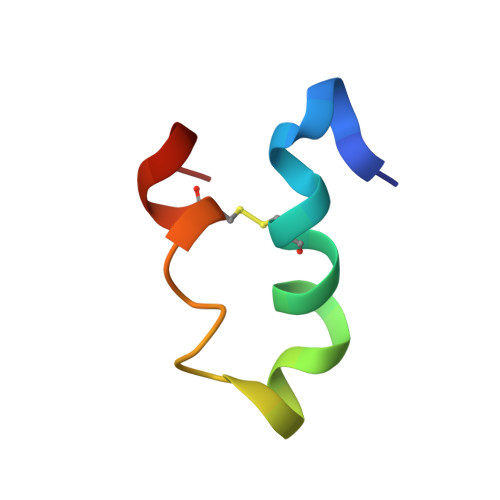 Click to view 3D structure | Sphingosine 1-phosphate receptor 4 | O95977 | Humans | Predicted (SEA) | - Prediction Confidence Score
- 0.256
- Applicability Domain
- 0.326
- Statistical Significance
- 0.0255
- Supporting Reference Compounds
- 117
- E-value
- 198.282
|
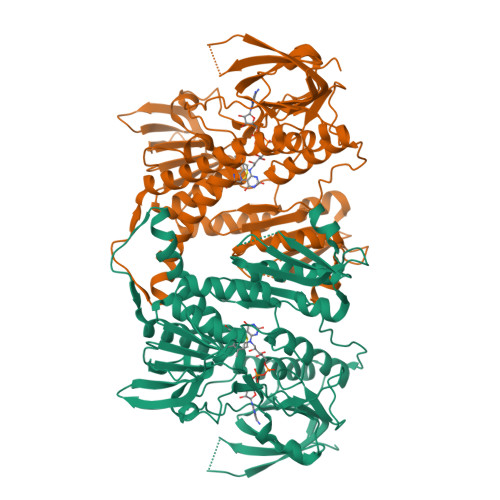 Click to view 3D structure | Thioredoxin reductase | P61076 | Plasmodium falciparum 3D7 | Predicted (SEA) | - Prediction Confidence Score
- 0.255
- Applicability Domain
- 0.255 Low confidence
- Statistical Significance
- 4.70e-04
- Supporting Reference Compounds
- 1
- E-value
- 3.65891
|
 Click to view 3D structure | Krueppel-like factor 10 | Q13118 | Humans | Predicted (SEA) | - Prediction Confidence Score
- 0.254
- Applicability Domain
- 0.254 Low confidence
- Statistical Significance
- 0.0025
- Supporting Reference Compounds
- 1
- E-value
- 19.4623
|

