 Click to view 3D structure | Sodium- and chloride-dependent creatine transporter 1 | P48029 | Humans | Predicted (SEA) | - Prediction Confidence Score
- 0.156
- Applicability Domain
- 0.156 Low confidence
- Statistical Significance
- 0.0045
- Supporting Reference Compounds
- 1
- E-value
- 35.2657
|
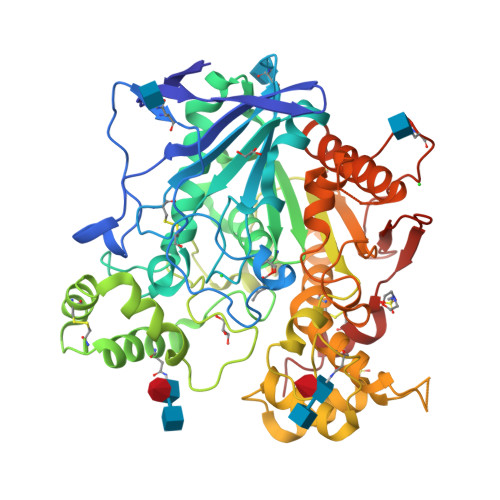 Click to view 3D structure | Cholinesterase | P06276 | Humans | Predicted (SEA) | - Prediction Confidence Score
- 0.141
- Applicability Domain
- 0.214 Low confidence
- Statistical Significance
- 0.981
- Supporting Reference Compounds
- 234
- E-value
- 7637.01
|
| Click to view 3D structure | Sucrase-isomaltase, intestinal | P23739 | Rattus norvegicus | Predicted (SEA) | - Prediction Confidence Score
- 0.14
- Applicability Domain
- 0.148 Low confidence
- Statistical Significance
- 0.0228
- Supporting Reference Compounds
- 25
- E-value
- 177.185
|
 Click to view 3D structure | Lysosomal alpha-glucosidase | P10253 | Humans | Predicted (SEA) | - Prediction Confidence Score
- 0.136
- Applicability Domain
- 0.147 Low confidence
- Statistical Significance
- 0.0811
- Supporting Reference Compounds
- 21
- E-value
- 631.513
|
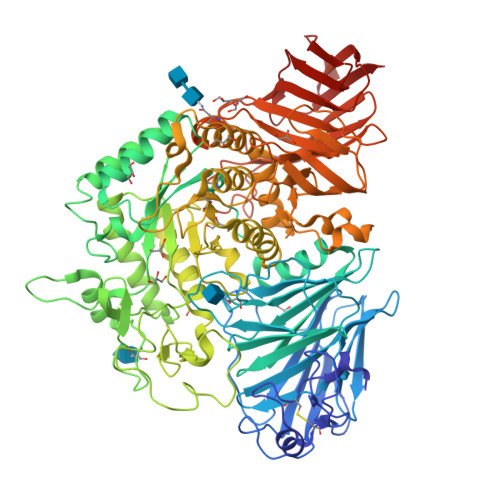 Click to view 3D structure | Maltase-glucoamylase | O43451 | Humans | Predicted (SEA) | - Prediction Confidence Score
- 0.136
- Applicability Domain
- 0.147 Low confidence
- Statistical Significance
- 0.3083
- Supporting Reference Compounds
- 30
- E-value
- 2400.17
|
 Click to view 3D structure | Muscarinic acetylcholine receptor M2 | P08172 | Humans | Predicted (SEA) | - Prediction Confidence Score
- 0.135
- Applicability Domain
- 0.143 Low confidence
- Statistical Significance
- 0.9959
- Supporting Reference Compounds
- 373
- E-value
- 7753.39
|
| Click to view 3D structure | Muscarinic receptor 4 | Q8VH25 | Cavia porcellus | Predicted (SEA) | - Prediction Confidence Score
- 0.135
- Applicability Domain
- 0.135 Low confidence
- Statistical Significance
- 0.2875
- Supporting Reference Compounds
- 1
- E-value
- 2238.4
|
 Click to view 3D structure | Muscarinic acetylcholine receptor M4 | P08173 | Humans | Predicted (SEA) | - Prediction Confidence Score
- 0.135
- Applicability Domain
- 0.143 Low confidence
- Statistical Significance
- 0.9942
- Supporting Reference Compounds
- 297
- E-value
- 7740.16
|
 Click to view 3D structure | Muscarinic acetylcholine receptor M1 | P11229 | Humans | Predicted (SEA) | - Prediction Confidence Score
- 0.134
- Applicability Domain
- 0.137 Low confidence
- Statistical Significance
- 0.9964
- Supporting Reference Compounds
- 385
- E-value
- 7757.21
|
| Click to view 3D structure | Muscarinic acetylcholine receptor M1 | P08482 | Rattus norvegicus | Predicted (SEA) | - Prediction Confidence Score
- 0.132
- Applicability Domain
- 0.137 Low confidence
- Statistical Significance
- 0.9677
- Supporting Reference Compounds
- 109
- E-value
- 7533.31
|
 Click to view 3D structure | Muscarinic acetylcholine receptor M3 | P20309 | Humans | Predicted (SEA) | - Prediction Confidence Score
- 0.132
- Applicability Domain
- 0.137 Low confidence
- Statistical Significance
- 0.9964
- Supporting Reference Compounds
- 310
- E-value
- 7756.9
|
 Click to view 3D structure | Muscarinic acetylcholine receptor M3 | P08483 | Rattus norvegicus | Predicted (SEA) | - Prediction Confidence Score
- 0.132
- Applicability Domain
- 0.137 Low confidence
- Statistical Significance
- 0.9271
- Supporting Reference Compounds
- 55
- E-value
- 7217.63
|
| Click to view 3D structure | Muscarinic acetylcholine receptor M3 | Q8VH26 | Cavia porcellus | Predicted (SEA) | - Prediction Confidence Score
- 0.13
- Applicability Domain
- 0.135 Low confidence
- Statistical Significance
- 0.8934
- Supporting Reference Compounds
- 52
- E-value
- 6954.89
|
| Click to view 3D structure | Muscarinic acetylcholine receptor M2 | P10980 | Rattus norvegicus | Predicted (SEA) | - Prediction Confidence Score
- 0.13
- Applicability Domain
- 0.137 Low confidence
- Statistical Significance
- 0.9568
- Supporting Reference Compounds
- 98
- E-value
- 7448.77
|
| Click to view 3D structure | Carnitine palmitoyltransferase 1A | Q9MYX2 | Sus scrofa | Predicted (SEA) | - Prediction Confidence Score
- 0.13
- Applicability Domain
- 0.135 Low confidence
- Statistical Significance
- 0.0497
- Supporting Reference Compounds
- 2
- E-value
- 386.833
|
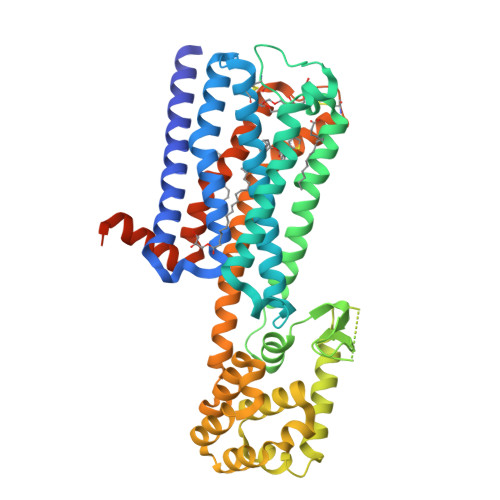 Click to view 3D structure | Muscarinic acetylcholine receptor M5 | P08912 | Humans | Predicted (SEA) | - Prediction Confidence Score
- 0.13
- Applicability Domain
- 0.137 Low confidence
- Statistical Significance
- 0.9957
- Supporting Reference Compounds
- 266
- E-value
- 7751.37
|
 Click to view 3D structure | Autotaxin | Q13822 | Humans | Predicted (SEA) | - Prediction Confidence Score
- 0.13
- Applicability Domain
- 0.13 Low confidence
- Statistical Significance
- 0.8726
- Supporting Reference Compounds
- 40
- E-value
- 6793.28
|
| Click to view 3D structure | Lysophosphatidic acid receptor 3 | Q8K5E0 | Rattus norvegicus | Predicted (SEA) | - Prediction Confidence Score
- 0.128
- Applicability Domain
- 0.13 Low confidence
- Statistical Significance
- 0.0224
- Supporting Reference Compounds
- 4
- E-value
- 174.227
|
| Click to view 3D structure | Serine-threonine protein phosphatase 2A regulatory subunit | Q8AWE3 | Gallus gallus | Predicted (SEA) | - Prediction Confidence Score
- 0.128
- Applicability Domain
- 0.184 Low confidence
- Statistical Significance
- 0.2177
- Supporting Reference Compounds
- 12
- E-value
- 1694.47
|
| Click to view 3D structure | Muscarinic acetylcholine receptor M1 | Q8WMX0 | Bos taurus | Predicted (SEA) | - Prediction Confidence Score
- 0.128
- Applicability Domain
- 0.137 Low confidence
- Statistical Significance
- 0.7311
- Supporting Reference Compounds
- 18
- E-value
- 5691.95
|
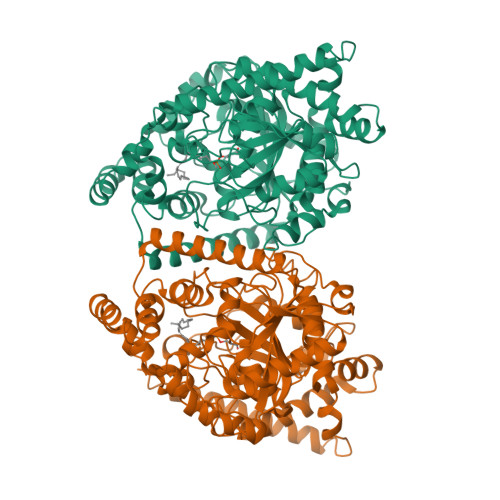 Click to view 3D structure | Fatty-acid amide hydrolase 1 | P97612 | Rattus norvegicus | Predicted (SEA) | - Prediction Confidence Score
- 0.128
- Applicability Domain
- 0.174 Low confidence
- Statistical Significance
- 0.9737
- Supporting Reference Compounds
- 102
- E-value
- 7580.18
|
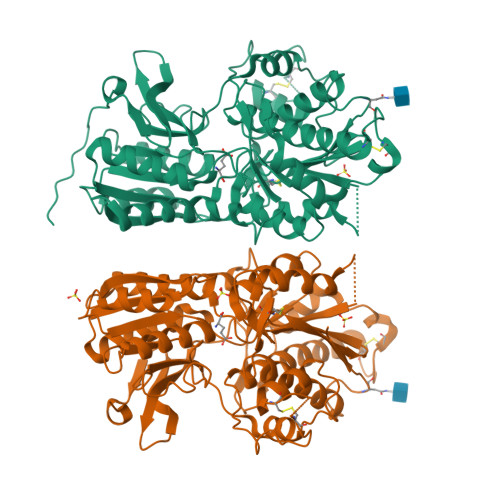 Click to view 3D structure | Metabotropic glutamate receptor 8 | O00222 | Humans | Predicted (SEA) | - Prediction Confidence Score
- 0.127
- Applicability Domain
- 0.162 Low confidence
- Statistical Significance
- 0.9454
- Supporting Reference Compounds
- 48
- E-value
- 7360.1
|
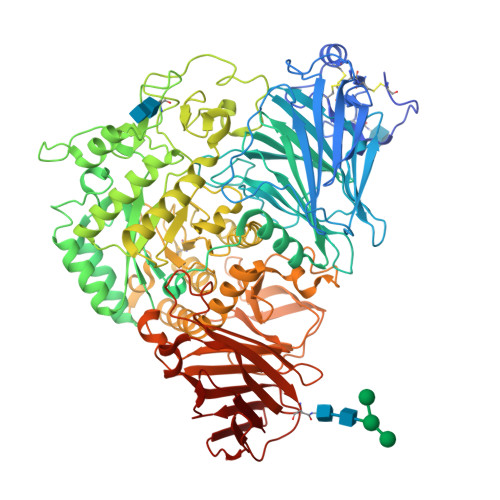 Click to view 3D structure | Sucrase-isomaltase, intestinal | P14410 | Humans | Predicted (SEA) | - Prediction Confidence Score
- 0.126
- Applicability Domain
- 0.139 Low confidence
- Statistical Significance
- 0.1097
- Supporting Reference Compounds
- 14
- E-value
- 854.24
|
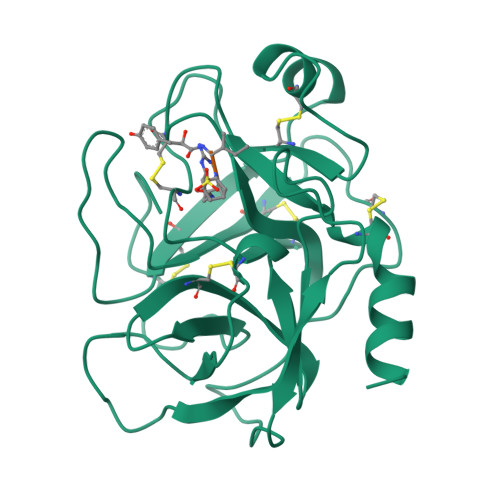 Click to view 3D structure | Serine protease 1 | P00760 | Bos taurus | Predicted (SEA) | - Prediction Confidence Score
- 0.126
- Applicability Domain
- 0.138 Low confidence
- Statistical Significance
- 0.929
- Supporting Reference Compounds
- 74
- E-value
- 7232.04
|
| Click to view 3D structure | Lysosomal alpha-glucosidase | Q6P7A9 | Rattus norvegicus | Predicted (SEA) | - Prediction Confidence Score
- 0.126
- Applicability Domain
- 0.148 Low confidence
- Statistical Significance
- 0.0283
- Supporting Reference Compounds
- 21
- E-value
- 220.313
|

