Dichloromethanol (CED0023932)

Record Information
Version1.0
Creation Date2026-04-06 09:07:57 UTC
Update Date2026-08-26 00:12:18 UTC
SynCED IDCED0023932
Secondary Accession Numbers
  • CHEM121173
Identification
Common NameDichloromethanol
ClassSmall Molecule
Description
Dichloromethanol is an organic compound with the chemical formula CH2Cl2O and an average molecular weight of 100.93 g/mol. Dichloromethanol belongs to the organochlorides, a class of organohalogen compounds within the organic compounds. This compound is found in or released from 13 recorded sources across multiple sectors. Within electrical and electronic equipment, it is associated with batteries, capacitors, printed circuit boards, cell phones, wires and cables, and one additional source. In the textiles, leather and furnishings sector, it is found in carpets, rugs, and synthetic textiles. Other recorded sources include medical devices from the healthcare, pharmaceuticals and veterinary products sector, food packaging from the food, food processing and cookware sector, and lubricants from both the industrial manufacturing and chemical processing sector and the energy, oil and gas sector, along with one more sector. Recorded exposure routes for dichloromethanol include inhalation, oral, and touch.
Contaminant Type
  • PFAS
Chemical Structure
SynonymsNot Available
Chemical FormulaCH2Cl2O
Average Molecular Mass100.930 g/mol
Monoisotopic Mass99.948 g/mol
CAS Registry Number35911-93-4
IUPAC NameNot Available
Traditional NameNot Available
SMILESNot Available
InChI IdentifierInChI=1S/CH2Cl2O/c2-1(3)4/h1,4H
InChI KeyGJYVZUKSNFSLCL-UHFFFAOYSA-N
Chemical Taxonomy
ClassificationNot classified
Biological Properties
StatusDetected and Not Quantified
OriginNot Available
Cellular LocationsNot Available
Biofluid LocationsNot Available
Tissue LocationsNot Available
ApplicationsNot Available
Biological RolesNot Available
Chemical RolesNot Available
Organoleptic EffectsNot Available
Physical Properties
StateNot Available
AppearanceNot Available
Experimental Properties
PropertyValue
Melting PointNot Available
Boiling PointNot Available
SolubilityNot Available
Predicted PropertiesNot Available
Spectra
SpectraNot Available
Toxicity Profile
Toxicity Values
Toxicity ValueOrganismDose DescriptorRoute of ExposurePredicted or ExperimentalToxicity RatingReference
175.0 Log mg/kg [100:310]RatLD50oralpredictedNot AvailableNot Available
Toxicity / Toxin ClassNot Available
Mechanism of ToxicityNot Available
Carcinogenicity (IARC Classification)Not Available
Minimum Risk LevelNot Available
SymptomsNot Available
TreatmentNot Available
Health Effects
Health EffectRelationshipDirectionDescriptionReference
Exposure Sources
Source IDSourceSectorReference
CEDs000007Pesticides?Pesticides are synthetic chemicals designed to prevent, destroy, or control pests that threaten crops and agricultural productivity.Agriculture & land managementNot Available
CEDs000010Insecticides?Insecticides are synthetic chemicals designed to control or eliminate insect pests that threaten crops and other agricultural products.Agriculture & land managementPubChem
CEDs000120Wires and cables?Wires and cables are integral components in the transmission of electrical power and signals.Electrical & Electronic EquipmentNot Available
CEDs000121Printed circuit boards?Printed circuit boards (PCBs) are essential components in the manufacturing of electronic devices, serving as the backbone for electrical connections and circuit pathways.Electrical & Electronic EquipmentNot Available
CEDs000125Batteries?Batteries are devices that store and release electrical energy through electrochemical reactions.Electrical & Electronic EquipmentNot Available
CEDs000130Semiconductors?Semiconductors are materials that possess electrical conductivity between that of conductors and insulators, making them essential for various electronic applications, including transistors, diodes, and integrated circuits.Electrical & Electronic EquipmentNot Available
CEDs000138Lubricants?Lubricants are synthetic or petroleum-derived substances used to reduce friction between surfaces in machinery and equipment, enhancing operational efficiency and longevity.Energy, oil & gasNot Available
CEDs000147Food packaging?Food packaging often utilizes synthetic chemicals, such as plastics and coatings, to enhance durability, moisture resistance, and shelf life.Food, food processing & cookwareNot Available
CEDs000174Lubricants?Lubricants are synthetic or petroleum-based substances used to reduce friction and wear between moving parts in machinery and equipment.Industrial manufacturing & chemical processingNot Available
CEDs000234Medical devices?Medical devices often incorporate synthetic chemicals in their manufacturing processes, which can contribute to contamination in healthcare settings.Healthcare, pharmaceuticals & veterinary productsNot Available
CEDs000451Carpets and Rugs?Carpets and rugs are commonly manufactured using synthetic fibers such as nylon, polyester, and polypropylene, which can be derived from petrochemical sources.Textiles, leather & furnishingsNot Available
CEDs000454Synthetic textiles?Synthetic textiles are materials derived from man-made fibers, such as polyester, nylon, and acrylic, which are produced through chemical processes involving petrochemicals.Textiles, leather & furnishingsNot Available
CEDs000490Personal care & cosmeticsNot Available
CEDs000492Cell phones?Cell phones contain a variety of synthetic chemicals and materials, including plastics, metals, and glass, which can contribute to environmental contamination.Electrical & Electronic EquipmentNot Available
CEDs000493Capacitors?Capacitors are electronic components that store and release electrical energy, often using dielectric materials that can include synthetic chemicals.Electrical & Electronic EquipmentNot Available
CEDs000511Conductors Or Conductive Bodies Characterised By The Conductive Materials?Conductors, or conductive bodies, are materials that allow the flow of electrical current, typically made from metals such as copper, aluminum, or silver.Electrical & Electronic EquipmentPubChem
CEDs000519Electrodes?Electrodes, used in various electrical and electronic applications, can be a source of synthetic chemical contamination due to the materials from which they are constructed and the processes involved in their manufacturing.Electrical & Electronic EquipmentPubChem
CEDs000524Hybrid Capacitors?Hybrid capacitors are energy storage devices that combine the properties of electrolytic and supercapacitors, utilizing a combination of electrochemical principles to achieve higher energy density and power density.Electrical & Electronic EquipmentPubChem
CEDs000556Cigar Cigarettes?Cigar cigarettes are a source of synthetic chemical contamination due to the combustion of various tobacco blends and additives.Household cleaning & consumer productsPubChem
CEDs000569Tobacco Smoke Filters?Tobacco smoke filters are designed to reduce the inhalation of harmful substances in cigarette smoke, including tar and other particulate matter.Household cleaning & consumer productsPubChem
CEDs000580Manufacture Preparation Of Tobacco Products?The manufacture and preparation of tobacco products involve various processes that can result in the introduction of synthetic chemicals into the environment.Industrial manufacturing & chemical processingPubChem
CEDs000581Paper Making Machines?Paper making machines utilize various synthetic chemicals throughout the production process, including additives, coatings, and bleaching agents.Industrial manufacturing & chemical processingPubChem
CEDs000596Acaricides?Acaricides are synthetic chemicals specifically designed to target and control mite populations that can damage crops and plants.Agriculture & land managementPubChem
CEDs000600Herbicides And Algicides?Herbicides and algicides are synthetic chemicals primarily used to control unwanted plants and algae in various environments.Agriculture & land managementPubChem
CEDs000602Molluscicides?Molluscicides are synthetic chemicals specifically designed to control and eliminate mollusks, such as snails and slugs, which can be detrimental to crops and agricultural productivity.Agriculture & land managementPubChem
CEDs000603Nematocides?Nematocides are synthetic chemicals specifically designed to control nematodes, which are microscopic roundworms that can cause significant damage to crops and plants.Agriculture & land managementPubChem
CEDs000606Plant Growth Regulators?Plant Growth Regulators (PGRs) are synthetic chemicals designed to influence the growth and development of plants.Agriculture & land managementPubChem
CEDs000607Rodenticides(1)?Rodenticides are synthetic chemicals specifically formulated to control rodent populations, serving as a crucial tool in managing pests that can damage crops and spread diseases.Agriculture & land managementPubChem
CEDs000608Rodenticides?Rodenticides are chemical substances specifically designed to control rodent populations by causing death through various mechanisms, including anticoagulation or neurotoxicity.Agriculture & land managementPubChem
CEDs000610Aftersun Products?Aftersun products are designed to soothe and hydrate the skin after sun exposure, often containing various synthetic chemicals such as emollients, preservatives, and fragrances.Personal care & cosmeticsPubChem
CEDs000613Depilatories?Depilatories are products designed to remove unwanted hair through the application of synthetic chemicals that break down the protein structure of hair, facilitating its removal.Personal care & cosmeticsPubChem
CEDs000614Essential Oils Or Perfumes?Essential oils and perfumes are complex mixtures of volatile compounds derived from natural or synthetic sources, commonly used for their aromatic properties.Personal care & cosmeticsPubChem
CEDs000685Ceramics?Ceramics can be a source of synthetic chemical contamination through various additives and processing agents used in their production.Building & ConstructionPubChem
CEDs000696Nanotechnology?Nanotechnology involves the manipulation of materials at the molecular or atomic level, typically within the range of 1 to 100 nanometers.Industrial manufacturing & chemical processingPubChem
CEDs000735Explosives?Explosives are chemical compounds or mixtures designed to undergo rapid decomposition, releasing energy in the form of gas and heat.Defense & military infrastructurePubChem
CEDs000739Inks?Inks are complex mixtures composed of pigments or dyes, solvents, resins, and additives used primarily for printing and writing applications.Paper, pulp & fiber productsPubChem
CEDs000740Paper?Paper production involves the processing of wood fibers and the use of various chemicals, which can lead to synthetic chemical contamination.Paper, pulp & fiber productsPubChem
CEDs000744Water, Wastewater, & Sewage Treatment?Water, wastewater, and sewage treatment processes are critical for managing and mitigating pollutants in water systems.Wastewater, sanitation & biosolidsPubChem
Pathways
0 pathwaysPathway Source: PathBank

No pathways found

No metabolic pathways have been associated with this synthetic chemical

Targets
StructureProteinUniProt IDOrganismRelationshipDetails
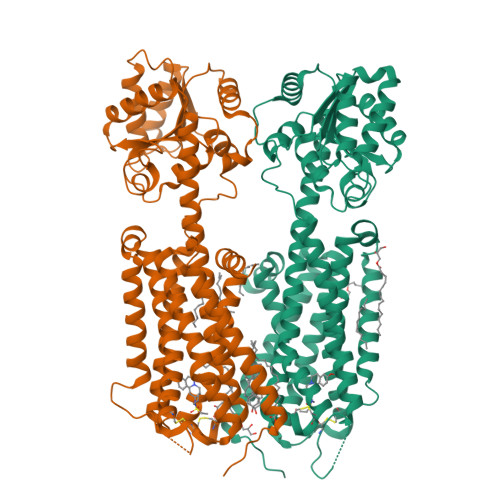
Click to view 3D structureRetinal dehydrogenase 2O93344Gallus gallusPredicted (SEA)
Prediction Confidence Score
0.139
Applicability Domain
0.19 Low confidence
Statistical Significance
0.0029
Supporting Reference Compounds
2
E-value
22.4984
Mandelate racemase structureClick to view 3D structureMandelate racemaseP11444Pseudomonas putidaPredicted (SEA)
Prediction Confidence Score
0.13
Applicability Domain
0.13 Low confidence
Statistical Significance
0.1411
Supporting Reference Compounds
1
E-value
1098.22
3-isopropylmalate dehydrogenase structureClick to view 3D structure3-isopropylmalate dehydrogenaseQ5SIY4Thermus thermophilusPredicted (SEA)
Prediction Confidence Score
0.13
Applicability Domain
0.13 Low confidence
Statistical Significance
0.0032
Supporting Reference Compounds
1
E-value
24.7561
Click to view 3D structureType IV secretion-like conjugative transfer relaxase protein TraIB1LRJ1Escherichia coli (strain SMS-3-5 / SECEC)Predicted (SEA)
Prediction Confidence Score
0.125
Applicability Domain
0.125 Low confidence
Statistical Significance
0.001
Supporting Reference Compounds
1
E-value
7.86277
Click to view 3D structureTyR1H9TVJ1Chilo suppressalisPredicted (SEA)
Prediction Confidence Score
0.125
Applicability Domain
0.125 Low confidence
Statistical Significance
0.0616
Supporting Reference Compounds
1
E-value
479.94
Click to view 3D structureCAI-1 autoinducer sensor kinase/phosphatase CqsSQ9KM66Vibrio cholerae serotype O1 (strain ATCC 39315 / El Tor Inaba N16961)Predicted (SEA)
Prediction Confidence Score
0.12
Applicability Domain
0.12 Low confidence
Statistical Significance
0.0378
Supporting Reference Compounds
1
E-value
294.114
Click to view 3D structureBeta-2 adrenergic receptorQ28044Bos taurusPredicted (SEA)
Prediction Confidence Score
0.116
Applicability Domain
0.129 Low confidence
Statistical Significance
0.5567
Supporting Reference Compounds
16
E-value
4333.79
Click to view 3D structureAlpha-2A adrenergic receptorQ01338Mus musculusPredicted (SEA)
Prediction Confidence Score
0.115
Applicability Domain
0.115 Low confidence
Statistical Significance
0.1282
Supporting Reference Compounds
1
E-value
998.338
Click to view 3D structureAlpha-2C adrenergic receptorQ01337Mus musculusPredicted (SEA)
Prediction Confidence Score
0.115
Applicability Domain
0.115 Low confidence
Statistical Significance
0.1282
Supporting Reference Compounds
1
E-value
998.338
Click to view 3D structureBeta-2 adrenergic receptorQ8K4Z4Cavia porcellusPredicted (SEA)
Prediction Confidence Score
0.114
Applicability Domain
0.129 Low confidence
Statistical Significance
0.9602
Supporting Reference Compounds
48
E-value
7475.24
Click to view 3D structureBeta-1 adrenergic receptorP18090Rattus norvegicusPredicted (SEA)
Prediction Confidence Score
0.112
Applicability Domain
0.129 Low confidence
Statistical Significance
0.9782
Supporting Reference Compounds
43
E-value
7614.98
Alpha-2A adrenergic receptor structureClick to view 3D structureAlpha-2A adrenergic receptorP08913HumansPredicted (SEA)
Prediction Confidence Score
0.111
Applicability Domain
0.13 Low confidence
Statistical Significance
0.9996
Supporting Reference Compounds
487
E-value
7781.89
Click to view 3D structureGlutamine synthetase, chloroplasticP25462Zea maysPredicted (SEA)
Prediction Confidence Score
0.111
Applicability Domain
0.111 Low confidence
Statistical Significance
0.1755
Supporting Reference Compounds
1
E-value
1366.18
Click to view 3D structureBeta-1 adrenergic receptorB0FL73Cavia porcellusPredicted (SEA)
Prediction Confidence Score
0.111
Applicability Domain
0.129 Low confidence
Statistical Significance
0.9381
Supporting Reference Compounds
37
E-value
7303.35
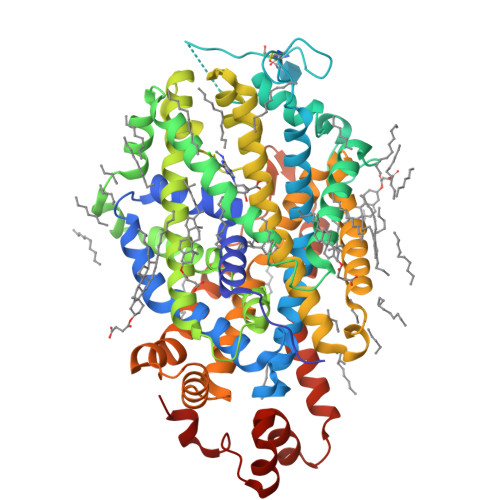
Sodium-dependent dopamine transporter structureClick to view 3D structureSodium-dependent dopamine transporterQ01959HumansPredicted (SEA)
Prediction Confidence Score
0.109
Applicability Domain
0.13 Low confidence
Statistical Significance
0.9997
Supporting Reference Compounds
506
E-value
7782.98
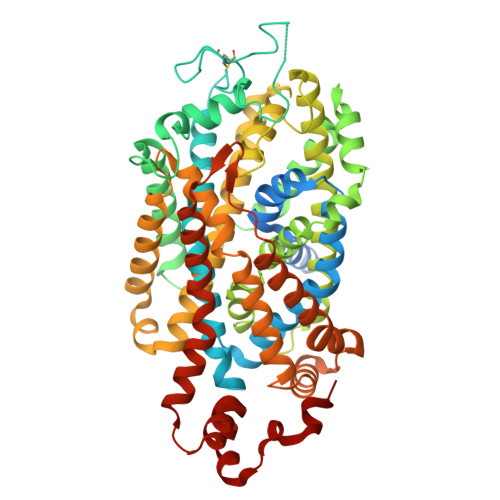
Sodium-dependent noradrenaline transporter structureClick to view 3D structureSodium-dependent noradrenaline transporterP23975HumansPredicted (SEA)
Prediction Confidence Score
0.109
Applicability Domain
0.13 Low confidence
Statistical Significance
0.9997
Supporting Reference Compounds
451
E-value
7782.35
Alpha-2B adrenergic receptor structureClick to view 3D structureAlpha-2B adrenergic receptorP18089HumansPredicted (SEA)
Prediction Confidence Score
0.109
Applicability Domain
0.13 Low confidence
Statistical Significance
0.9995
Supporting Reference Compounds
340
E-value
7781.19
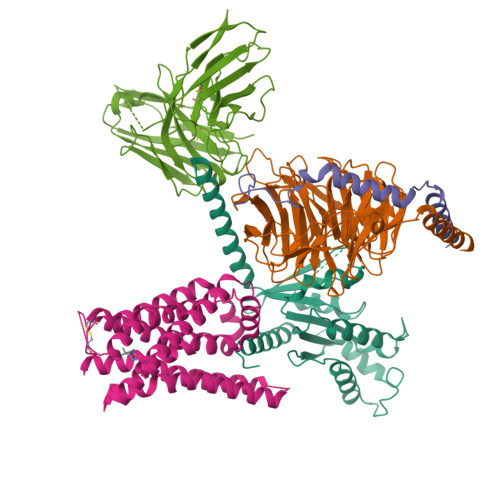
Beta-2 adrenergic receptor structureClick to view 3D structureBeta-2 adrenergic receptorP07550HumansPredicted (SEA)
Prediction Confidence Score
0.109
Applicability Domain
0.125 Low confidence
Statistical Significance
0.9992
Supporting Reference Compounds
258
E-value
7778.46
Estrogen receptor beta structureClick to view 3D structureEstrogen receptor betaQ92731HumansPredicted (SEA)
Prediction Confidence Score
0.108
Applicability Domain
0.136 Low confidence
Statistical Significance
0.9989
Supporting Reference Compounds
174
E-value
7776.75
Estrogen receptor structureClick to view 3D structureEstrogen receptorP03372HumansPredicted (SEA)
Prediction Confidence Score
0.108
Applicability Domain
0.136 Low confidence
Statistical Significance
0.9988
Supporting Reference Compounds
201
E-value
7775.58
Alpha-2C adrenergic receptor structureClick to view 3D structureAlpha-2C adrenergic receptorP18825HumansPredicted (SEA)
Prediction Confidence Score
0.108
Applicability Domain
0.13 Low confidence
Statistical Significance
0.9996
Supporting Reference Compounds
386
E-value
7781.5
Ribose-5-phosphate isomerase B structureClick to view 3D structureRibose-5-phosphate isomerase BP9WKD7Mycobacterium tuberculosis (strain ATCC 25618 / H37Rv)Predicted (SEA)
Prediction Confidence Score
0.107
Applicability Domain
0.107 Low confidence
Statistical Significance
0.04
Supporting Reference Compounds
1
E-value
311.163
Click to view 3D structureBeta-2 adrenergic receptorP54833Canis lupus familiarisPredicted (SEA)
Prediction Confidence Score
0.106
Applicability Domain
0.115 Low confidence
Statistical Significance
0.9511
Supporting Reference Compounds
19
E-value
7404.24
Click to view 3D structureAsc-type amino acid transporter 1P63116RatPredicted (SEA)
Prediction Confidence Score
0.105
Applicability Domain
0.105 Low confidence
Statistical Significance
0.0501
Supporting Reference Compounds
2
E-value
390.258
5-hydroxytryptamine receptor 2B structureClick to view 3D structure5-hydroxytryptamine receptor 2BP41595HumansPredicted (SEA)
Prediction Confidence Score
0.105
Applicability Domain
0.13 Low confidence
Statistical Significance
0.9998
Supporting Reference Compounds
686
E-value
7783.21
Concentrations
Not Available
External Links
IdentifiersNot Available
References
Synthesis ReferenceNot Available
MSDSNot Available
General ReferencesNot Available