 Click to view 3D structure | Peptidyl-prolyl cis-trans isomerase FKBP1A | P62942 | Humans | Predicted (SEA) | - Prediction Confidence Score
- 0.527
- Applicability Domain
- 0.944
- Statistical Significance
- 1.30e-04
- Supporting Reference Compounds
- 21
- E-value
- 1.01204
|
 Click to view 3D structure | Serine/threonine-protein kinase mTOR | P42345 | Humans | Predicted (SEA) | - Prediction Confidence Score
- 0.456
- Applicability Domain
- 0.944
- Statistical Significance
- 0.0044
- Supporting Reference Compounds
- 403
- E-value
- 34.6429
|
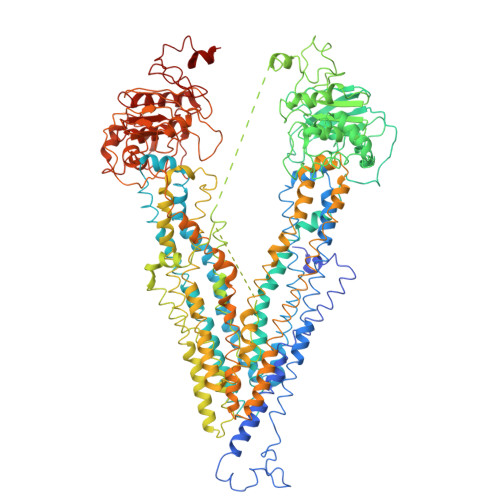 Click to view 3D structure | Bile salt export pump | O95342 | Humans | Predicted (SEA) | - Prediction Confidence Score
- 0.429
- Applicability Domain
- 0.944
- Statistical Significance
- 3.70e-04
- Supporting Reference Compounds
- 104
- E-value
- 2.88042
|
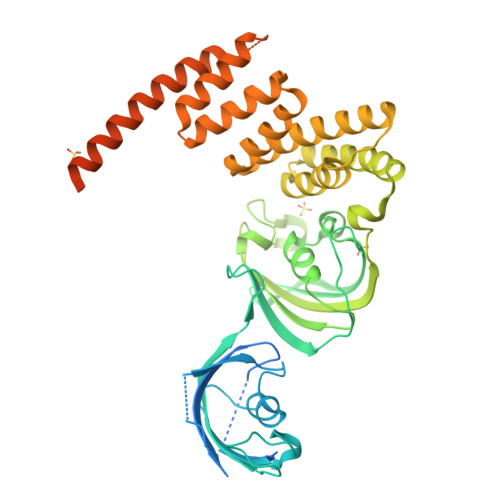 Click to view 3D structure | Peptidyl-prolyl cis-trans isomerase FKBP5 | Q13451 | Humans | Predicted (SEA) | - Prediction Confidence Score
- 0.384
- Applicability Domain
- 0.944
- Statistical Significance
- 2.70e-04
- Supporting Reference Compounds
- 16
- E-value
- 2.10193
|
 Click to view 3D structure | Protein phosphatase 3 catalytic subunit alpha | Q08209 | Humans | Predicted (SEA) | - Prediction Confidence Score
- 0.378
- Applicability Domain
- 0.944
- Statistical Significance
- 2.60e-04
- Supporting Reference Compounds
- 7
- E-value
- 2.02408
|
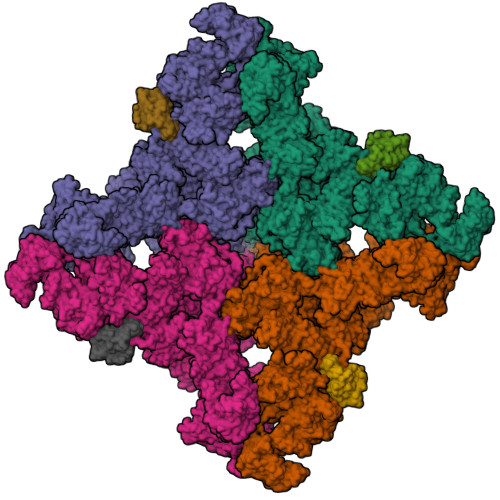 Click to view 3D structure | Peptidyl-prolyl cis-trans isomerase FKBP1A | P26883 | Mus musculus | Predicted (SEA) | - Prediction Confidence Score
- 0.372
- Applicability Domain
- 0.372
- Statistical Significance
- 1.00e-04
- Supporting Reference Compounds
- 2
- E-value
- 0.778492
|
 Click to view 3D structure | Cytochrome P450 3A4 | P08684 | Humans | Predicted (SEA) | - Prediction Confidence Score
- 0.363
- Applicability Domain
- 0.944
- Statistical Significance
- 0.042
- Supporting Reference Compounds
- 1538
- E-value
- 327.2
|
 Click to view 3D structure | Peptidyl-prolyl cis-trans isomerase FKBP1B | P68106 | Humans | Predicted (SEA) | - Prediction Confidence Score
- 0.363
- Applicability Domain
- 0.944
- Statistical Significance
- 1.30e-04
- Supporting Reference Compounds
- 8
- E-value
- 1.01204
|
 Click to view 3D structure | Solute carrier organic anion transporter family member 1B1 | Q9Y6L6 | Humans | Predicted (SEA) | - Prediction Confidence Score
- 0.362
- Applicability Domain
- 0.944
- Statistical Significance
- 7.50e-04
- Supporting Reference Compounds
- 82
- E-value
- 5.83869
|
 Click to view 3D structure | Peptidyl-prolyl cis-trans isomerase FKBP4 | Q02790 | Humans | Predicted (SEA) | - Prediction Confidence Score
- 0.355
- Applicability Domain
- 0.944
- Statistical Significance
- 2.60e-04
- Supporting Reference Compounds
- 16
- E-value
- 2.02408
|
 Click to view 3D structure | Nuclear receptor subfamily 1 group I member 2 | O75469 | Humans | Predicted (SEA) | - Prediction Confidence Score
- 0.353
- Applicability Domain
- 0.944
- Statistical Significance
- 0.002
- Supporting Reference Compounds
- 146
- E-value
- 15.8034
|
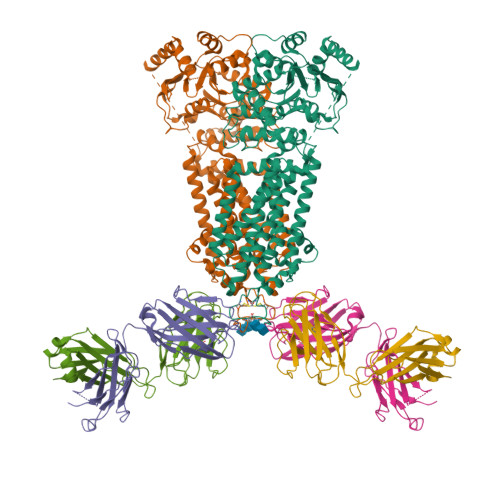 Click to view 3D structure | Broad substrate specificity ATP-binding cassette transporter ABCG2 | Q9UNQ0 | Humans | Predicted (SEA) | - Prediction Confidence Score
- 0.342
- Applicability Domain
- 0.944
- Statistical Significance
- 0.0091
- Supporting Reference Compounds
- 126
- E-value
- 71.232
|
 Click to view 3D structure | Cytochrome P450 3A5 | P20815 | Humans | Predicted (SEA) | - Prediction Confidence Score
- 0.282
- Applicability Domain
- 0.944
- Statistical Significance
- 2.00e-04
- Supporting Reference Compounds
- 20
- E-value
- 1.55698
|
 Click to view 3D structure | Splicing factor 3B subunit 3 | Q15393 | Humans | Predicted (SEA) | - Prediction Confidence Score
- 0.273
- Applicability Domain
- 0.944
- Statistical Significance
- 2.00e-05
- Supporting Reference Compounds
- 6
- E-value
- 0.155698
|
 Click to view 3D structure | Serine/threonine-protein kinase mTOR | Q9JLN9 | Mus musculus | Predicted (SEA) | - Prediction Confidence Score
- 0.208
- Applicability Domain
- 0.372
- Statistical Significance
- 0.0296
- Supporting Reference Compounds
- 20
- E-value
- 230.589
|
 Click to view 3D structure | ATP-dependent translocase ABCB1 | P08183 | Humans | Predicted (SEA) | - Prediction Confidence Score
- 0.203
- Applicability Domain
- 0.372
- Statistical Significance
- 0.4206
- Supporting Reference Compounds
- 139
- E-value
- 3274.73
|
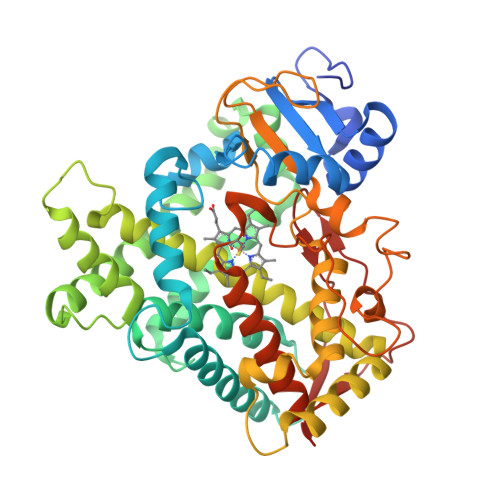 Click to view 3D structure | Cytochrome P450 2C9 | P11712 | Humans | Predicted (SEA) | - Prediction Confidence Score
- 0.192
- Applicability Domain
- 0.372
- Statistical Significance
- 0.9584
- Supporting Reference Compounds
- 1245
- E-value
- 7461.23
|
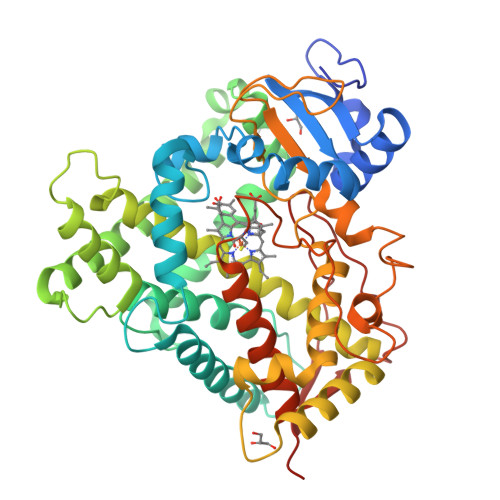 Click to view 3D structure | Cytochrome P450 2C19 | P33261 | Humans | Predicted (SEA) | - Prediction Confidence Score
- 0.188
- Applicability Domain
- 0.372
- Statistical Significance
- 0.9478
- Supporting Reference Compounds
- 825
- E-value
- 7378.55
|
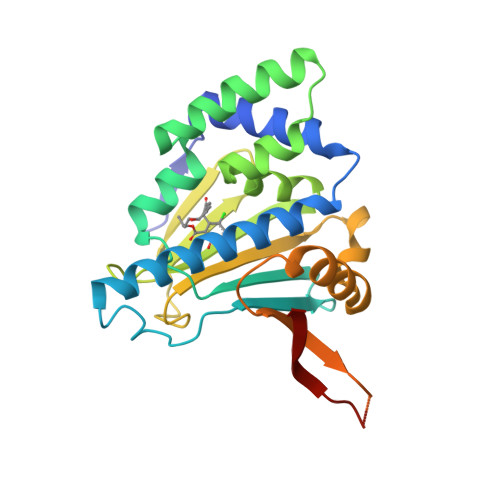 Click to view 3D structure | Endoplasmin | P41148 | Canis lupus familiaris | Predicted (SEA) | - Prediction Confidence Score
- 0.184
- Applicability Domain
- 0.203 Low confidence
- Statistical Significance
- 0.0269
- Supporting Reference Compounds
- 17
- E-value
- 209.337
|
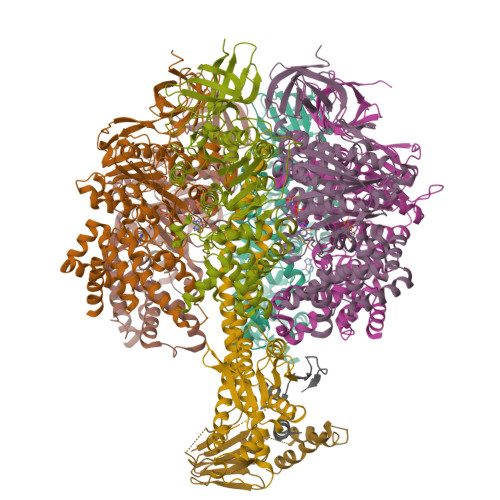 Click to view 3D structure | ATP synthase subunit beta, mitochondrial | P00830 | Saccharomyces cerevisiae S288c | Predicted (SEA) | - Prediction Confidence Score
- 0.18
- Applicability Domain
- 0.18 Low confidence
- Statistical Significance
- 3.90e-04
- Supporting Reference Compounds
- 1
- E-value
- 3.03612
|
 Click to view 3D structure | Heat shock protein HSP 90-alpha | P07900 | Humans | Predicted (SEA) | - Prediction Confidence Score
- 0.177
- Applicability Domain
- 0.203 Low confidence
- Statistical Significance
- 0.5841
- Supporting Reference Compounds
- 109
- E-value
- 4547.41
|
 Click to view 3D structure | Heat shock protein HSP 90-beta | P08238 | Humans | Predicted (SEA) | - Prediction Confidence Score
- 0.177
- Applicability Domain
- 0.203 Low confidence
- Statistical Significance
- 0.1927
- Supporting Reference Compounds
- 30
- E-value
- 1500.54
|
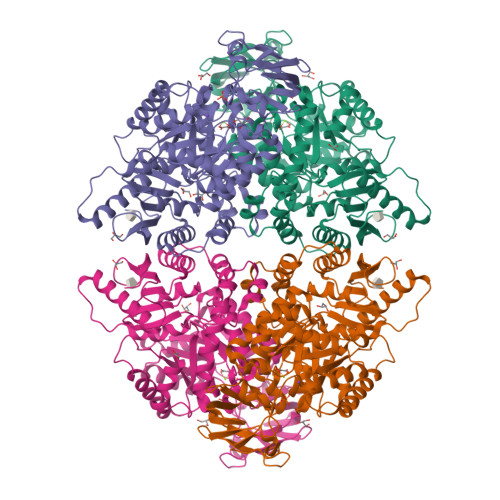 Click to view 3D structure | Pyruvate kinase PKM | P14618 | Humans | Predicted (SEA) | - Prediction Confidence Score
- 0.172
- Applicability Domain
- 0.372
- Statistical Significance
- 0.1481
- Supporting Reference Compounds
- 29
- E-value
- 1152.79
|
| Click to view 3D structure | Nicotinic acetylcholine receptor alpha1 subunit | O46128 | Heliothis virescens | Predicted (SEA) | - Prediction Confidence Score
- 0.172
- Applicability Domain
- 0.172 Low confidence
- Statistical Significance
- 0.0048
- Supporting Reference Compounds
- 1
- E-value
- 37.6012
|
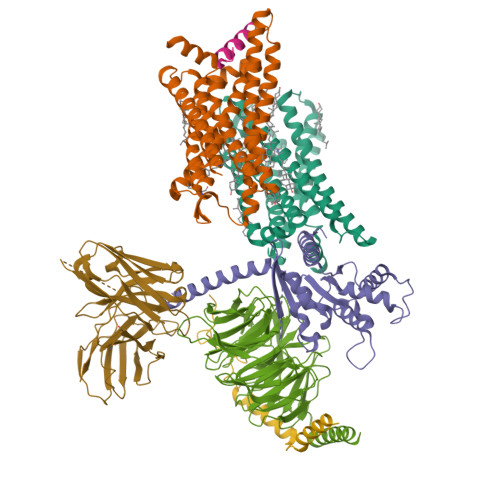 Click to view 3D structure | Mu-type opioid receptor | P35372 | Humans | Predicted (SEA) | - Prediction Confidence Score
- 0.171
- Applicability Domain
- 0.178 Low confidence
- Statistical Significance
- 0.939
- Supporting Reference Compounds
- 527
- E-value
- 7310.12
|

