Dropempine (CED0172470)

Record Information
Version1.0
Creation Date2026-04-06 11:42:42 UTC
Update Date2026-08-18 02:43:32 UTC
SynCED IDCED0172470
Secondary Accession Numbers
  • CHEM123594
Identification
Common NameDropempine
ClassSmall Molecule
Description
Dropempine is an organic compound with the chemical formula C10H19N1 and an average molecular weight of 153.27 g/mol. Dropempine belongs to the hydropyridines, a subclass of pyridines and derivatives within the organic compounds. It is categorized under the superclass of organoheterocyclic compounds. This substance has been identified in or released from three recorded sources. These include household cleaning and consumer products, specifically cigar cigarettes, as well as electrical and electronic equipment, such as discharge lamps and thin magnetic films.
Contaminant TypeNot Available
Chemical Structure
SynonymsNot Available
Chemical FormulaC10H19N1
Average Molecular Mass153.269 g/mol
Monoisotopic Mass153.152 g/mol
CAS Registry Number34703-49-6
IUPAC NameNot Available
Traditional NameNot Available
SMILESCN1C(C)(C)CC=CC1(C)C
InChI IdentifierInChI=1S/C10H19N/c1-9(2)7-6-8-10(3,4)11(9)5/h6-7H,8H2,1-5H3
InChI KeyIBMCQJYLPXUOKM-UHFFFAOYSA-N
Chemical Taxonomy
ClassificationNot classified
Biological Properties
StatusDetected and Not Quantified
OriginNot Available
Cellular LocationsNot Available
Biofluid LocationsNot Available
Tissue LocationsNot Available
ApplicationsNot Available
Biological RolesNot Available
Chemical RolesNot Available
Organoleptic EffectsNot Available
Physical Properties
StateNot Available
AppearanceNot Available
Experimental Properties
PropertyValue
Melting PointNot Available
Boiling PointNot Available
SolubilityNot Available
Predicted PropertiesNot Available
Spectra
SpectraNot Available
Toxicity Profile
Toxicity Values
Toxicity ValueOrganismDose DescriptorRoute of ExposurePredicted or ExperimentalToxicity RatingReference
703.0 Log mg/kg [400:1300]RatLD50oralpredictedNot AvailableNot Available
Toxicity / Toxin ClassNot Available
Mechanism of ToxicityNot Available
Carcinogenicity (IARC Classification)Not Available
Minimum Risk LevelNot Available
SymptomsNot Available
TreatmentNot Available
Health Effects
Health EffectRelationshipDirectionDescriptionReference
Exposure Sources
Source IDSourceSectorReference
CEDs000511Conductors Or Conductive Bodies Characterised By The Conductive Materials?Conductors, or conductive bodies, are materials that allow the flow of electrical current, typically made from metals such as copper, aluminum, or silver.Electrical & Electronic EquipmentPubChem
CEDs000514Discharge Lamps?Discharge lamps, including fluorescent and high-intensity discharge (HID) lamps, are commonly used for lighting applications due to their energy efficiency and brightness.Electrical & Electronic EquipmentPubChem
CEDs000518Electrically Stimulated Smoking Devices?Electrically stimulated smoking devices, commonly known as e-cigarettes or vape pens, utilize electrical components to heat a liquid solution, often containing nicotine, flavorings, and other additives, to produce an aerosol for inhalation.Electrical & Electronic EquipmentPubChem
CEDs000519Electrodes?Electrodes, used in various electrical and electronic applications, can be a source of synthetic chemical contamination due to the materials from which they are constructed and the processes involved in their manufacturing.Electrical & Electronic EquipmentPubChem
CEDs000538Thin Magnetic Films?Thin magnetic films are layers of magnetic material ranging from a few nanometers to several micrometers in thickness, commonly used in applications such as magnetic sensors, data storage devices, and electronic components.Electrical & Electronic EquipmentPubChem
CEDs000556Cigar Cigarettes?Cigar cigarettes are a source of synthetic chemical contamination due to the combustion of various tobacco blends and additives.Household cleaning & consumer productsPubChem
CEDs000580Manufacture Preparation Of Tobacco Products?The manufacture and preparation of tobacco products involve various processes that can result in the introduction of synthetic chemicals into the environment.Industrial manufacturing & chemical processingPubChem
CEDs000592Marine Propulsion Or Steering?Marine propulsion and steering systems often rely on various synthetic chemicals, including lubricants, fuels, and hydraulic fluids.Marine, shipping & aquaculturePubChem
CEDs000609Aftershave?Aftershave is a grooming product typically used to soothe and protect the skin following shaving.Personal care & cosmeticsPubChem
CEDs000611Anti Perspirants Or Body Deoderants?Antiperspirants and body deodorants commonly contain synthetic chemicals such as aluminum compounds, parabens, and synthetic fragrances.Personal care & cosmeticsPubChem
CEDs000632Apparel?Apparel production often involves the use of various synthetic chemicals, including dyes, finishing agents, and preservatives.Textiles, leather & furnishingsPubChem
CEDs000685Ceramics?Ceramics can be a source of synthetic chemical contamination through various additives and processing agents used in their production.Building & ConstructionPubChem
CEDs000688Glass Coatings?Glass coatings are synthetic chemical formulations applied to glass surfaces to enhance properties such as durability, UV resistance, and aesthetic appeal.Building & ConstructionPubChem
CEDs000692Silica Free Oxide Glass?Silica Free Oxide Glass is a type of glass that is produced using alternative materials to traditional silica-based formulations.Building & ConstructionPubChem
CEDs000693Silica Glass?Silica glass, primarily composed of silicon dioxide (SiO2), is widely used in various applications, including windows, glass facades, and insulation materials.Building & ConstructionPubChem
CEDs000696Nanotechnology?Nanotechnology involves the manipulation of materials at the molecular or atomic level, typically within the range of 1 to 100 nanometers.Industrial manufacturing & chemical processingPubChem
CEDs000734Coating Compositions?Coating compositions, which include paints, sealants, and varnishes, are formulated with a variety of synthetic chemicals such as solvents, resins, pigments, and additives.Building & ConstructionPubChem
CEDs000735Explosives?Explosives are chemical compounds or mixtures designed to undergo rapid decomposition, releasing energy in the form of gas and heat.Defense & military infrastructurePubChem
CEDs000737Chemical Igniters?Chemical igniters are substances or devices designed to initiate combustion in various applications, often found in products like lighters, candles, and certain household cleaning agents.Household itemsPubChem
CEDs000739Inks?Inks are complex mixtures composed of pigments or dyes, solvents, resins, and additives used primarily for printing and writing applications.Paper, pulp & fiber productsPubChem
CEDs000741Pigment Pastes?Pigment pastes are concentrated dispersions of pigments used to impart color and properties to materials.Paper, pulp & fiber productsPubChem
CEDs000744Water, Wastewater, & Sewage Treatment?Water, wastewater, and sewage treatment processes are critical for managing and mitigating pollutants in water systems.Wastewater, sanitation & biosolidsPubChem
Pathways
0 pathwaysPathway Source: PathBank

No pathways found

No metabolic pathways have been associated with this synthetic chemical

Targets
StructureProteinUniProt IDOrganismRelationshipDetails
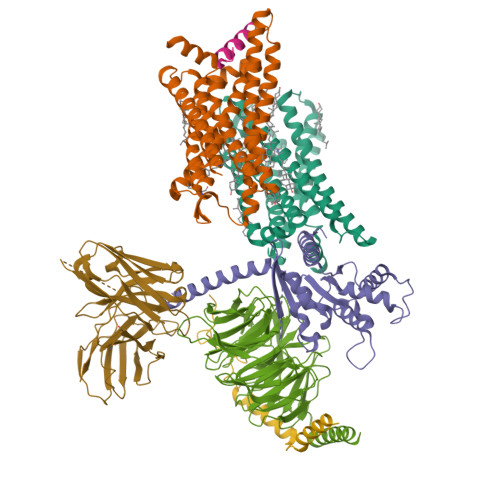
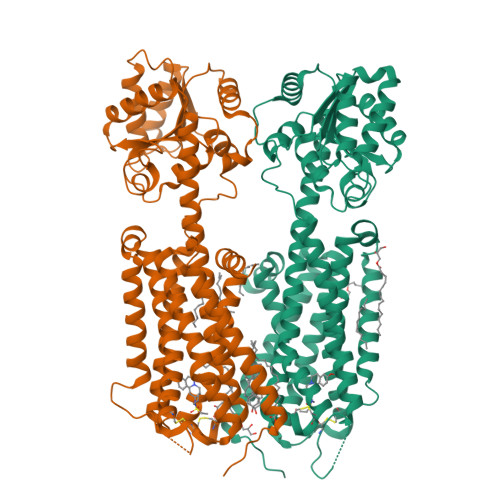
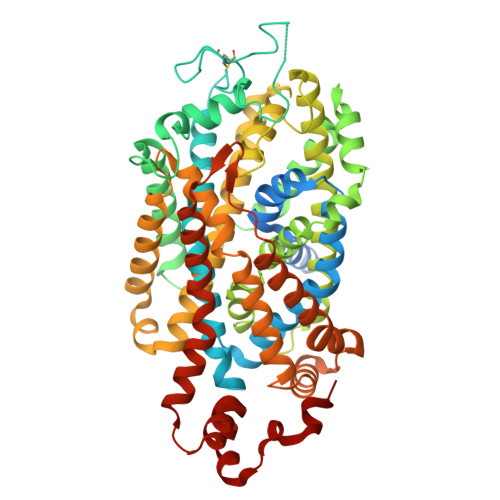
Choline trimethylamine-lyase structureClick to view 3D structureCholine trimethylamine-lyaseQ30W70Desulfovibrio alaskensisPredicted (SEA)
Prediction Confidence Score
0.219
Applicability Domain
0.219 Low confidence
Statistical Significance
9.00e-05
Supporting Reference Compounds
1
E-value
0.700643
Kappa-type opioid receptor structureClick to view 3D structureKappa-type opioid receptorP41145HumansPredicted (SEA)
Prediction Confidence Score
0.157
Applicability Domain
0.17 Low confidence
Statistical Significance
0.9854
Supporting Reference Compounds
532
E-value
7671.5
Mu-type opioid receptor structureClick to view 3D structureMu-type opioid receptorP35372HumansPredicted (SEA)
Prediction Confidence Score
0.155
Applicability Domain
0.17 Low confidence
Statistical Significance
0.9848
Supporting Reference Compounds
527
E-value
7666.59
Sigma non-opioid intracellular receptor 1 structureClick to view 3D structureSigma non-opioid intracellular receptor 1Q99720HumansPredicted (SEA)
Prediction Confidence Score
0.154
Applicability Domain
0.17 Low confidence
Statistical Significance
0.9845
Supporting Reference Compounds
562
E-value
7664.02
Delta-type opioid receptor structureClick to view 3D structureDelta-type opioid receptorP41143HumansPredicted (SEA)
Prediction Confidence Score
0.153
Applicability Domain
0.17 Low confidence
Statistical Significance
0.9783
Supporting Reference Compounds
427
E-value
7616.3
Click to view 3D structureMu-type opioid receptorP33535Rattus norvegicusPredicted (SEA)
Prediction Confidence Score
0.15
Applicability Domain
0.16 Low confidence
Statistical Significance
0.8587
Supporting Reference Compounds
229
E-value
6684.99
Click to view 3D structureMu-type opioid receptorP97266Cavia porcellusPredicted (SEA)
Prediction Confidence Score
0.149
Applicability Domain
0.17 Low confidence
Statistical Significance
0.8255
Supporting Reference Compounds
186
E-value
6426.53
DNA dC->dU-editing enzyme APOBEC-3G structureClick to view 3D structureDNA dC->dU-editing enzyme APOBEC-3GQ9HC16HumansPredicted (SEA)
Prediction Confidence Score
0.148
Applicability Domain
0.186 Low confidence
Statistical Significance
0.8106
Supporting Reference Compounds
76
E-value
6310.38
Click to view 3D structureD(2) dopamine receptorP61169RatPredicted (SEA)
Prediction Confidence Score
0.146
Applicability Domain
0.148 Low confidence
Statistical Significance
0.9766
Supporting Reference Compounds
528
E-value
7602.99
Click to view 3D structureSigma intracellular receptor 2Q5BJF2HumansPredicted (SEA)
Prediction Confidence Score
0.144
Applicability Domain
0.157 Low confidence
Statistical Significance
0.9881
Supporting Reference Compounds
308
E-value
7692.59
Click to view 3D structureKappa-type opioid receptorP41144Cavia porcellusPredicted (SEA)
Prediction Confidence Score
0.143
Applicability Domain
0.149 Low confidence
Statistical Significance
0.9056
Supporting Reference Compounds
199
E-value
7050.18
Click to view 3D structureSigma non-opioid intracellular receptor 1Q60492Cavia porcellusPredicted (SEA)
Prediction Confidence Score
0.143
Applicability Domain
0.148 Low confidence
Statistical Significance
0.962
Supporting Reference Compounds
229
E-value
7489.1
Potassium-transporting ATPase subunit beta structureClick to view 3D structurePotassium-transporting ATPase subunit betaP18434Sus scrofaPredicted (SEA)
Prediction Confidence Score
0.141
Applicability Domain
0.141 Low confidence
Statistical Significance
0.2077
Supporting Reference Compounds
1
E-value
1617.16
Nuclear receptor subfamily 1 group I member 3 structureClick to view 3D structureNuclear receptor subfamily 1 group I member 3O35627Mus musculusPredicted (SEA)
Prediction Confidence Score
0.14
Applicability Domain
0.143 Low confidence
Statistical Significance
0.0064
Supporting Reference Compounds
2
E-value
49.9792
Click to view 3D structureMuscarinic acetylcholine receptor M2P10980Rattus norvegicusPredicted (SEA)
Prediction Confidence Score
0.14
Applicability Domain
0.148 Low confidence
Statistical Significance
0.9047
Supporting Reference Compounds
98
E-value
7043.33
Mu-type opioid receptor structureClick to view 3D structureMu-type opioid receptorP42866Mus musculusPredicted (SEA)
Prediction Confidence Score
0.139
Applicability Domain
0.143 Low confidence
Statistical Significance
0.8354
Supporting Reference Compounds
107
E-value
6503.45
Click to view 3D structureG_PROTEIN_RECEP_F1_2 domain-containing proteinF7HEV7Macaca mulattaPredicted (SEA)
Prediction Confidence Score
0.139
Applicability Domain
0.145 Low confidence
Statistical Significance
0.0734
Supporting Reference Compounds
3
E-value
571.102
Click to view 3D structureKappa-type opioid receptorH9FL65Macaca mulattaPredicted (SEA)
Prediction Confidence Score
0.139
Applicability Domain
0.145 Low confidence
Statistical Significance
0.0734
Supporting Reference Compounds
3
E-value
571.102
Click to view 3D structureSigma non-opioid intracellular receptor 1Q9R0C9Rattus norvegicusPredicted (SEA)
Prediction Confidence Score
0.139
Applicability Domain
0.143 Low confidence
Statistical Significance
0.9506
Supporting Reference Compounds
207
E-value
7400.19
Click to view 3D structureKappa-type opioid receptorP33534Mus musculusPredicted (SEA)
Prediction Confidence Score
0.138
Applicability Domain
0.14 Low confidence
Statistical Significance
0.7569
Supporting Reference Compounds
61
E-value
5892.56
Alpha-2C adrenergic receptor structureClick to view 3D structureAlpha-2C adrenergic receptorP18825HumansPredicted (SEA)
Prediction Confidence Score
0.136
Applicability Domain
0.143 Low confidence
Statistical Significance
0.9957
Supporting Reference Compounds
386
E-value
7751.21
Muscarinic acetylcholine receptor M2 structureClick to view 3D structureMuscarinic acetylcholine receptor M2P08172HumansPredicted (SEA)
Prediction Confidence Score
0.135
Applicability Domain
0.143 Low confidence
Statistical Significance
0.9961
Supporting Reference Compounds
373
E-value
7754.56
Sodium-dependent noradrenaline transporter structureClick to view 3D structureSodium-dependent noradrenaline transporterP23975HumansPredicted (SEA)
Prediction Confidence Score
0.134
Applicability Domain
0.143 Low confidence
Statistical Significance
0.9974
Supporting Reference Compounds
451
E-value
7764.92
Alpha-2A adrenergic receptor structureClick to view 3D structureAlpha-2A adrenergic receptorP08913HumansPredicted (SEA)
Prediction Confidence Score
0.134
Applicability Domain
0.143 Low confidence
Statistical Significance
0.9974
Supporting Reference Compounds
487
E-value
7764.84
5-hydroxytryptamine receptor 2C structureClick to view 3D structure5-hydroxytryptamine receptor 2CP28335HumansPredicted (SEA)
Prediction Confidence Score
0.133
Applicability Domain
0.143 Low confidence
Statistical Significance
0.998
Supporting Reference Compounds
823
E-value
7769.35
Concentrations
Not Available
External Links
IdentifiersNot Available
References
Synthesis ReferenceNot Available
MSDSNot Available
General ReferencesNot Available