2,3-Dihydrofarnesene (CED0190464)

Record Information
Version1.0
Creation Date2026-04-06 12:01:06 UTC
Update Date2026-04-06 12:01:06 UTC
SynCED IDCED0190464
Secondary Accession Numbers
  • CHEM123888
Identification
Common Name2,3-Dihydrofarnesene
ClassSmall Molecule
Description
2,3-Dihydrofarnesene is an organic compound with the formula C15H26. 2,3-Dihydrofarnesene belongs to the sesquiterpenoids, a subclass of prenol lipids within the organic compounds. This compound is categorized under the superclass of lipids and lipid-like molecules. It has been found in or released from two recorded sources, which include antennas within electrical and electronic equipment, as well as tents or canopies used in building and construction.
Contaminant TypeNot Available
Chemical Structure
SynonymsNot Available
Chemical FormulaC15H26
Average Molecular MassNot Available
Monoisotopic Mass206.203 g/mol
CAS Registry NumberNot Available
IUPAC NameNot Available
Traditional NameNot Available
SMILESNot Available
InChI IdentifierInChI=1S/C15H26/c1-6-14(4)10-8-12-15(5)11-7-9-13(2)3/h6,9,12H,7-8,10-11H2,1-5H3
InChI KeyJXBSHSBNOVLGHF-UHFFFAOYSA-N
Chemical Taxonomy
ClassificationNot classified
Biological Properties
StatusDetected and Not Quantified
OriginNot Available
Cellular LocationsNot Available
Biofluid LocationsNot Available
Tissue LocationsNot Available
ApplicationsNot Available
Biological RolesNot Available
Chemical RolesNot Available
Organoleptic EffectsNot Available
Physical Properties
StateNot Available
AppearanceNot Available
Experimental Properties
PropertyValue
Melting PointNot Available
Boiling PointNot Available
SolubilityNot Available
Predicted PropertiesNot Available
Spectra
Spectra
Spectrum TypeDescriptionSplash KeyDeposition DateView
Predicted GC-MSPredicted GC-MS Spectrumsplash10-05tf-9800000000-3ca3ea304e513451936bNot AvailableView Spectrum
Predicted GC-MSPredicted GC-MS SpectrumNot AvailableNot AvailableView Spectrum
Predicted LC-MS/MSPredicted LC-MS/MS Spectrumsplash10-05us-9310000000-8343d7923280f464e2bbNot AvailableView Spectrum
Predicted LC-MS/MSPredicted LC-MS/MS Spectrumsplash10-001i-9100000000-eae02cb739dcdfcbf407Not AvailableView Spectrum
Predicted LC-MS/MSPredicted LC-MS/MS Spectrumsplash10-05nf-9000000000-aabc47dbc5da153eba70Not AvailableView Spectrum
Predicted LC-MS/MSPredicted LC-MS/MS Spectrumsplash10-0a4i-0090000000-4ee51b591eda4d799724Not AvailableView Spectrum
Predicted LC-MS/MSPredicted LC-MS/MS Spectrumsplash10-0a4i-0090000000-f29c0076eaef0c18322eNot AvailableView Spectrum
Predicted LC-MS/MSPredicted LC-MS/MS Spectrumsplash10-014i-4910000000-1da2b65a406da4b27160Not AvailableView Spectrum
Toxicity Profile
Toxicity Values
Toxicity ValueOrganismDose DescriptorRoute of ExposurePredicted or ExperimentalToxicity RatingReference
6455.0 Log mg/kg [3600:11000]RatLD50oralpredictedNot AvailableNot Available
Toxicity / Toxin ClassNot Available
Mechanism of ToxicityNot Available
Carcinogenicity (IARC Classification)Not Available
Minimum Risk LevelNot Available
SymptomsNot Available
TreatmentNot Available
Health Effects
Health EffectRelationshipDirectionDescriptionReference
Exposure Sources
Source IDSourceSectorReference
CEDs000010Insecticides?Insecticides are synthetic chemicals designed to control or eliminate insect pests that threaten crops and other agricultural products.Agriculture & land managementPubChem
CEDs000503Tents Or Canopies?Tents and canopies used in various applications can be a source of synthetic chemical contamination primarily due to the materials from which they are made.Building & ConstructionPubChem
CEDs000506Antennas?Antennas, commonly used in communication technologies, can be a source of synthetic chemical contamination through the materials and coatings used in their construction.Electrical & Electronic EquipmentPubChem
CEDs000511Conductors Or Conductive Bodies Characterised By The Conductive Materials?Conductors, or conductive bodies, are materials that allow the flow of electrical current, typically made from metals such as copper, aluminum, or silver.Electrical & Electronic EquipmentPubChem
CEDs000517Electric Switches?Electric switches, integral components in numerous devices, can be a source of synthetic chemical contamination due to the materials and manufacturing processes involved in their production.Electrical & Electronic EquipmentPubChem
CEDs000518Electrically Stimulated Smoking Devices?Electrically stimulated smoking devices, commonly known as e-cigarettes or vape pens, utilize electrical components to heat a liquid solution, often containing nicotine, flavorings, and other additives, to produce an aerosol for inhalation.Electrical & Electronic EquipmentPubChem
CEDs000519Electrodes?Electrodes, used in various electrical and electronic applications, can be a source of synthetic chemical contamination due to the materials from which they are constructed and the processes involved in their manufacturing.Electrical & Electronic EquipmentPubChem
CEDs000544Fermentation Processes For Beer?Fermentation processes for beer involve the conversion of sugars into alcohol and carbon dioxide by yeast.Food, food processing & cookwarePubChem
CEDs000545Food Preservation?Food preservation often involves the use of synthetic chemicals, such as preservatives, flavor enhancers, and color additives, to extend shelf life and enhance the sensory qualities of food products.Food, food processing & cookwarePubChem
CEDs000556Cigar Cigarettes?Cigar cigarettes are a source of synthetic chemical contamination due to the combustion of various tobacco blends and additives.Household cleaning & consumer productsPubChem
CEDs000561Perfumes Within Detergents And Soaps?Perfumes within detergents and soaps are synthetic fragrance compounds added to enhance the sensory experience of cleaning products.Household cleaning & consumer productsPubChem
CEDs000563Soap Detergents?Soap detergents are synthetic surfactants designed to enhance the cleaning efficacy of water by reducing surface tension, allowing for better interaction with dirt and grease.Household cleaning & consumer productsPubChem
CEDs000569Tobacco Smoke Filters?Tobacco smoke filters are designed to reduce the inhalation of harmful substances in cigarette smoke, including tar and other particulate matter.Household cleaning & consumer productsPubChem
CEDs000580Manufacture Preparation Of Tobacco Products?The manufacture and preparation of tobacco products involve various processes that can result in the introduction of synthetic chemicals into the environment.Industrial manufacturing & chemical processingPubChem
CEDs000581Paper Making Machines?Paper making machines utilize various synthetic chemicals throughout the production process, including additives, coatings, and bleaching agents.Industrial manufacturing & chemical processingPubChem
CEDs000600Herbicides And Algicides?Herbicides and algicides are synthetic chemicals primarily used to control unwanted plants and algae in various environments.Agriculture & land managementPubChem
CEDs000604Pest Attractants?Pest attractants are synthetic chemicals designed to lure specific pests for monitoring or control purposes.Agriculture & land managementPubChem
CEDs000605Pest Repellants?Pest repellents, often formulated from synthetic chemicals, are widely used to protect crops from insect infestations and other pests.Agriculture & land managementPubChem
CEDs000606Plant Growth Regulators?Plant Growth Regulators (PGRs) are synthetic chemicals designed to influence the growth and development of plants.Agriculture & land managementPubChem
CEDs000610Aftersun Products?Aftersun products are designed to soothe and hydrate the skin after sun exposure, often containing various synthetic chemicals such as emollients, preservatives, and fragrances.Personal care & cosmeticsPubChem
CEDs000611Anti Perspirants Or Body Deoderants?Antiperspirants and body deodorants commonly contain synthetic chemicals such as aluminum compounds, parabens, and synthetic fragrances.Personal care & cosmeticsPubChem
CEDs000614Essential Oils Or Perfumes?Essential oils and perfumes are complex mixtures of volatile compounds derived from natural or synthetic sources, commonly used for their aromatic properties.Personal care & cosmeticsPubChem
CEDs000617Lip Care Products?Lip care products, including lipsticks, balms, and glosses, often contain a variety of synthetic chemicals such as parabens, phthalates, and synthetic fragrances.Personal care & cosmeticsPubChem
CEDs000618Lip Makeup Products?Lip makeup products, such as lipsticks, lip glosses, and lip liners, often contain a variety of synthetic chemicals, including pigments, preservatives, and emollients.Personal care & cosmeticsPubChem
CEDs000632Apparel?Apparel production often involves the use of various synthetic chemicals, including dyes, finishing agents, and preservatives.Textiles, leather & furnishingsPubChem
CEDs000642Footwear?Footwear production often involves the use of various synthetic chemicals, such as adhesives, dyes, and treatments, which can contribute to environmental contamination.Textiles, leather & furnishingsPubChem
CEDs000650Purses Luggage Hand Bags?Purses, luggage, and handbags are often manufactured using synthetic materials such as polyvinyl chloride (PVC), polyurethane, and various types of nylon.Textiles, leather & furnishingsPubChem
CEDs000678Nitrogenous Fertilisers?Nitrogenous fertilizers are synthetic chemical compounds primarily used to enhance plant growth by supplying essential nitrogen, a crucial nutrient for photosynthesis and protein synthesis.Agriculture & land managementPubChem
CEDs000679Phosphatic Fertilisers?Phosphatic fertilizers are synthetic chemical products primarily composed of phosphorus, which is essential for plant growth.Agriculture & land managementPubChem
CEDs000685Ceramics?Ceramics can be a source of synthetic chemical contamination through various additives and processing agents used in their production.Building & ConstructionPubChem
CEDs000696Nanotechnology?Nanotechnology involves the manipulation of materials at the molecular or atomic level, typically within the range of 1 to 100 nanometers.Industrial manufacturing & chemical processingPubChem
CEDs000727Printing Machines Or Presses?Printing machines or presses commonly utilize synthetic chemicals such as inks, solvents, and cleaning agents.Paper, pulp & fiber productsPubChem
CEDs000739Inks?Inks are complex mixtures composed of pigments or dyes, solvents, resins, and additives used primarily for printing and writing applications.Paper, pulp & fiber productsPubChem
CEDs000740Paper?Paper production involves the processing of wood fibers and the use of various chemicals, which can lead to synthetic chemical contamination.Paper, pulp & fiber productsPubChem
CEDs000744Water, Wastewater, & Sewage Treatment?Water, wastewater, and sewage treatment processes are critical for managing and mitigating pollutants in water systems.Wastewater, sanitation & biosolidsPubChem
Pathways
0 pathwaysPathway Source: PathBank

No pathways found

No metabolic pathways have been associated with this synthetic chemical

Targets
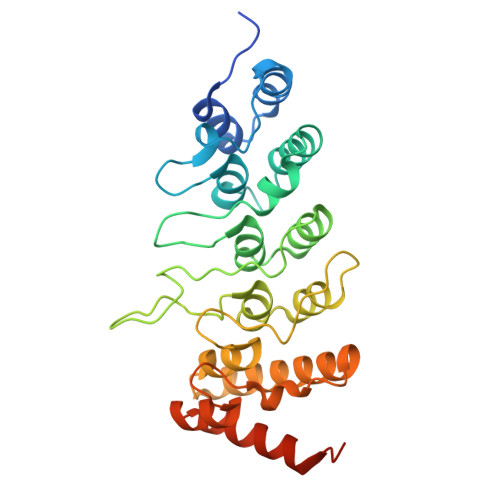
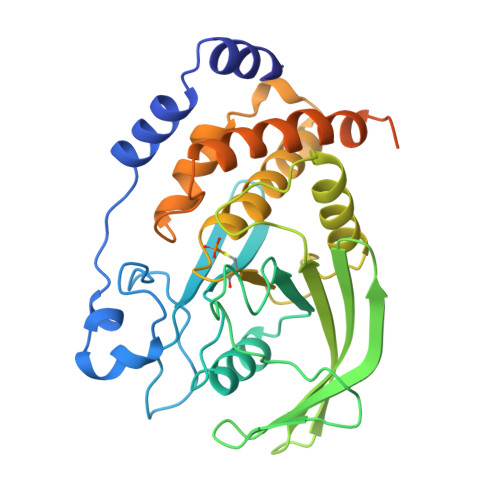
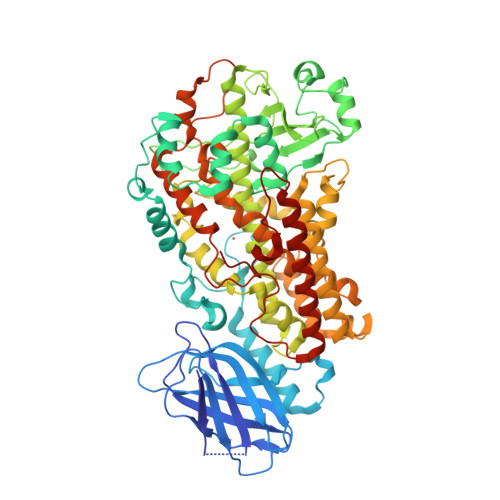
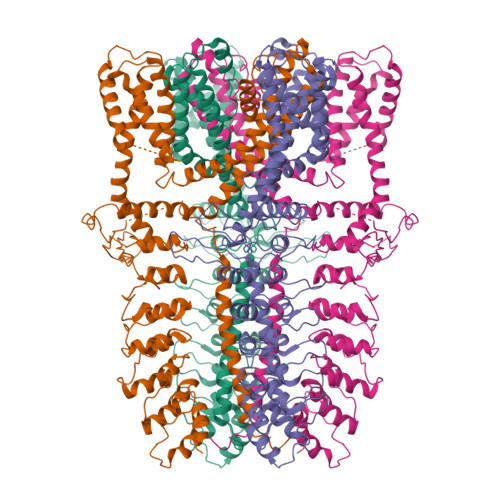
StructureProteinUniProt IDOrganismRelationshipDetails
Click to view 3D structureProtein-S-isoprenylcysteine O-methyltransferaseQ9WVM4Rattus norvegicusPredicted (SEA)
Prediction Confidence Score
0.471
Applicability Domain
0.552
Statistical Significance
1.00e-05
Supporting Reference Compounds
2
E-value
0.0778492
Click to view 3D structureSqualene synthase ERG9P29704Saccharomyces cerevisiae (strain ATCC 204508 / S288c) (Baker's yeast)Predicted (SEA)
Prediction Confidence Score
0.421
Applicability Domain
0.421
Statistical Significance
5.00e-05
Supporting Reference Compounds
1
E-value
0.389246
Click to view 3D structureInhibin alpha chainP05111HumansPredicted (SEA)
Prediction Confidence Score
0.366
Applicability Domain
0.366
Statistical Significance
6.00e-05
Supporting Reference Compounds
1
E-value
0.467095
Click to view 3D structureLanosterol synthaseQ04782YeastPredicted (SEA)
Prediction Confidence Score
0.364
Applicability Domain
0.364
Statistical Significance
3.00e-05
Supporting Reference Compounds
1
E-value
0.233548
Click to view 3D structureTransient receptor potential cation channel subfamily A member 1Q6RI86Rattus norvegicusPredicted (SEA)
Prediction Confidence Score
0.346
Applicability Domain
0.39
Statistical Significance
8.10e-04
Supporting Reference Compounds
56
E-value
6.30579
Click to view 3D structureTransient receptor potential cation channel subfamily M member 8Q8R455Rattus norvegicusPredicted (SEA)
Prediction Confidence Score
0.346
Applicability Domain
0.39
Statistical Significance
4.10e-04
Supporting Reference Compounds
23
E-value
3.19182
Cytochrome P450 2B4 structureClick to view 3D structureCytochrome P450 2B4P00178Oryctolagus cuniculusPredicted (SEA)
Prediction Confidence Score
0.294
Applicability Domain
0.294 Low confidence
Statistical Significance
1.80e-04
Supporting Reference Compounds
1
E-value
1.40129
Click to view 3D structureProtein farnesyltransferase/geranylgeranyltransferase type-1 subunit alphaP29703Saccharomyces cerevisiae S288cPredicted (SEA)
Prediction Confidence Score
0.286
Applicability Domain
0.286 Low confidence
Statistical Significance
1.60e-04
Supporting Reference Compounds
1
E-value
1.24559
Transient receptor potential cation channel subfamily V member 1 structureClick to view 3D structureTransient receptor potential cation channel subfamily V member 1Q8NER1HumansPredicted (SEA)
Prediction Confidence Score
0.284
Applicability Domain
0.39
Statistical Significance
0.0147
Supporting Reference Compounds
104
E-value
114.438
Tyrosine-protein phosphatase non-receptor type 1 structureClick to view 3D structureTyrosine-protein phosphatase non-receptor type 1P18031HumansPredicted (SEA)
Prediction Confidence Score
0.283
Applicability Domain
0.372
Statistical Significance
0.018
Supporting Reference Compounds
197
E-value
140.362
Lanosterol synthase structureClick to view 3D structureLanosterol synthaseP48449HumansPredicted (SEA)
Prediction Confidence Score
0.273
Applicability Domain
0.41
Statistical Significance
2.90e-04
Supporting Reference Compounds
10
E-value
2.25763
Polyunsaturated fatty acid 5-lipoxygenase structureClick to view 3D structurePolyunsaturated fatty acid 5-lipoxygenaseP09917HumansPredicted (SEA)
Prediction Confidence Score
0.258
Applicability Domain
0.375
Statistical Significance
0.0448
Supporting Reference Compounds
182
E-value
348.764
Transient receptor potential cation channel subfamily A member 1 structureClick to view 3D structureTransient receptor potential cation channel subfamily A member 1O75762HumansPredicted (SEA)
Prediction Confidence Score
0.254
Applicability Domain
0.39
Statistical Significance
0.0087
Supporting Reference Compounds
70
E-value
67.4953
Beta-secretase 1 structureClick to view 3D structureBeta-secretase 1P56817HumansPredicted (SEA)
Prediction Confidence Score
0.251
Applicability Domain
0.372
Statistical Significance
0.06
Supporting Reference Compounds
163
E-value
467.485
Cannabinoid receptor 1 structureClick to view 3D structureCannabinoid receptor 1P21554HumansPredicted (SEA)
Prediction Confidence Score
0.25
Applicability Domain
0.39
Statistical Significance
0.0954
Supporting Reference Compounds
200
E-value
743.071
Cannabinoid receptor 2 structureClick to view 3D structureCannabinoid receptor 2P34972HumansPredicted (SEA)
Prediction Confidence Score
0.25
Applicability Domain
0.39
Statistical Significance
0.0829
Supporting Reference Compounds
175
E-value
645.059
Transient receptor potential cation channel subfamily V member 2 structureClick to view 3D structureTransient receptor potential cation channel subfamily V member 2Q9WUD2Rattus norvegicusPredicted (SEA)
Prediction Confidence Score
0.249
Applicability Domain
0.39
Statistical Significance
0.005
Supporting Reference Compounds
21
E-value
39.0025
Click to view 3D structureLanosterol synthaseP48450Rattus norvegicusPredicted (SEA)
Prediction Confidence Score
0.246
Applicability Domain
0.41
Statistical Significance
6.00e-05
Supporting Reference Compounds
7
E-value
0.467095
Prostaglandin G/H synthase 2 structureClick to view 3D structureProstaglandin G/H synthase 2P35354HumansPredicted (SEA)
Prediction Confidence Score
0.235
Applicability Domain
0.375
Statistical Significance
0.1468
Supporting Reference Compounds
201
E-value
1142.52
Macrophage scavenger receptor types I and II structureClick to view 3D structureMacrophage scavenger receptor types I and IIP21757HumansPredicted (SEA)
Prediction Confidence Score
0.233
Applicability Domain
0.233 Low confidence
Statistical Significance
1.50e-04
Supporting Reference Compounds
1
E-value
1.16774
Sodium-dependent dopamine transporter structureClick to view 3D structureSodium-dependent dopamine transporterQ01959HumansPredicted (SEA)
Prediction Confidence Score
0.229
Applicability Domain
0.366
Statistical Significance
0.3768
Supporting Reference Compounds
506
E-value
2933.05
Peroxisome proliferator-activated receptor gamma structureClick to view 3D structurePeroxisome proliferator-activated receptor gammaP37231HumansPredicted (SEA)
Prediction Confidence Score
0.217
Applicability Domain
0.319
Statistical Significance
0.3087
Supporting Reference Compounds
192
E-value
2403.21
Geranylgeranyl pyrophosphate synthase structureClick to view 3D structureGeranylgeranyl pyrophosphate synthaseO95749HumansPredicted (SEA)
Prediction Confidence Score
0.217
Applicability Domain
0.484
Statistical Significance
0.0039
Supporting Reference Compounds
15
E-value
30.2055
Click to view 3D structureSqualene epoxidaseA7L861Sus scrofaPredicted (SEA)
Prediction Confidence Score
0.543
Applicability Domain
0.615
Statistical Significance
1.00e-05
Supporting Reference Compounds
2
E-value
0.0778492
Click to view 3D structureProtein-S-isoprenylcysteine O-methyltransferaseP32584Saccharomyces cerevisiae S288cPredicted (SEA)
Prediction Confidence Score
0.5
Applicability Domain
0.5
Statistical Significance
1.00e-05
Supporting Reference Compounds
1
E-value
0.0778492
Concentrations
Not Available
External Links
IdentifiersNot Available
References
Synthesis ReferenceNot Available
MSDSNot Available
General ReferencesNot Available