4,4'-Dicarboxydiphenylsulphone (CED0173428)

Record Information
Version1.0
Creation Date2026-04-06 14:19:25 UTC
Update Date2026-08-19 04:15:12 UTC
SynCED IDCED0173428
Secondary Accession Numbers
  • CHEM126412
Identification
Common Name4,4'-Dicarboxydiphenylsulphone
ClassSmall Molecule
Description
4,4'-Dicarboxydiphenylsulphone (C14H10O6S) is an organic compound with an average molecular weight of 306.29 g/mol. 4,4'-Dicarboxydiphenylsulphone belongs to the benzenesulfonyl compounds, a subclass of benzene and substituted derivatives within the organic compounds. It is further classified as part of the benzenoids superclass. The compound has been identified in or released from three recorded sources. These include electrical and electronic equipment, specifically antennas and still video cameras, as well as food, food processing and cookware, specifically the processing of meats.
Contaminant TypeNot Available
Chemical Structure
SynonymsNot Available
Chemical FormulaC14H10O6S
Average Molecular Mass306.290 g/mol
Monoisotopic Mass306.020 g/mol
CAS Registry Number2449-35-6
IUPAC NameNot Available
Traditional NameNot Available
SMILESNot Available
InChI IdentifierInChI=1S/C14H10O6S/c15-13(16)9-1-5-11(6-2-9)21(19,20)12-7-3-10(4-8-12)14(17)18/h1-8H,(H,15,16)(H,17,18)
InChI KeySQJQLYOMPSJVQS-UHFFFAOYSA-N
Chemical Taxonomy
ClassificationNot classified
Biological Properties
StatusDetected and Not Quantified
OriginNot Available
Cellular LocationsNot Available
Biofluid LocationsNot Available
Tissue LocationsNot Available
ApplicationsNot Available
Biological RolesNot Available
Chemical RolesNot Available
Organoleptic EffectsNot Available
Physical Properties
StateNot Available
AppearanceNot Available
Experimental Properties
PropertyValue
Melting PointNot Available
Boiling PointNot Available
SolubilityNot Available
Predicted PropertiesNot Available
Spectra
SpectraNot Available
Toxicity Profile
Toxicity Values
Toxicity ValueOrganismDose DescriptorRoute of ExposurePredicted or ExperimentalToxicity RatingReference
3859.0 Log mg/kg [2200:6900]RatLD50oralpredictedNot AvailableNot Available
Toxicity / Toxin ClassNot Available
Mechanism of ToxicityNot Available
Carcinogenicity (IARC Classification)Not Available
Minimum Risk LevelNot Available
SymptomsNot Available
TreatmentNot Available
Health Effects
Health EffectRelationshipDirectionDescriptionReference
Exposure Sources
Source IDSourceSectorReference
CEDs000506Antennas?Antennas, commonly used in communication technologies, can be a source of synthetic chemical contamination through the materials and coatings used in their construction.Electrical & Electronic EquipmentPubChem
CEDs000511Conductors Or Conductive Bodies Characterised By The Conductive Materials?Conductors, or conductive bodies, are materials that allow the flow of electrical current, typically made from metals such as copper, aluminum, or silver.Electrical & Electronic EquipmentPubChem
CEDs000517Electric Switches?Electric switches, integral components in numerous devices, can be a source of synthetic chemical contamination due to the materials and manufacturing processes involved in their production.Electrical & Electronic EquipmentPubChem
CEDs000519Electrodes?Electrodes, used in various electrical and electronic applications, can be a source of synthetic chemical contamination due to the materials from which they are constructed and the processes involved in their manufacturing.Electrical & Electronic EquipmentPubChem
CEDs000521Fixed Capacitors And Their Manufacture?Fixed capacitors are passive electronic components used to store and release electrical energy, playing a critical role in various circuits.Electrical & Electronic EquipmentPubChem
CEDs000524Hybrid Capacitors?Hybrid capacitors are energy storage devices that combine the properties of electrolytic and supercapacitors, utilizing a combination of electrochemical principles to achieve higher energy density and power density.Electrical & Electronic EquipmentPubChem
CEDs000534Still Video Cameras?Still video cameras, which capture images in digital format, can be a source of synthetic chemical contamination due to the materials and components used in their production and operation.Electrical & Electronic EquipmentPubChem
CEDs000552Processing Meats?Processing meats can lead to synthetic chemical contamination primarily through the use of additives and preservatives.Food, food processing & cookwarePubChem
CEDs000581Paper Making Machines?Paper making machines utilize various synthetic chemicals throughout the production process, including additives, coatings, and bleaching agents.Industrial manufacturing & chemical processingPubChem
CEDs000611Anti Perspirants Or Body Deoderants?Antiperspirants and body deodorants commonly contain synthetic chemicals such as aluminum compounds, parabens, and synthetic fragrances.Personal care & cosmeticsPubChem
CEDs000615Eye Makeup Products?Eye makeup products, including mascaras, eyeliners, and eyeshadows, often contain a variety of synthetic chemicals such as pigments, preservatives, and film-forming agents.Personal care & cosmeticsPubChem
CEDs000618Lip Makeup Products?Lip makeup products, such as lipsticks, lip glosses, and lip liners, often contain a variety of synthetic chemicals, including pigments, preservatives, and emollients.Personal care & cosmeticsPubChem
CEDs000632Apparel?Apparel production often involves the use of various synthetic chemicals, including dyes, finishing agents, and preservatives.Textiles, leather & furnishingsPubChem
CEDs000642Footwear?Footwear production often involves the use of various synthetic chemicals, such as adhesives, dyes, and treatments, which can contribute to environmental contamination.Textiles, leather & furnishingsPubChem
CEDs000658Touch Fasteners?Touch fasteners, commonly known as hook-and-loop fasteners, are composed of synthetic materials such as nylon or polyester.Textiles, leather & furnishingsPubChem
CEDs000659Transfer Printing?Transfer printing is a process used to apply designs and patterns onto various substrates, commonly utilizing synthetic dyes and inks that can contain hazardous chemicals.Textiles, leather & furnishingsPubChem
CEDs000662Yarns Or Threads?Yarns or threads used in textiles can be a source of synthetic chemical contamination due to the production processes and treatments they undergo.Textiles, leather & furnishingsPubChem
CEDs000664Fire Fighting Gels?Fire fighting gels are synthetic chemical formulations designed to enhance fire suppression effectiveness by creating a protective barrier against heat and flames.Fire suppression systems & agentsPubChem
CEDs000669PFAS Fire Fighting Foam?PFAS fire fighting foam refers to a class of synthetic foams containing per- and polyfluoroalkyl substances (PFAS), which are designed to suppress flammable liquid fires.Fire suppression systems & agentsPubChem
CEDs000688Glass Coatings?Glass coatings are synthetic chemical formulations applied to glass surfaces to enhance properties such as durability, UV resistance, and aesthetic appeal.Building & ConstructionPubChem
CEDs000696Nanotechnology?Nanotechnology involves the manipulation of materials at the molecular or atomic level, typically within the range of 1 to 100 nanometers.Industrial manufacturing & chemical processingPubChem
CEDs000735Explosives?Explosives are chemical compounds or mixtures designed to undergo rapid decomposition, releasing energy in the form of gas and heat.Defense & military infrastructurePubChem
CEDs000739Inks?Inks are complex mixtures composed of pigments or dyes, solvents, resins, and additives used primarily for printing and writing applications.Paper, pulp & fiber productsPubChem
CEDs000740Paper?Paper production involves the processing of wood fibers and the use of various chemicals, which can lead to synthetic chemical contamination.Paper, pulp & fiber productsPubChem
CEDs000741Pigment Pastes?Pigment pastes are concentrated dispersions of pigments used to impart color and properties to materials.Paper, pulp & fiber productsPubChem
CEDs000744Water, Wastewater, & Sewage Treatment?Water, wastewater, and sewage treatment processes are critical for managing and mitigating pollutants in water systems.Wastewater, sanitation & biosolidsPubChem
Pathways
0 pathwaysPathway Source: PathBank

No pathways found

No metabolic pathways have been associated with this synthetic chemical

Targets
StructureProteinUniProt IDOrganismRelationshipDetails
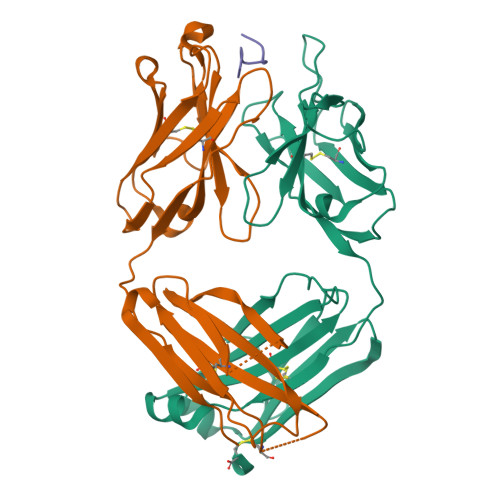
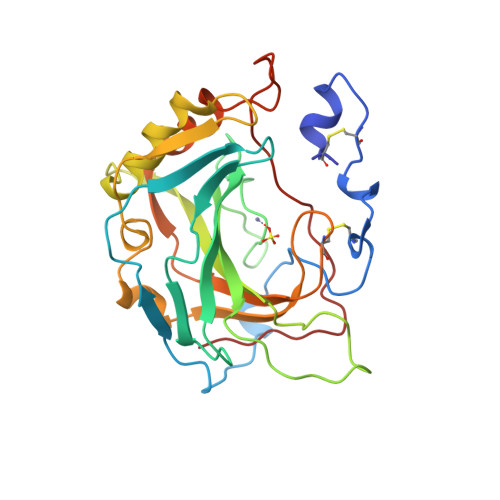
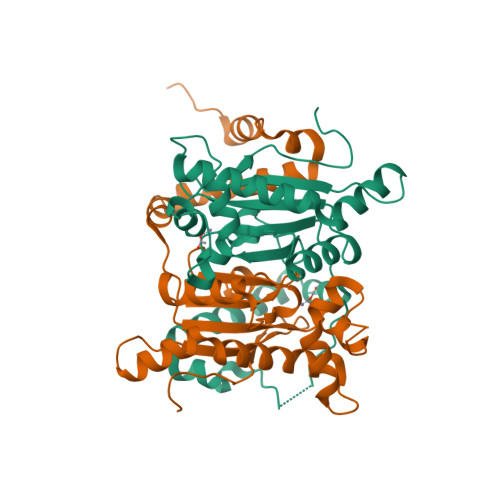
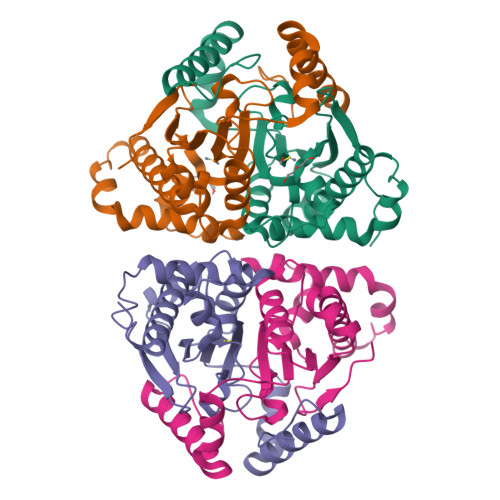
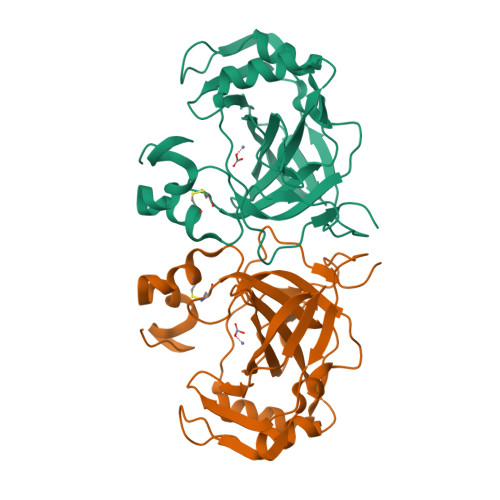
Click to view 3D structureOrganic anion transporter 3O88909Mus musculusPredicted (SEA)
Prediction Confidence Score
0.5
Applicability Domain
0.5
Statistical Significance
4.00e-05
Supporting Reference Compounds
1
E-value
0.311397
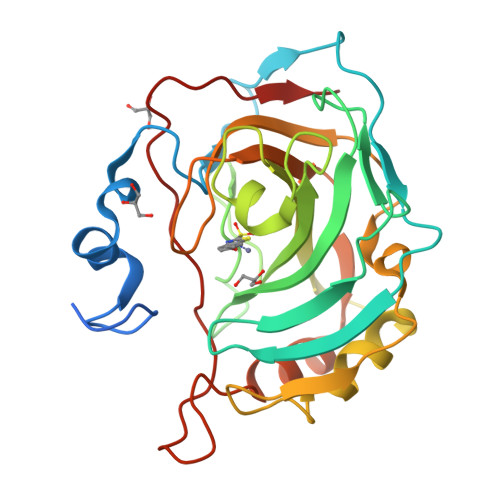
Carbonic anhydrase 9 structureClick to view 3D structureCarbonic anhydrase 9Q16790HumansPredicted (SEA)
Prediction Confidence Score
0.497
Applicability Domain
0.667
Statistical Significance
0.0013
Supporting Reference Compounds
372
E-value
9.88685
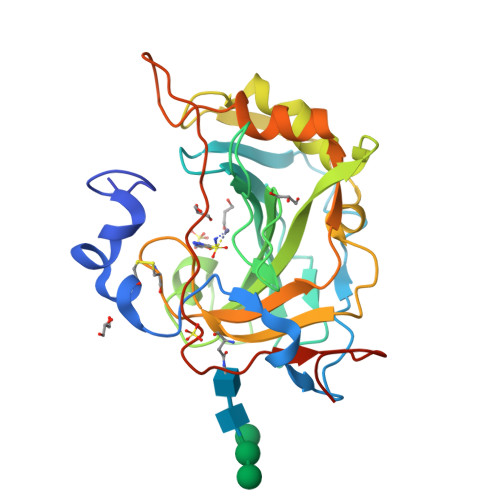
Carbonic anhydrase 2 structureClick to view 3D structureCarbonic anhydrase 2P00918HumansPredicted (SEA)
Prediction Confidence Score
0.497
Applicability Domain
0.667
Statistical Significance
0.0017
Supporting Reference Compounds
472
E-value
13.2344
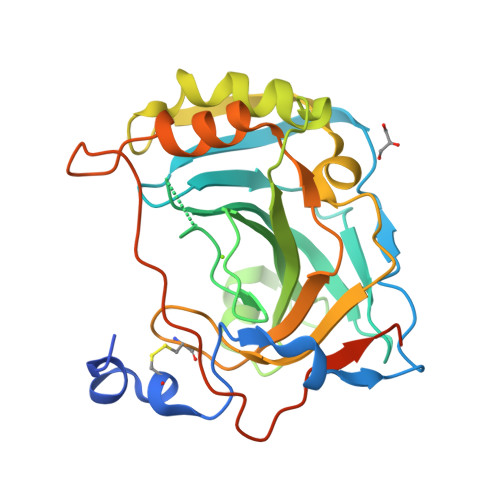
Carbonic anhydrase 1 structureClick to view 3D structureCarbonic anhydrase 1P00915HumansPredicted (SEA)
Prediction Confidence Score
0.497
Applicability Domain
0.667
Statistical Significance
0.0014
Supporting Reference Compounds
407
E-value
11.2103
Carbonic anhydrase 12 structureClick to view 3D structureCarbonic anhydrase 12O43570HumansPredicted (SEA)
Prediction Confidence Score
0.491
Applicability Domain
0.667
Statistical Significance
0.0012
Supporting Reference Compounds
332
E-value
9.10836
Carbonic anhydrase 7 structureClick to view 3D structureCarbonic anhydrase 7P43166HumansPredicted (SEA)
Prediction Confidence Score
0.462
Applicability Domain
0.667
Statistical Significance
0.0014
Supporting Reference Compounds
242
E-value
10.8989
Carbonic anhydrase 14 structureClick to view 3D structureCarbonic anhydrase 14Q9ULX7HumansPredicted (SEA)
Prediction Confidence Score
0.462
Applicability Domain
0.667
Statistical Significance
8.30e-04
Supporting Reference Compounds
172
E-value
6.46149
Carbonic anhydrase 6 structureClick to view 3D structureCarbonic anhydrase 6P23280HumansPredicted (SEA)
Prediction Confidence Score
0.455
Applicability Domain
0.667
Statistical Significance
7.50e-04
Supporting Reference Compounds
151
E-value
5.83869
Click to view 3D structureCarbonic anhydrase 5B, mitochondrialQ9Y2D0HumansPredicted (SEA)
Prediction Confidence Score
0.42
Applicability Domain
0.667
Statistical Significance
0.0016
Supporting Reference Compounds
157
E-value
12.6894
Click to view 3D structureCarbonic anhydrase 5A, mitochondrialP35218HumansPredicted (SEA)
Prediction Confidence Score
0.419
Applicability Domain
0.667
Statistical Significance
0.0016
Supporting Reference Compounds
165
E-value
12.4559
Click to view 3D structureCarbonic anhydrase 15Q99N23Mus musculusPredicted (SEA)
Prediction Confidence Score
0.408
Applicability Domain
0.667
Statistical Significance
0.0011
Supporting Reference Compounds
78
E-value
8.25202
Carbonic anhydrase 4 structureClick to view 3D structureCarbonic anhydrase 4P22748HumansPredicted (SEA)
Prediction Confidence Score
0.395
Applicability Domain
0.522
Statistical Significance
0.0028
Supporting Reference Compounds
193
E-value
21.9535
Click to view 3D structureCarbonic anhydrase 4Q95323Bos taurusPredicted (SEA)
Prediction Confidence Score
0.384
Applicability Domain
0.667
Statistical Significance
0.0024
Supporting Reference Compounds
64
E-value
18.9952
Carbonic anhydrase 2 structureClick to view 3D structureCarbonic anhydrase 2P00921Bos taurusPredicted (SEA)
Prediction Confidence Score
0.376
Applicability Domain
0.667
Statistical Significance
9.10e-04
Supporting Reference Compounds
22
E-value
7.08428
Click to view 3D structureCarbonic anhydraseQ6FTL6Candida glabrata CBS 138Predicted (SEA)
Prediction Confidence Score
0.376
Applicability Domain
0.667
Statistical Significance
0.0017
Supporting Reference Compounds
46
E-value
13.0787
Beta-carbonic anhydrase 1 structureClick to view 3D structureBeta-carbonic anhydrase 1P9WPJ7Mycobacterium tuberculosisPredicted (SEA)
Prediction Confidence Score
0.376
Applicability Domain
0.667
Statistical Significance
0.0019
Supporting Reference Compounds
55
E-value
15.1027
Carbonic anhydrase 2 structureClick to view 3D structureCarbonic anhydrase 2Q3I4V7Cryptococcus neoformansPredicted (SEA)
Prediction Confidence Score
0.373
Applicability Domain
0.667
Statistical Significance
0.0013
Supporting Reference Compounds
60
E-value
10.3539
Carbonic anhydrase structureClick to view 3D structureCarbonic anhydraseQ5AJ71Candida albicans (strain SC5314 / ATCC MYA-2876) (Yeast)Predicted (SEA)
Prediction Confidence Score
0.373
Applicability Domain
0.667
Statistical Significance
0.0015
Supporting Reference Compounds
68
E-value
12.0666
Click to view 3D structureAlpha carbonic anhydraseB5SU02Stylophora pistillataPredicted (SEA)
Prediction Confidence Score
0.368
Applicability Domain
0.667
Statistical Significance
0.0012
Supporting Reference Compounds
43
E-value
9.18621
Click to view 3D structureCarbonic anhydraseC0IX24Stylophora pistillataPredicted (SEA)
Prediction Confidence Score
0.368
Applicability Domain
0.667
Statistical Significance
0.0012
Supporting Reference Compounds
41
E-value
9.18621
Click to view 3D structureAstrosclerin-3A6YCJ1Astrosclera willeyanaPredicted (SEA)
Prediction Confidence Score
0.367
Applicability Domain
0.667
Statistical Significance
0.0014
Supporting Reference Compounds
44
E-value
11.0546
Click to view 3D structureDelta carbonic anhydraseQ5U9J1Conticribra weissflogiiPredicted (SEA)
Prediction Confidence Score
0.364
Applicability Domain
0.667
Statistical Significance
0.0011
Supporting Reference Compounds
35
E-value
8.56341
Click to view 3D structureCarbonic anhydraseO24855Helicobacter pylori (strain ATCC 700392 / 26695) (Campylobacterpylori)Predicted (SEA)
Prediction Confidence Score
0.364
Applicability Domain
0.667
Statistical Significance
0.0016
Supporting Reference Compounds
38
E-value
12.1445
Click to view 3D structureCarbonate dehydrataseB2V8E3Sulfurihydrogenibium sp. (strain YO3AOP1)Predicted (SEA)
Prediction Confidence Score
0.358
Applicability Domain
0.667
Statistical Significance
0.0016
Supporting Reference Compounds
40
E-value
12.1445
Carbonic anhydrase, alpha family structureClick to view 3D structureCarbonic anhydrase, alpha familyQ31FD6Thiomicrospira crunogenaPredicted (SEA)
Prediction Confidence Score
0.358
Applicability Domain
0.667
Statistical Significance
0.0016
Supporting Reference Compounds
41
E-value
12.1445
Concentrations
Not Available
External Links
IdentifiersNot Available
References
Synthesis ReferenceNot Available
MSDSNot Available
General ReferencesNot Available