Perfluoromethyl vinyl ether (CED0030922)

Record Information
Version1.0
Creation Date2026-04-06 14:27:50 UTC
Update Date2026-04-06 14:27:50 UTC
SynCED IDCED0030922
Secondary Accession Numbers
  • CHEM126469
Identification
Common NamePerfluoromethyl vinyl ether
ClassSmall Molecule
Description
Perfluoromethyl vinyl ether is an organic compound with the formula C6F10O and an average molecular weight of 278.05 g/mol. Perfluoromethyl vinyl ether belongs to the vinyl fluorides, a subclass of vinyl halides within the organic compounds. This substance is categorized under the superclass of organohalogen compounds. The compound has been identified in or released from four recorded sources. These sources include building and construction materials, specifically stairs and ramps, as well as electrical and electronic equipment, including contacts, antennas, and line transmission systems.
Contaminant TypeNot Available
Chemical Structure
SynonymsNot Available
Chemical FormulaC6F10O
Average Molecular Mass278.049 g/mol
Monoisotopic Mass277.979 g/mol
CAS Registry Number3823-94-7
IUPAC NameNot Available
Traditional NameNot Available
SMILESNot Available
InChI IdentifierInChI=1S/C6F10O/c7-1(5(11,12)13)3(9)17-4(10)2(8)6(14,15)16
InChI KeyCSJWOWRPMBXQLD-UHFFFAOYSA-N
Chemical Taxonomy
ClassificationNot classified
Biological Properties
StatusDetected and Not Quantified
OriginNot Available
Cellular LocationsNot Available
Biofluid LocationsNot Available
Tissue LocationsNot Available
ApplicationsNot Available
Biological RolesNot Available
Chemical RolesNot Available
Organoleptic EffectsNot Available
Physical Properties
StateNot Available
AppearanceNot Available
Experimental Properties
PropertyValue
Melting PointNot Available
Boiling PointNot Available
SolubilityNot Available
Predicted PropertiesNot Available
Spectra
SpectraNot Available
Toxicity Profile
Toxicity Values
Toxicity ValueOrganismDose DescriptorRoute of ExposurePredicted or ExperimentalToxicity RatingReference
1542.0 Log mg/kg [870:2700]RatLD50oralpredictedNot AvailableNot Available
Toxicity / Toxin ClassNot Available
Mechanism of ToxicityNot Available
Carcinogenicity (IARC Classification)Not Available
Minimum Risk LevelNot Available
SymptomsNot Available
TreatmentNot Available
Health Effects
Health EffectRelationshipDirectionDescriptionReference
Exposure Sources
Source IDSourceSectorReference
CEDs000500Stairs And Ramps?Stairs and ramps in construction are often treated with various synthetic chemicals to enhance durability, slip resistance, and weather resistance.Building & ConstructionPubChem
CEDs000506Antennas?Antennas, commonly used in communication technologies, can be a source of synthetic chemical contamination through the materials and coatings used in their construction.Electrical & Electronic EquipmentPubChem
CEDs000508Coils?Coils are components used in various electrical and electronic applications, such as transformers, inductors, and motors.Electrical & Electronic EquipmentPubChem
CEDs000510Communication Cables Or Conductors?Communication cables or conductors are essential components in the transmission of data and signals in various applications, including telecommunications and networking.Electrical & Electronic EquipmentPubChem
CEDs000511Conductors Or Conductive Bodies Characterised By The Conductive Materials?Conductors, or conductive bodies, are materials that allow the flow of electrical current, typically made from metals such as copper, aluminum, or silver.Electrical & Electronic EquipmentPubChem
CEDs000512Contacts?Contacts in electrical and electronic equipment are components that facilitate the flow of electricity between circuits.Electrical & Electronic EquipmentPubChem
CEDs000514Discharge Lamps?Discharge lamps, including fluorescent and high-intensity discharge (HID) lamps, are commonly used for lighting applications due to their energy efficiency and brightness.Electrical & Electronic EquipmentPubChem
CEDs000517Electric Switches?Electric switches, integral components in numerous devices, can be a source of synthetic chemical contamination due to the materials and manufacturing processes involved in their production.Electrical & Electronic EquipmentPubChem
CEDs000519Electrodes?Electrodes, used in various electrical and electronic applications, can be a source of synthetic chemical contamination due to the materials from which they are constructed and the processes involved in their manufacturing.Electrical & Electronic EquipmentPubChem
CEDs000520Emergency Protective Devices?Emergency protective devices, such as circuit breakers and surge protectors, are essential components in electrical systems designed to prevent damage from overcurrent and surges.Electrical & Electronic EquipmentPubChem
CEDs000521Fixed Capacitors And Their Manufacture?Fixed capacitors are passive electronic components used to store and release electrical energy, playing a critical role in various circuits.Electrical & Electronic EquipmentPubChem
CEDs000524Hybrid Capacitors?Hybrid capacitors are energy storage devices that combine the properties of electrolytic and supercapacitors, utilizing a combination of electrochemical principles to achieve higher energy density and power density.Electrical & Electronic EquipmentPubChem
CEDs000525Line Transmission Systems?Line Transmission Systems, commonly used for the distribution of electrical energy, can be a source of synthetic chemical contamination through the insulation materials and coatings utilized in their construction.Electrical & Electronic EquipmentPubChem
CEDs000529Power Cables?Power cables are used to transmit electrical energy and are typically composed of conductive materials, insulation, and protective coatings.Electrical & Electronic EquipmentPubChem
CEDs000530Radio Transmission Systems?Radio transmission systems utilize a variety of synthetic chemicals in their manufacturing and maintenance processes.Electrical & Electronic EquipmentPubChem
CEDs000537Television Systems?Television systems can be a source of synthetic chemical contamination due to the various materials and components used in their manufacture and operation.Electrical & Electronic EquipmentPubChem
CEDs000545Food Preservation?Food preservation often involves the use of synthetic chemicals, such as preservatives, flavor enhancers, and color additives, to extend shelf life and enhance the sensory qualities of food products.Food, food processing & cookwarePubChem
CEDs000632Apparel?Apparel production often involves the use of various synthetic chemicals, including dyes, finishing agents, and preservatives.Textiles, leather & furnishingsPubChem
CEDs000638Decorating Textiles?Decorating textiles often involves the use of synthetic chemicals such as dyes, finishes, and coatings.Textiles, leather & furnishingsPubChem
CEDs000652Ropes?Ropes manufactured from synthetic fibers, such as polypropylene, nylon, and polyester, are widely used in various applications, including marine, construction, and outdoor activities.Textiles, leather & furnishingsPubChem
CEDs000659Transfer Printing?Transfer printing is a process used to apply designs and patterns onto various substrates, commonly utilizing synthetic dyes and inks that can contain hazardous chemicals.Textiles, leather & furnishingsPubChem
CEDs000662Yarns Or Threads?Yarns or threads used in textiles can be a source of synthetic chemical contamination due to the production processes and treatments they undergo.Textiles, leather & furnishingsPubChem
CEDs000671Airplanes And Helicopters?Airplanes and helicopters are significant sources of synthetic chemical contamination primarily through the use of aviation fuels, lubricants, and de-icing agents.Aviation & AerospacePubChem
CEDs000678Nitrogenous Fertilisers?Nitrogenous fertilizers are synthetic chemical compounds primarily used to enhance plant growth by supplying essential nitrogen, a crucial nutrient for photosynthesis and protein synthesis.Agriculture & land managementPubChem
CEDs000684Cements?Cements are a composite material primarily used as a binding agent in construction applications, formed by the calcination of limestone and clay minerals at high temperatures.Building & ConstructionPubChem
CEDs000685Ceramics?Ceramics can be a source of synthetic chemical contamination through various additives and processing agents used in their production.Building & ConstructionPubChem
CEDs000688Glass Coatings?Glass coatings are synthetic chemical formulations applied to glass surfaces to enhance properties such as durability, UV resistance, and aesthetic appeal.Building & ConstructionPubChem
CEDs000689Glass Fibres?Glass fibres are composed of fine strands of glass, commonly utilized for their tensile strength and lightweight properties.Building & ConstructionPubChem
CEDs000693Silica Glass?Silica glass, primarily composed of silicon dioxide (SiO2), is widely used in various applications, including windows, glass facades, and insulation materials.Building & ConstructionPubChem
CEDs000696Nanotechnology?Nanotechnology involves the manipulation of materials at the molecular or atomic level, typically within the range of 1 to 100 nanometers.Industrial manufacturing & chemical processingPubChem
CEDs000727Printing Machines Or Presses?Printing machines or presses commonly utilize synthetic chemicals such as inks, solvents, and cleaning agents.Paper, pulp & fiber productsPubChem
CEDs000734Coating Compositions?Coating compositions, which include paints, sealants, and varnishes, are formulated with a variety of synthetic chemicals such as solvents, resins, pigments, and additives.Building & ConstructionPubChem
CEDs000735Explosives?Explosives are chemical compounds or mixtures designed to undergo rapid decomposition, releasing energy in the form of gas and heat.Defense & military infrastructurePubChem
CEDs000738Cooling Circuit Water?Cooling circuit water is utilized in various industrial processes to absorb and dissipate heat generated during operations.Industrial manufacturing & chemical processingPubChem
CEDs000739Inks?Inks are complex mixtures composed of pigments or dyes, solvents, resins, and additives used primarily for printing and writing applications.Paper, pulp & fiber productsPubChem
CEDs000740Paper?Paper production involves the processing of wood fibers and the use of various chemicals, which can lead to synthetic chemical contamination.Paper, pulp & fiber productsPubChem
CEDs000744Water, Wastewater, & Sewage Treatment?Water, wastewater, and sewage treatment processes are critical for managing and mitigating pollutants in water systems.Wastewater, sanitation & biosolidsPubChem
Pathways
0 pathwaysPathway Source: PathBank

No pathways found

No metabolic pathways have been associated with this synthetic chemical

Targets
StructureProteinUniProt IDOrganismRelationshipDetails
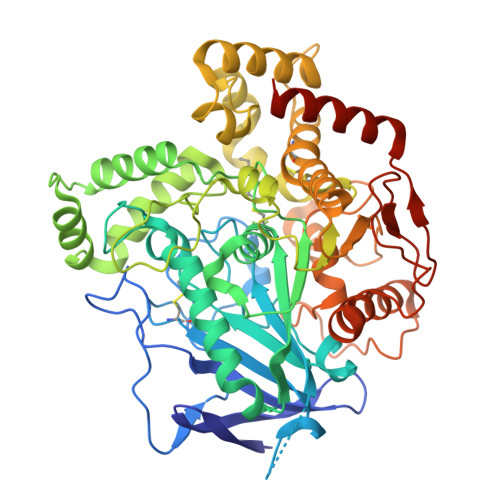
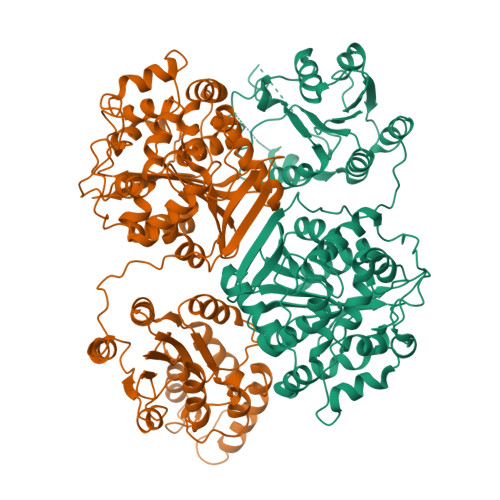
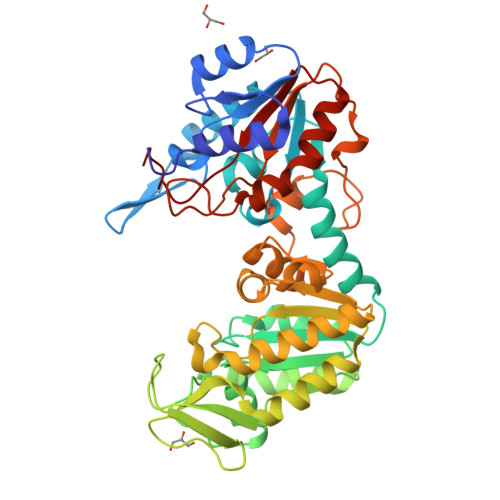
Acylcarnitine hydrolase structureClick to view 3D structureAcylcarnitine hydrolaseQ91WG0Mus musculusPredicted (SEA)
Prediction Confidence Score
0.162
Applicability Domain
0.182 Low confidence
Statistical Significance
0.0098
Supporting Reference Compounds
2
E-value
76.6815
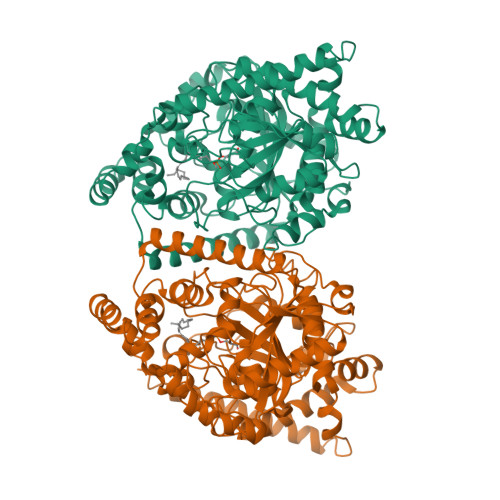
Click to view 3D structureCocaine esteraseO00748HumansPredicted (SEA)
Prediction Confidence Score
0.16
Applicability Domain
0.182 Low confidence
Statistical Significance
0.3818
Supporting Reference Compounds
40
E-value
2972.59
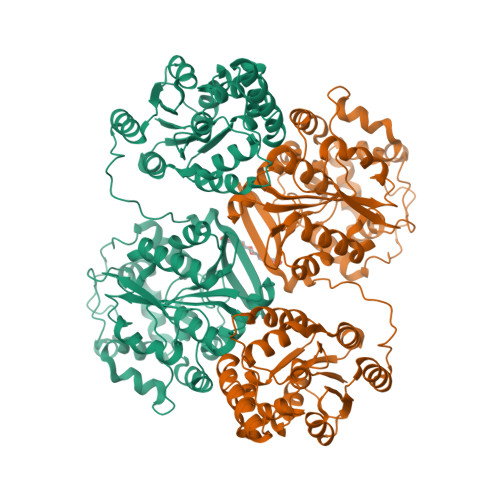
Click to view 3D structureCG8425-PA [Drosophila melanogaster]A1ZA98Drosophila melanogasterPredicted (SEA)
Prediction Confidence Score
0.159
Applicability Domain
0.182 Low confidence
Statistical Significance
0.0112
Supporting Reference Compounds
4
E-value
87.4247
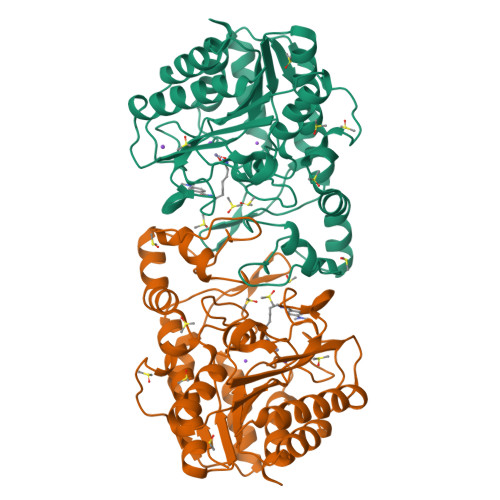
Inward rectifier potassium channel 2 structureClick to view 3D structureInward rectifier potassium channel 2P35561Mus musculusPredicted (SEA)
Prediction Confidence Score
0.158
Applicability Domain
0.158 Low confidence
Statistical Significance
0.2191
Supporting Reference Compounds
1
E-value
1705.36
Liver carboxylesterase structureClick to view 3D structureLiver carboxylesteraseQ29550Sus scrofaPredicted (SEA)
Prediction Confidence Score
0.157
Applicability Domain
0.182 Low confidence
Statistical Significance
0.1896
Supporting Reference Compounds
20
E-value
1475.71
Juvenile hormone esterase structureClick to view 3D structureJuvenile hormone esteraseQ9GPG0Manduca sextaPredicted (SEA)
Prediction Confidence Score
0.155
Applicability Domain
0.167 Low confidence
Statistical Significance
0.0123
Supporting Reference Compounds
2
E-value
95.8324
Liver carboxylesterase 1 structureClick to view 3D structureLiver carboxylesterase 1P23141HumansPredicted (SEA)
Prediction Confidence Score
0.154
Applicability Domain
0.167 Low confidence
Statistical Significance
0.4852
Supporting Reference Compounds
55
E-value
3777.48
Click to view 3D structureFatty-acid amide hydrolase 1O00519HumansPredicted (SEA)
Prediction Confidence Score
0.152
Applicability Domain
0.167 Low confidence
Statistical Significance
0.91
Supporting Reference Compounds
106
E-value
7084.05
Click to view 3D structureEsteraseA3QR02Chilo suppressalisPredicted (SEA)
Prediction Confidence Score
0.139
Applicability Domain
0.139 Low confidence
Statistical Significance
0.0105
Supporting Reference Compounds
1
E-value
81.4303
Fatty-acid amide hydrolase 1 structureClick to view 3D structureFatty-acid amide hydrolase 1P97612Rattus norvegicusPredicted (SEA)
Prediction Confidence Score
0.137
Applicability Domain
0.167 Low confidence
Statistical Significance
0.9425
Supporting Reference Compounds
102
E-value
7337.6
Bifunctional epoxide hydrolase 2 structureClick to view 3D structureBifunctional epoxide hydrolase 2P34913HumansPredicted (SEA)
Prediction Confidence Score
0.136
Applicability Domain
0.146 Low confidence
Statistical Significance
0.955
Supporting Reference Compounds
93
E-value
7434.29
Acetylpolyamine amidohydrolase structureClick to view 3D structureAcetylpolyamine amidohydrolaseQ48935Mycoplana ramosaPredicted (SEA)
Prediction Confidence Score
0.135
Applicability Domain
0.135 Low confidence
Statistical Significance
0.0163
Supporting Reference Compounds
1
E-value
127.206
Bifunctional epoxide hydrolase 2 structureClick to view 3D structureBifunctional epoxide hydrolase 2P34914Mus musculusPredicted (SEA)
Prediction Confidence Score
0.133
Applicability Domain
0.146 Low confidence
Statistical Significance
0.8056
Supporting Reference Compounds
29
E-value
6271.53
Acetylcholinesterase structureClick to view 3D structureAcetylcholinesteraseP22303HumansPredicted (SEA)
Prediction Confidence Score
0.13
Applicability Domain
0.139 Low confidence
Statistical Significance
0.997
Supporting Reference Compounds
406
E-value
7761.72
Click to view 3D structureLiver carboxylesterase B-1Q63010Rattus norvegicusPredicted (SEA)
Prediction Confidence Score
0.129
Applicability Domain
0.143 Low confidence
Statistical Significance
0.0296
Supporting Reference Compounds
6
E-value
230.745
Phosphoglycerate kinase structureClick to view 3D structurePhosphoglycerate kinaseP00560Saccharomyces cerevisiae S288cPredicted (SEA)
Prediction Confidence Score
0.125
Applicability Domain
0.125 Low confidence
Statistical Significance
0.0073
Supporting Reference Compounds
1
E-value
56.5185
Click to view 3D structureSerum paraoxonase/arylesterase 2Q15165HumansPredicted (SEA)
Prediction Confidence Score
0.125
Applicability Domain
0.135 Low confidence
Statistical Significance
0.407
Supporting Reference Compounds
2
E-value
3168.15
Click to view 3D structureSerum paraoxonase/lactonase 3Q15166HumansPredicted (SEA)
Prediction Confidence Score
0.125
Applicability Domain
0.135 Low confidence
Statistical Significance
0.407
Supporting Reference Compounds
2
E-value
3168.15
Click to view 3D structureFatty-acid amide hydrolase 1O08914Mus musculusPredicted (SEA)
Prediction Confidence Score
0.124
Applicability Domain
0.167 Low confidence
Statistical Significance
0.9203
Supporting Reference Compounds
46
E-value
7164.23
RAF proto-oncogene serine/threonine-protein kinase structureClick to view 3D structureRAF proto-oncogene serine/threonine-protein kinaseP04049HumansPredicted (SEA)
Prediction Confidence Score
0.123
Applicability Domain
0.135 Low confidence
Statistical Significance
0.9943
Supporting Reference Compounds
263
E-value
7740.86
Click to view 3D structureBifunctional epoxide hydrolase 2P80299Rattus norvegicusPredicted (SEA)
Prediction Confidence Score
0.117
Applicability Domain
0.135 Low confidence
Statistical Significance
0.9639
Supporting Reference Compounds
29
E-value
7504.2
Voltage-gated inwardly rectifying potassium channel KCNH2 structureClick to view 3D structureVoltage-gated inwardly rectifying potassium channel KCNH2Q12809HumansPredicted (SEA)
Prediction Confidence Score
0.114
Applicability Domain
0.132 Low confidence
Statistical Significance
0.9997
Supporting Reference Compounds
1498
E-value
7782.35
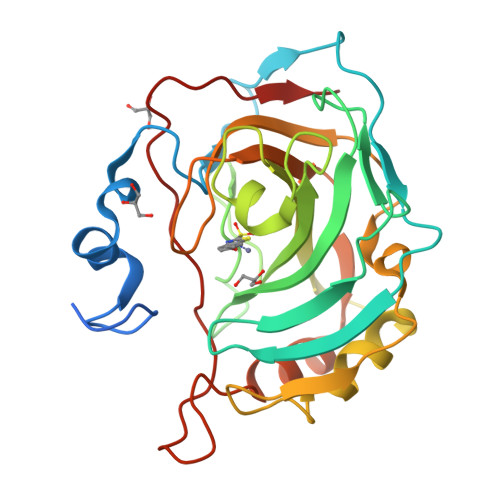
Carbonic anhydrase 7 structureClick to view 3D structureCarbonic anhydrase 7P43166HumansPredicted (SEA)
Prediction Confidence Score
0.112
Applicability Domain
0.161 Low confidence
Statistical Significance
0.9982
Supporting Reference Compounds
242
E-value
7770.99
Click to view 3D structureArylacetamide deacetylaseP22760HumansPredicted (SEA)
Prediction Confidence Score
0.111
Applicability Domain
0.135 Low confidence
Statistical Significance
0.5324
Supporting Reference Compounds
3
E-value
4144.77
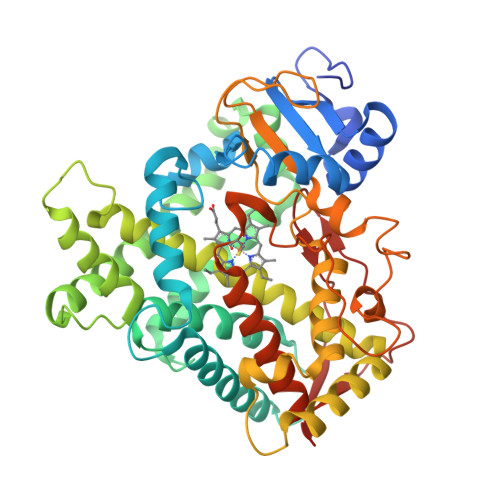
Cytochrome P450 2C9 structureClick to view 3D structureCytochrome P450 2C9P11712HumansPredicted (SEA)
Prediction Confidence Score
0.111
Applicability Domain
0.119 Low confidence
Statistical Significance
0.9997
Supporting Reference Compounds
1245
E-value
7782.35
Concentrations
Not Available
External Links
IdentifiersNot Available
References
Synthesis ReferenceNot Available
MSDSNot Available
General ReferencesNot Available