Some data may have been extracted from scientific literature using a pipeline that uses large language models (LLMs). Source articles are cited where applicable to help verify the extracted relationships.
6H-Dibenzo[c,e][1,2]oxaphosphinine 6-oxide belongs to the benzenoids, a superclass within the organic compounds. This compound has the chemical formula C12H8O2P and an average molecular weight of 215.16 g/mol.
Industrially, it is utilized as a flame retardant (PMC9573111 ). It is found in or released from four recorded sources, including antennas, coils, communication cables or conductors, and power cables within electrical and electronic equipment. Furthermore, it is used in several types of plastics, including polycarbonate, polyurethane, polyamide, acrylonitrile butadiene styrene, polyethylene terephthalate, polypropylene, low-density polyethylene, and high-density polyethylene.
Antennas?Antennas, commonly used in communication technologies, can be a source of synthetic chemical contamination through the materials and coatings used in their construction.
Communication Cables Or Conductors?Communication cables or conductors are essential components in the transmission of data and signals in various applications, including telecommunications and networking.
Conductors Or Conductive Bodies Characterised By The Conductive Materials?Conductors, or conductive bodies, are materials that allow the flow of electrical current, typically made from metals such as copper, aluminum, or silver.
Discharge Lamps?Discharge lamps, including fluorescent and high-intensity discharge (HID) lamps, are commonly used for lighting applications due to their energy efficiency and brightness.
Electric Switches?Electric switches, integral components in numerous devices, can be a source of synthetic chemical contamination due to the materials and manufacturing processes involved in their production.
Electrodes?Electrodes, used in various electrical and electronic applications, can be a source of synthetic chemical contamination due to the materials from which they are constructed and the processes involved in their manufacturing.
Fixed Capacitors And Their Manufacture?Fixed capacitors are passive electronic components used to store and release electrical energy, playing a critical role in various circuits.
Hybrid Capacitors?Hybrid capacitors are energy storage devices that combine the properties of electrolytic and supercapacitors, utilizing a combination of electrochemical principles to achieve higher energy density and power density.
Power Cables?Power cables are used to transmit electrical energy and are typically composed of conductive materials, insulation, and protective coatings.
Food Preservation?Food preservation often involves the use of synthetic chemicals, such as preservatives, flavor enhancers, and color additives, to extend shelf life and enhance the sensory qualities of food products.
Paper Making Machines?Paper making machines utilize various synthetic chemicals throughout the production process, including additives, coatings, and bleaching agents.
Ropes?Ropes manufactured from synthetic fibers, such as polypropylene, nylon, and polyester, are widely used in various applications, including marine, construction, and outdoor activities.
Surface Finishing Of Leather?Surface finishing of leather often involves the use of various synthetic chemicals, including dyes, resins, and finishing agents.
Yarns Or Threads?Yarns or threads used in textiles can be a source of synthetic chemical contamination due to the production processes and treatments they undergo.
Fire Fighting Gels?Fire fighting gels are synthetic chemical formulations designed to enhance fire suppression effectiveness by creating a protective barrier against heat and flames.
Gaseous Fire Fighting?Gaseous fire fighting systems utilize synthetic chemicals, such as halocarbons and inert gases, to suppress fires through chemical and physical processes.
Solid Fire Fighting Substances?Solid fire fighting substances, such as certain types of dry chemical powders, are used in fire suppression applications to extinguish flames and prevent fire spread.
Nitrogenous Fertilisers?Nitrogenous fertilizers are synthetic chemical compounds primarily used to enhance plant growth by supplying essential nitrogen, a crucial nutrient for photosynthesis and protein synthesis.
Cements?Cements are a composite material primarily used as a binding agent in construction applications, formed by the calcination of limestone and clay minerals at high temperatures.
Glass Coatings?Glass coatings are synthetic chemical formulations applied to glass surfaces to enhance properties such as durability, UV resistance, and aesthetic appeal.
Non Oxide Glass?Non-oxide glass refers to a category of glasses primarily composed of materials other than silicon dioxide, such as boron oxide or phosphorous oxide.
Nanotechnology?Nanotechnology involves the manipulation of materials at the molecular or atomic level, typically within the range of 1 to 100 nanometers.
Coating Compositions?Coating compositions, which include paints, sealants, and varnishes, are formulated with a variety of synthetic chemicals such as solvents, resins, pigments, and additives.
Leather Tanning?Leather tanning is a process that transforms raw animal hides into durable leather through the application of various chemicals, including chromium salts, aldehydes, and vegetable tannins.
Water, Wastewater, & Sewage Treatment?Water, wastewater, and sewage treatment processes are critical for managing and mitigating pollutants in water systems.


![NAD(P)H dehydrogenase [quinone] 1 structure](https://cdn.rcsb.org/images/structures/1qrd_assembly-1.jpeg)
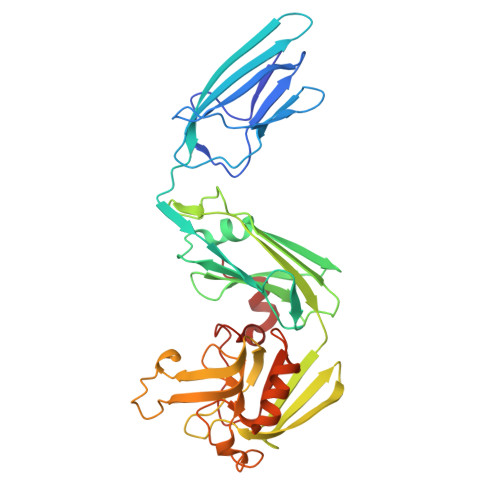
![Poly [ADP-ribose] polymerase tankyrase-1 structure](https://cdn.rcsb.org/images/structures/2rf5_assembly-1.jpeg)




![Poly [ADP-ribose] polymerase tankyrase-2 structure](https://cdn.rcsb.org/images/structures/2y0i_assembly-1.jpeg)
![Poly [ADP-ribose] polymerase 1 structure](https://cdn.rcsb.org/images/structures/1uk0_assembly-1.jpeg)
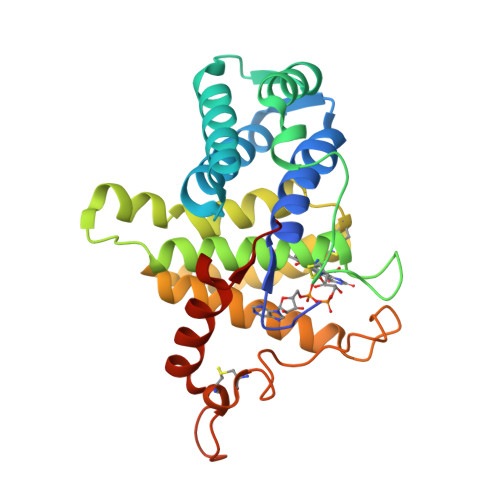
![Amine oxidase [flavin-containing] A structure](https://cdn.rcsb.org/images/structures/2bxr_assembly-1.jpeg)
![Amine oxidase [flavin-containing] B structure](https://cdn.rcsb.org/images/structures/1gos_assembly-1.jpeg)
![NAD(P)H dehydrogenase [quinone] 1 structure](https://cdn.rcsb.org/images/structures/1d4a_assembly-1.jpeg)