Afoxolaner (CED0011842)

Record Information
Version1.0
Creation Date2026-04-14 18:14:23 UTC
Update Date2026-08-22 05:45:27 UTC
SynCED IDCED0011842
Secondary Accession Numbers
  • CHEM131242
Identification
Common NameAfoxolaner
ClassSmall Molecule
Description
Afoxolaner belongs to the naphthalenecarboxylic acids and derivatives, a subclass of naphthalenes within the organic compounds. It is a benzenoid with the chemical formula C26H17ClF9N3O3. With an average molecular weight of 625.88 g/mol, Afoxolaner is a heavy molecule.
Contaminant TypeNot Available
Chemical Structure
SynonymsNot Available
Chemical FormulaC26H17ClF9N3O3
Average Molecular Mass625.880 g/mol
Monoisotopic Mass625.081 g/mol
CAS Registry Number1093861-60-9
IUPAC NameNot Available
Traditional NameNot Available
SMILESFC(F)(F)CNC(=O)CNC(=O)C1=C2C=CC=CC2=C(C=C1)C1=NOC(C1)(C1=CC(=CC(Cl)=C1)C(F)(F)F)C(F)(F)F
InChI IdentifierInChI=1S/C26H17ClF9N3O3/c27-15-8-13(7-14(9-15)25(31,32)33)23(26(34,35)36)10-20(39-42-23)18-5-6-19(17-4-2-1-3-16(17)18)22(41)37-11-21(40)38-12-24(28,29)30/h1-9H,10-12H2,(H,37,41)(H,38,40)
InChI KeyOXDDDHGGRFRLEE-UHFFFAOYSA-N
Chemical Taxonomy
ClassificationNot classified
Biological Properties
StatusDetected and Not Quantified
OriginNot Available
Cellular LocationsNot Available
Biofluid LocationsNot Available
Tissue LocationsNot Available
ApplicationsNot Available
Biological RolesNot Available
Chemical RolesNot Available
Organoleptic EffectsNot Available
Physical Properties
StateNot Available
AppearanceNot Available
Experimental Properties
PropertyValue
Melting PointNot Available
Boiling PointNot Available
SolubilityNot Available
Predicted PropertiesNot Available
Spectra
Spectra
Spectrum TypeDescriptionSplash KeyDeposition DateView
Predicted GC-MSPredicted GC-MS SpectrumNot AvailableNot AvailableView Spectrum
Predicted LC-MS/MSPredicted LC-MS/MS Spectrumsplash10-002b-2132914000-7c09866570f809f83845Not AvailableView Spectrum
Predicted LC-MS/MSPredicted LC-MS/MS Spectrumsplash10-0002-9300410000-c61fb98b2a6e6da168faNot AvailableView Spectrum
Predicted LC-MS/MSPredicted LC-MS/MS Spectrumsplash10-004j-8330900000-0269c62ddd9ff99b5baeNot AvailableView Spectrum
Predicted LC-MS/MSPredicted LC-MS/MS Spectrumsplash10-00di-1121119000-068263f7b2f17d6583a5Not AvailableView Spectrum
Predicted LC-MS/MSPredicted LC-MS/MS Spectrumsplash10-00fs-8952536000-1c3076f35e5eedce23caNot AvailableView Spectrum
Predicted LC-MS/MSPredicted LC-MS/MS Spectrumsplash10-004m-9611200000-9e30b84e7663ecab9e14Not AvailableView Spectrum
Predicted LC-MS/MSPredicted LC-MS/MS Spectrumsplash10-004i-0000009000-a41949506efdaf1e65d1Not AvailableView Spectrum
Predicted LC-MS/MSPredicted LC-MS/MS Spectrumsplash10-00b9-0000839000-a62d9016a7c7317092adNot AvailableView Spectrum
Predicted LC-MS/MSPredicted LC-MS/MS Spectrumsplash10-00di-0100901000-64a6f6f2b50337e0301cNot AvailableView Spectrum
Predicted LC-MS/MSPredicted LC-MS/MS Spectrumsplash10-00di-0000009000-c459da5052de03923baeNot AvailableView Spectrum
Predicted LC-MS/MSPredicted LC-MS/MS Spectrumsplash10-00ec-9000858000-53f33cfacd9a6015a892Not AvailableView Spectrum
Predicted LC-MS/MSPredicted LC-MS/MS Spectrumsplash10-00di-7769501000-a55f337f5c86d7b188ddNot AvailableView Spectrum
Toxicity Profile
Toxicity ValuesNot Available
Toxicity / Toxin ClassNot Available
Mechanism of ToxicityNot Available
Carcinogenicity (IARC Classification)Not Available
Minimum Risk LevelNot Available
SymptomsNot Available
TreatmentNot Available
Health Effects
Health EffectRelationshipDirectionDescriptionReference
Exposure Sources
Source IDSourceSectorReference
CEDs000010Insecticides?Insecticides are synthetic chemicals designed to control or eliminate insect pests that threaten crops and other agricultural products.Agriculture & land managementPubChem
CEDs000518Electrically Stimulated Smoking Devices?Electrically stimulated smoking devices, commonly known as e-cigarettes or vape pens, utilize electrical components to heat a liquid solution, often containing nicotine, flavorings, and other additives, to produce an aerosol for inhalation.Electrical & Electronic EquipmentPubChem
CEDs000545Food Preservation?Food preservation often involves the use of synthetic chemicals, such as preservatives, flavor enhancers, and color additives, to extend shelf life and enhance the sensory qualities of food products.Food, food processing & cookwarePubChem
CEDs000559Non Electric Simulated Smoking Devices?Non-electric simulated smoking devices, often designed to mimic the experience of smoking without combustion, can be sources of synthetic chemical contamination due to the materials and chemicals used in their construction and operation.Household cleaning & consumer productsPubChem
CEDs000561Perfumes Within Detergents And Soaps?Perfumes within detergents and soaps are synthetic fragrance compounds added to enhance the sensory experience of cleaning products.Household cleaning & consumer productsPubChem
CEDs000596Acaricides?Acaricides are synthetic chemicals specifically designed to target and control mite populations that can damage crops and plants.Agriculture & land managementPubChem
CEDs000600Herbicides And Algicides?Herbicides and algicides are synthetic chemicals primarily used to control unwanted plants and algae in various environments.Agriculture & land managementPubChem
CEDs000602Molluscicides?Molluscicides are synthetic chemicals specifically designed to control and eliminate mollusks, such as snails and slugs, which can be detrimental to crops and agricultural productivity.Agriculture & land managementPubChem
CEDs000603Nematocides?Nematocides are synthetic chemicals specifically designed to control nematodes, which are microscopic roundworms that can cause significant damage to crops and plants.Agriculture & land managementPubChem
CEDs000604Pest Attractants?Pest attractants are synthetic chemicals designed to lure specific pests for monitoring or control purposes.Agriculture & land managementPubChem
CEDs000605Pest Repellants?Pest repellents, often formulated from synthetic chemicals, are widely used to protect crops from insect infestations and other pests.Agriculture & land managementPubChem
CEDs000606Plant Growth Regulators?Plant Growth Regulators (PGRs) are synthetic chemicals designed to influence the growth and development of plants.Agriculture & land managementPubChem
CEDs000607Rodenticides(1)?Rodenticides are synthetic chemicals specifically formulated to control rodent populations, serving as a crucial tool in managing pests that can damage crops and spread diseases.Agriculture & land managementPubChem
CEDs000608Rodenticides?Rodenticides are chemical substances specifically designed to control rodent populations by causing death through various mechanisms, including anticoagulation or neurotoxicity.Agriculture & land managementPubChem
CEDs000611Anti Perspirants Or Body Deoderants?Antiperspirants and body deodorants commonly contain synthetic chemicals such as aluminum compounds, parabens, and synthetic fragrances.Personal care & cosmeticsPubChem
CEDs000673Unmanned Aerial Vehicles?Unmanned Aerial Vehicles (UAVs), commonly known as drones, utilize various synthetic chemicals in their manufacturing, operation, and maintenance processes.Aviation & AerospacePubChem
CEDs000678Nitrogenous Fertilisers?Nitrogenous fertilizers are synthetic chemical compounds primarily used to enhance plant growth by supplying essential nitrogen, a crucial nutrient for photosynthesis and protein synthesis.Agriculture & land managementPubChem
CEDs000679Phosphatic Fertilisers?Phosphatic fertilizers are synthetic chemical products primarily composed of phosphorus, which is essential for plant growth.Agriculture & land managementPubChem
CEDs000744Water, Wastewater, & Sewage Treatment?Water, wastewater, and sewage treatment processes are critical for managing and mitigating pollutants in water systems.Wastewater, sanitation & biosolidsPubChem
Pathways
0 pathwaysPathway Source: PathBank

No pathways found

No metabolic pathways have been associated with this synthetic chemical

Targets
StructureProteinUniProt IDOrganismRelationshipDetails
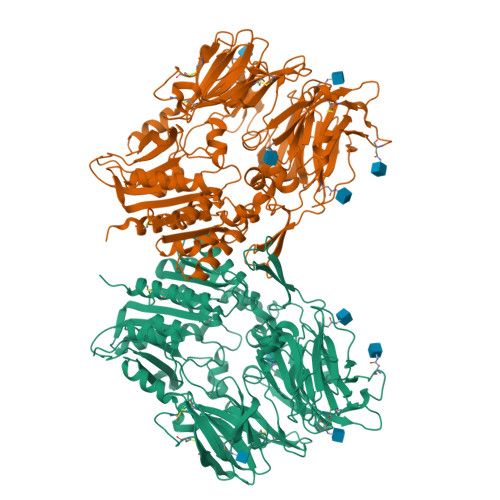
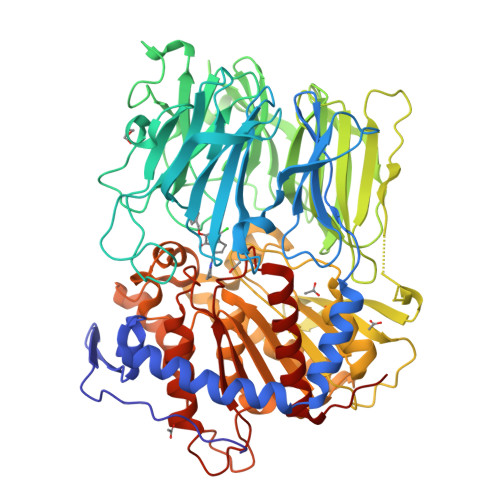
Prolyl endopeptidase FAP structureClick to view 3D structureProlyl endopeptidase FAPQ12884HumansPredicted (SEA)
Prediction Confidence Score
0.27
Applicability Domain
0.283 Low confidence
Statistical Significance
0.005
Supporting Reference Compounds
41
E-value
39.236
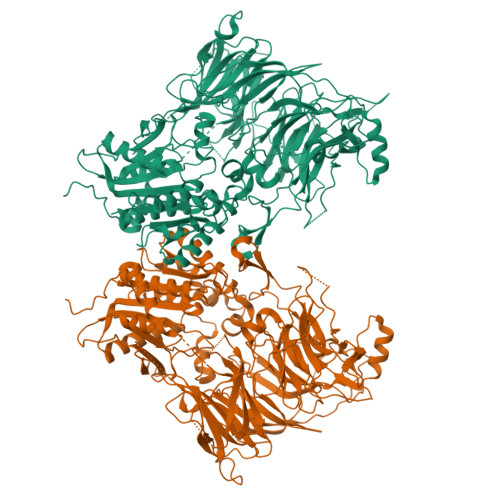
Dipeptidyl peptidase 4 structureClick to view 3D structureDipeptidyl peptidase 4P27487HumansPredicted (SEA)
Prediction Confidence Score
0.262
Applicability Domain
0.283 Low confidence
Statistical Significance
0.0176
Supporting Reference Compounds
129
E-value
136.781
Prolyl endopeptidase structureClick to view 3D structureProlyl endopeptidaseP48147HumansPredicted (SEA)
Prediction Confidence Score
0.262
Applicability Domain
0.283 Low confidence
Statistical Significance
0.0072
Supporting Reference Compounds
37
E-value
56.2071
Click to view 3D structureProlyl endopeptidase FAPP97321Mus musculusPredicted (SEA)
Prediction Confidence Score
0.26
Applicability Domain
0.283 Low confidence
Statistical Significance
0.0025
Supporting Reference Compounds
15
E-value
19.6959
Dipeptidyl peptidase 9 structureClick to view 3D structureDipeptidyl peptidase 9Q86TI2HumansPredicted (SEA)
Prediction Confidence Score
0.259
Applicability Domain
0.283 Low confidence
Statistical Significance
0.0084
Supporting Reference Compounds
55
E-value
65.7826
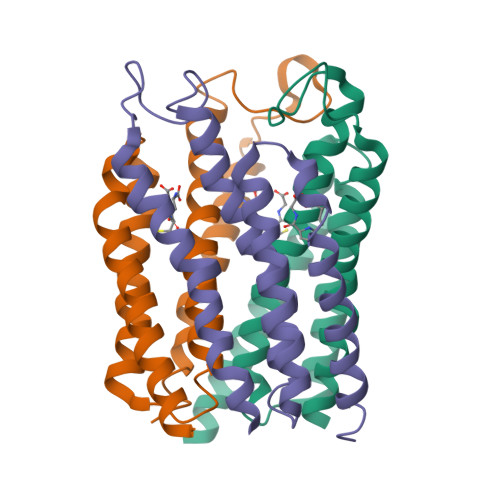
C-C chemokine receptor type 2 structureClick to view 3D structureC-C chemokine receptor type 2P41597HumansPredicted (SEA)
Prediction Confidence Score
0.253
Applicability Domain
0.266 Low confidence
Statistical Significance
0.0286
Supporting Reference Compounds
72
E-value
222.649
Voltage-gated inwardly rectifying potassium channel KCNH2 structureClick to view 3D structureVoltage-gated inwardly rectifying potassium channel KCNH2Q12809HumansPredicted (SEA)
Prediction Confidence Score
0.25
Applicability Domain
0.266 Low confidence
Statistical Significance
0.5482
Supporting Reference Compounds
1498
E-value
4267.77
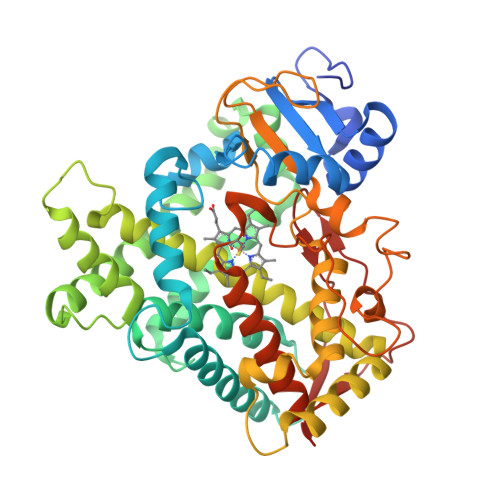
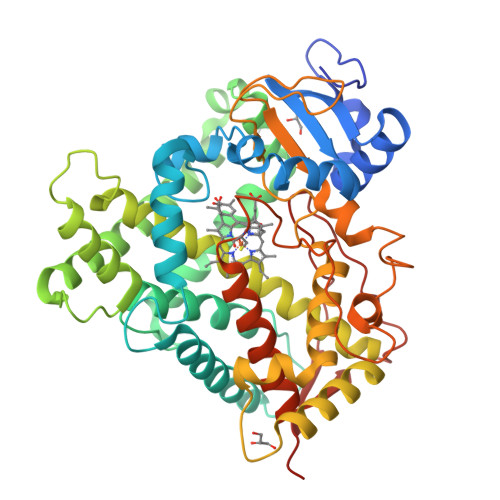
Cytochrome P450 2C9 structureClick to view 3D structureCytochrome P450 2C9P11712HumansPredicted (SEA)
Prediction Confidence Score
0.244
Applicability Domain
0.26 Low confidence
Statistical Significance
0.5791
Supporting Reference Compounds
1245
E-value
4508.02
Cytochrome P450 2D6 structureClick to view 3D structureCytochrome P450 2D6P10635HumansPredicted (SEA)
Prediction Confidence Score
0.242
Applicability Domain
0.255 Low confidence
Statistical Significance
0.5539
Supporting Reference Compounds
1130
E-value
4312.38
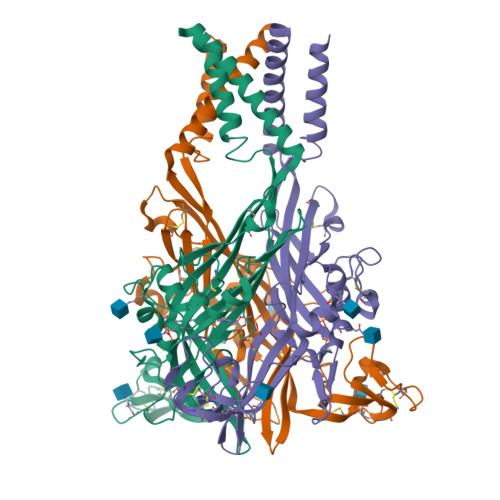
Click to view 3D structureP2X purinoceptor 7Q99572HumansPredicted (SEA)
Prediction Confidence Score
0.242
Applicability Domain
0.266 Low confidence
Statistical Significance
0.0209
Supporting Reference Compounds
52
E-value
162.393
Cytochrome P450 1A2 structureClick to view 3D structureCytochrome P450 1A2P05177HumansPredicted (SEA)
Prediction Confidence Score
0.24
Applicability Domain
0.255 Low confidence
Statistical Significance
0.4627
Supporting Reference Compounds
793
E-value
3602.47
Click to view 3D structureEukaryotic translation initiation factor 2-alpha kinase 3Q9Z1Z1Rattus norvegicusPredicted (SEA)
Prediction Confidence Score
0.236
Applicability Domain
0.236 Low confidence
Statistical Significance
0.0356
Supporting Reference Compounds
1
E-value
277.532
Click to view 3D structureA disintegrin and metalloproteinase with thrombospondin motifs 7Q1EHB3Rattus norvegicusPredicted (SEA)
Prediction Confidence Score
0.235
Applicability Domain
0.235 Low confidence
Statistical Significance
0.0019
Supporting Reference Compounds
1
E-value
14.48
Click to view 3D structureA disintegrin and metalloproteinase with thrombospondin motifs 12P58397HumansPredicted (SEA)
Prediction Confidence Score
0.235
Applicability Domain
0.235 Low confidence
Statistical Significance
0.0019
Supporting Reference Compounds
1
E-value
14.48
Click to view 3D structureA disintegrin and metalloproteinase with thrombospondin motifs 7Q68SA9Mus musculusPredicted (SEA)
Prediction Confidence Score
0.235
Applicability Domain
0.235 Low confidence
Statistical Significance
0.0019
Supporting Reference Compounds
1
E-value
14.48
Cytochrome P450 2C19 structureClick to view 3D structureCytochrome P450 2C19P33261HumansPredicted (SEA)
Prediction Confidence Score
0.235
Applicability Domain
0.255 Low confidence
Statistical Significance
0.5542
Supporting Reference Compounds
825
E-value
4314.09
Cannabinoid receptor 2 structureClick to view 3D structureCannabinoid receptor 2P34972HumansPredicted (SEA)
Prediction Confidence Score
0.234
Applicability Domain
0.26 Low confidence
Statistical Significance
0.1663
Supporting Reference Compounds
175
E-value
1294.63
Sodium-dependent neutral amino acid transporter B(0)AT1 structureClick to view 3D structureSodium-dependent neutral amino acid transporter B(0)AT1Q695T7HumansPredicted (SEA)
Prediction Confidence Score
0.232
Applicability Domain
0.232 Low confidence
Statistical Significance
0.017
Supporting Reference Compounds
1
E-value
132.11
Cytochrome P450 3A4 structureClick to view 3D structureCytochrome P450 3A4P08684HumansPredicted (SEA)
Prediction Confidence Score
0.232
Applicability Domain
0.26 Low confidence
Statistical Significance
0.7504
Supporting Reference Compounds
1538
E-value
5841.65
Click to view 3D structureProstaglandin E synthaseA0SYQ0Canis lupus familiarisPredicted (SEA)
Prediction Confidence Score
0.232
Applicability Domain
0.236 Low confidence
Statistical Significance
0.0061
Supporting Reference Compounds
2
E-value
47.1766
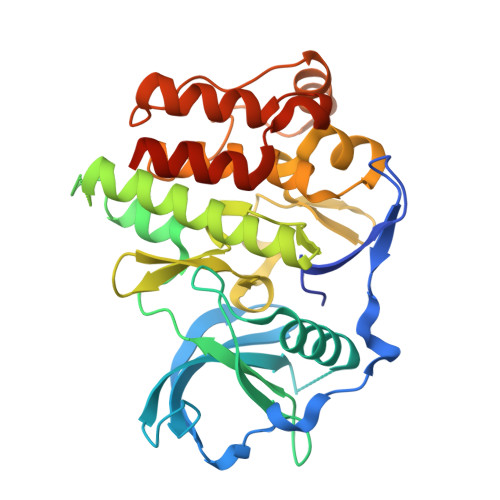
Receptor-type tyrosine-protein kinase FLT3 structureClick to view 3D structureReceptor-type tyrosine-protein kinase FLT3P36888HumansPredicted (SEA)
Prediction Confidence Score
0.231
Applicability Domain
0.266 Low confidence
Statistical Significance
0.5921
Supporting Reference Compounds
1274
E-value
4609.22
D(3) dopamine receptor structureClick to view 3D structureD(3) dopamine receptorP35462HumansPredicted (SEA)
Prediction Confidence Score
0.23
Applicability Domain
0.255 Low confidence
Statistical Significance
0.443
Supporting Reference Compounds
861
E-value
3448.95
Prostaglandin E synthase structureClick to view 3D structureProstaglandin E synthaseO14684HumansPredicted (SEA)
Prediction Confidence Score
0.23
Applicability Domain
0.243 Low confidence
Statistical Significance
0.0569
Supporting Reference Compounds
69
E-value
442.651
P2X purinoceptor 1 structureClick to view 3D structureP2X purinoceptor 1P51575HumansPredicted (SEA)
Prediction Confidence Score
0.23
Applicability Domain
0.266 Low confidence
Statistical Significance
0.0218
Supporting Reference Compounds
35
E-value
170.023
D(4) dopamine receptor structureClick to view 3D structureD(4) dopamine receptorP21917HumansPredicted (SEA)
Prediction Confidence Score
0.23
Applicability Domain
0.255 Low confidence
Statistical Significance
0.3528
Supporting Reference Compounds
524
E-value
2746.44
Concentrations
Not Available
External Links
IdentifiersNot Available
References
Synthesis ReferenceNot Available
MSDSNot Available
General ReferencesNot Available