Nona-arginine (CED0012983)

Record Information
Version1.0
Creation Date2026-04-14 18:57:31 UTC
Update Date2026-09-01 07:11:32 UTC
SynCED IDCED0012983
Secondary Accession Numbers
  • CHEM131653
Identification
Common NameNona-arginine
ClassSmall Molecule
Description
Nona-arginine is an organic compound with the formula C54H110N36O10. Nona-arginine belongs to the amino acids, peptides, and analogues, a subclass of carboxylic acids and derivatives within the organic compounds. With an average molecular weight of 1,424 g/mol, Nona-arginine is a heavy molecule. This compound has been found in or released from two recorded sources: household items such as rosaries and electrical and electronic equipment, specifically video games. In terms of biological activity, Nona-arginine is a recorded modulator of the protein target nitric oxide synthase, inducible (NOS2).
Contaminant TypeNot Available
Chemical Structure
SynonymsNot Available
Chemical FormulaC54H110N36O10
Average Molecular Mass1423.716 g/mol
Monoisotopic Mass1422.921 g/mol
CAS Registry Number143413-47-2
IUPAC NameNot Available
Traditional NameNot Available
SMILESN[C@@H](CCCNC(N)=N)C(=O)N[C@@H](CCCNC(N)=N)C(=O)N[C@@H](CCCNC(N)=N)C(=O)N[C@@H](CCCNC(N)=N)C(=O)N[C@@H](CCCNC(N)=N)C(=O)N[C@@H](CCCNC(N)=N)C(=O)N[C@@H](CCCNC(N)=N)C(=O)N[C@@H](CCCNC(N)=N)C(=O)N[C@@H](CCCNC(N)=N)C(O)=O
InChI IdentifierInChI=1S/C54H110N36O10/c55-28(10-1-19-74-46(56)57)37(91)83-29(11-2-20-75-47(58)59)38(92)84-30(12-3-21-76-48(60)61)39(93)85-31(13-4-22-77-49(62)63)40(94)86-32(14-5-23-78-50(64)65)41(95)87-33(15-6-24-79-51(66)67)42(96)88-34(16-7-25-80-52(68)69)43(97)89-35(17-8-26-81-53(70)71)44(98)90-36(45(99)100)18-9-27-82-54(72)73/h28-36H,1-27,55H2,(H,83,91)(H,84,92)(H,85,93)(H,86,94)(H,87,95)(H,88,96)(H,89,97)(H,90,98)(H,99,100)(H4,56,57,74)(H4,58,59,75)(H4,60,61,76)(H4,62,63,77)(H4,64,65,78)(H4,66,67,79)(H4,68,69,80)(H4,70,71,81)(H4,72,73,82)/t28-,29-,30-,31-,32-,33-,34-,35-,36-/m0/s1
InChI KeyXUNKPNYCNUKOAU-VXJRNSOOSA-N
Chemical Taxonomy
ClassificationNot classified
Biological Properties
StatusDetected and Not Quantified
OriginNot Available
Cellular LocationsNot Available
Biofluid LocationsNot Available
Tissue LocationsNot Available
ApplicationsNot Available
Biological RolesNot Available
Chemical RolesNot Available
Organoleptic EffectsNot Available
Physical Properties
StateNot Available
AppearanceNot Available
Experimental Properties
PropertyValue
Melting PointNot Available
Boiling PointNot Available
SolubilityNot Available
Predicted PropertiesNot Available
Spectra
Spectra
Spectrum TypeDescriptionSplash KeyDeposition DateView
Predicted LC-MS/MSPredicted LC-MS/MS Spectrumsplash10-0059-0629501101-fa27e9bef6f5601ba80eNot AvailableView Spectrum
Predicted LC-MS/MSPredicted LC-MS/MS Spectrumsplash10-01t9-1829410100-4f61892a028d34720522Not AvailableView Spectrum
Predicted LC-MS/MSPredicted LC-MS/MS Spectrumsplash10-01t9-3926300100-6acd3bdacf1d6e1f251fNot AvailableView Spectrum
Predicted LC-MS/MSPredicted LC-MS/MS Spectrumsplash10-000i-0009000000-c7857e27ee569ab08b42Not AvailableView Spectrum
Predicted LC-MS/MSPredicted LC-MS/MS Spectrumsplash10-000i-0009000000-a8436e29a659e106a2c5Not AvailableView Spectrum
Predicted LC-MS/MSPredicted LC-MS/MS Spectrumsplash10-0pb9-9566430405-bd514c34e20576975a11Not AvailableView Spectrum
Toxicity Profile
Toxicity ValuesNot Available
Toxicity / Toxin ClassNot Available
Mechanism of ToxicityNot Available
Carcinogenicity (IARC Classification)Not Available
Minimum Risk LevelNot Available
SymptomsNot Available
TreatmentNot Available
Health Effects
Health EffectRelationshipDirectionDescriptionReference
Exposure Sources
Source IDSourceSectorReference
CEDs000010Insecticides?Insecticides are synthetic chemicals designed to control or eliminate insect pests that threaten crops and other agricultural products.Agriculture & land managementPubChem
CEDs000233Brushes?Brushes used in personal care and cosmetics can be a source of synthetic chemical contamination due to the materials and coatings used in their manufacturing.Personal care & cosmeticsPubChem
CEDs000511Conductors Or Conductive Bodies Characterised By The Conductive Materials?Conductors, or conductive bodies, are materials that allow the flow of electrical current, typically made from metals such as copper, aluminum, or silver.Electrical & Electronic EquipmentPubChem
CEDs000514Discharge Lamps?Discharge lamps, including fluorescent and high-intensity discharge (HID) lamps, are commonly used for lighting applications due to their energy efficiency and brightness.Electrical & Electronic EquipmentPubChem
CEDs000517Electric Switches?Electric switches, integral components in numerous devices, can be a source of synthetic chemical contamination due to the materials and manufacturing processes involved in their production.Electrical & Electronic EquipmentPubChem
CEDs000519Electrodes?Electrodes, used in various electrical and electronic applications, can be a source of synthetic chemical contamination due to the materials from which they are constructed and the processes involved in their manufacturing.Electrical & Electronic EquipmentPubChem
CEDs000539Video Games?Video games, through their production and disposal processes, can be a source of synthetic chemical contamination.Electrical & Electronic EquipmentPubChem
CEDs000545Food Preservation?Food preservation often involves the use of synthetic chemicals, such as preservatives, flavor enhancers, and color additives, to extend shelf life and enhance the sensory qualities of food products.Food, food processing & cookwarePubChem
CEDs000563Soap Detergents?Soap detergents are synthetic surfactants designed to enhance the cleaning efficacy of water by reducing surface tension, allowing for better interaction with dirt and grease.Household cleaning & consumer productsPubChem
CEDs000575Rosaries?Rosaries, often made from various synthetic materials such as plastics, resins, or coatings, can pose a source of chemical contamination due to the release of additives or degradation products over time.Household itemsPubChem
CEDs000583Anchoring Equipment?Anchoring equipment, commonly used in marine applications, can be a source of synthetic chemical contamination due to the materials and coatings utilized in their manufacturing.Marine, shipping & aquaculturePubChem
CEDs000589Life Buoys?Life buoys, commonly used in marine environments for safety and rescue operations, can be a source of synthetic chemical contamination due to the materials used in their production.Marine, shipping & aquaculturePubChem
CEDs000590Lifeboat Equipment?Lifeboat equipment typically includes various synthetic materials used in the construction of life rafts, flotation devices, and safety gear.Marine, shipping & aquaculturePubChem
CEDs000596Acaricides?Acaricides are synthetic chemicals specifically designed to target and control mite populations that can damage crops and plants.Agriculture & land managementPubChem
CEDs000600Herbicides And Algicides?Herbicides and algicides are synthetic chemicals primarily used to control unwanted plants and algae in various environments.Agriculture & land managementPubChem
CEDs000606Plant Growth Regulators?Plant Growth Regulators (PGRs) are synthetic chemicals designed to influence the growth and development of plants.Agriculture & land managementPubChem
CEDs000632Apparel?Apparel production often involves the use of various synthetic chemicals, including dyes, finishing agents, and preservatives.Textiles, leather & furnishingsPubChem
CEDs000671Airplanes And Helicopters?Airplanes and helicopters are significant sources of synthetic chemical contamination primarily through the use of aviation fuels, lubricants, and de-icing agents.Aviation & AerospacePubChem
CEDs000679Phosphatic Fertilisers?Phosphatic fertilizers are synthetic chemical products primarily composed of phosphorus, which is essential for plant growth.Agriculture & land managementPubChem
CEDs000685Ceramics?Ceramics can be a source of synthetic chemical contamination through various additives and processing agents used in their production.Building & ConstructionPubChem
CEDs000688Glass Coatings?Glass coatings are synthetic chemical formulations applied to glass surfaces to enhance properties such as durability, UV resistance, and aesthetic appeal.Building & ConstructionPubChem
CEDs000693Silica Glass?Silica glass, primarily composed of silicon dioxide (SiO2), is widely used in various applications, including windows, glass facades, and insulation materials.Building & ConstructionPubChem
CEDs000696Nanotechnology?Nanotechnology involves the manipulation of materials at the molecular or atomic level, typically within the range of 1 to 100 nanometers.Industrial manufacturing & chemical processingPubChem
CEDs000744Water, Wastewater, & Sewage Treatment?Water, wastewater, and sewage treatment processes are critical for managing and mitigating pollutants in water systems.Wastewater, sanitation & biosolidsPubChem
Pathways
0 pathwaysPathway Source: PathBank

No pathways found

No metabolic pathways have been associated with this synthetic chemical

Targets
StructureProteinUniProt IDOrganismRelationshipDetails
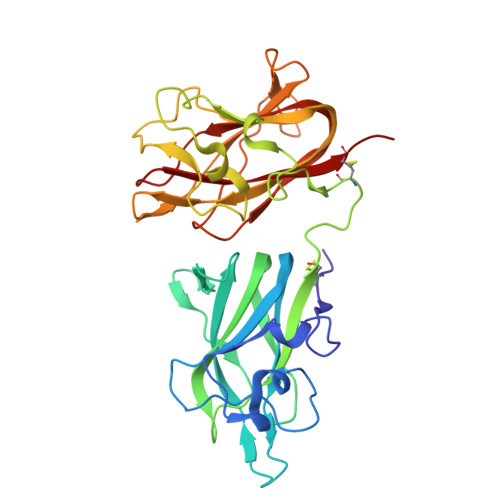
Neuropilin-1 structureClick to view 3D structureNeuropilin-1Q9QWJ9Rattus norvegicusPredicted (SEA)
Prediction Confidence Score
0.488
Applicability Domain
0.532
Statistical Significance
2.40e-04
Supporting Reference Compounds
2
E-value
1.86838
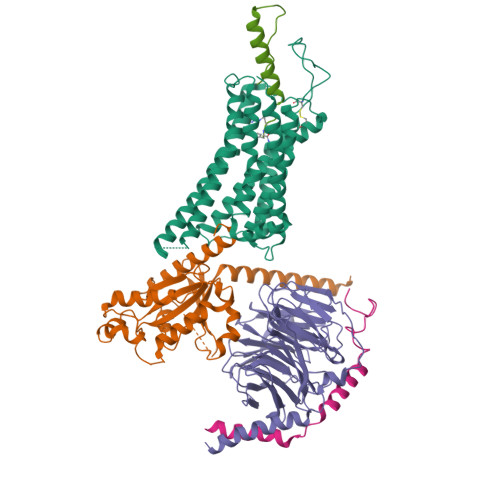
Click to view 3D structureNeuropeptide FF receptor 2Q9Y5X5HumansPredicted (SEA)
Prediction Confidence Score
0.48
Applicability Domain
0.519
Statistical Significance
0.0043
Supporting Reference Compounds
25
E-value
33.553
Click to view 3D structureNeuropeptide FF receptor 1Q9GZQ6HumansPredicted (SEA)
Prediction Confidence Score
0.48
Applicability Domain
0.519
Statistical Significance
0.0033
Supporting Reference Compounds
21
E-value
26.0016
Complement C2 structureClick to view 3D structureComplement C2P06681HumansPredicted (SEA)
Prediction Confidence Score
0.448
Applicability Domain
0.448
Statistical Significance
5.10e-04
Supporting Reference Compounds
1
E-value
3.97031
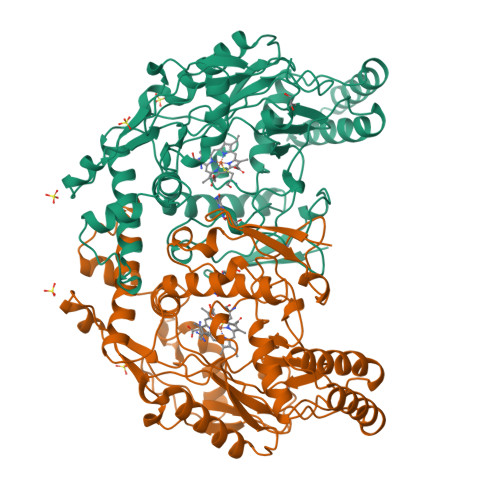
Nitric oxide synthase, inducible structureClick to view 3D structureNitric oxide synthase, inducibleP35228HumansPredicted (SEA)
Prediction Confidence Score
0.446
Applicability Domain
0.649
Statistical Significance
2.10e-04
Supporting Reference Compounds
47
E-value
1.63483
Neuropeptide Y receptor type 4 structureClick to view 3D structureNeuropeptide Y receptor type 4P50391HumansPredicted (SEA)
Prediction Confidence Score
0.443
Applicability Domain
0.525
Statistical Significance
0.0038
Supporting Reference Compounds
23
E-value
29.5827
Click to view 3D structureMu-type opioid receptorP97266Cavia porcellusPredicted (SEA)
Prediction Confidence Score
0.438
Applicability Domain
0.516
Statistical Significance
0.0145
Supporting Reference Compounds
186
E-value
112.648
Suppressor of tumorigenicity 14 protein structureClick to view 3D structureSuppressor of tumorigenicity 14 proteinQ9Y5Y6HumansPredicted (SEA)
Prediction Confidence Score
0.428
Applicability Domain
0.508
Statistical Significance
0.0023
Supporting Reference Compounds
74
E-value
18.061
Neuropeptide Y receptor type 1 structureClick to view 3D structureNeuropeptide Y receptor type 1P25929HumansPredicted (SEA)
Prediction Confidence Score
0.427
Applicability Domain
0.464
Statistical Significance
0.0083
Supporting Reference Compounds
65
E-value
65.0041
Delta-type opioid receptor structureClick to view 3D structureDelta-type opioid receptorP32300Mus musculusPredicted (SEA)
Prediction Confidence Score
0.427
Applicability Domain
0.516
Statistical Significance
0.0149
Supporting Reference Compounds
166
E-value
116.307
Click to view 3D structureNeuropeptide FF receptor 2Q924H0Mus musculusPredicted (SEA)
Prediction Confidence Score
0.424
Applicability Domain
0.519
Statistical Significance
2.80e-04
Supporting Reference Compounds
5
E-value
2.17978
Click to view 3D structureMu-type opioid receptorP33535Rattus norvegicusPredicted (SEA)
Prediction Confidence Score
0.412
Applicability Domain
0.516
Statistical Significance
0.0192
Supporting Reference Compounds
229
E-value
149.86
Click to view 3D structureDelta-type opioid receptorP33533Rattus norvegicusPredicted (SEA)
Prediction Confidence Score
0.412
Applicability Domain
0.516
Statistical Significance
0.0144
Supporting Reference Compounds
164
E-value
112.492
Leukocyte surface antigen CD47 structureClick to view 3D structureLeukocyte surface antigen CD47Q08722HumansPredicted (SEA)
Prediction Confidence Score
0.412
Applicability Domain
0.412
Statistical Significance
0.0054
Supporting Reference Compounds
1
E-value
42.1943
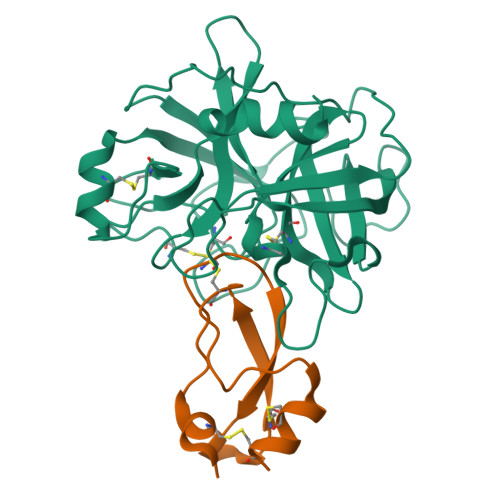
Serine protease hepsin structureClick to view 3D structureSerine protease hepsinP05981HumansPredicted (SEA)
Prediction Confidence Score
0.398
Applicability Domain
0.463
Statistical Significance
0.0011
Supporting Reference Compounds
37
E-value
8.56341
Neuropeptide Y receptor type 2 structureClick to view 3D structureNeuropeptide Y receptor type 2P49146HumansPredicted (SEA)
Prediction Confidence Score
0.395
Applicability Domain
0.464
Statistical Significance
0.0112
Supporting Reference Compounds
57
E-value
86.8797
Click to view 3D structureNeuroendocrine convertase 2P16519HumansPredicted (SEA)
Prediction Confidence Score
0.393
Applicability Domain
0.403
Statistical Significance
0.0017
Supporting Reference Compounds
3
E-value
13.5458
Nociceptin receptor structureClick to view 3D structureNociceptin receptorP41146HumansPredicted (SEA)
Prediction Confidence Score
0.392
Applicability Domain
0.466
Statistical Significance
0.009
Supporting Reference Compounds
73
E-value
70.4535
Click to view 3D structureTransmembrane protease serine 6Q8IU80HumansPredicted (SEA)
Prediction Confidence Score
0.391
Applicability Domain
0.463
Statistical Significance
0.0011
Supporting Reference Compounds
18
E-value
8.48557
Click to view 3D structureNeuroendocrine convertase 1P29120HumansPredicted (SEA)
Prediction Confidence Score
0.39
Applicability Domain
0.403
Statistical Significance
0.0017
Supporting Reference Compounds
2
E-value
13.0787
Furin structureClick to view 3D structureFurinP09958HumansPredicted (SEA)
Prediction Confidence Score
0.389
Applicability Domain
0.403
Statistical Significance
0.0029
Supporting Reference Compounds
16
E-value
22.3427
Click to view 3D structureGlutathionylspermidine synthaseP90518Crithidia fasciculataPredicted (SEA)
Prediction Confidence Score
0.389
Applicability Domain
0.389
Statistical Significance
2.90e-04
Supporting Reference Compounds
1
E-value
2.25763
Click to view 3D structureMonofunctional C1-tetrahydrofolate synthase, mitochondrialQ6UB35HumansPredicted (SEA)
Prediction Confidence Score
0.386
Applicability Domain
0.386
Statistical Significance
0.0074
Supporting Reference Compounds
1
E-value
57.4527
Click to view 3D structureDeoxyribonuclease-2-alphaO00115HumansPredicted (SEA)
Prediction Confidence Score
0.386
Applicability Domain
0.386
Statistical Significance
0.0065
Supporting Reference Compounds
1
E-value
50.3684
Delta-type opioid receptor structureClick to view 3D structureDelta-type opioid receptorP41143HumansPredicted (SEA)
Prediction Confidence Score
0.385
Applicability Domain
0.466
Statistical Significance
0.0252
Supporting Reference Compounds
427
E-value
196.569
Concentrations
Not Available
External Links
IdentifiersNot Available
References
Synthesis ReferenceNot Available
MSDSNot Available
General ReferencesNot Available