 Click to view 3D structure | Macrophage colony-stimulating factor 1 receptor | P07333 | Humans | Predicted (SEA) | - Prediction Confidence Score
- 0.543
- Applicability Domain
- 1.0
- Statistical Significance
- 0.0021
- Supporting Reference Compounds
- 833
- E-value
- 16.6597
|
 Click to view 3D structure | Mast/stem cell growth factor receptor Kit | P10721 | Humans | Predicted (SEA) | - Prediction Confidence Score
- 0.526
- Applicability Domain
- 1.0
- Statistical Significance
- 0.0047
- Supporting Reference Compounds
- 905
- E-value
- 36.9005
|
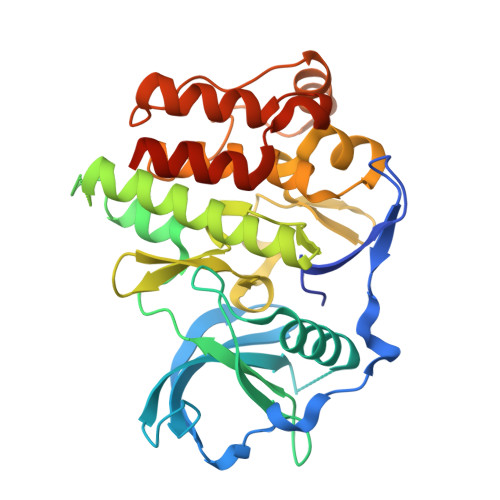 Click to view 3D structure | Receptor-type tyrosine-protein kinase FLT3 | P36888 | Humans | Predicted (SEA) | - Prediction Confidence Score
- 0.515
- Applicability Domain
- 1.0
- Statistical Significance
- 0.0082
- Supporting Reference Compounds
- 1274
- E-value
- 64.0699
|
 Click to view 3D structure | Vascular endothelial growth factor receptor 2 | P35968 | Humans | Predicted (SEA) | - Prediction Confidence Score
- 0.457
- Applicability Domain
- 1.0
- Statistical Significance
- 0.0191
- Supporting Reference Compounds
- 1660
- E-value
- 148.926
|
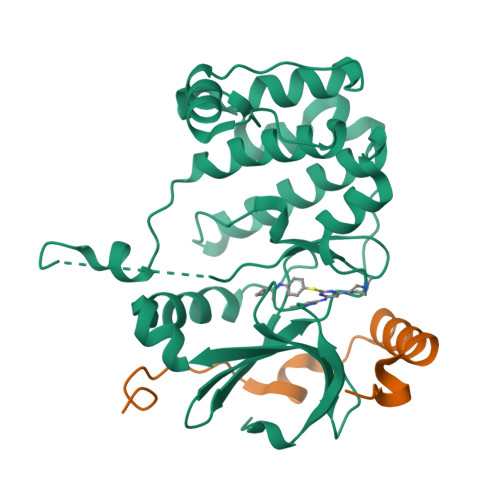 Click to view 3D structure | Aurora kinase B | Q96GD4 | Humans | Predicted (SEA) | - Prediction Confidence Score
- 0.444
- Applicability Domain
- 1.0
- Statistical Significance
- 0.0114
- Supporting Reference Compounds
- 1017
- E-value
- 88.5146
|
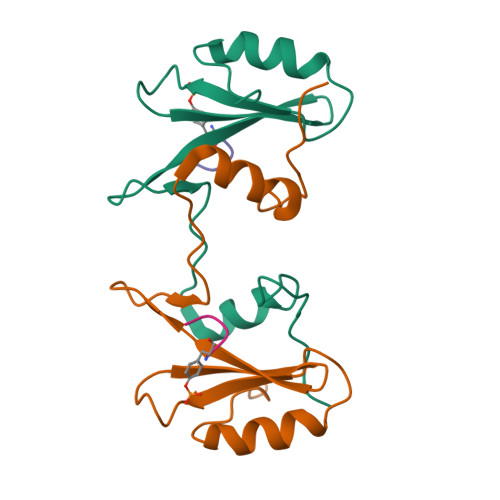 Click to view 3D structure | Hepatocyte growth factor receptor | P08581 | Humans | Predicted (SEA) | - Prediction Confidence Score
- 0.442
- Applicability Domain
- 1.0
- Statistical Significance
- 0.0106
- Supporting Reference Compounds
- 934
- E-value
- 82.7537
|
 Click to view 3D structure | Epidermal growth factor receptor | P00533 | Humans | Predicted (SEA) | - Prediction Confidence Score
- 0.442
- Applicability Domain
- 1.0
- Statistical Significance
- 0.0203
- Supporting Reference Compounds
- 1301
- E-value
- 158.19
|
 Click to view 3D structure | Tyrosine-protein kinase Lck | P06239 | Humans | Predicted (SEA) | - Prediction Confidence Score
- 0.436
- Applicability Domain
- 1.0
- Statistical Significance
- 0.0169
- Supporting Reference Compounds
- 1130
- E-value
- 131.565
|
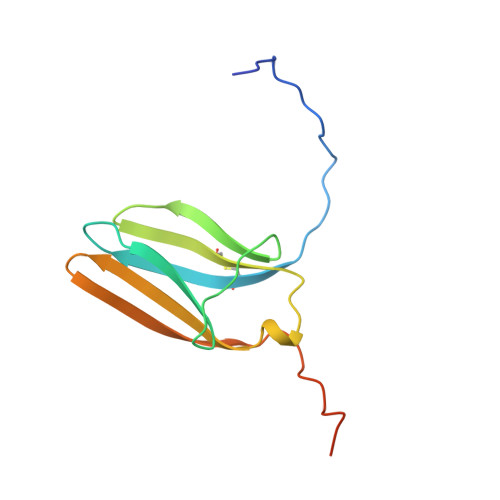 Click to view 3D structure | NT-3 growth factor receptor | Q16288 | Humans | Predicted (SEA) | - Prediction Confidence Score
- 0.434
- Applicability Domain
- 1.0
- Statistical Significance
- 0.0059
- Supporting Reference Compounds
- 529
- E-value
- 45.7753
|
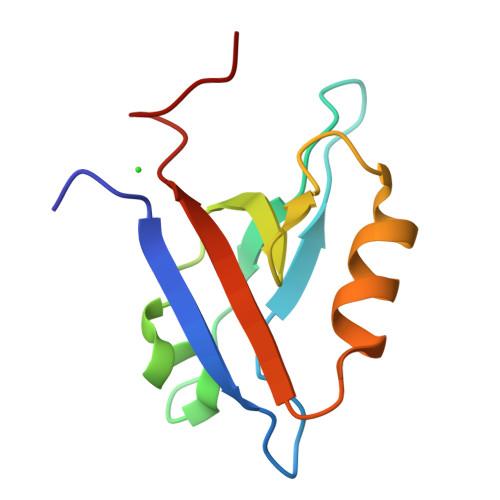 Click to view 3D structure | Platelet-derived growth factor receptor alpha | P16234 | Humans | Predicted (SEA) | - Prediction Confidence Score
- 0.425
- Applicability Domain
- 1.0
- Statistical Significance
- 0.009
- Supporting Reference Compounds
- 519
- E-value
- 69.9865
|
| Click to view 3D structure | Platelet-derived growth factor receptor beta | P09619 | Humans | Predicted (SEA) | - Prediction Confidence Score
- 0.423
- Applicability Domain
- 1.0
- Statistical Significance
- 0.012
- Supporting Reference Compounds
- 597
- E-value
- 93.1855
|
 Click to view 3D structure | Vascular endothelial growth factor receptor 1 | P17948 | Humans | Predicted (SEA) | - Prediction Confidence Score
- 0.421
- Applicability Domain
- 1.0
- Statistical Significance
- 0.0129
- Supporting Reference Compounds
- 711
- E-value
- 100.348
|
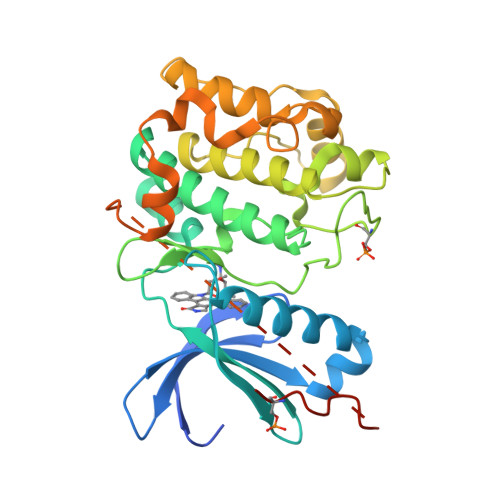 Click to view 3D structure | Protein kinase C theta type | Q04759 | Humans | Predicted (SEA) | - Prediction Confidence Score
- 0.41
- Applicability Domain
- 1.0
- Statistical Significance
- 0.0053
- Supporting Reference Compounds
- 356
- E-value
- 41.2601
|
 Click to view 3D structure | Cytochrome P450 3A4 | P08684 | Humans | Predicted (SEA) | - Prediction Confidence Score
- 0.358
- Applicability Domain
- 0.493
- Statistical Significance
- 0.0462
- Supporting Reference Compounds
- 1538
- E-value
- 359.741
|
 Click to view 3D structure | Macrophage colony-stimulating factor 1 receptor | P09581 | Mus musculus | Predicted (SEA) | - Prediction Confidence Score
- 0.358
- Applicability Domain
- 1.0
- Statistical Significance
- 8.30e-04
- Supporting Reference Compounds
- 44
- E-value
- 6.46149
|
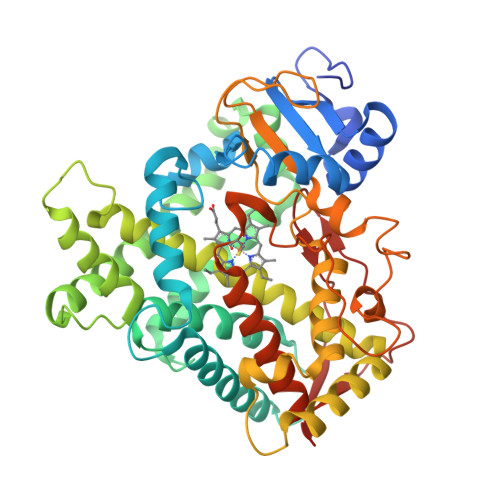 Click to view 3D structure | Cytochrome P450 2C9 | P11712 | Humans | Predicted (SEA) | - Prediction Confidence Score
- 0.355
- Applicability Domain
- 0.493
- Statistical Significance
- 0.0389
- Supporting Reference Compounds
- 1245
- E-value
- 303.223
|
 Click to view 3D structure | Cytochrome P450 2D6 | P10635 | Humans | Predicted (SEA) | - Prediction Confidence Score
- 0.352
- Applicability Domain
- 0.493
- Statistical Significance
- 0.0323
- Supporting Reference Compounds
- 1130
- E-value
- 251.375
|
 Click to view 3D structure | SRC kinase signaling inhibitor 1 | Q9C0H9 | Humans | Predicted (SEA) | - Prediction Confidence Score
- 0.346
- Applicability Domain
- 0.346
- Statistical Significance
- 6.00e-05
- Supporting Reference Compounds
- 1
- E-value
- 0.467095
|
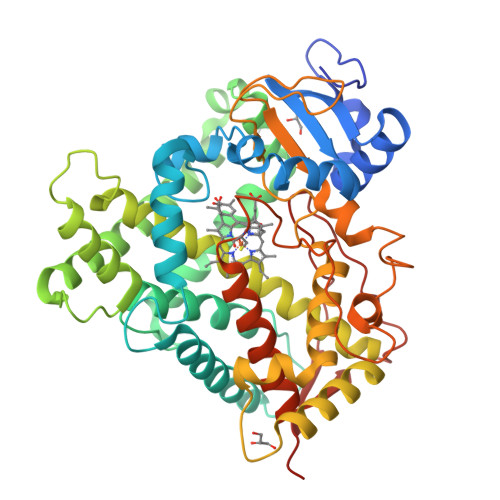 Click to view 3D structure | Cytochrome P450 2C19 | P33261 | Humans | Predicted (SEA) | - Prediction Confidence Score
- 0.346
- Applicability Domain
- 0.493
- Statistical Significance
- 0.0229
- Supporting Reference Compounds
- 825
- E-value
- 178.275
|
 Click to view 3D structure | Cytochrome P450 1A2 | P05177 | Humans | Predicted (SEA) | - Prediction Confidence Score
- 0.344
- Applicability Domain
- 0.493
- Statistical Significance
- 0.0254
- Supporting Reference Compounds
- 793
- E-value
- 197.659
|
| Click to view 3D structure | Uncharacterized protein FLJ45252 | Q6ZSR9 | Humans | Predicted (SEA) | - Prediction Confidence Score
- 0.335
- Applicability Domain
- 1.0
- Statistical Significance
- 0.0017
- Supporting Reference Compounds
- 52
- E-value
- 13.0787
|
 Click to view 3D structure | Dual specificity tyrosine-phosphorylation-regulated kinase 1A | Q13627 | Humans | Predicted (SEA) | - Prediction Confidence Score
- 0.299
- Applicability Domain
- 0.346
- Statistical Significance
- 0.1033
- Supporting Reference Compounds
- 906
- E-value
- 804.027
|
 Click to view 3D structure | Tyrosine-protein kinase JAK3 | P52333 | Humans | Predicted (SEA) | - Prediction Confidence Score
- 0.298
- Applicability Domain
- 0.346
- Statistical Significance
- 0.1235
- Supporting Reference Compounds
- 961
- E-value
- 961.594
|
 Click to view 3D structure | Glycogen synthase kinase-3 beta | P49841 | Humans | Predicted (SEA) | - Prediction Confidence Score
- 0.298
- Applicability Domain
- 0.346
- Statistical Significance
- 0.1347
- Supporting Reference Compounds
- 1157
- E-value
- 1048.47
|
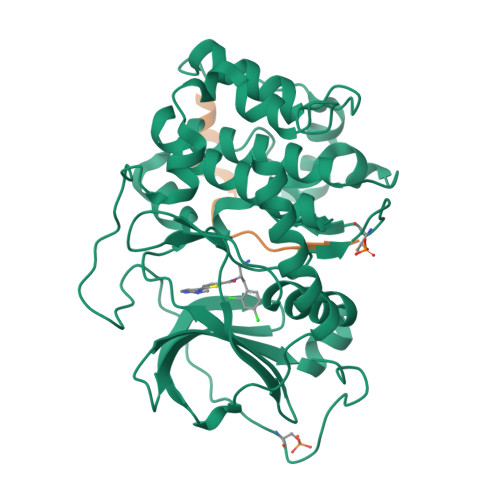 Click to view 3D structure | cAMP-dependent protein kinase catalytic subunit alpha | P17612 | Humans | Predicted (SEA) | - Prediction Confidence Score
- 0.298
- Applicability Domain
- 0.346
- Statistical Significance
- 0.0923
- Supporting Reference Compounds
- 735
- E-value
- 718.548
|

