Menaquinone (CED0003225)

Record Information
Version1.0
Creation Date2026-04-14 20:15:52 UTC
Update Date2026-08-22 11:56:05 UTC
SynCED IDCED0003225
Secondary Accession Numbers
  • CHEM133045
Identification
Common NameMenaquinone
ClassSmall Molecule
Description
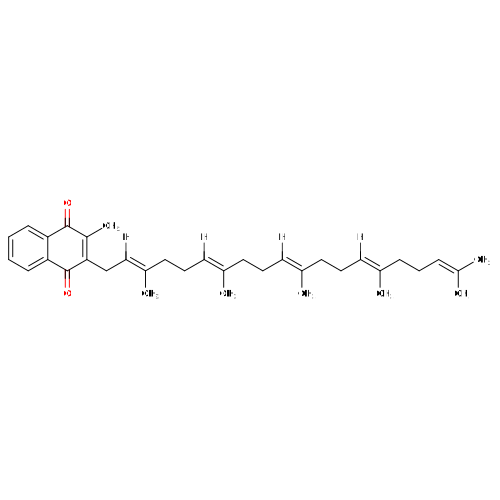
Menaquinone is an organic compound with the formula C36H48O2. Menaquinone belongs to the sesterterpenoids, a subclass of prenol lipids within the organic compounds. With an average molecular weight of 512.78 g/mol, Menaquinone is a heavy molecule. This compound is found in or released from one recorded source: food, food processing & cookware, specifically the preparation of vinegar. Regarding health effects, Menaquinone is associated with a decrease in adenoma (PMC12978465 ).
Contaminant TypeNot Available
Chemical Structure
SynonymsNot Available
Chemical FormulaC36H48O2
Average Molecular Mass512.778 g/mol
Monoisotopic Mass512.365 g/mol
CAS Registry Number1182-68-9
IUPAC NameNot Available
Traditional NameNot Available
SMILESCC(C)=CCC\C(C)=C\CC\C(C)=C\CC\C(C)=C\CC\C(C)=C\CC1=C(C)C(=O)C2=C(C=CC=C2)C1=O
InChI IdentifierInChI=1S/C36H48O2/c1-26(2)14-10-15-27(3)16-11-17-28(4)18-12-19-29(5)20-13-21-30(6)24-25-32-31(7)35(37)33-22-8-9-23-34(33)36(32)38/h8-9,14,16,18,20,22-24H,10-13,15,17,19,21,25H2,1-7H3/b27-16+,28-18+,29-20+,30-24+
InChI KeyHYPYXGZDOYTYDR-HAJWAVTHSA-N
Chemical Taxonomy
ClassificationNot classified
Biological Properties
StatusDetected and Not Quantified
OriginNot Available
Cellular LocationsNot Available
Biofluid LocationsNot Available
Tissue LocationsNot Available
ApplicationsNot Available
Biological Roles
Chemical RolesNot Available
Organoleptic EffectsNot Available
Physical Properties
StateNot Available
AppearanceNot Available
Experimental Properties
PropertyValue
Melting PointNot Available
Boiling PointNot Available
SolubilityNot Available
Predicted PropertiesNot Available
Spectra
SpectraNot Available
Toxicity Profile
Toxicity Values
Toxicity ValueOrganismDose DescriptorRoute of ExposurePredicted or ExperimentalToxicity RatingReference
3854.0 Log mg/kg [2200:6900]RatLD50oralpredictedNot AvailableNot Available
Toxicity / Toxin ClassNot Available
Mechanism of ToxicityNot Available
Carcinogenicity (IARC Classification)Not Available
Minimum Risk LevelNot Available
SymptomsNot Available
TreatmentNot Available
Health Effects
Health EffectRelationshipDirectionDescriptionReference
AdenomaAssociated With?decreaseNot AvailablePMC12978465
Exposure Sources
Source IDSourceSectorReference
CEDs000013Soil?Soil serves as a critical medium for plant growth and sustains various ecological functions; however, it can become a reservoir for synthetic chemical contamination.Agriculture & land managementPMC11599568 , PMC11599568
CEDs000511Conductors Or Conductive Bodies Characterised By The Conductive Materials?Conductors, or conductive bodies, are materials that allow the flow of electrical current, typically made from metals such as copper, aluminum, or silver.Electrical & Electronic EquipmentPubChem
CEDs000519Electrodes?Electrodes, used in various electrical and electronic applications, can be a source of synthetic chemical contamination due to the materials from which they are constructed and the processes involved in their manufacturing.Electrical & Electronic EquipmentPubChem
CEDs000545Food Preservation?Food preservation often involves the use of synthetic chemicals, such as preservatives, flavor enhancers, and color additives, to extend shelf life and enhance the sensory qualities of food products.Food, food processing & cookwarePubChem
CEDs000548Preparation Of Vinegar?Vinegar is produced through the fermentation of ethanol by acetic acid bacteria, resulting in a solution that typically contains 4-8% acetic acid.Food, food processing & cookwarePubChem
CEDs000561Perfumes Within Detergents And Soaps?Perfumes within detergents and soaps are synthetic fragrance compounds added to enhance the sensory experience of cleaning products.Household cleaning & consumer productsPubChem
CEDs000563Soap Detergents?Soap detergents are synthetic surfactants designed to enhance the cleaning efficacy of water by reducing surface tension, allowing for better interaction with dirt and grease.Household cleaning & consumer productsPubChem
CEDs000569Tobacco Smoke Filters?Tobacco smoke filters are designed to reduce the inhalation of harmful substances in cigarette smoke, including tar and other particulate matter.Household cleaning & consumer productsPubChem
CEDs000580Manufacture Preparation Of Tobacco Products?The manufacture and preparation of tobacco products involve various processes that can result in the introduction of synthetic chemicals into the environment.Industrial manufacturing & chemical processingPubChem
CEDs000603Nematocides?Nematocides are synthetic chemicals specifically designed to control nematodes, which are microscopic roundworms that can cause significant damage to crops and plants.Agriculture & land managementPubChem
CEDs000606Plant Growth Regulators?Plant Growth Regulators (PGRs) are synthetic chemicals designed to influence the growth and development of plants.Agriculture & land managementPubChem
CEDs000609Aftershave?Aftershave is a grooming product typically used to soothe and protect the skin following shaving.Personal care & cosmeticsPubChem
CEDs000610Aftersun Products?Aftersun products are designed to soothe and hydrate the skin after sun exposure, often containing various synthetic chemicals such as emollients, preservatives, and fragrances.Personal care & cosmeticsPubChem
CEDs000611Anti Perspirants Or Body Deoderants?Antiperspirants and body deodorants commonly contain synthetic chemicals such as aluminum compounds, parabens, and synthetic fragrances.Personal care & cosmeticsPubChem
CEDs000613Depilatories?Depilatories are products designed to remove unwanted hair through the application of synthetic chemicals that break down the protein structure of hair, facilitating its removal.Personal care & cosmeticsPubChem
CEDs000614Essential Oils Or Perfumes?Essential oils and perfumes are complex mixtures of volatile compounds derived from natural or synthetic sources, commonly used for their aromatic properties.Personal care & cosmeticsPubChem
CEDs000615Eye Makeup Products?Eye makeup products, including mascaras, eyeliners, and eyeshadows, often contain a variety of synthetic chemicals such as pigments, preservatives, and film-forming agents.Personal care & cosmeticsPubChem
CEDs000617Lip Care Products?Lip care products, including lipsticks, balms, and glosses, often contain a variety of synthetic chemicals such as parabens, phthalates, and synthetic fragrances.Personal care & cosmeticsPubChem
CEDs000618Lip Makeup Products?Lip makeup products, such as lipsticks, lip glosses, and lip liners, often contain a variety of synthetic chemicals, including pigments, preservatives, and emollients.Personal care & cosmeticsPubChem
CEDs000632Apparel?Apparel production often involves the use of various synthetic chemicals, including dyes, finishing agents, and preservatives.Textiles, leather & furnishingsPubChem
CEDs000679Phosphatic Fertilisers?Phosphatic fertilizers are synthetic chemical products primarily composed of phosphorus, which is essential for plant growth.Agriculture & land managementPubChem
CEDs000696Nanotechnology?Nanotechnology involves the manipulation of materials at the molecular or atomic level, typically within the range of 1 to 100 nanometers.Industrial manufacturing & chemical processingPubChem
CEDs000738Cooling Circuit Water?Cooling circuit water is utilized in various industrial processes to absorb and dissipate heat generated during operations.Industrial manufacturing & chemical processingPubChem
CEDs000739Inks?Inks are complex mixtures composed of pigments or dyes, solvents, resins, and additives used primarily for printing and writing applications.Paper, pulp & fiber productsPubChem
CEDs000740Paper?Paper production involves the processing of wood fibers and the use of various chemicals, which can lead to synthetic chemical contamination.Paper, pulp & fiber productsPubChem
CEDs000743Sludge Treatment?Sludge treatment involves the processing of waste materials generated from wastewater treatment plants, which often contain a variety of organic and inorganic substances.Wastewater, sanitation & biosolidsPubChem
CEDs000744Water, Wastewater, & Sewage Treatment?Water, wastewater, and sewage treatment processes are critical for managing and mitigating pollutants in water systems.Wastewater, sanitation & biosolidsPubChem
CEDs01175CheesesFood, food processing & cookwarePMC12603379
CEDs01269Fermented FoodsFood, food processing & cookwarePMC12603379
CEDs02255WaterAquatic systems & sedimentsPMC9034153
Pathways
0 pathwaysPathway Source: PathBank

No pathways found

No metabolic pathways have been associated with this synthetic chemical

Targets
StructureProteinUniProt IDOrganismRelationshipDetails
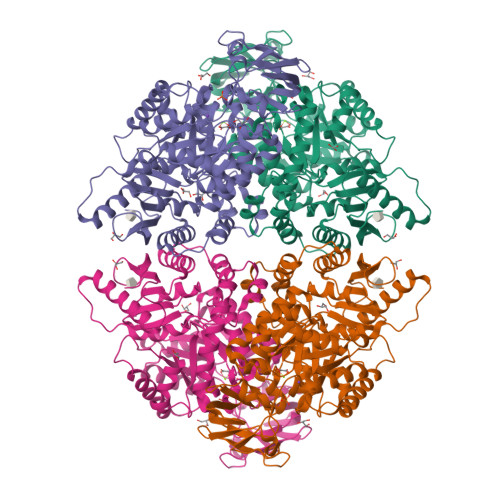
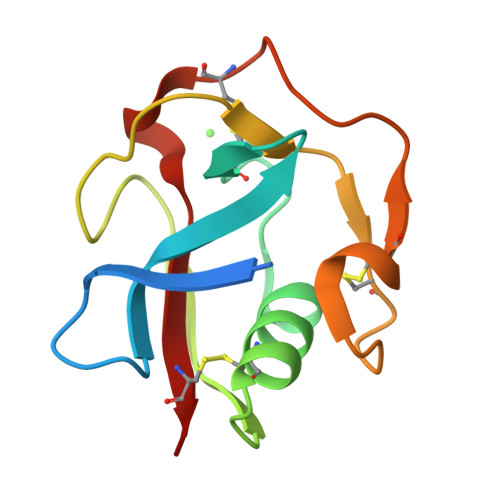
Click to view 3D structureProtein-S-isoprenylcysteine O-methyltransferaseQ9WVM4Rattus norvegicusPredicted (SEA)
Prediction Confidence Score
0.392
Applicability Domain
0.415
Statistical Significance
1.00e-05
Supporting Reference Compounds
2
E-value
0.0778492
Click to view 3D structureProtein-S-isoprenylcysteine O-methyltransferaseP32584Saccharomyces cerevisiae S288cPredicted (SEA)
Prediction Confidence Score
0.375
Applicability Domain
0.375
Statistical Significance
6.00e-05
Supporting Reference Compounds
1
E-value
0.467095
Click to view 3D structureTransient receptor potential cation channel subfamily A member 1Q6RI86Rattus norvegicusPredicted (SEA)
Prediction Confidence Score
0.359
Applicability Domain
0.429
Statistical Significance
6.10e-04
Supporting Reference Compounds
56
E-value
4.7488
Click to view 3D structureTransient receptor potential cation channel subfamily M member 8Q8R455Rattus norvegicusPredicted (SEA)
Prediction Confidence Score
0.359
Applicability Domain
0.429
Statistical Significance
3.10e-04
Supporting Reference Compounds
23
E-value
2.41333
Click to view 3D structureInhibin alpha chainP05111HumansPredicted (SEA)
Prediction Confidence Score
0.345
Applicability Domain
0.345
Statistical Significance
8.00e-05
Supporting Reference Compounds
1
E-value
0.622794
Click to view 3D structureSqualene epoxidaseA7L861Sus scrofaPredicted (SEA)
Prediction Confidence Score
0.336
Applicability Domain
0.364
Statistical Significance
1.00e-04
Supporting Reference Compounds
2
E-value
0.778492
Tyrosine-protein phosphatase non-receptor type 1 structureClick to view 3D structureTyrosine-protein phosphatase non-receptor type 1P18031HumansPredicted (SEA)
Prediction Confidence Score
0.332
Applicability Domain
0.4
Statistical Significance
0.0048
Supporting Reference Compounds
197
E-value
37.4455
Click to view 3D structureProtein farnesyltransferase/geranylgeranyltransferase type-1 subunit alphaP29703Saccharomyces cerevisiae S288cPredicted (SEA)
Prediction Confidence Score
0.324
Applicability Domain
0.324
Statistical Significance
3.00e-05
Supporting Reference Compounds
1
E-value
0.233548
Pyruvate kinase PKM structureClick to view 3D structurePyruvate kinase PKMP14618HumansPredicted (SEA)
Prediction Confidence Score
0.316
Applicability Domain
0.535
Statistical Significance
0.0013
Supporting Reference Compounds
29
E-value
10.1204
Macrophage scavenger receptor types I and II structureClick to view 3D structureMacrophage scavenger receptor types I and IIP21757HumansPredicted (SEA)
Prediction Confidence Score
0.315
Applicability Domain
0.315
Statistical Significance
3.00e-05
Supporting Reference Compounds
1
E-value
0.233548
Cytochrome P450 2B4 structureClick to view 3D structureCytochrome P450 2B4P00178Oryctolagus cuniculusPredicted (SEA)
Prediction Confidence Score
0.313
Applicability Domain
0.313
Statistical Significance
1.40e-04
Supporting Reference Compounds
1
E-value
1.08989
Protein RecA structureClick to view 3D structureProtein RecAP9WHJ3Mycobacterium tuberculosisPredicted (SEA)
Prediction Confidence Score
0.31
Applicability Domain
0.46
Statistical Significance
0.0075
Supporting Reference Compounds
296
E-value
58.7762
Click to view 3D structureSqualene synthase ERG9P29704Saccharomyces cerevisiae (strain ATCC 204508 / S288c) (Baker's yeast)Predicted (SEA)
Prediction Confidence Score
0.309
Applicability Domain
0.309
Statistical Significance
1.00e-04
Supporting Reference Compounds
1
E-value
0.778492
Apoptotic protease-activating factor 1 structureClick to view 3D structureApoptotic protease-activating factor 1O14727HumansPredicted (SEA)
Prediction Confidence Score
0.303
Applicability Domain
0.46
Statistical Significance
0.0017
Supporting Reference Compounds
112
E-value
13.3122
Beta-secretase 1 structureClick to view 3D structureBeta-secretase 1P56817HumansPredicted (SEA)
Prediction Confidence Score
0.296
Applicability Domain
0.4
Statistical Significance
0.0192
Supporting Reference Compounds
163
E-value
149.704
Polyunsaturated fatty acid 5-lipoxygenase structureClick to view 3D structurePolyunsaturated fatty acid 5-lipoxygenaseP09917HumansPredicted (SEA)
Prediction Confidence Score
0.293
Applicability Domain
0.377
Statistical Significance
0.0148
Supporting Reference Compounds
182
E-value
115.606
Click to view 3D structureSentrin-specific protease 6Q9GZR1HumansPredicted (SEA)
Prediction Confidence Score
0.289
Applicability Domain
0.46
Statistical Significance
0.0048
Supporting Reference Compounds
93
E-value
37.4455
Sentrin-specific protease 7 structureClick to view 3D structureSentrin-specific protease 7Q9BQF6HumansPredicted (SEA)
Prediction Confidence Score
0.289
Applicability Domain
0.46
Statistical Significance
0.0168
Supporting Reference Compounds
118
E-value
130.942
Replicase polyprotein 1ab structureClick to view 3D structureReplicase polyprotein 1abP0DTD1SARS-CoV-2Predicted (SEA)
Prediction Confidence Score
0.287
Applicability Domain
0.313
Statistical Significance
0.0214
Supporting Reference Compounds
215
E-value
166.442
Sentrin-specific protease 8 structureClick to view 3D structureSentrin-specific protease 8Q96LD8HumansPredicted (SEA)
Prediction Confidence Score
0.287
Applicability Domain
0.46
Statistical Significance
0.0037
Supporting Reference Compounds
104
E-value
29.1935
Dihydroorotate dehydrogenase (quinone), mitochondrial structureClick to view 3D structureDihydroorotate dehydrogenase (quinone), mitochondrialQ02127HumansPredicted (SEA)
Prediction Confidence Score
0.284
Applicability Domain
0.535
Statistical Significance
0.0019
Supporting Reference Compounds
33
E-value
15.1806
Transient receptor potential cation channel subfamily V member 1 structureClick to view 3D structureTransient receptor potential cation channel subfamily V member 1Q8NER1HumansPredicted (SEA)
Prediction Confidence Score
0.283
Applicability Domain
0.364
Statistical Significance
0.0151
Supporting Reference Compounds
104
E-value
117.319
Peroxisome proliferator-activated receptor gamma structureClick to view 3D structurePeroxisome proliferator-activated receptor gammaP37231HumansPredicted (SEA)
Prediction Confidence Score
0.279
Applicability Domain
0.429
Statistical Significance
0.0346
Supporting Reference Compounds
192
E-value
269.67
Click to view 3D structureLanosterol synthaseQ04782YeastPredicted (SEA)
Prediction Confidence Score
0.279
Applicability Domain
0.279 Low confidence
Statistical Significance
9.00e-05
Supporting Reference Compounds
1
E-value
0.700643
Receptor-type tyrosine-protein phosphatase C structureClick to view 3D structureReceptor-type tyrosine-protein phosphatase CP08575HumansPredicted (SEA)
Prediction Confidence Score
0.278
Applicability Domain
0.319
Statistical Significance
0.0016
Supporting Reference Compounds
45
E-value
12.378
Concentrations
Not Available
External Links
IdentifiersNot Available
References
Synthesis ReferenceNot Available
MSDSNot Available
General ReferencesNot Available