Phorbol 12-myristate 13-acetate diester (CED0002540)

Record Information
Version1.0
Creation Date2026-04-14 21:11:31 UTC
Update Date2026-08-22 11:58:08 UTC
SynCED IDCED0002540
Secondary Accession Numbers
  • CHEM134378
Identification
Common NamePhorbol 12-myristate 13-acetate diester
ClassSmall Molecule
Description
Phorbol 12-myristate 13-acetate diester belongs to the diterpenoids, a subclass of prenol lipids within the organic compounds. With an average molecular weight of 616.84 g/mol, Phorbol 12-myristate 13-acetate diester is a heavy molecule. Its chemical formula is C36H56O8. This compound is found in or released from ten recorded sources. These include food, food processing, and cookware, specifically the processing of fish and the preparation of wine or sparkling wine. Additionally, it is associated with electrical and electronic equipment, including magnets, antennas, amplifiers, colour television systems, and line transmission systems, among three other sources. In biological systems, Phorbol 12-myristate 13-acetate diester interacts with four recorded protein targets. It acts as an activator or inhibitor of the transient receptor potential cation channel subfamily V member 4 (TRPV4). Furthermore, it targets several potassium channels, specifically the G protein-activated inward rectifier potassium channel 4 (KCNJ5), potassium channel subfamily T member 1 (KCNT1), and potassium channel subfamily T member 2 (KCNT2).
Contaminant TypeNot Available
Chemical Structure
SynonymsNot Available
Chemical FormulaC36H56O8
Average Molecular Mass616.836 g/mol
Monoisotopic Mass616.398 g/mol
CAS Registry Number16561-29-8
IUPAC NameNot Available
Traditional NameNot Available
SMILES[H][C@]12[C@]3([H])C=C(CO)C[C@]4(O)C(=O)C(C)=C[C@@]4([H])[C@@]3(O)[C@H](C)[C@@H](OC(=O)CCCCCCCCCCCCC)[C@@]1(OC(C)=O)C2(C)C
InChI IdentifierInChI=1S/C36H56O8/c1-7-8-9-10-11-12-13-14-15-16-17-18-29(39)43-32-24(3)35(42)27(30-33(5,6)36(30,32)44-25(4)38)20-26(22-37)21-34(41)28(35)19-23(2)31(34)40/h19-20,24,27-28,30,32,37,41-42H,7-18,21-22H2,1-6H3/t24-,27+,28-,30-,32-,34-,35-,36-/m1/s1
InChI KeyPHEDXBVPIONUQT-RGYGYFBISA-N
Chemical Taxonomy
ClassificationNot classified
Biological Properties
StatusDetected and Not Quantified
OriginNot Available
Cellular LocationsNot Available
Biofluid LocationsNot Available
Tissue LocationsNot Available
ApplicationsNot Available
Biological Roles
Chemical RolesNot Available
Organoleptic Effects
  • white colour ?
  • rubbery touch ?
Physical Properties
StateNot Available
AppearanceNot Available
Experimental Properties
PropertyValue
Melting PointNot Available
Boiling PointNot Available
SolubilityNot Available
Predicted PropertiesNot Available
Spectra
SpectraNot Available
Toxicity Profile
Toxicity Values
Toxicity ValueOrganismDose DescriptorRoute of ExposurePredicted or ExperimentalToxicity RatingReference
650.0 Log mg/kg [370:1200]RatLD50oralpredictedNot AvailableNot Available
Toxicity / Toxin ClassNot Available
Mechanism of ToxicityNot Available
Carcinogenicity (IARC Classification)Not Available
Minimum Risk LevelNot Available
SymptomsNot Available
TreatmentNot Available
Health Effects
Health EffectRelationshipDirectionDescriptionReference
cancerAssociated With?Not AvailableCancer is a group of diseases involving abnormal cell growth with the potential to invade or spread to other parts of the body. Possible signs and symptoms include a lump, abnormal bleeding, prolonged cough, unexplained weight loss, and a change in bowel movements. There are over 100 types of cancers affect humans. The risk of developing certain cancers can be reduced by not smoking, maintaining a healthy weight, not drinking too much alcohol, eating plenty of vegetables, fruits and whole grains, vaccination against certain infectious diseases, not eating too much processed and red meat and avoiding too much sunlight exposure. Cancer is often treated with some combination of radiation therapy, surgery, chemotherapy and targeted therapy. The majority of cancers, some 90–95% of cases, are due to genetic mutations from environmental and lifestyle factors. The remaining 5–10% are due to inherited genetics.PMC8396440
edemaAssociated With?increaseA disorder characterized by swelling due to an excessive accumulation of fluid (NCI CTCAE)PMC6271645
edemaAssociated With?Not AvailableA disorder characterized by swelling due to an excessive accumulation of fluid (NCI CTCAE)PMC6271645
dermatitisAssociated With?Not AvailableNot AvailablePMC4816995
Cell DeathAssociated With?Not AvailableNot AvailablePMC12979112
Oxidative StressAssociated With?Not AvailableNot AvailablePMC4608598
infectious diseaseAssociated With?Not AvailableNot AvailablePMC12255023
thrombotic diseaseAssociated With?Not AvailableNot AvailablePMC12255023
skin neoplasmAssociated With?Not AvailableNot AvailablePMC4457504
Exposure Sources
Source IDSourceSectorReference
CEDs000014Compost?Compost, while primarily used as an organic soil amendment to enhance fertility and improve soil structure, can become a source of synthetic chemical contamination.Agriculture & land managementPMC13171638
CEDs000468Industrial wastewater?Industrial wastewater is a byproduct generated during various manufacturing and processing activities, which often contains a complex mixture of organic and inorganic synthetic chemicals.Wastewater, sanitation & biosolidsPMC11938130
CEDs000505Amplifiers?Amplifiers, commonly used in various electronic devices to enhance signal strength, can be a source of synthetic chemical contamination due to the materials and processes involved in their production and disposal.Electrical & Electronic EquipmentPubChem
CEDs000506Antennas?Antennas, commonly used in communication technologies, can be a source of synthetic chemical contamination through the materials and coatings used in their construction.Electrical & Electronic EquipmentPubChem
CEDs000509Colour Television Systems?Colour television systems contain various synthetic chemicals that can lead to environmental contamination.Electrical & Electronic EquipmentPubChem
CEDs000525Line Transmission Systems?Line Transmission Systems, commonly used for the distribution of electrical energy, can be a source of synthetic chemical contamination through the insulation materials and coatings utilized in their construction.Electrical & Electronic EquipmentPubChem
CEDs000527Magnets?Magnets, commonly used in various electrical and electronic applications, can be a source of synthetic chemical contamination due to the materials used in their production.Electrical & Electronic EquipmentPubChem
CEDs000530Radio Transmission Systems?Radio transmission systems utilize a variety of synthetic chemicals in their manufacturing and maintenance processes.Electrical & Electronic EquipmentPubChem
CEDs000537Television Systems?Television systems can be a source of synthetic chemical contamination due to the various materials and components used in their manufacture and operation.Electrical & Electronic EquipmentPubChem
CEDs000539Video Games?Video games, through their production and disposal processes, can be a source of synthetic chemical contamination.Electrical & Electronic EquipmentPubChem
CEDs000545Food Preservation?Food preservation often involves the use of synthetic chemicals, such as preservatives, flavor enhancers, and color additives, to extend shelf life and enhance the sensory qualities of food products.Food, food processing & cookwarePubChem
CEDs000549Preparation Of Wine Or Sparkling Wine?The preparation of wine or sparkling wine involves various stages, including fermentation, aging, and bottling, which can introduce potential sources of synthetic chemical contamination.Food, food processing & cookwarePubChem
CEDs000551Processing Fish?Processing fish can lead to synthetic chemical contamination through various stages of production and preservation.Food, food processing & cookwarePubChem
CEDs000561Perfumes Within Detergents And Soaps?Perfumes within detergents and soaps are synthetic fragrance compounds added to enhance the sensory experience of cleaning products.Household cleaning & consumer productsPubChem
CEDs000563Soap Detergents?Soap detergents are synthetic surfactants designed to enhance the cleaning efficacy of water by reducing surface tension, allowing for better interaction with dirt and grease.Household cleaning & consumer productsPubChem
CEDs000580Manufacture Preparation Of Tobacco Products?The manufacture and preparation of tobacco products involve various processes that can result in the introduction of synthetic chemicals into the environment.Industrial manufacturing & chemical processingPubChem
CEDs000581Paper Making Machines?Paper making machines utilize various synthetic chemicals throughout the production process, including additives, coatings, and bleaching agents.Industrial manufacturing & chemical processingPubChem
CEDs000603Nematocides?Nematocides are synthetic chemicals specifically designed to control nematodes, which are microscopic roundworms that can cause significant damage to crops and plants.Agriculture & land managementPubChem
CEDs000609Aftershave?Aftershave is a grooming product typically used to soothe and protect the skin following shaving.Personal care & cosmeticsPubChem
CEDs000610Aftersun Products?Aftersun products are designed to soothe and hydrate the skin after sun exposure, often containing various synthetic chemicals such as emollients, preservatives, and fragrances.Personal care & cosmeticsPubChem
CEDs000611Anti Perspirants Or Body Deoderants?Antiperspirants and body deodorants commonly contain synthetic chemicals such as aluminum compounds, parabens, and synthetic fragrances.Personal care & cosmeticsPubChem
CEDs000613Depilatories?Depilatories are products designed to remove unwanted hair through the application of synthetic chemicals that break down the protein structure of hair, facilitating its removal.Personal care & cosmeticsPubChem
CEDs000614Essential Oils Or Perfumes?Essential oils and perfumes are complex mixtures of volatile compounds derived from natural or synthetic sources, commonly used for their aromatic properties.Personal care & cosmeticsPubChem
CEDs000615Eye Makeup Products?Eye makeup products, including mascaras, eyeliners, and eyeshadows, often contain a variety of synthetic chemicals such as pigments, preservatives, and film-forming agents.Personal care & cosmeticsPubChem
CEDs000617Lip Care Products?Lip care products, including lipsticks, balms, and glosses, often contain a variety of synthetic chemicals such as parabens, phthalates, and synthetic fragrances.Personal care & cosmeticsPubChem
CEDs000618Lip Makeup Products?Lip makeup products, such as lipsticks, lip glosses, and lip liners, often contain a variety of synthetic chemicals, including pigments, preservatives, and emollients.Personal care & cosmeticsPubChem
CEDs000632Apparel?Apparel production often involves the use of various synthetic chemicals, including dyes, finishing agents, and preservatives.Textiles, leather & furnishingsPubChem
CEDs000650Purses Luggage Hand Bags?Purses, luggage, and handbags are often manufactured using synthetic materials such as polyvinyl chloride (PVC), polyurethane, and various types of nylon.Textiles, leather & furnishingsPubChem
CEDs000652Ropes?Ropes manufactured from synthetic fibers, such as polypropylene, nylon, and polyester, are widely used in various applications, including marine, construction, and outdoor activities.Textiles, leather & furnishingsPubChem
CEDs000662Yarns Or Threads?Yarns or threads used in textiles can be a source of synthetic chemical contamination due to the production processes and treatments they undergo.Textiles, leather & furnishingsPubChem
CEDs000685Ceramics?Ceramics can be a source of synthetic chemical contamination through various additives and processing agents used in their production.Building & ConstructionPubChem
CEDs000693Silica Glass?Silica glass, primarily composed of silicon dioxide (SiO2), is widely used in various applications, including windows, glass facades, and insulation materials.Building & ConstructionPubChem
CEDs000696Nanotechnology?Nanotechnology involves the manipulation of materials at the molecular or atomic level, typically within the range of 1 to 100 nanometers.Industrial manufacturing & chemical processingPubChem
CEDs000699Mining Or Quarrying?Mining and quarrying operations can lead to synthetic chemical contamination through the release of various pollutants associated with the extraction and processing of minerals.Mining & metal processingPubChem
CEDs000727Printing Machines Or Presses?Printing machines or presses commonly utilize synthetic chemicals such as inks, solvents, and cleaning agents.Paper, pulp & fiber productsPubChem
CEDs000732Spectacle Cases?Spectacle cases can serve as a source of synthetic chemical contamination due to the materials used in their production, such as polycarbonate, PVC, and various plastics, which may leach harmful substances over time.Healthcare, pharmaceuticals & veterinary productsPubChem
CEDs000739Inks?Inks are complex mixtures composed of pigments or dyes, solvents, resins, and additives used primarily for printing and writing applications.Paper, pulp & fiber productsPubChem
CEDs000740Paper?Paper production involves the processing of wood fibers and the use of various chemicals, which can lead to synthetic chemical contamination.Paper, pulp & fiber productsPubChem
CEDs000741Pigment Pastes?Pigment pastes are concentrated dispersions of pigments used to impart color and properties to materials.Paper, pulp & fiber productsPubChem
CEDs000742Leather Tanning?Leather tanning is a process that transforms raw animal hides into durable leather through the application of various chemicals, including chromium salts, aldehydes, and vegetable tannins.Textiles, leather & furnishingsPubChem
CEDs000744Water, Wastewater, & Sewage Treatment?Water, wastewater, and sewage treatment processes are critical for managing and mitigating pollutants in water systems.Wastewater, sanitation & biosolidsPubChem
CEDs01148MilkFood, food processing & cookwarePMC4921084
CEDs01386Pet FoodFood, food processing & cookwarePMC13292772
CEDs01402Cheese WheyFood, food processing & cookwarePMC11286673
CEDs01529Sugarcane JuiceFood, food processing & cookwarePMC11286673
CEDs02108Plastic WastesWaste management, landfill & incinerationPMC10344914
CEDs02743Asphalt MixturesBuilding & ConstructionPMC10532884
CEDs02959PetroleumEnergy, oil & gasPMC13171638
Pathways
0 pathwaysPathway Source: PathBank

No pathways found

No metabolic pathways have been associated with this synthetic chemical

Targets
StructureProteinUniProt IDOrganismRelationshipDetails
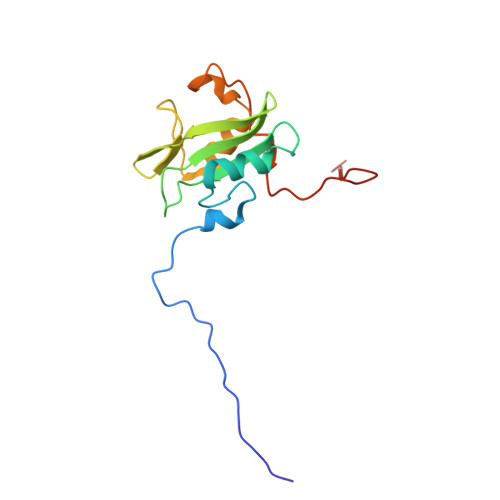
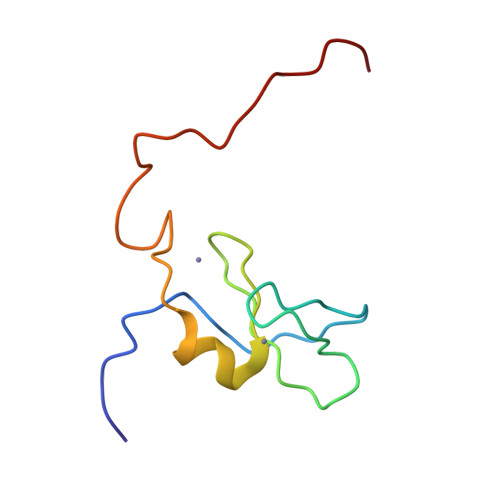
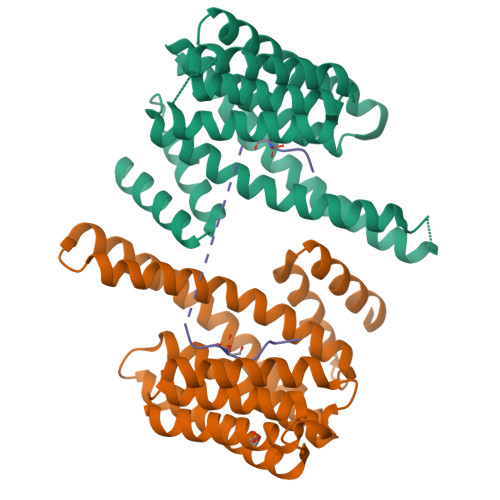
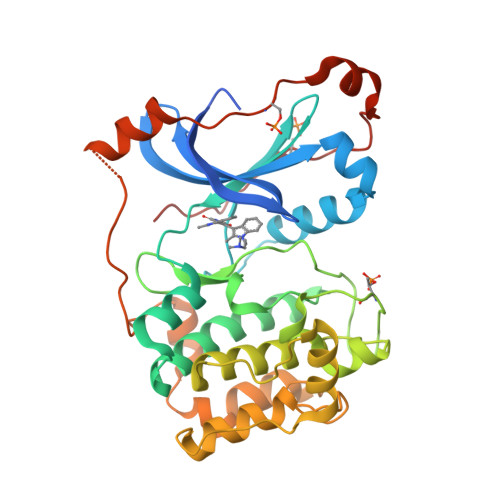
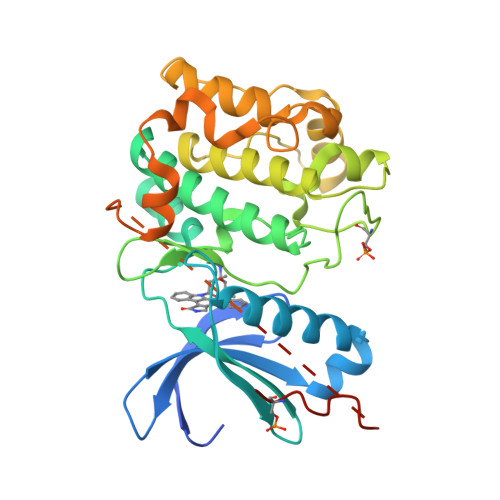
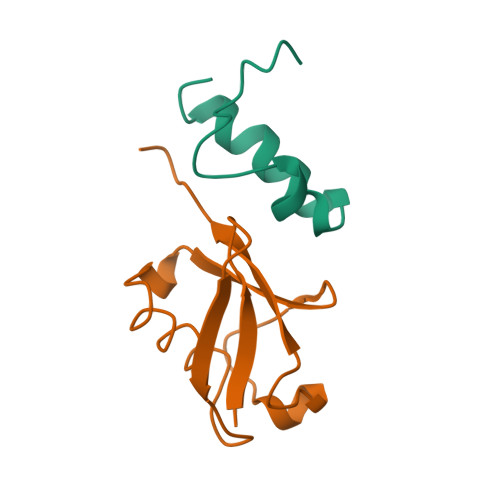
Click to view 3D structureProtein unc-13 homolog BO14795HumansKnownNot Available
Proto-oncogene vav structureClick to view 3D structureProto-oncogene vavP15498HumansPredicted (SEA)
Prediction Confidence Score
0.8
Applicability Domain
0.8
Statistical Significance
1.00e-05
Supporting Reference Compounds
1
E-value
0.0778492
Protein kinase C gamma type structureClick to view 3D structureProtein kinase C gamma typeP05129HumansPredicted (SEA)
Prediction Confidence Score
0.601
Applicability Domain
1.0
Statistical Significance
6.30e-04
Supporting Reference Compounds
552
E-value
4.9045
Protein kinase C alpha type structureClick to view 3D structureProtein kinase C alpha typeP17252HumansPredicted (SEA)
Prediction Confidence Score
0.511
Applicability Domain
1.0
Statistical Significance
0.0011
Supporting Reference Compounds
258
E-value
8.40772
Protein kinase C epsilon type structureClick to view 3D structureProtein kinase C epsilon typeQ02156HumansPredicted (SEA)
Prediction Confidence Score
0.492
Applicability Domain
1.0
Statistical Significance
0.0011
Supporting Reference Compounds
189
E-value
8.64126
Protein kinase C delta type structureClick to view 3D structureProtein kinase C delta typeQ05655HumansPredicted (SEA)
Prediction Confidence Score
0.483
Applicability Domain
1.0
Statistical Significance
0.0033
Supporting Reference Compounds
681
E-value
25.4567
Protein kinase C beta type structureClick to view 3D structureProtein kinase C beta typeP05771HumansPredicted (SEA)
Prediction Confidence Score
0.472
Applicability Domain
1.0
Statistical Significance
7.80e-04
Supporting Reference Compounds
175
E-value
6.07224
Protein kinase C theta type structureClick to view 3D structureProtein kinase C theta typeQ04759HumansPredicted (SEA)
Prediction Confidence Score
0.468
Applicability Domain
1.0
Statistical Significance
0.0021
Supporting Reference Compounds
356
E-value
16.0369
Click to view 3D structureProtein kinase C alpha typeP04409Bos taurusPredicted (SEA)
Prediction Confidence Score
0.379
Applicability Domain
0.8
Statistical Significance
3.00e-05
Supporting Reference Compounds
8
E-value
0.233548
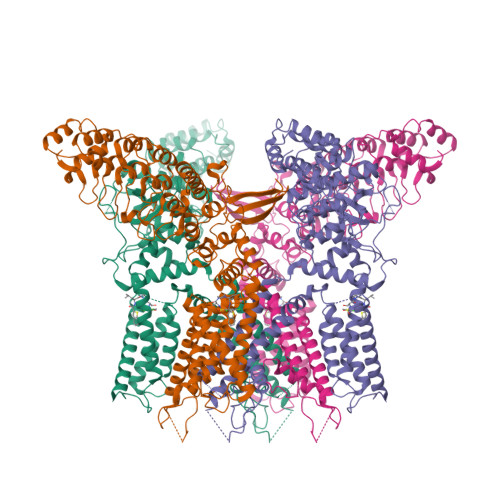
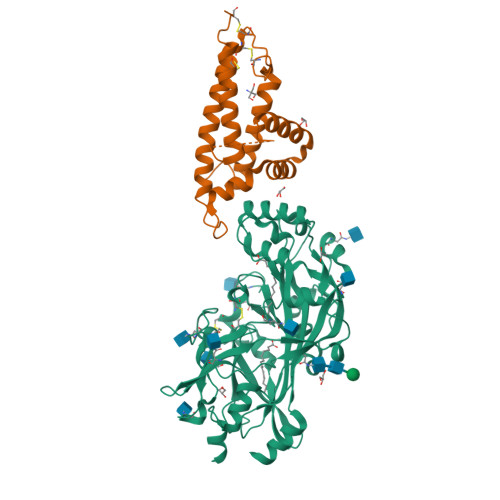
Transient receptor potential cation channel subfamily V member 4 structureClick to view 3D structureTransient receptor potential cation channel subfamily V member 4Q9EPK8Mus musculusPredicted (SEA)
Prediction Confidence Score
0.348
Applicability Domain
0.912
Statistical Significance
1.00e-05
Supporting Reference Compounds
3
E-value
0.0778492
Click to view 3D structureProtein kinase C eta typeP23298Mus musculusPredicted (SEA)
Prediction Confidence Score
0.332
Applicability Domain
0.8
Statistical Significance
2.00e-05
Supporting Reference Compounds
3
E-value
0.155698
Click to view 3D structureRas guanyl-releasing protein 3Q8IV61HumansPredicted (SEA)
Prediction Confidence Score
0.31
Applicability Domain
1.0
Statistical Significance
5.20e-04
Supporting Reference Compounds
9
E-value
4.04816
Luciferin 4-monooxygenase structureClick to view 3D structureLuciferin 4-monooxygenaseP08659Photinus pyralisPredicted (SEA)
Prediction Confidence Score
0.309
Applicability Domain
1.0
Statistical Significance
0.0074
Supporting Reference Compounds
114
E-value
57.842
Protein kinase C delta type structureClick to view 3D structureProtein kinase C delta typeP28867Mus musculusPredicted (SEA)
Prediction Confidence Score
0.284
Applicability Domain
0.8
Statistical Significance
6.10e-04
Supporting Reference Compounds
12
E-value
4.7488
Protein kinase C eta type structureClick to view 3D structureProtein kinase C eta typeP24723HumansPredicted (SEA)
Prediction Confidence Score
0.276
Applicability Domain
0.8
Statistical Significance
0.0281
Supporting Reference Compounds
145
E-value
219.146
Click to view 3D structureSarcoplasmic/endoplasmic reticulum calcium ATPase 1O14983HumansPredicted (SEA)
Prediction Confidence Score
0.256
Applicability Domain
0.313
Statistical Significance
5.00e-05
Supporting Reference Compounds
3
E-value
0.389246
DNA-directed DNA/RNA polymerase mu structureClick to view 3D structureDNA-directed DNA/RNA polymerase muQ9NP87HumansPredicted (SEA)
Prediction Confidence Score
0.253
Applicability Domain
0.253 Low confidence
Statistical Significance
0.0027
Supporting Reference Compounds
1
E-value
20.9414
Click to view 3D structureDNA nucleotidylexotransferaseP06526Bos taurusPredicted (SEA)
Prediction Confidence Score
0.253
Applicability Domain
0.253 Low confidence
Statistical Significance
0.0027
Supporting Reference Compounds
1
E-value
20.9414
Protein kinase C gamma type structureClick to view 3D structureProtein kinase C gamma typeP63319Rattus norvegicusPredicted (SEA)
Prediction Confidence Score
0.247
Applicability Domain
0.8
Statistical Significance
0.0018
Supporting Reference Compounds
13
E-value
14.2464
DNA polymerase iota structureClick to view 3D structureDNA polymerase iotaQ6R3M4Mus musculusPredicted (SEA)
Prediction Confidence Score
0.244
Applicability Domain
0.253 Low confidence
Statistical Significance
0.0031
Supporting Reference Compounds
2
E-value
23.9776
Platelet glycoprotein 4 structureClick to view 3D structurePlatelet glycoprotein 4P16671HumansPredicted (SEA)
Prediction Confidence Score
0.22
Applicability Domain
0.22 Low confidence
Statistical Significance
0.0024
Supporting Reference Compounds
1
E-value
18.4503
Transcriptional activator protein LasR structureClick to view 3D structureTranscriptional activator protein LasRP25084Pseudomonas aeruginosa (strain ATCC 15692 / PAO1 / 1C / PRS 101 / LMG 12228)Predicted (SEA)
Prediction Confidence Score
0.21
Applicability Domain
0.22 Low confidence
Statistical Significance
0.0064
Supporting Reference Compounds
12
E-value
49.9792
Click to view 3D structureAcidic phospholipase A2 CM-IP00602Naja mossambicaPredicted (SEA)
Prediction Confidence Score
0.209
Applicability Domain
0.209 Low confidence
Statistical Significance
0.0221
Supporting Reference Compounds
1
E-value
171.891
Click to view 3D structureMitochondrial carnitine/acylcarnitine carrier proteinO43772HumansPredicted (SEA)
Prediction Confidence Score
0.205
Applicability Domain
0.205 Low confidence
Statistical Significance
0.0027
Supporting Reference Compounds
1
E-value
20.7857
Click to view 3D structureM-phase inducer phosphatase 2P30306Mus musculusPredicted (SEA)
Prediction Confidence Score
0.203
Applicability Domain
0.218 Low confidence
Statistical Significance
0.0047
Supporting Reference Compounds
4
E-value
36.7448
Click to view 3D structureCarnitine palmitoyltransferase 1AQ9MYX2Sus scrofaPredicted (SEA)
Prediction Confidence Score
0.201
Applicability Domain
0.205 Low confidence
Statistical Significance
0.0051
Supporting Reference Compounds
2
E-value
40.0145
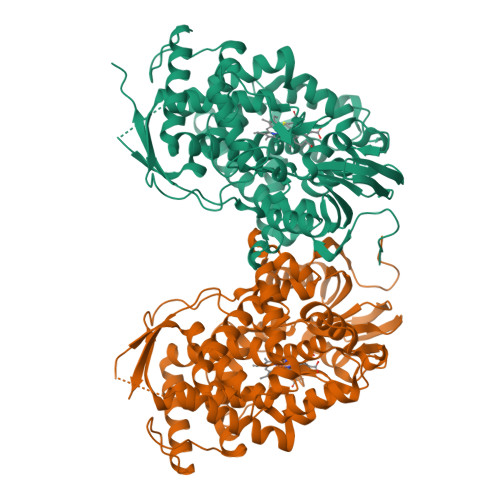
Cytochrome P450 7A1 structureClick to view 3D structureCytochrome P450 7A1P22680HumansKnownNot Available
Phospholipase A2 structureClick to view 3D structurePhospholipase A2P04054HumansKnownNot Available
Click to view 3D structureFlavin-containing monooxygenase 5P49326HumansKnownNot Available
Concentrations
Not Available
External Links
IdentifiersNot Available
References
Synthesis ReferenceNot Available
MSDSNot Available
General ReferencesNot Available