 Click to view 3D structure | Lysine-specific demethylase 4E | B2RXH2 | Humans | Predicted (SEA) | - Prediction Confidence Score
- 0.035
- Applicability Domain
- 0.043 Low confidence
- Statistical Significance
- 1.0
- Supporting Reference Compounds
- 39
- E-value
- 7784.69
|
 Click to view 3D structure | Muscarinic acetylcholine receptor M2 | P08172 | Humans | Predicted (SEA) | - Prediction Confidence Score
- 0.035
- Applicability Domain
- 0.042 Low confidence
- Statistical Significance
- 1.0
- Supporting Reference Compounds
- 373
- E-value
- 7784.84
|
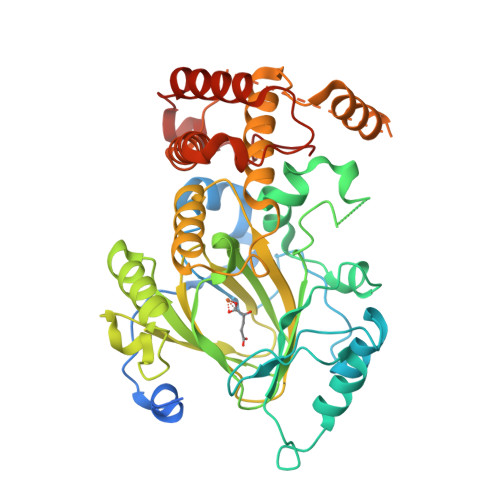 Click to view 3D structure | Lysine-specific demethylase 2A | Q9Y2K7 | Humans | Predicted (SEA) | - Prediction Confidence Score
- 0.035
- Applicability Domain
- 0.043 Low confidence
- Statistical Significance
- 1.0
- Supporting Reference Compounds
- 35
- E-value
- 7784.69
|
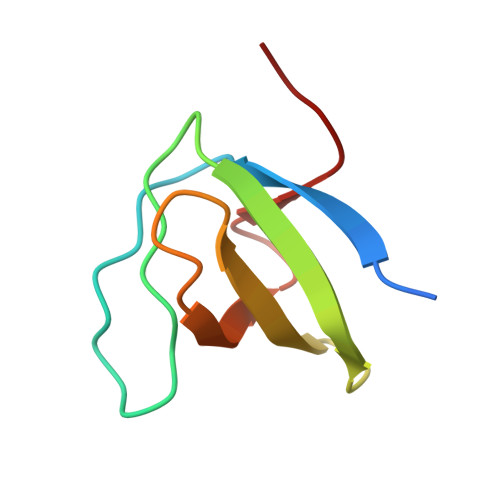 Click to view 3D structure | Tyrosine-protein kinase Lyn | P07948 | Humans | Predicted (SEA) | - Prediction Confidence Score
- 0.035
- Applicability Domain
- 0.042 Low confidence
- Statistical Significance
- 1.0
- Supporting Reference Compounds
- 666
- E-value
- 7784.84
|
 Click to view 3D structure | Tyrosine-protein kinase Lck | P06239 | Humans | Predicted (SEA) | - Prediction Confidence Score
- 0.035
- Applicability Domain
- 0.042 Low confidence
- Statistical Significance
- 1.0
- Supporting Reference Compounds
- 1130
- E-value
- 7784.84
|
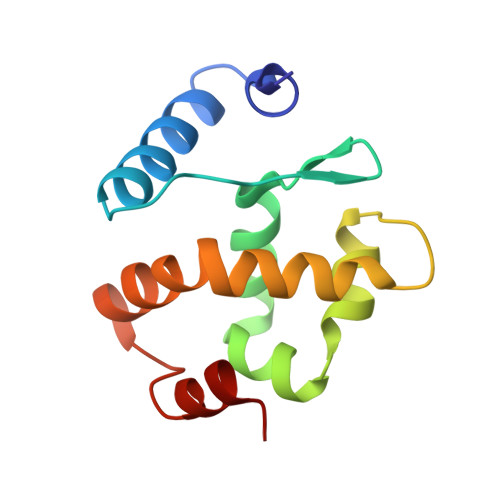 Click to view 3D structure | Lysine-specific demethylase 5C | P41229 | Humans | Predicted (SEA) | - Prediction Confidence Score
- 0.035
- Applicability Domain
- 0.043 Low confidence
- Statistical Significance
- 1.0
- Supporting Reference Compounds
- 45
- E-value
- 7784.69
|
 Click to view 3D structure | Lysine-specific demethylase 4C | Q9H3R0 | Humans | Predicted (SEA) | - Prediction Confidence Score
- 0.034
- Applicability Domain
- 0.043 Low confidence
- Statistical Significance
- 1.0
- Supporting Reference Compounds
- 72
- E-value
- 7784.61
|
 Click to view 3D structure | C-C chemokine receptor type 1 | P32246 | Humans | Predicted (SEA) | - Prediction Confidence Score
- 0.034
- Applicability Domain
- 0.056 Low confidence
- Statistical Significance
- 1.0
- Supporting Reference Compounds
- 54
- E-value
- 7784.69
|
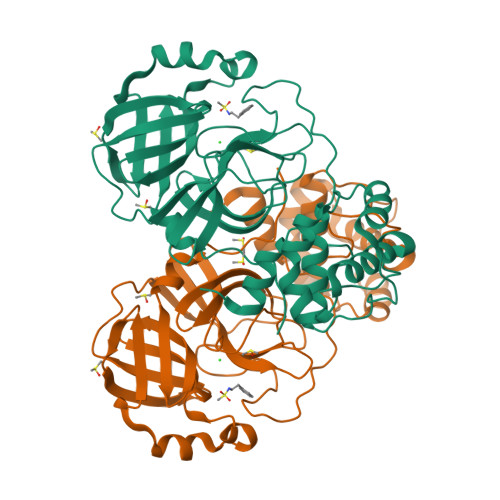 Click to view 3D structure | Replicase polyprotein 1ab | P0DTD1 | SARS-CoV-2 | Predicted (SEA) | - Prediction Confidence Score
- 0.034
- Applicability Domain
- 0.037 Low confidence
- Statistical Significance
- 1.0
- Supporting Reference Compounds
- 215
- E-value
- 7784.77
|
 Click to view 3D structure | Amine oxidase [flavin-containing] A | P21397 | Humans | Predicted (SEA) | - Prediction Confidence Score
- 0.034
- Applicability Domain
- 0.037 Low confidence
- Statistical Significance
- 1.0
- Supporting Reference Compounds
- 241
- E-value
- 7784.77
|
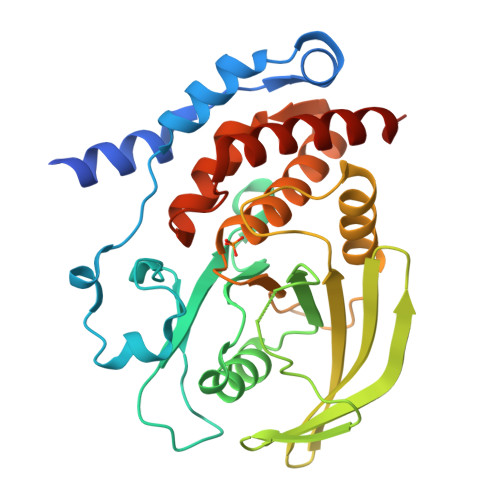 Click to view 3D structure | Tyrosine-protein phosphatase non-receptor type 7 | P35236 | Humans | Predicted (SEA) | - Prediction Confidence Score
- 0.034
- Applicability Domain
- 0.053 Low confidence
- Statistical Significance
- 1.0
- Supporting Reference Compounds
- 130
- E-value
- 7784.69
|
 Click to view 3D structure | Inositol 1,4,5-trisphosphate-gated calcium channel ITPR3 | Q8WN95 | Bos taurus | Predicted (SEA) | - Prediction Confidence Score
- 0.059
- Applicability Domain
- 0.059 Low confidence
- Statistical Significance
- 0.1791
- Supporting Reference Compounds
- 1
- E-value
- 1394.36
|
 Click to view 3D structure | Inositol-trisphosphate 3-kinase A | P17105 | Rattus norvegicus | Predicted (SEA) | - Prediction Confidence Score
- 0.053
- Applicability Domain
- 0.053 Low confidence
- Statistical Significance
- 0.264
- Supporting Reference Compounds
- 1
- E-value
- 2054.91
|
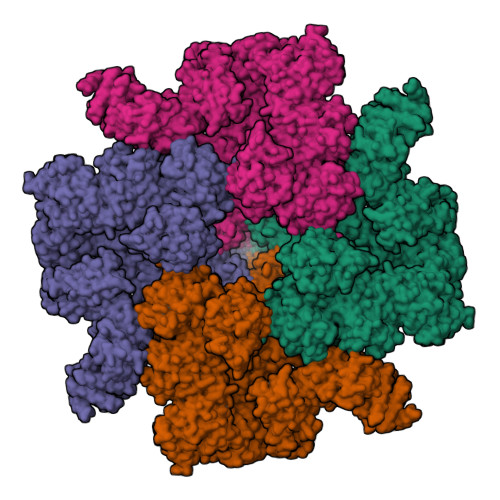 Click to view 3D structure | Inositol 1,4,5-trisphosphate-gated calcium channel ITPR3 | Q14573 | Humans | Predicted (SEA) | - Prediction Confidence Score
- 0.048
- Applicability Domain
- 0.056 Low confidence
- Statistical Significance
- 0.4325
- Supporting Reference Compounds
- 4
- E-value
- 3366.98
|
| Click to view 3D structure | Type 1 InsP3 receptor isoform S2 | P79248 | Sus scrofa | Predicted (SEA) | - Prediction Confidence Score
- 0.047
- Applicability Domain
- 0.053 Low confidence
- Statistical Significance
- 0.3898
- Supporting Reference Compounds
- 2
- E-value
- 3034.95
|
| Click to view 3D structure | Inositol 1,4,5-trisphosphate binding protein | Q62688 | Rattus norvegicus | Predicted (SEA) | - Prediction Confidence Score
- 0.046
- Applicability Domain
- 0.053 Low confidence
- Statistical Significance
- 0.5225
- Supporting Reference Compounds
- 2
- E-value
- 4067.54
|
 Click to view 3D structure | Mitogen-activated protein kinase 14 | Q16539 | Humans | Predicted (SEA) | - Prediction Confidence Score
- 0.044
- Applicability Domain
- 0.049 Low confidence
- Statistical Significance
- 1.0
- Supporting Reference Compounds
- 668
- E-value
- 7784.69
|
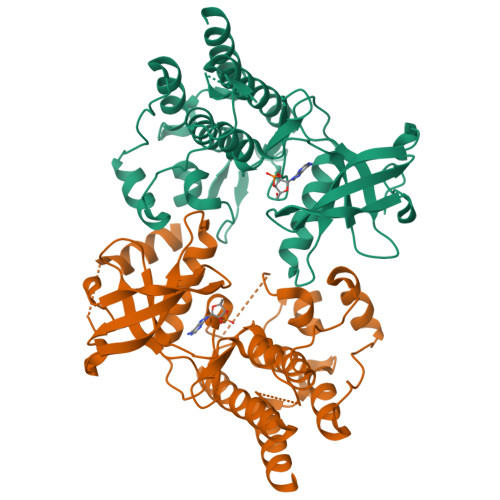 Click to view 3D structure | Proto-oncogene tyrosine-protein kinase receptor Ret | P07949 | Humans | Predicted (SEA) | - Prediction Confidence Score
- 0.042
- Applicability Domain
- 0.048 Low confidence
- Statistical Significance
- 1.0
- Supporting Reference Compounds
- 764
- E-value
- 7784.69
|
 Click to view 3D structure | Inositol 1,4,5-trisphosphate-gated calcium channel ITPR1 | P29994 | Rattus norvegicus | Predicted (SEA) | - Prediction Confidence Score
- 0.042
- Applicability Domain
- 0.053 Low confidence
- Statistical Significance
- 0.5946
- Supporting Reference Compounds
- 2
- E-value
- 4628.6
|
 Click to view 3D structure | Vascular endothelial growth factor receptor 2 | P35968 | Humans | Predicted (SEA) | - Prediction Confidence Score
- 0.041
- Applicability Domain
- 0.049 Low confidence
- Statistical Significance
- 1.0
- Supporting Reference Compounds
- 1660
- E-value
- 7784.69
|
 Click to view 3D structure | Induced myeloid leukemia cell differentiation protein Mcl-1 | Q07820 | Humans | Predicted (SEA) | - Prediction Confidence Score
- 0.039
- Applicability Domain
- 0.053 Low confidence
- Statistical Significance
- 1.0
- Supporting Reference Compounds
- 343
- E-value
- 7784.69
|
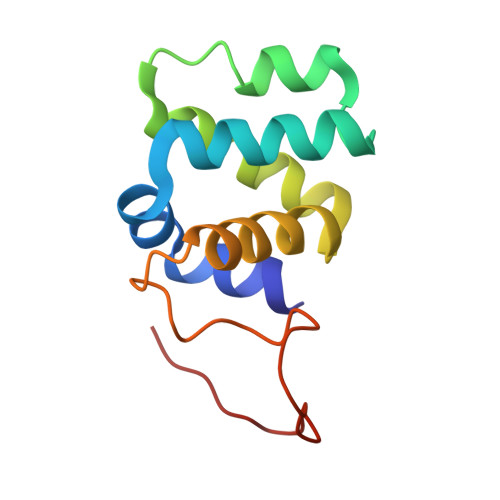 Click to view 3D structure | Receptor-interacting serine/threonine-protein kinase 2 | O43353 | Humans | Predicted (SEA) | - Prediction Confidence Score
- 0.039
- Applicability Domain
- 0.049 Low confidence
- Statistical Significance
- 1.0
- Supporting Reference Compounds
- 202
- E-value
- 7784.61
|
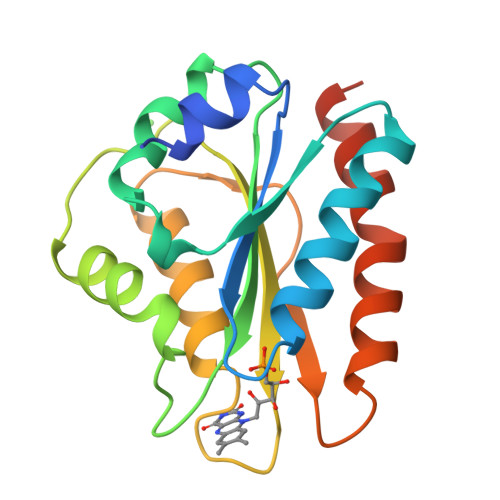 Click to view 3D structure | NADPH--cytochrome P450 reductase | P16435 | Humans | Predicted (SEA) | - Prediction Confidence Score
- 0.038
- Applicability Domain
- 0.038 Low confidence
- Statistical Significance
- 0.9875
- Supporting Reference Compounds
- 1
- E-value
- 7687.84
|
 Click to view 3D structure | Protein Tat | P04608 | Human immunodeficiency virus type 1 group M subtype B (isolate HXB2)(HIV-1) | Predicted (SEA) | - Prediction Confidence Score
- 0.036
- Applicability Domain
- 0.053 Low confidence
- Statistical Significance
- 1.0
- Supporting Reference Compounds
- 108
- E-value
- 7784.69
|
 Click to view 3D structure | Lysine-specific demethylase 4A | O75164 | Humans | Predicted (SEA) | - Prediction Confidence Score
- 0.035
- Applicability Domain
- 0.043 Low confidence
- Statistical Significance
- 1.0
- Supporting Reference Compounds
- 54
- E-value
- 7784.77
|

