Triiodobismuthane (CED0163237)

Record Information
Version1.0
Creation Date2026-08-17 20:56:05 UTC
Update Date2026-08-17 20:56:05 UTC
SynCED IDCED0163237
Secondary Accession Numbers
  • CHEM142007
Identification
Common NameTriiodobismuthane
ClassSmall Molecule
Description
Triiodobismuthane is an inorganic compound with the chemical formula BiI3. Triiodobismuthane belongs to the post-transition metal iodides, a subclass of post-transition metal salts within the inorganic compounds. Within the chemical hierarchy, it is further categorized as a mixed metal/non-metal compound. With an average molecular weight of 589.69 g/mol, Triiodobismuthane is a heavy molecule. This compound is associated with three recorded sources, primarily relating to electrical and electronic equipment. Specifically, it is found in or released from discharge lamps, X-ray tubes, and gas-filled discharge tubes that utilize a solid cathode.
Contaminant TypeNot Available
Chemical Structure
SynonymsNot Available
Chemical FormulaBiI3
Average Molecular Mass589.694 g/mol
Monoisotopic Mass589.694 g/mol
CAS Registry Number7787-64-6
IUPAC NameNot Available
Traditional NameNot Available
SMILESNot Available
InChI IdentifierInChI=1S/Bi.3HI/h;3*1H/q+3;;;/p-3
InChI KeyKOECRLKKXSXCPB-UHFFFAOYSA-K
Chemical Taxonomy
ClassificationNot classified
Biological Properties
StatusDetected and Not Quantified
OriginNot Available
Cellular LocationsNot Available
Biofluid LocationsNot Available
Tissue LocationsNot Available
ApplicationsNot Available
Biological RolesNot Available
Chemical RolesNot Available
Organoleptic EffectsNot Available
Physical Properties
StateNot Available
AppearanceNot Available
Experimental Properties
PropertyValue
Melting PointNot Available
Boiling PointNot Available
SolubilityNot Available
Predicted PropertiesNot Available
Spectra
SpectraNot Available
Toxicity Profile
Toxicity ValuesNot Available
Toxicity / Toxin ClassNot Available
Mechanism of ToxicityNot Available
Carcinogenicity (IARC Classification)Not Available
Minimum Risk LevelNot Available
SymptomsNot Available
TreatmentNot Available
Health Effects
Health EffectRelationshipDirectionDescriptionReference
Exposure Sources
Source IDSourceSectorReference
CEDs000233Brushes?Brushes used in personal care and cosmetics can be a source of synthetic chemical contamination due to the materials and coatings used in their manufacturing.Personal care & cosmeticsPubChem
CEDs000511Conductors Or Conductive Bodies Characterised By The Conductive Materials?Conductors, or conductive bodies, are materials that allow the flow of electrical current, typically made from metals such as copper, aluminum, or silver.Electrical & Electronic EquipmentPubChem
CEDs000514Discharge Lamps?Discharge lamps, including fluorescent and high-intensity discharge (HID) lamps, are commonly used for lighting applications due to their energy efficiency and brightness.Electrical & Electronic EquipmentPubChem
CEDs000519Electrodes?Electrodes, used in various electrical and electronic applications, can be a source of synthetic chemical contamination due to the materials from which they are constructed and the processes involved in their manufacturing.Electrical & Electronic EquipmentPubChem
CEDs000521Fixed Capacitors And Their Manufacture?Fixed capacitors are passive electronic components used to store and release electrical energy, playing a critical role in various circuits.Electrical & Electronic EquipmentPubChem
CEDs000523Gas Filled Discharge Tubes With Solid Cathode?Gas Filled Discharge Tubes with Solid Cathodes are electrical components that facilitate the flow of current by ionizing gas within a sealed tube.Electrical & Electronic EquipmentPubChem
CEDs000524Hybrid Capacitors?Hybrid capacitors are energy storage devices that combine the properties of electrolytic and supercapacitors, utilizing a combination of electrochemical principles to achieve higher energy density and power density.Electrical & Electronic EquipmentPubChem
CEDs000540X Ray Tubes?X-ray tubes are devices used to produce X-rays for various applications, including medical imaging and industrial inspections.Electrical & Electronic EquipmentPubChem
CEDs000544Fermentation Processes For Beer?Fermentation processes for beer involve the conversion of sugars into alcohol and carbon dioxide by yeast.Food, food processing & cookwarePubChem
CEDs000545Food Preservation?Food preservation often involves the use of synthetic chemicals, such as preservatives, flavor enhancers, and color additives, to extend shelf life and enhance the sensory qualities of food products.Food, food processing & cookwarePubChem
CEDs000600Herbicides And Algicides?Herbicides and algicides are synthetic chemicals primarily used to control unwanted plants and algae in various environments.Agriculture & land managementPubChem
CEDs000610Aftersun Products?Aftersun products are designed to soothe and hydrate the skin after sun exposure, often containing various synthetic chemicals such as emollients, preservatives, and fragrances.Personal care & cosmeticsPubChem
CEDs000611Anti Perspirants Or Body Deoderants?Antiperspirants and body deodorants commonly contain synthetic chemicals such as aluminum compounds, parabens, and synthetic fragrances.Personal care & cosmeticsPubChem
CEDs000632Apparel?Apparel production often involves the use of various synthetic chemicals, including dyes, finishing agents, and preservatives.Textiles, leather & furnishingsPubChem
CEDs000685Ceramics?Ceramics can be a source of synthetic chemical contamination through various additives and processing agents used in their production.Building & ConstructionPubChem
CEDs000686Clay Wares?Clay wares are ceramic products made from natural clay, often utilized in various construction applications such as tiles, bricks, and sanitary ware.Building & ConstructionPubChem
CEDs000688Glass Coatings?Glass coatings are synthetic chemical formulations applied to glass surfaces to enhance properties such as durability, UV resistance, and aesthetic appeal.Building & ConstructionPubChem
CEDs000691Non Oxide Glass?Non-oxide glass refers to a category of glasses primarily composed of materials other than silicon dioxide, such as boron oxide or phosphorous oxide.Building & ConstructionPubChem
CEDs000692Silica Free Oxide Glass?Silica Free Oxide Glass is a type of glass that is produced using alternative materials to traditional silica-based formulations.Building & ConstructionPubChem
CEDs000696Nanotechnology?Nanotechnology involves the manipulation of materials at the molecular or atomic level, typically within the range of 1 to 100 nanometers.Industrial manufacturing & chemical processingPubChem
CEDs000734Coating Compositions?Coating compositions, which include paints, sealants, and varnishes, are formulated with a variety of synthetic chemicals such as solvents, resins, pigments, and additives.Building & ConstructionPubChem
CEDs000735Explosives?Explosives are chemical compounds or mixtures designed to undergo rapid decomposition, releasing energy in the form of gas and heat.Defense & military infrastructurePubChem
CEDs000739Inks?Inks are complex mixtures composed of pigments or dyes, solvents, resins, and additives used primarily for printing and writing applications.Paper, pulp & fiber productsPubChem
CEDs000740Paper?Paper production involves the processing of wood fibers and the use of various chemicals, which can lead to synthetic chemical contamination.Paper, pulp & fiber productsPubChem
CEDs000744Water, Wastewater, & Sewage Treatment?Water, wastewater, and sewage treatment processes are critical for managing and mitigating pollutants in water systems.Wastewater, sanitation & biosolidsPubChem
Pathways
0 pathwaysPathway Source: PathBank

No pathways found

No metabolic pathways have been associated with this synthetic chemical

Targets
StructureProteinUniProt IDOrganismRelationshipDetails
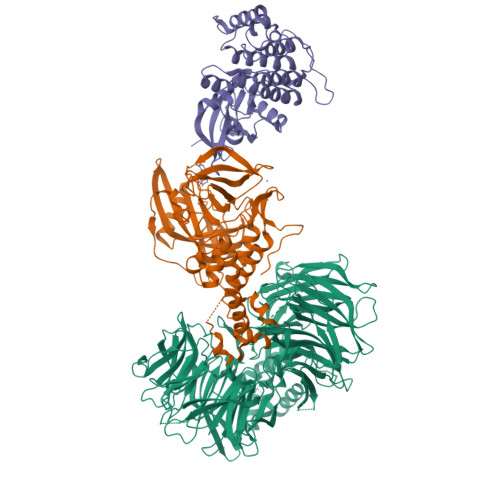
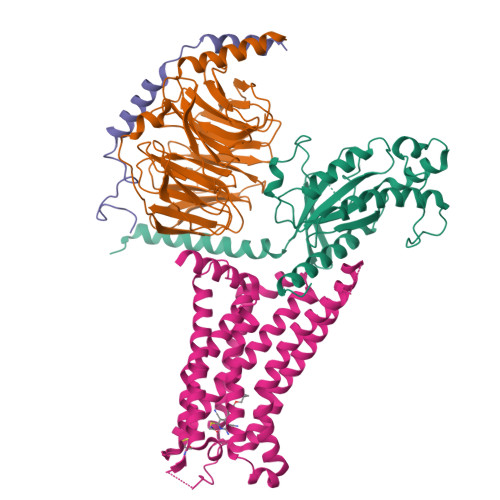
Click to view 3D structureInositol 1,4,5-trisphosphate-gated calcium channel ITPR3Q8WN95Bos taurusPredicted (SEA)
Prediction Confidence Score
0.059
Applicability Domain
0.059 Low confidence
Statistical Significance
0.1791
Supporting Reference Compounds
1
E-value
1394.36
Inositol-trisphosphate 3-kinase A structureClick to view 3D structureInositol-trisphosphate 3-kinase AP17105Rattus norvegicusPredicted (SEA)
Prediction Confidence Score
0.053
Applicability Domain
0.053 Low confidence
Statistical Significance
0.264
Supporting Reference Compounds
1
E-value
2054.91
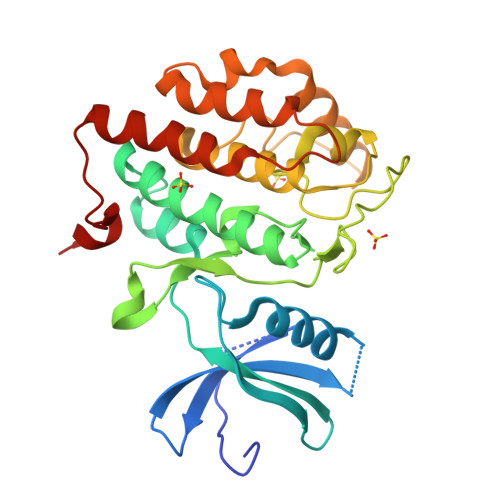
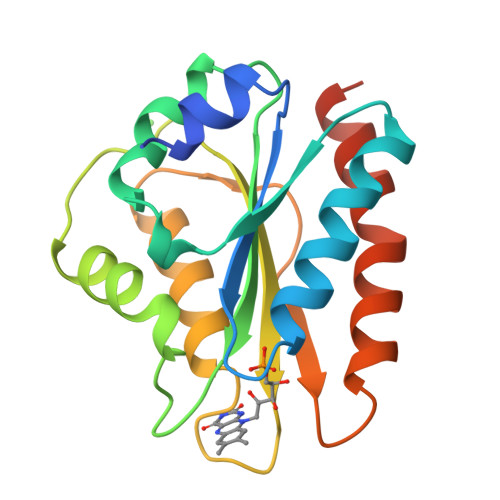
Casein kinase I isoform alpha structureClick to view 3D structureCasein kinase I isoform alphaP48729HumansPredicted (SEA)
Prediction Confidence Score
0.05
Applicability Domain
0.069 Low confidence
Statistical Significance
1.0
Supporting Reference Compounds
674
E-value
7784.69
Inositol 1,4,5-trisphosphate-gated calcium channel ITPR3 structureClick to view 3D structureInositol 1,4,5-trisphosphate-gated calcium channel ITPR3Q14573HumansPredicted (SEA)
Prediction Confidence Score
0.048
Applicability Domain
0.056 Low confidence
Statistical Significance
0.4325
Supporting Reference Compounds
4
E-value
3366.98
Click to view 3D structureType 1 InsP3 receptor isoform S2P79248Sus scrofaPredicted (SEA)
Prediction Confidence Score
0.047
Applicability Domain
0.053 Low confidence
Statistical Significance
0.3898
Supporting Reference Compounds
2
E-value
3034.95
Click to view 3D structureInositol 1,4,5-trisphosphate binding proteinQ62688Rattus norvegicusPredicted (SEA)
Prediction Confidence Score
0.046
Applicability Domain
0.053 Low confidence
Statistical Significance
0.5225
Supporting Reference Compounds
2
E-value
4067.54
Click to view 3D structureAdenosine receptor A1P25099Rattus norvegicusPredicted (SEA)
Prediction Confidence Score
0.044
Applicability Domain
0.049 Low confidence
Statistical Significance
1.0
Supporting Reference Compounds
221
E-value
7784.69
Click to view 3D structureAdenosine receptor A2aP30543Rattus norvegicusPredicted (SEA)
Prediction Confidence Score
0.043
Applicability Domain
0.049 Low confidence
Statistical Significance
1.0
Supporting Reference Compounds
174
E-value
7784.69
Adenosine receptor A2a structureClick to view 3D structureAdenosine receptor A2aP29274HumansPredicted (SEA)
Prediction Confidence Score
0.043
Applicability Domain
0.049 Low confidence
Statistical Significance
1.0
Supporting Reference Compounds
303
E-value
7784.69
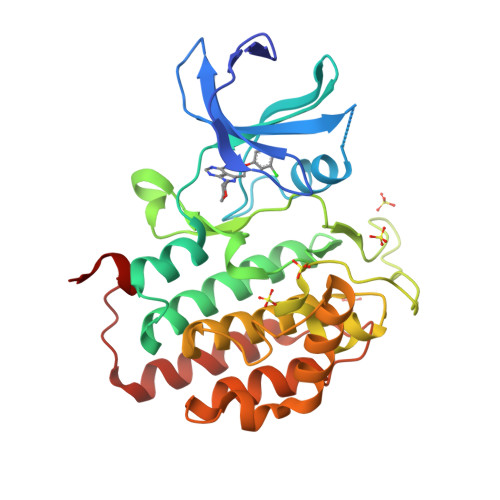
Casein kinase I isoform delta structureClick to view 3D structureCasein kinase I isoform deltaP48730HumansPredicted (SEA)
Prediction Confidence Score
0.042
Applicability Domain
0.049 Low confidence
Statistical Significance
1.0
Supporting Reference Compounds
637
E-value
7784.69
Casein kinase I isoform epsilon structureClick to view 3D structureCasein kinase I isoform epsilonP49674HumansPredicted (SEA)
Prediction Confidence Score
0.042
Applicability Domain
0.049 Low confidence
Statistical Significance
1.0
Supporting Reference Compounds
185
E-value
7784.69
Inositol 1,4,5-trisphosphate-gated calcium channel ITPR1 structureClick to view 3D structureInositol 1,4,5-trisphosphate-gated calcium channel ITPR1P29994Rattus norvegicusPredicted (SEA)
Prediction Confidence Score
0.042
Applicability Domain
0.053 Low confidence
Statistical Significance
0.5946
Supporting Reference Compounds
2
E-value
4628.6
Adenosine receptor A1 structureClick to view 3D structureAdenosine receptor A1P30542HumansPredicted (SEA)
Prediction Confidence Score
0.042
Applicability Domain
0.049 Low confidence
Statistical Significance
1.0
Supporting Reference Compounds
302
E-value
7784.69
Receptor-type tyrosine-protein kinase FLT3 structureClick to view 3D structureReceptor-type tyrosine-protein kinase FLT3P36888HumansPredicted (SEA)
Prediction Confidence Score
0.041
Applicability Domain
0.069 Low confidence
Statistical Significance
1.0
Supporting Reference Compounds
1274
E-value
7784.69
Mitogen-activated protein kinase 14 structureClick to view 3D structureMitogen-activated protein kinase 14Q16539HumansPredicted (SEA)
Prediction Confidence Score
0.041
Applicability Domain
0.069 Low confidence
Statistical Significance
1.0
Supporting Reference Compounds
668
E-value
7784.69
Adenosine receptor A3 structureClick to view 3D structureAdenosine receptor A3P0DMS8HumansPredicted (SEA)
Prediction Confidence Score
0.041
Applicability Domain
0.049 Low confidence
Statistical Significance
1.0
Supporting Reference Compounds
391
E-value
7784.69
Adenosine receptor A2b structureClick to view 3D structureAdenosine receptor A2bP29275HumansPredicted (SEA)
Prediction Confidence Score
0.041
Applicability Domain
0.049 Low confidence
Statistical Significance
1.0
Supporting Reference Compounds
187
E-value
7784.61
NADPH--cytochrome P450 reductase structureClick to view 3D structureNADPH--cytochrome P450 reductaseP16435HumansPredicted (SEA)
Prediction Confidence Score
0.038
Applicability Domain
0.038 Low confidence
Statistical Significance
0.9875
Supporting Reference Compounds
1
E-value
7687.84
Dual specificity mitogen-activated protein kinase kinase 1 structureClick to view 3D structureDual specificity mitogen-activated protein kinase kinase 1Q02750HumansPredicted (SEA)
Prediction Confidence Score
0.038
Applicability Domain
0.069 Low confidence
Statistical Significance
1.0
Supporting Reference Compounds
391
E-value
7784.69
Acetylcholinesterase structureClick to view 3D structureAcetylcholinesteraseP22303HumansPredicted (SEA)
Prediction Confidence Score
0.038
Applicability Domain
0.042 Low confidence
Statistical Significance
1.0
Supporting Reference Compounds
406
E-value
7784.84
Cyclin-dependent kinase 9 structureClick to view 3D structureCyclin-dependent kinase 9P50750HumansPredicted (SEA)
Prediction Confidence Score
0.037
Applicability Domain
0.053 Low confidence
Statistical Significance
1.0
Supporting Reference Compounds
426
E-value
7784.77
Cyclin-dependent kinase 8 structureClick to view 3D structureCyclin-dependent kinase 8P49336HumansPredicted (SEA)
Prediction Confidence Score
0.037
Applicability Domain
0.069 Low confidence
Statistical Significance
1.0
Supporting Reference Compounds
367
E-value
7784.69
Protein deacetylase HDAC6 structureClick to view 3D structureProtein deacetylase HDAC6Q9UBN7HumansPredicted (SEA)
Prediction Confidence Score
0.037
Applicability Domain
0.041 Low confidence
Statistical Significance
1.0
Supporting Reference Compounds
553
E-value
7784.69
Cyclin-dependent kinase 2 structureClick to view 3D structureCyclin-dependent kinase 2P24941HumansPredicted (SEA)
Prediction Confidence Score
0.036
Applicability Domain
0.053 Low confidence
Statistical Significance
1.0
Supporting Reference Compounds
1029
E-value
7784.84
Lysine-specific demethylase 4E structureClick to view 3D structureLysine-specific demethylase 4EB2RXH2HumansPredicted (SEA)
Prediction Confidence Score
0.036
Applicability Domain
0.043 Low confidence
Statistical Significance
1.0
Supporting Reference Compounds
39
E-value
7784.69
Concentrations
Not Available
External Links
IdentifiersNot Available
References
Synthesis ReferenceNot Available
MSDSNot Available
General ReferencesNot Available