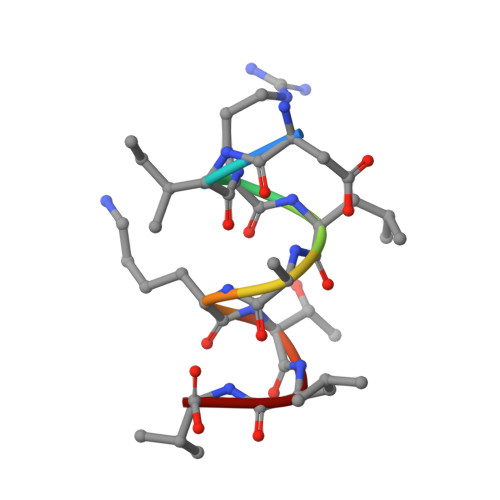
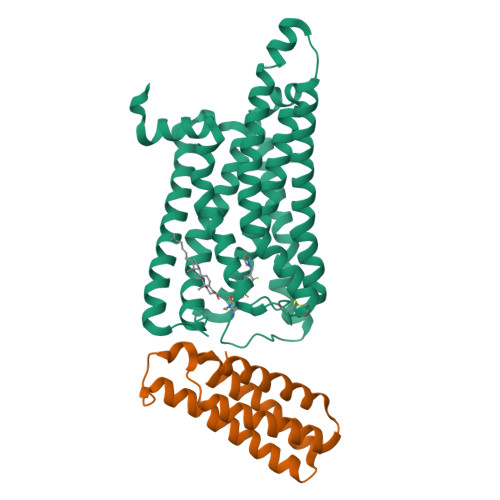
Methyl-tris(prop-2-enyl)azanium (CED0179789)

Record Information
Version1.0
Creation Date2026-08-18 02:25:45 UTC
Update Date2026-08-18 02:25:45 UTC
SynCED IDCED0179789
Secondary Accession Numbers
  • CHEM148698
Identification
Common NameMethyl-tris(prop-2-enyl)azanium
ClassSmall Molecule
Description
Methyl-tris(prop-2-enyl)azanium (C10H18N+) is an organic nitrogen compound with an average molecular weight of 152.26 g/mol. Methyl-tris(prop-2-enyl)azanium belongs to the quaternary ammonium salts, a subclass of organonitrogen compounds within the organic compounds. This substance has been found in or released from one recorded source: Building & Construction (Tents Or Canopies).
Contaminant TypeNot Available
Chemical Structure
SynonymsNot Available
Chemical FormulaC10H18N+
Average Molecular Mass152.260 g/mol
Monoisotopic Mass152.144 g/mol
CAS Registry NumberNot Available
IUPAC NameNot Available
Traditional NameNot Available
SMILESNot Available
InChI IdentifierInChI=1S/C10H18N/c1-5-8-11(4,9-6-2)10-7-3/h5-7H,1-3,8-10H2,4H3/q+1
InChI KeyMIBQHCGMBCXIAL-UHFFFAOYSA-N
Chemical Taxonomy
ClassificationNot classified
Biological Properties
StatusDetected and Not Quantified
OriginNot Available
Cellular LocationsNot Available
Biofluid LocationsNot Available
Tissue LocationsNot Available
ApplicationsNot Available
Biological RolesNot Available
Chemical RolesNot Available
Organoleptic EffectsNot Available
Physical Properties
StateNot Available
AppearanceNot Available
Experimental Properties
PropertyValue
Melting PointNot Available
Boiling PointNot Available
SolubilityNot Available
Predicted PropertiesNot Available
Spectra
SpectraNot Available
Toxicity Profile
Toxicity Values
Toxicity ValueOrganismDose DescriptorRoute of ExposurePredicted or ExperimentalToxicity RatingReference
968.0 Log mg/kg [540:1700]RatLD50oralpredictedNot AvailableNot Available
Toxicity / Toxin ClassNot Available
Mechanism of ToxicityNot Available
Carcinogenicity (IARC Classification)Not Available
Minimum Risk LevelNot Available
SymptomsNot Available
TreatmentNot Available
Health Effects
Health EffectRelationshipDirectionDescriptionReference
Exposure Sources
Source IDSourceSectorReference
CEDs000503Tents Or Canopies?Tents and canopies used in various applications can be a source of synthetic chemical contamination primarily due to the materials from which they are made.Building & ConstructionPubChem
CEDs000511Conductors Or Conductive Bodies Characterised By The Conductive Materials?Conductors, or conductive bodies, are materials that allow the flow of electrical current, typically made from metals such as copper, aluminum, or silver.Electrical & Electronic EquipmentPubChem
CEDs000519Electrodes?Electrodes, used in various electrical and electronic applications, can be a source of synthetic chemical contamination due to the materials from which they are constructed and the processes involved in their manufacturing.Electrical & Electronic EquipmentPubChem
CEDs000521Fixed Capacitors And Their Manufacture?Fixed capacitors are passive electronic components used to store and release electrical energy, playing a critical role in various circuits.Electrical & Electronic EquipmentPubChem
CEDs000524Hybrid Capacitors?Hybrid capacitors are energy storage devices that combine the properties of electrolytic and supercapacitors, utilizing a combination of electrochemical principles to achieve higher energy density and power density.Electrical & Electronic EquipmentPubChem
CEDs000545Food Preservation?Food preservation often involves the use of synthetic chemicals, such as preservatives, flavor enhancers, and color additives, to extend shelf life and enhance the sensory qualities of food products.Food, food processing & cookwarePubChem
CEDs000561Perfumes Within Detergents And Soaps?Perfumes within detergents and soaps are synthetic fragrance compounds added to enhance the sensory experience of cleaning products.Household cleaning & consumer productsPubChem
CEDs000563Soap Detergents?Soap detergents are synthetic surfactants designed to enhance the cleaning efficacy of water by reducing surface tension, allowing for better interaction with dirt and grease.Household cleaning & consumer productsPubChem
CEDs000581Paper Making Machines?Paper making machines utilize various synthetic chemicals throughout the production process, including additives, coatings, and bleaching agents.Industrial manufacturing & chemical processingPubChem
CEDs000609Aftershave?Aftershave is a grooming product typically used to soothe and protect the skin following shaving.Personal care & cosmeticsPubChem
CEDs000610Aftersun Products?Aftersun products are designed to soothe and hydrate the skin after sun exposure, often containing various synthetic chemicals such as emollients, preservatives, and fragrances.Personal care & cosmeticsPubChem
CEDs000611Anti Perspirants Or Body Deoderants?Antiperspirants and body deodorants commonly contain synthetic chemicals such as aluminum compounds, parabens, and synthetic fragrances.Personal care & cosmeticsPubChem
CEDs000615Eye Makeup Products?Eye makeup products, including mascaras, eyeliners, and eyeshadows, often contain a variety of synthetic chemicals such as pigments, preservatives, and film-forming agents.Personal care & cosmeticsPubChem
CEDs000617Lip Care Products?Lip care products, including lipsticks, balms, and glosses, often contain a variety of synthetic chemicals such as parabens, phthalates, and synthetic fragrances.Personal care & cosmeticsPubChem
CEDs000618Lip Makeup Products?Lip makeup products, such as lipsticks, lip glosses, and lip liners, often contain a variety of synthetic chemicals, including pigments, preservatives, and emollients.Personal care & cosmeticsPubChem
CEDs000632Apparel?Apparel production often involves the use of various synthetic chemicals, including dyes, finishing agents, and preservatives.Textiles, leather & furnishingsPubChem
CEDs000642Footwear?Footwear production often involves the use of various synthetic chemicals, such as adhesives, dyes, and treatments, which can contribute to environmental contamination.Textiles, leather & furnishingsPubChem
CEDs000653Sewing?Sewing processes often involve the use of various synthetic chemicals, which can become sources of contamination in the environment.Textiles, leather & furnishingsPubChem
CEDs000657Surface Finishing Of Leather?Surface finishing of leather often involves the use of various synthetic chemicals, including dyes, resins, and finishing agents.Textiles, leather & furnishingsPubChem
CEDs000664Fire Fighting Gels?Fire fighting gels are synthetic chemical formulations designed to enhance fire suppression effectiveness by creating a protective barrier against heat and flames.Fire suppression systems & agentsPubChem
CEDs000696Nanotechnology?Nanotechnology involves the manipulation of materials at the molecular or atomic level, typically within the range of 1 to 100 nanometers.Industrial manufacturing & chemical processingPubChem
CEDs000739Inks?Inks are complex mixtures composed of pigments or dyes, solvents, resins, and additives used primarily for printing and writing applications.Paper, pulp & fiber productsPubChem
CEDs000740Paper?Paper production involves the processing of wood fibers and the use of various chemicals, which can lead to synthetic chemical contamination.Paper, pulp & fiber productsPubChem
CEDs000741Pigment Pastes?Pigment pastes are concentrated dispersions of pigments used to impart color and properties to materials.Paper, pulp & fiber productsPubChem
CEDs000744Water, Wastewater, & Sewage Treatment?Water, wastewater, and sewage treatment processes are critical for managing and mitigating pollutants in water systems.Wastewater, sanitation & biosolidsPubChem
Pathways
0 pathwaysPathway Source: PathBank

No pathways found

No metabolic pathways have been associated with this synthetic chemical

Targets
StructureProteinUniProt IDOrganismRelationshipDetails
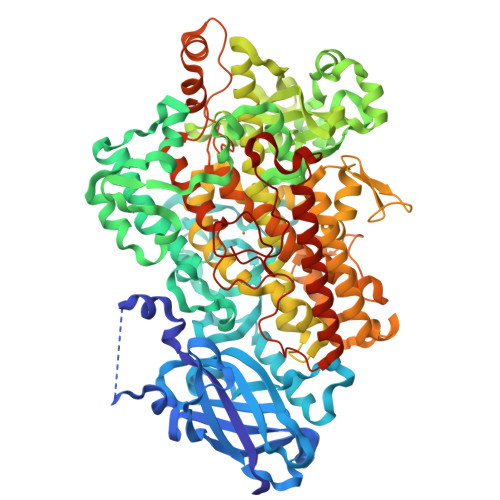
Seed linoleate 9S-lipoxygenase structureClick to view 3D structureSeed linoleate 9S-lipoxygenaseP24095Glycine maxPredicted (SEA)
Prediction Confidence Score
0.214
Applicability Domain
0.214 Low confidence
Statistical Significance
4.10e-04
Supporting Reference Compounds
1
E-value
3.19182
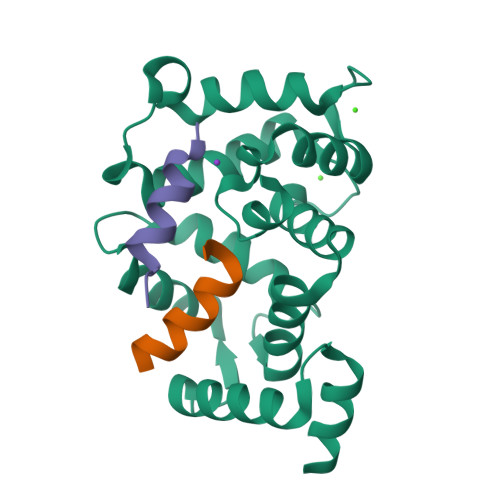
Click to view 3D structureMitochondrial 2-oxodicarboxylate carrierQ9BQT8HumansPredicted (SEA)
Prediction Confidence Score
0.185
Applicability Domain
0.185 Low confidence
Statistical Significance
2.00e-05
Supporting Reference Compounds
1
E-value
0.155698
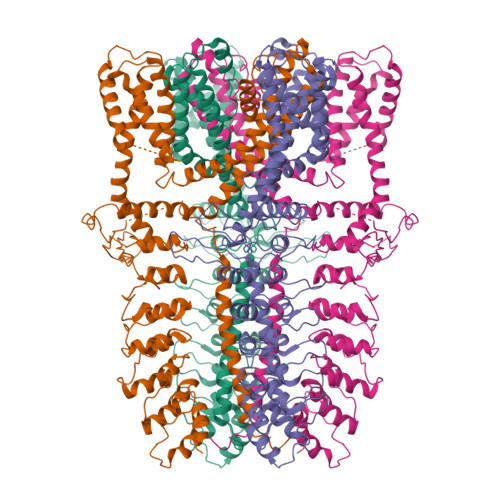
Transient receptor potential cation channel subfamily A member 1 structureClick to view 3D structureTransient receptor potential cation channel subfamily A member 1O75762HumansPredicted (SEA)
Prediction Confidence Score
0.157
Applicability Domain
0.238 Low confidence
Statistical Significance
0.824
Supporting Reference Compounds
70
E-value
6414.46
Acetylcholinesterase structureClick to view 3D structureAcetylcholinesteraseP22303HumansPredicted (SEA)
Prediction Confidence Score
0.155
Applicability Domain
0.286 Low confidence
Statistical Significance
0.9757
Supporting Reference Compounds
406
E-value
7595.83
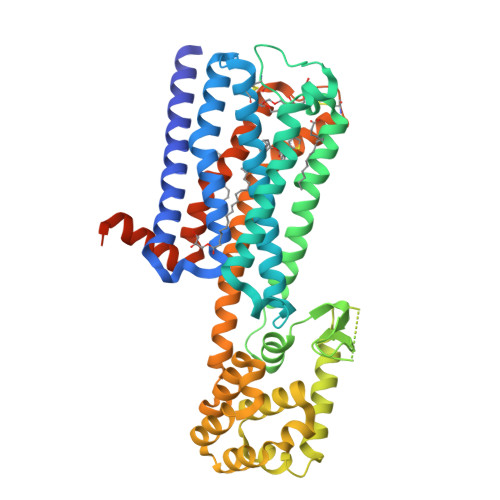
Cannabinoid receptor 2 structureClick to view 3D structureCannabinoid receptor 2P34972HumansPredicted (SEA)
Prediction Confidence Score
0.139
Applicability Domain
0.161 Low confidence
Statistical Significance
0.9846
Supporting Reference Compounds
175
E-value
7665.42
Click to view 3D structureSodium- and chloride-dependent creatine transporter 1P28570Rattus norvegicusPredicted (SEA)
Prediction Confidence Score
0.138
Applicability Domain
0.138 Low confidence
Statistical Significance
0.0086
Supporting Reference Compounds
1
E-value
66.7946
Muscarinic acetylcholine receptor M5 structureClick to view 3D structureMuscarinic acetylcholine receptor M5P08912HumansPredicted (SEA)
Prediction Confidence Score
0.136
Applicability Domain
0.143 Low confidence
Statistical Significance
0.993
Supporting Reference Compounds
266
E-value
7730.27
Muscarinic acetylcholine receptor M1 structureClick to view 3D structureMuscarinic acetylcholine receptor M1P11229HumansPredicted (SEA)
Prediction Confidence Score
0.133
Applicability Domain
0.143 Low confidence
Statistical Significance
0.9966
Supporting Reference Compounds
385
E-value
7758.14
Muscarinic acetylcholine receptor M3 structureClick to view 3D structureMuscarinic acetylcholine receptor M3P20309HumansPredicted (SEA)
Prediction Confidence Score
0.133
Applicability Domain
0.143 Low confidence
Statistical Significance
0.9958
Supporting Reference Compounds
310
E-value
7752.46
Muscarinic acetylcholine receptor M2 structureClick to view 3D structureMuscarinic acetylcholine receptor M2P08172HumansPredicted (SEA)
Prediction Confidence Score
0.132
Applicability Domain
0.143 Low confidence
Statistical Significance
0.9966
Supporting Reference Compounds
373
E-value
7758.69
Muscarinic acetylcholine receptor M4 structureClick to view 3D structureMuscarinic acetylcholine receptor M4P08173HumansPredicted (SEA)
Prediction Confidence Score
0.132
Applicability Domain
0.143 Low confidence
Statistical Significance
0.9952
Supporting Reference Compounds
297
E-value
7747.48
5-hydroxytryptamine receptor 1A structureClick to view 3D structure5-hydroxytryptamine receptor 1AP08908HumansPredicted (SEA)
Prediction Confidence Score
0.129
Applicability Domain
0.14 Low confidence
Statistical Significance
0.9981
Supporting Reference Compounds
953
E-value
7770.29
D(2) dopamine receptor structureClick to view 3D structureD(2) dopamine receptorP14416HumansPredicted (SEA)
Prediction Confidence Score
0.127
Applicability Domain
0.14 Low confidence
Statistical Significance
0.9988
Supporting Reference Compounds
1103
E-value
7775.5
Click to view 3D structureFatty acid synthaseP12276Gallus gallusPredicted (SEA)
Prediction Confidence Score
0.127
Applicability Domain
0.238 Low confidence
Statistical Significance
0.0016
Supporting Reference Compounds
2
E-value
12.1445
Cannabinoid receptor 1 structureClick to view 3D structureCannabinoid receptor 1P21554HumansPredicted (SEA)
Prediction Confidence Score
0.126
Applicability Domain
0.161 Low confidence
Statistical Significance
0.9957
Supporting Reference Compounds
200
E-value
7751.6
Click to view 3D structurePhospholipase BQ9P8P2Cryptococcus neoformansPredicted (SEA)
Prediction Confidence Score
0.125
Applicability Domain
0.125 Low confidence
Statistical Significance
0.0108
Supporting Reference Compounds
1
E-value
84.4664
Click to view 3D structureProstaglandin G/H synthase 2P79208Ovis ariesPredicted (SEA)
Prediction Confidence Score
0.125
Applicability Domain
0.146 Low confidence
Statistical Significance
0.9298
Supporting Reference Compounds
50
E-value
7238.27
Kappa-type opioid receptor structureClick to view 3D structureKappa-type opioid receptorP41145HumansPredicted (SEA)
Prediction Confidence Score
0.124
Applicability Domain
0.13 Low confidence
Statistical Significance
0.9989
Supporting Reference Compounds
532
E-value
7776.75
Histamine H3 receptor structureClick to view 3D structureHistamine H3 receptorQ9Y5N1HumansPredicted (SEA)
Prediction Confidence Score
0.124
Applicability Domain
0.2 Low confidence
Statistical Significance
0.9971
Supporting Reference Compounds
294
E-value
7762.5
Click to view 3D structureAcetylcholinesteraseO42275Electrophorus electricusPredicted (SEA)
Prediction Confidence Score
0.123
Applicability Domain
0.286 Low confidence
Statistical Significance
0.9957
Supporting Reference Compounds
206
E-value
7751.52
Click to view 3D structureMuscarinic acetylcholine receptor M2P10980Rattus norvegicusPredicted (SEA)
Prediction Confidence Score
0.123
Applicability Domain
0.133 Low confidence
Statistical Significance
0.9787
Supporting Reference Compounds
98
E-value
7619.18
Click to view 3D structureAcetylcholinesteraseP23795Bos taurusPredicted (SEA)
Prediction Confidence Score
0.122
Applicability Domain
0.286 Low confidence
Statistical Significance
0.953
Supporting Reference Compounds
50
E-value
7418.8
Sigma non-opioid intracellular receptor 1 structureClick to view 3D structureSigma non-opioid intracellular receptor 1Q99720HumansPredicted (SEA)
Prediction Confidence Score
0.122
Applicability Domain
0.128 Low confidence
Statistical Significance
0.999
Supporting Reference Compounds
562
E-value
7777.53
5-hydroxytryptamine receptor 2C structureClick to view 3D structure5-hydroxytryptamine receptor 2CP28335HumansPredicted (SEA)
Prediction Confidence Score
0.122
Applicability Domain
0.14 Low confidence
Statistical Significance
0.9993
Supporting Reference Compounds
823
E-value
7779.78
5-hydroxytryptamine receptor 2B structureClick to view 3D structure5-hydroxytryptamine receptor 2BP41595HumansPredicted (SEA)
Prediction Confidence Score
0.122
Applicability Domain
0.14 Low confidence
Statistical Significance
0.9992
Supporting Reference Compounds
686
E-value
7779.08
Concentrations
Not Available
External Links
IdentifiersNot Available
References
Synthesis ReferenceNot Available
MSDSNot Available
General ReferencesNot Available