 Click to view 3D structure | All-trans-retinol dehydrogenase [NAD(+)] ADH4 | P08319 | Humans | Predicted (SEA) | - Prediction Confidence Score
- 0.242
- Applicability Domain
- 0.242 Low confidence
- Statistical Significance
- 3.10e-04
- Supporting Reference Compounds
- 1
- E-value
- 2.41333
|
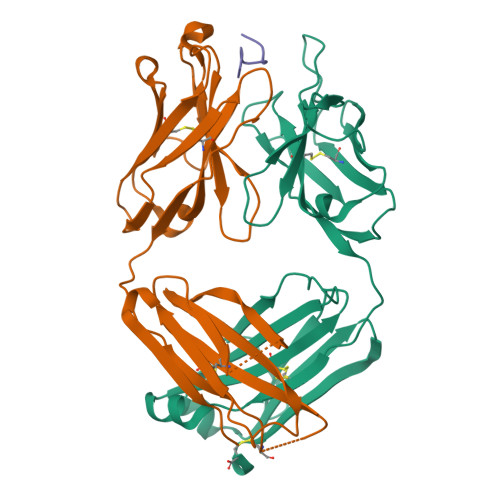 Click to view 3D structure | Carbonic anhydrase 9 | Q16790 | Humans | Predicted (SEA) | - Prediction Confidence Score
- 0.232
- Applicability Domain
- 0.333
- Statistical Significance
- 0.224
- Supporting Reference Compounds
- 372
- E-value
- 1743.82
|
 Click to view 3D structure | Carbonic anhydrase 2 | P00918 | Humans | Predicted (SEA) | - Prediction Confidence Score
- 0.232
- Applicability Domain
- 0.333
- Statistical Significance
- 0.272
- Supporting Reference Compounds
- 472
- E-value
- 2117.42
|
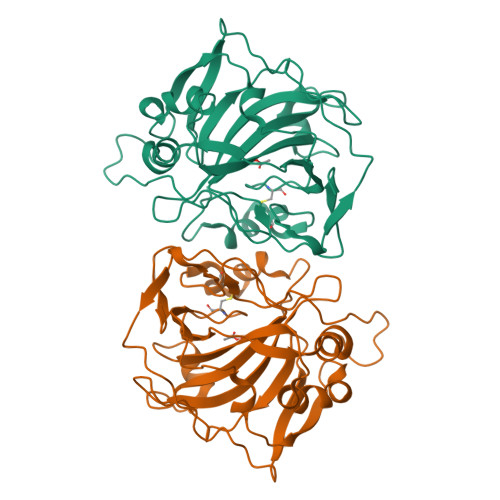 Click to view 3D structure | Carbonic anhydrase 12 | O43570 | Humans | Predicted (SEA) | - Prediction Confidence Score
- 0.232
- Applicability Domain
- 0.333
- Statistical Significance
- 0.2038
- Supporting Reference Compounds
- 332
- E-value
- 1586.57
|
 Click to view 3D structure | Carbonic anhydrase 1 | P00915 | Humans | Predicted (SEA) | - Prediction Confidence Score
- 0.232
- Applicability Domain
- 0.333
- Statistical Significance
- 0.2307
- Supporting Reference Compounds
- 407
- E-value
- 1795.67
|
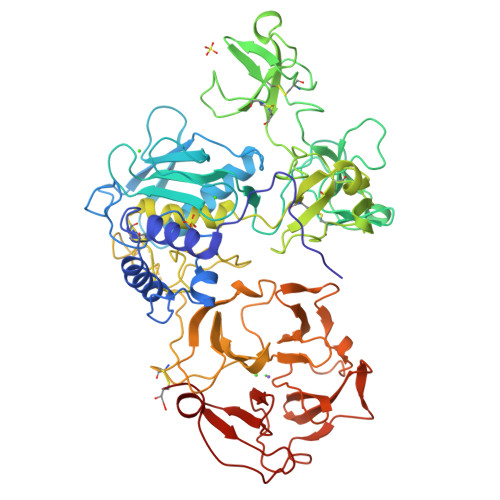 Click to view 3D structure | 72 kDa type IV collagenase | P08253 | Humans | Predicted (SEA) | - Prediction Confidence Score
- 0.23
- Applicability Domain
- 0.333
- Statistical Significance
- 0.2817
- Supporting Reference Compounds
- 400
- E-value
- 2192.93
|
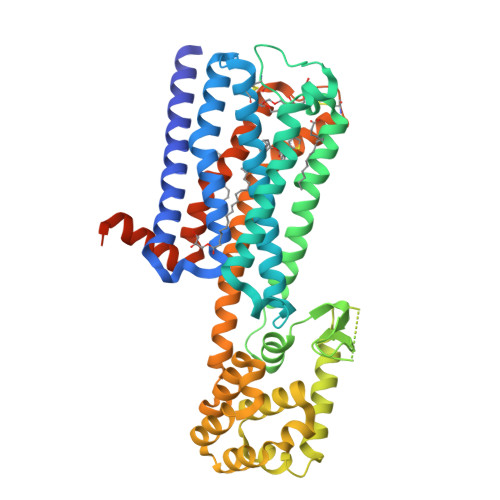 Click to view 3D structure | Muscarinic acetylcholine receptor M5 | P08912 | Humans | Predicted (SEA) | - Prediction Confidence Score
- 0.219
- Applicability Domain
- 0.286 Low confidence
- Statistical Significance
- 0.3103
- Supporting Reference Compounds
- 266
- E-value
- 2415.66
|
 Click to view 3D structure | Epoxide hydrolase 1 | Q9D379 | Mus musculus | Predicted (SEA) | - Prediction Confidence Score
- 0.217
- Applicability Domain
- 0.256 Low confidence
- Statistical Significance
- 0.0151
- Supporting Reference Compounds
- 8
- E-value
- 117.63
|
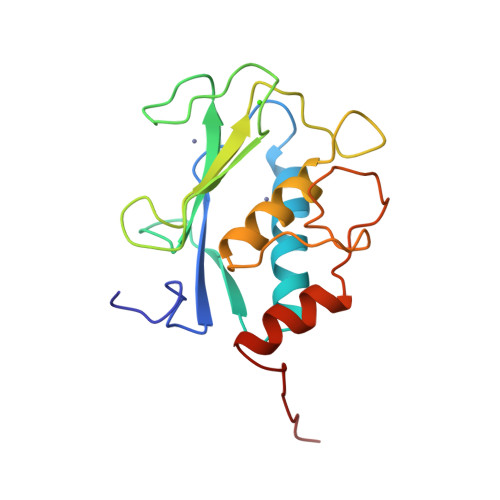 Click to view 3D structure | Interstitial collagenase | P03956 | Humans | Predicted (SEA) | - Prediction Confidence Score
- 0.217
- Applicability Domain
- 0.304
- Statistical Significance
- 0.3227
- Supporting Reference Compounds
- 258
- E-value
- 2512.19
|
| Click to view 3D structure | Epoxide hydrolase 1 | P07099 | Humans | Predicted (SEA) | - Prediction Confidence Score
- 0.213
- Applicability Domain
- 0.256 Low confidence
- Statistical Significance
- 0.0543
- Supporting Reference Compounds
- 18
- E-value
- 422.643
|
 Click to view 3D structure | Muscarinic acetylcholine receptor M4 | P08173 | Humans | Predicted (SEA) | - Prediction Confidence Score
- 0.21
- Applicability Domain
- 0.286 Low confidence
- Statistical Significance
- 0.4397
- Supporting Reference Compounds
- 297
- E-value
- 3422.72
|
 Click to view 3D structure | Cytochrome P450 2D6 | P10635 | Humans | Predicted (SEA) | - Prediction Confidence Score
- 0.207
- Applicability Domain
- 0.286 Low confidence
- Statistical Significance
- 0.8868
- Supporting Reference Compounds
- 1130
- E-value
- 6903.67
|
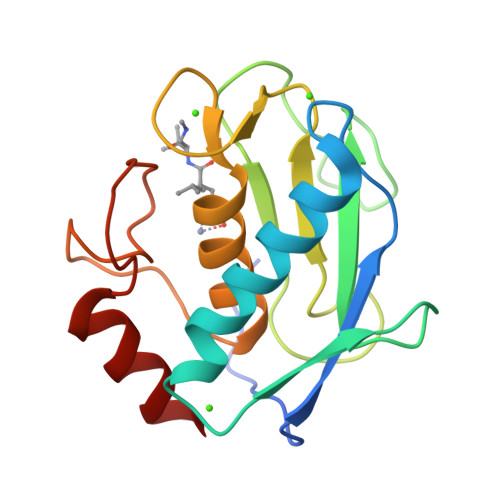 Click to view 3D structure | Matrix metalloproteinase-9 | P14780 | Humans | Predicted (SEA) | - Prediction Confidence Score
- 0.205
- Applicability Domain
- 0.304
- Statistical Significance
- 0.477
- Supporting Reference Compounds
- 292
- E-value
- 3713.72
|
 Click to view 3D structure | Muscarinic acetylcholine receptor M1 | P11229 | Humans | Predicted (SEA) | - Prediction Confidence Score
- 0.203
- Applicability Domain
- 0.286 Low confidence
- Statistical Significance
- 0.6469
- Supporting Reference Compounds
- 385
- E-value
- 5035.83
|
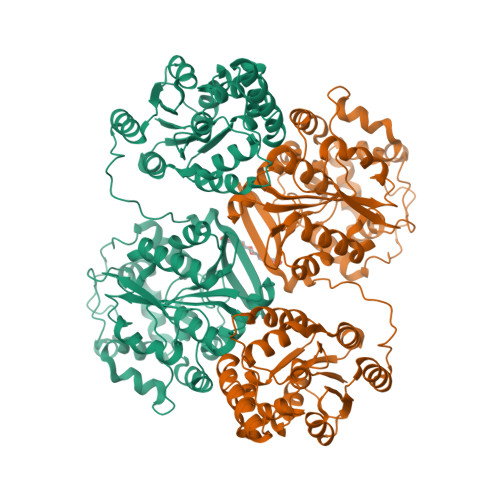 Click to view 3D structure | Bifunctional epoxide hydrolase 2 | P34913 | Humans | Predicted (SEA) | - Prediction Confidence Score
- 0.202
- Applicability Domain
- 0.256 Low confidence
- Statistical Significance
- 0.379
- Supporting Reference Compounds
- 93
- E-value
- 2950.72
|
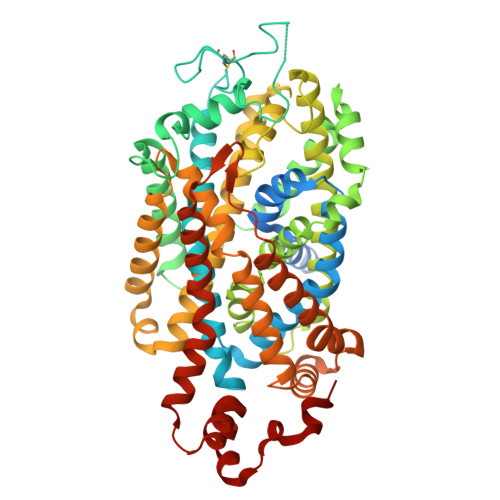 Click to view 3D structure | Sodium-dependent noradrenaline transporter | P23975 | Humans | Predicted (SEA) | - Prediction Confidence Score
- 0.202
- Applicability Domain
- 0.286 Low confidence
- Statistical Significance
- 0.6632
- Supporting Reference Compounds
- 451
- E-value
- 5162.65
|
 Click to view 3D structure | Voltage-gated inwardly rectifying potassium channel KCNH2 | Q12809 | Humans | Predicted (SEA) | - Prediction Confidence Score
- 0.202
- Applicability Domain
- 0.286 Low confidence
- Statistical Significance
- 0.9372
- Supporting Reference Compounds
- 1498
- E-value
- 7296.34
|
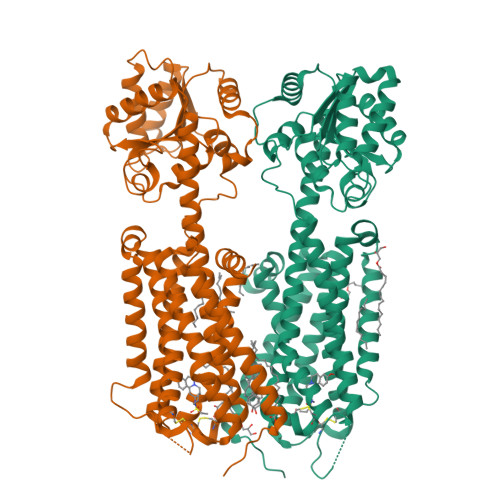 Click to view 3D structure | Alpha-2C adrenergic receptor | P18825 | Humans | Predicted (SEA) | - Prediction Confidence Score
- 0.199
- Applicability Domain
- 0.219 Low confidence
- Statistical Significance
- 0.6107
- Supporting Reference Compounds
- 386
- E-value
- 4754.64
|
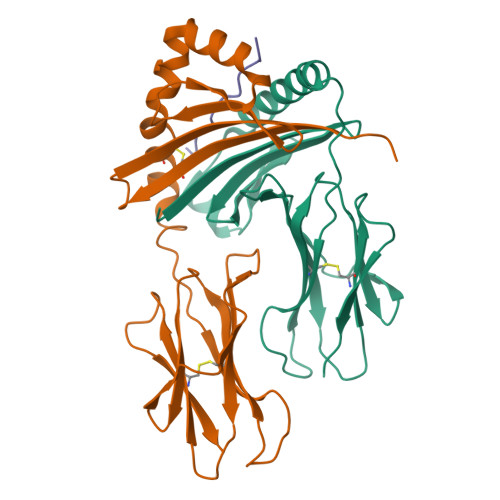 Click to view 3D structure | HLA class II histocompatibility antigen, DR beta 3 chain | P79483 | Humans | Predicted (SEA) | - Prediction Confidence Score
- 0.197
- Applicability Domain
- 0.197 Low confidence
- Statistical Significance
- 0.0185
- Supporting Reference Compounds
- 1
- E-value
- 144.177
|
 Click to view 3D structure | Sigma non-opioid intracellular receptor 1 | Q99720 | Humans | Predicted (SEA) | - Prediction Confidence Score
- 0.196
- Applicability Domain
- 0.286 Low confidence
- Statistical Significance
- 0.7821
- Supporting Reference Compounds
- 562
- E-value
- 6088.9
|
| Click to view 3D structure | Sigma non-opioid intracellular receptor 1 | Q9R0C9 | Rattus norvegicus | Predicted (SEA) | - Prediction Confidence Score
- 0.194
- Applicability Domain
- 0.219 Low confidence
- Statistical Significance
- 0.4079
- Supporting Reference Compounds
- 207
- E-value
- 3175.86
|
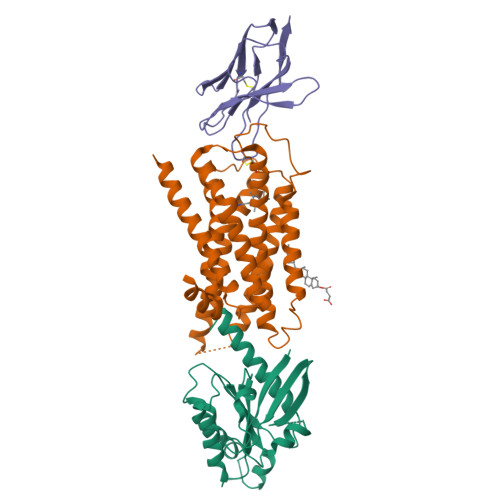 Click to view 3D structure | Alpha-1A adrenergic receptor | P35348 | Humans | Predicted (SEA) | - Prediction Confidence Score
- 0.193
- Applicability Domain
- 0.205 Low confidence
- Statistical Significance
- 0.718
- Supporting Reference Compounds
- 376
- E-value
- 5589.89
|
| Click to view 3D structure | Beta-1 adrenergic receptor | P18090 | Rattus norvegicus | Predicted (SEA) | - Prediction Confidence Score
- 0.193
- Applicability Domain
- 0.205 Low confidence
- Statistical Significance
- 0.1103
- Supporting Reference Compounds
- 43
- E-value
- 858.599
|
| Click to view 3D structure | Beta-1 adrenergic receptor | B0FL73 | Cavia porcellus | Predicted (SEA) | - Prediction Confidence Score
- 0.193
- Applicability Domain
- 0.205 Low confidence
- Statistical Significance
- 0.0787
- Supporting Reference Compounds
- 37
- E-value
- 612.751
|
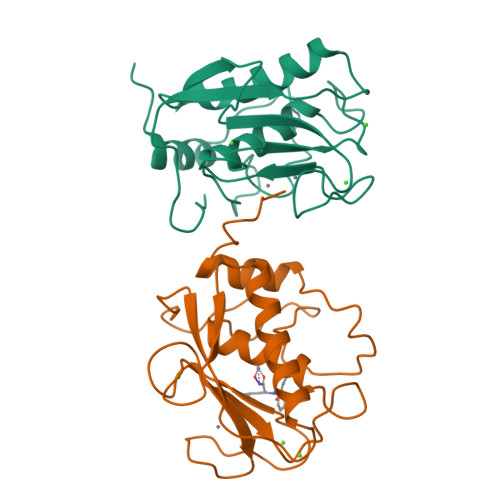 Click to view 3D structure | Stromelysin-1 | P08254 | Humans | Predicted (SEA) | - Prediction Confidence Score
- 0.192
- Applicability Domain
- 0.229 Low confidence
- Statistical Significance
- 0.5415
- Supporting Reference Compounds
- 200
- E-value
- 4215.3
|

