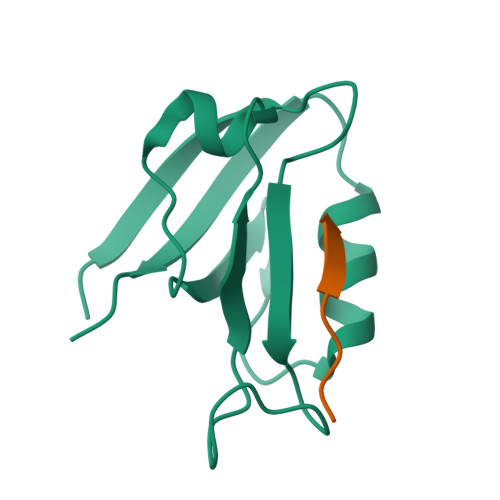
 Click to view 3D structure | 5-hydroxytryptamine receptor 2A | P14842 | Rattus norvegicus | Predicted (SEA) | - Prediction Confidence Score
- 0.271
- Applicability Domain
- 0.333
- Statistical Significance
- 0.078
- Supporting Reference Compounds
- 380
- E-value
- 607.224
|
 Click to view 3D structure | 5-hydroxytryptamine receptor 2C | P28335 | Humans | Predicted (SEA) | - Prediction Confidence Score
- 0.257
- Applicability Domain
- 0.275 Low confidence
- Statistical Significance
- 0.2177
- Supporting Reference Compounds
- 823
- E-value
- 1694.7
|
 Click to view 3D structure | Amine oxidase [flavin-containing] A | P21397 | Humans | Predicted (SEA) | - Prediction Confidence Score
- 0.257
- Applicability Domain
- 0.275 Low confidence
- Statistical Significance
- 0.0705
- Supporting Reference Compounds
- 241
- E-value
- 548.603
|
 Click to view 3D structure | 5-hydroxytryptamine receptor 2B | P41595 | Humans | Predicted (SEA) | - Prediction Confidence Score
- 0.257
- Applicability Domain
- 0.275 Low confidence
- Statistical Significance
- 0.185
- Supporting Reference Compounds
- 686
- E-value
- 1440.13
|
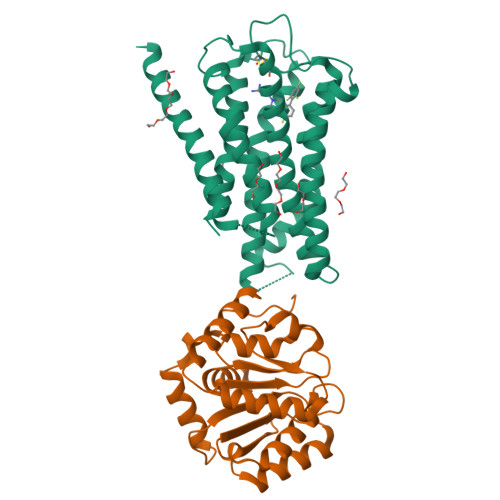 Click to view 3D structure | 5-hydroxytryptamine receptor 5A | P47898 | Humans | Predicted (SEA) | - Prediction Confidence Score
- 0.255
- Applicability Domain
- 0.275 Low confidence
- Statistical Significance
- 0.066
- Supporting Reference Compounds
- 225
- E-value
- 513.493
|
 Click to view 3D structure | 5-hydroxytryptamine receptor 1E | P28566 | Humans | Predicted (SEA) | - Prediction Confidence Score
- 0.254
- Applicability Domain
- 0.275 Low confidence
- Statistical Significance
- 0.0449
- Supporting Reference Compounds
- 139
- E-value
- 349.699
|
 Click to view 3D structure | Cytochrome P450 1A2 | P05177 | Humans | Predicted (SEA) | - Prediction Confidence Score
- 0.248
- Applicability Domain
- 0.304
- Statistical Significance
- 0.3732
- Supporting Reference Compounds
- 793
- E-value
- 2905.1
|
 Click to view 3D structure | Carbonic anhydrase 2 | P00918 | Humans | Predicted (SEA) | - Prediction Confidence Score
- 0.244
- Applicability Domain
- 0.25 Low confidence
- Statistical Significance
- 0.196
- Supporting Reference Compounds
- 472
- E-value
- 1525.53
|
 Click to view 3D structure | Amine oxidase [flavin-containing] B | P27338 | Humans | Predicted (SEA) | - Prediction Confidence Score
- 0.244
- Applicability Domain
- 0.275 Low confidence
- Statistical Significance
- 0.1614
- Supporting Reference Compounds
- 315
- E-value
- 1256.33
|
 Click to view 3D structure | 5-hydroxytryptamine receptor 1A | P08908 | Humans | Predicted (SEA) | - Prediction Confidence Score
- 0.242
- Applicability Domain
- 0.256 Low confidence
- Statistical Significance
- 0.3405
- Supporting Reference Compounds
- 953
- E-value
- 2651.08
|
 Click to view 3D structure | 5-hydroxytryptamine receptor 6 | P50406 | Humans | Predicted (SEA) | - Prediction Confidence Score
- 0.235
- Applicability Domain
- 0.275 Low confidence
- Statistical Significance
- 0.2682
- Supporting Reference Compounds
- 536
- E-value
- 2087.92
|
 Click to view 3D structure | 5-hydroxytryptamine receptor 4 | Q13639 | Humans | Predicted (SEA) | - Prediction Confidence Score
- 0.233
- Applicability Domain
- 0.275 Low confidence
- Statistical Significance
- 0.0901
- Supporting Reference Compounds
- 101
- E-value
- 701.499
|
 Click to view 3D structure | Dual specificity tyrosine-phosphorylation-regulated kinase 2 | Q92630 | Humans | Predicted (SEA) | - Prediction Confidence Score
- 0.232
- Applicability Domain
- 0.289 Low confidence
- Statistical Significance
- 0.1765
- Supporting Reference Compounds
- 196
- E-value
- 1374.27
|
 Click to view 3D structure | 5-hydroxytryptamine receptor 1B | P28222 | Humans | Predicted (SEA) | - Prediction Confidence Score
- 0.229
- Applicability Domain
- 0.256 Low confidence
- Statistical Significance
- 0.273
- Supporting Reference Compounds
- 337
- E-value
- 2125.67
|
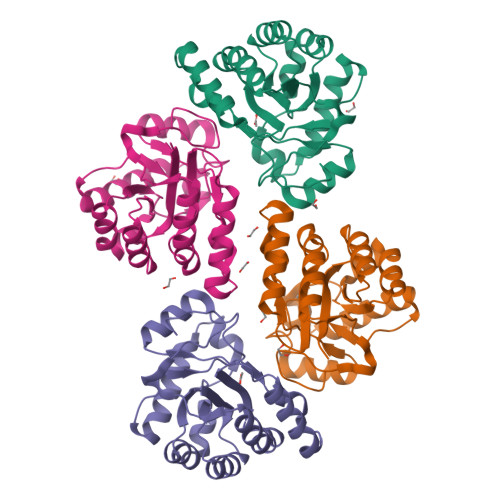 Click to view 3D structure | Peptidoglycan-N-acetylglucosamine deacetylase BC_1974 | Q81EJ6 | Bacillus cereus (strain ATCC 14579 / DSM 31 / JCM 2152 / NBRC 15305 /NCIMB 9373 / NRRL B-3711) | Predicted (SEA) | - Prediction Confidence Score
- 0.229
- Applicability Domain
- 0.229 Low confidence
- Statistical Significance
- 0.0142
- Supporting Reference Compounds
- 1
- E-value
- 110.468
|
 Click to view 3D structure | Dual specificity tyrosine-phosphorylation-regulated kinase 1A | Q13627 | Humans | Predicted (SEA) | - Prediction Confidence Score
- 0.227
- Applicability Domain
- 0.289 Low confidence
- Statistical Significance
- 0.579
- Supporting Reference Compounds
- 906
- E-value
- 4507.7
|
 Click to view 3D structure | Indoleamine 2,3-dioxygenase 1 | P14902 | Humans | Predicted (SEA) | - Prediction Confidence Score
- 0.226
- Applicability Domain
- 0.3
- Statistical Significance
- 0.0731
- Supporting Reference Compounds
- 108
- E-value
- 569.0
|
 Click to view 3D structure | Carbonic anhydrase 1 | P00915 | Humans | Predicted (SEA) | - Prediction Confidence Score
- 0.225
- Applicability Domain
- 0.25 Low confidence
- Statistical Significance
- 0.2841
- Supporting Reference Compounds
- 407
- E-value
- 2211.93
|
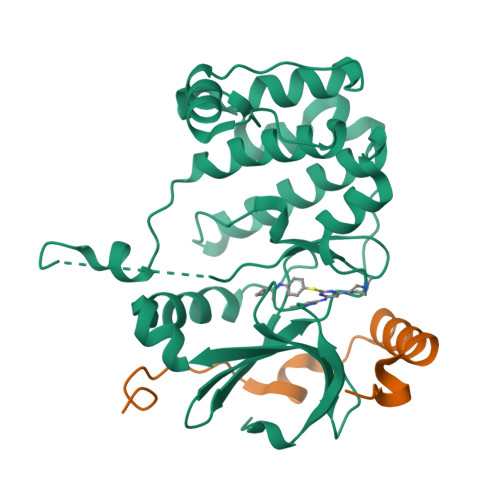 Click to view 3D structure | Aurora kinase B | Q96GD4 | Humans | Predicted (SEA) | - Prediction Confidence Score
- 0.223
- Applicability Domain
- 0.275 Low confidence
- Statistical Significance
- 0.6402
- Supporting Reference Compounds
- 1017
- E-value
- 4984.14
|
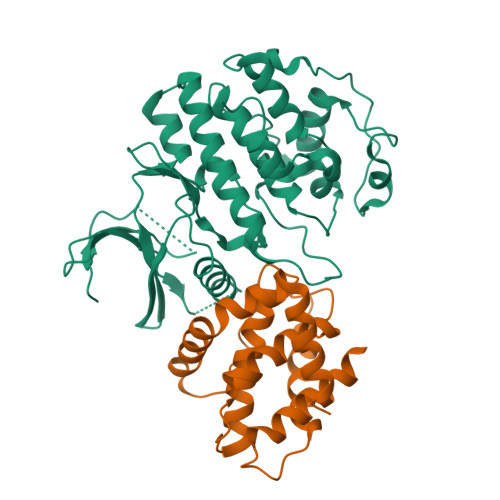 Click to view 3D structure | Cyclin-dependent kinase 5 | Q00535 | Humans | Predicted (SEA) | - Prediction Confidence Score
- 0.222
- Applicability Domain
- 0.275 Low confidence
- Statistical Significance
- 0.5953
- Supporting Reference Compounds
- 779
- E-value
- 4634.13
|
 Click to view 3D structure | 5-hydroxytryptamine receptor 1D | P28221 | Humans | Predicted (SEA) | - Prediction Confidence Score
- 0.222
- Applicability Domain
- 0.256 Low confidence
- Statistical Significance
- 0.3464
- Supporting Reference Compounds
- 365
- E-value
- 2696.77
|
 Click to view 3D structure | Polyunsaturated fatty acid 5-lipoxygenase | P12527 | Rattus norvegicus | Predicted (SEA) | - Prediction Confidence Score
- 0.222
- Applicability Domain
- 0.304
- Statistical Significance
- 0.083
- Supporting Reference Compounds
- 78
- E-value
- 646.226
|
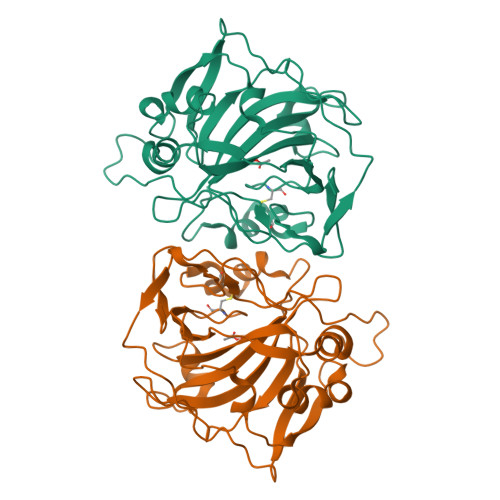 Click to view 3D structure | Carbonic anhydrase 12 | O43570 | Humans | Predicted (SEA) | - Prediction Confidence Score
- 0.219
- Applicability Domain
- 0.25 Low confidence
- Statistical Significance
- 0.2994
- Supporting Reference Compounds
- 332
- E-value
- 2330.49
|
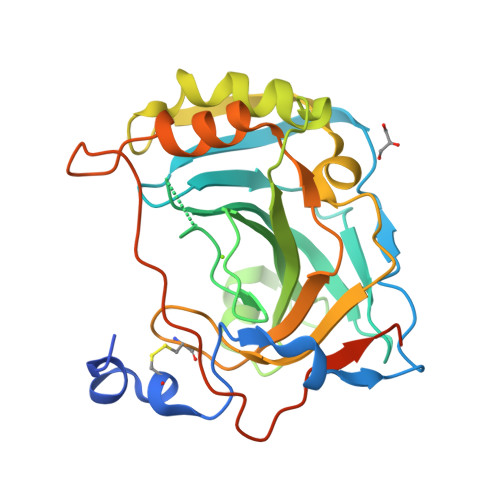 Click to view 3D structure | Carbonic anhydrase 6 | P23280 | Humans | Predicted (SEA) | - Prediction Confidence Score
- 0.218
- Applicability Domain
- 0.25 Low confidence
- Statistical Significance
- 0.1398
- Supporting Reference Compounds
- 151
- E-value
- 1088.33
|
 Click to view 3D structure | Epidermal growth factor receptor | P00533 | Humans | Predicted (SEA) | - Prediction Confidence Score
- 0.217
- Applicability Domain
- 0.25 Low confidence
- Statistical Significance
- 0.7503
- Supporting Reference Compounds
- 1301
- E-value
- 5840.72
|

