3-(3-trimethoxysilylpropoxy)aniline (CED0096159)

Record Information
Version1.0
Creation Date2026-08-18 20:26:52 UTC
Update Date2026-08-18 20:26:52 UTC
SynCED IDCED0096159
Secondary Accession Numbers
  • CHEM168489
Identification
Common Name3-(3-trimethoxysilylpropoxy)aniline
ClassSmall Molecule
Description
3-(3-trimethoxysilylpropoxy)aniline (C12H21NO4Si) is an organic compound with an average molecular weight of 271.38 g/mol. 3-(3-trimethoxysilylpropoxy)aniline belongs to the aminophenyl ethers, a subclass of phenol ethers within the organic compounds. This substance has been identified in or released from two recorded sources, specifically power cables and antennas used in electrical and electronic equipment.
Contaminant TypeNot Available
Chemical Structure
SynonymsNot Available
Chemical FormulaC12H21NO4Si
Average Molecular Mass271.380 g/mol
Monoisotopic Mass271.124 g/mol
CAS Registry Number71550-66-8
IUPAC NameNot Available
Traditional NameNot Available
SMILESNot Available
InChI IdentifierInChI=1S/C12H21NO4Si/c1-14-18(15-2,16-3)9-5-8-17-12-7-4-6-11(13)10-12/h4,6-7,10H,5,8-9,13H2,1-3H3
InChI KeyHUPGCAGBHBJUJC-UHFFFAOYSA-N
Chemical Taxonomy
ClassificationNot classified
Biological Properties
StatusDetected and Not Quantified
OriginNot Available
Cellular LocationsNot Available
Biofluid LocationsNot Available
Tissue LocationsNot Available
ApplicationsNot Available
Biological RolesNot Available
Chemical RolesNot Available
Organoleptic EffectsNot Available
Physical Properties
StateNot Available
AppearanceNot Available
Experimental Properties
PropertyValue
Melting PointNot Available
Boiling PointNot Available
SolubilityNot Available
Predicted PropertiesNot Available
Spectra
SpectraNot Available
Toxicity Profile
Toxicity Values
Toxicity ValueOrganismDose DescriptorRoute of ExposurePredicted or ExperimentalToxicity RatingReference
1683.0 Log mg/kg [950:3000]RatLD50oralpredictedNot AvailableNot Available
Toxicity / Toxin ClassNot Available
Mechanism of ToxicityNot Available
Carcinogenicity (IARC Classification)Not Available
Minimum Risk LevelNot Available
SymptomsNot Available
TreatmentNot Available
Health Effects
Health EffectRelationshipDirectionDescriptionReference
Exposure Sources
Source IDSourceSectorReference
CEDs000181Ballast water?Ballast water, taken on by ships to maintain stability and balance, often contains a diverse array of microorganisms, including bacteria, viruses, and plankton.Marine, shipping & aquaculturePubChem
CEDs000182Bilge water?Bilge water is a byproduct generated from the accumulation of water in the lowest part of a ship's hull, which may include a mixture of seawater, oil, fuel residues, and various contaminants.Marine, shipping & aquaculturePubChem
CEDs000506Antennas?Antennas, commonly used in communication technologies, can be a source of synthetic chemical contamination through the materials and coatings used in their construction.Electrical & Electronic EquipmentPubChem
CEDs000511Conductors Or Conductive Bodies Characterised By The Conductive Materials?Conductors, or conductive bodies, are materials that allow the flow of electrical current, typically made from metals such as copper, aluminum, or silver.Electrical & Electronic EquipmentPubChem
CEDs000519Electrodes?Electrodes, used in various electrical and electronic applications, can be a source of synthetic chemical contamination due to the materials from which they are constructed and the processes involved in their manufacturing.Electrical & Electronic EquipmentPubChem
CEDs000529Power Cables?Power cables are used to transmit electrical energy and are typically composed of conductive materials, insulation, and protective coatings.Electrical & Electronic EquipmentPubChem
CEDs000611Anti Perspirants Or Body Deoderants?Antiperspirants and body deodorants commonly contain synthetic chemicals such as aluminum compounds, parabens, and synthetic fragrances.Personal care & cosmeticsPubChem
CEDs000615Eye Makeup Products?Eye makeup products, including mascaras, eyeliners, and eyeshadows, often contain a variety of synthetic chemicals such as pigments, preservatives, and film-forming agents.Personal care & cosmeticsPubChem
CEDs000617Lip Care Products?Lip care products, including lipsticks, balms, and glosses, often contain a variety of synthetic chemicals such as parabens, phthalates, and synthetic fragrances.Personal care & cosmeticsPubChem
CEDs000618Lip Makeup Products?Lip makeup products, such as lipsticks, lip glosses, and lip liners, often contain a variety of synthetic chemicals, including pigments, preservatives, and emollients.Personal care & cosmeticsPubChem
CEDs000619Manicure Pedicure?Manicure and pedicure procedures often involve the use of various synthetic chemicals, including solvents, nail polishes, and nail adhesives.Personal care & cosmeticsPubChem
CEDs000642Footwear?Footwear production often involves the use of various synthetic chemicals, such as adhesives, dyes, and treatments, which can contribute to environmental contamination.Textiles, leather & furnishingsPubChem
CEDs000688Glass Coatings?Glass coatings are synthetic chemical formulations applied to glass surfaces to enhance properties such as durability, UV resistance, and aesthetic appeal.Building & ConstructionPubChem
CEDs000693Silica Glass?Silica glass, primarily composed of silicon dioxide (SiO2), is widely used in various applications, including windows, glass facades, and insulation materials.Building & ConstructionPubChem
CEDs000696Nanotechnology?Nanotechnology involves the manipulation of materials at the molecular or atomic level, typically within the range of 1 to 100 nanometers.Industrial manufacturing & chemical processingPubChem
CEDs000703Blackboards?Blackboards, traditionally made from slate or coated wood, can also be produced using synthetic materials that may contain various chemicals.Paper, pulp & fiber productsPubChem
CEDs000734Coating Compositions?Coating compositions, which include paints, sealants, and varnishes, are formulated with a variety of synthetic chemicals such as solvents, resins, pigments, and additives.Building & ConstructionPubChem
CEDs000738Cooling Circuit Water?Cooling circuit water is utilized in various industrial processes to absorb and dissipate heat generated during operations.Industrial manufacturing & chemical processingPubChem
CEDs000739Inks?Inks are complex mixtures composed of pigments or dyes, solvents, resins, and additives used primarily for printing and writing applications.Paper, pulp & fiber productsPubChem
CEDs000740Paper?Paper production involves the processing of wood fibers and the use of various chemicals, which can lead to synthetic chemical contamination.Paper, pulp & fiber productsPubChem
CEDs000744Water, Wastewater, & Sewage Treatment?Water, wastewater, and sewage treatment processes are critical for managing and mitigating pollutants in water systems.Wastewater, sanitation & biosolidsPubChem
Pathways
0 pathwaysPathway Source: PathBank

No pathways found

No metabolic pathways have been associated with this synthetic chemical

Targets
StructureProteinUniProt IDOrganismRelationshipDetails
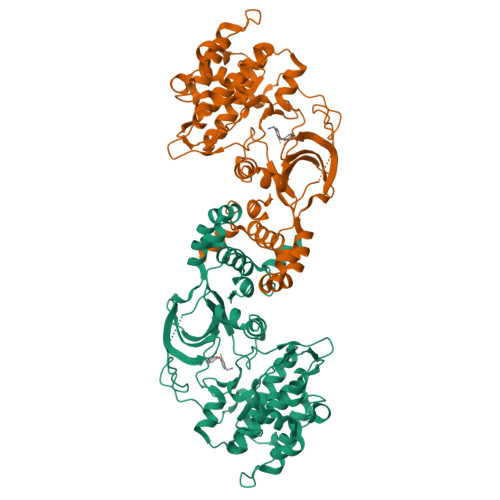
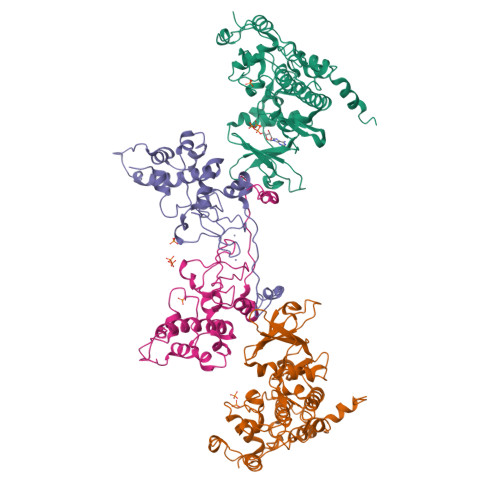
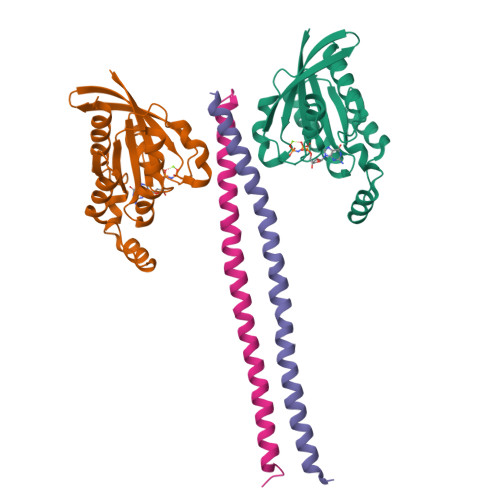
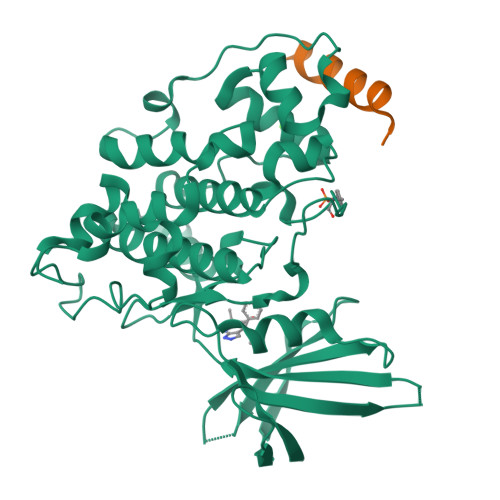
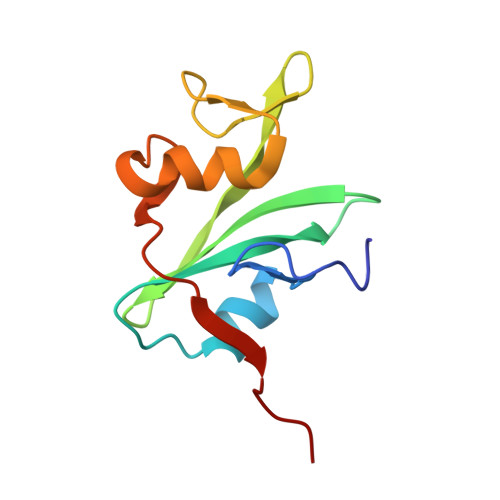
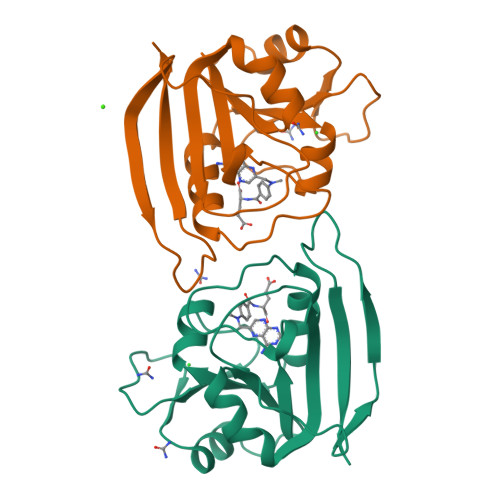
Click to view 3D structureDihydrofolate reductaseQ8Z9J9Salmonella enterica subsp. enterica serovar TyphiPredicted (SEA)
Prediction Confidence Score
0.294
Applicability Domain
0.352
Statistical Significance
0.0012
Supporting Reference Compounds
13
E-value
9.41976
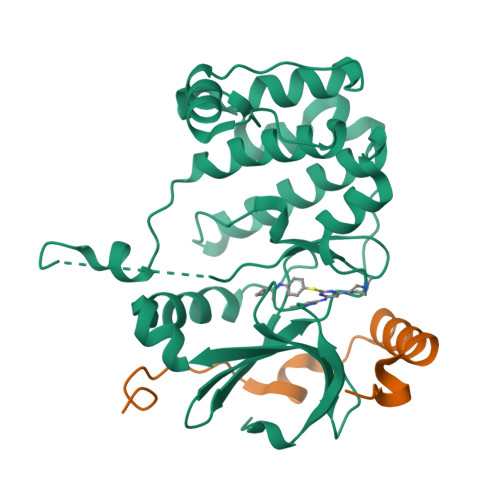
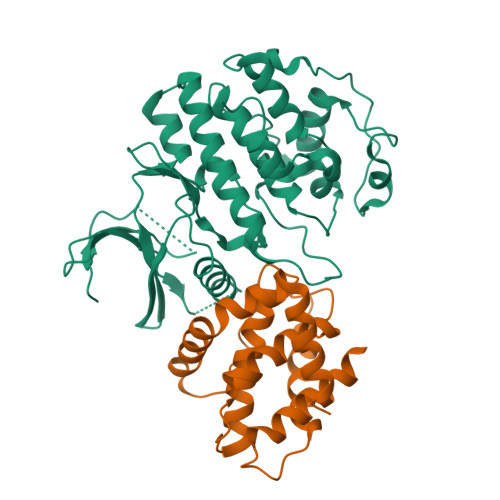
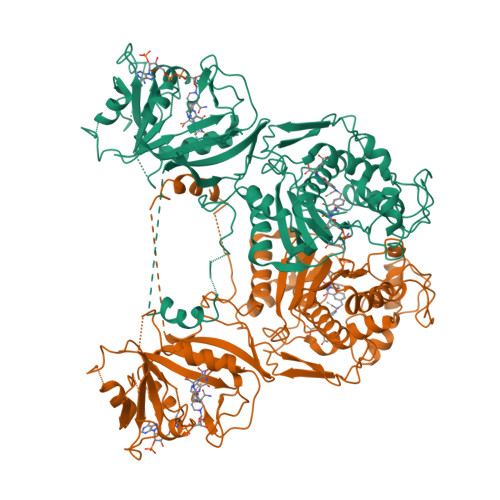
Rho-associated protein kinase 2 structureClick to view 3D structureRho-associated protein kinase 2O75116HumansPredicted (SEA)
Prediction Confidence Score
0.285
Applicability Domain
0.327
Statistical Significance
0.1422
Supporting Reference Compounds
811
E-value
1106.78
Click to view 3D structureDihydrofolate reductaseQ920D2Rattus norvegicusPredicted (SEA)
Prediction Confidence Score
0.283
Applicability Domain
0.3
Statistical Significance
0.0048
Supporting Reference Compounds
82
E-value
37.0562
Ribosomal protein S6 kinase beta-1 structureClick to view 3D structureRibosomal protein S6 kinase beta-1P23443HumansPredicted (SEA)
Prediction Confidence Score
0.283
Applicability Domain
0.327
Statistical Significance
0.1174
Supporting Reference Compounds
590
E-value
913.638
Casein kinase II subunit alpha structureClick to view 3D structureCasein kinase II subunit alphaP68400HumansPredicted (SEA)
Prediction Confidence Score
0.283
Applicability Domain
0.327
Statistical Significance
0.1128
Supporting Reference Compounds
593
E-value
877.828
Glycogen synthase kinase-3 beta structureClick to view 3D structureGlycogen synthase kinase-3 betaP49841HumansPredicted (SEA)
Prediction Confidence Score
0.282
Applicability Domain
0.327
Statistical Significance
0.1949
Supporting Reference Compounds
1157
E-value
1517.67
Rho-associated protein kinase 1 structureClick to view 3D structureRho-associated protein kinase 1Q13464HumansPredicted (SEA)
Prediction Confidence Score
0.28
Applicability Domain
0.327
Statistical Significance
0.1604
Supporting Reference Compounds
834
E-value
1248.94
Vascular endothelial growth factor receptor 2 structureClick to view 3D structureVascular endothelial growth factor receptor 2P35968HumansPredicted (SEA)
Prediction Confidence Score
0.279
Applicability Domain
0.327
Statistical Significance
0.2345
Supporting Reference Compounds
1660
E-value
1825.8
Serine/threonine-protein kinase pim-1 structureClick to view 3D structureSerine/threonine-protein kinase pim-1P11309HumansPredicted (SEA)
Prediction Confidence Score
0.278
Applicability Domain
0.327
Statistical Significance
0.1819
Supporting Reference Compounds
967
E-value
1415.77
Aurora kinase B structureClick to view 3D structureAurora kinase BQ96GD4HumansPredicted (SEA)
Prediction Confidence Score
0.278
Applicability Domain
0.327
Statistical Significance
0.1926
Supporting Reference Compounds
1017
E-value
1499.77
Dual specificity tyrosine-phosphorylation-regulated kinase 1A structureClick to view 3D structureDual specificity tyrosine-phosphorylation-regulated kinase 1AQ13627HumansPredicted (SEA)
Prediction Confidence Score
0.277
Applicability Domain
0.327
Statistical Significance
0.1755
Supporting Reference Compounds
906
E-value
1366.57
Glycogen synthase kinase-3 alpha structureClick to view 3D structureGlycogen synthase kinase-3 alphaP49840HumansPredicted (SEA)
Prediction Confidence Score
0.277
Applicability Domain
0.327
Statistical Significance
0.1636
Supporting Reference Compounds
754
E-value
1274.0
Serine/threonine-protein kinase Chk1 structureClick to view 3D structureSerine/threonine-protein kinase Chk1O14757HumansPredicted (SEA)
Prediction Confidence Score
0.277
Applicability Domain
0.327
Statistical Significance
0.1623
Supporting Reference Compounds
807
E-value
1263.34
Cyclin-dependent kinase 5 structureClick to view 3D structureCyclin-dependent kinase 5Q00535HumansPredicted (SEA)
Prediction Confidence Score
0.277
Applicability Domain
0.327
Statistical Significance
0.1584
Supporting Reference Compounds
779
E-value
1233.44
5'-AMP-activated protein kinase catalytic subunit alpha-1 structureClick to view 3D structure5'-AMP-activated protein kinase catalytic subunit alpha-1Q13131HumansPredicted (SEA)
Prediction Confidence Score
0.277
Applicability Domain
0.327
Statistical Significance
0.1348
Supporting Reference Compounds
596
E-value
1049.72
Click to view 3D structureSolute carrier family 2, facilitated glucose transporter member 8Q9NY64HumansPredicted (SEA)
Prediction Confidence Score
0.277
Applicability Domain
0.277 Low confidence
Statistical Significance
0.0045
Supporting Reference Compounds
1
E-value
34.9543
Tyrosine-protein kinase ABL1 structureClick to view 3D structureTyrosine-protein kinase ABL1P00519HumansPredicted (SEA)
Prediction Confidence Score
0.276
Applicability Domain
0.316
Statistical Significance
0.1862
Supporting Reference Compounds
927
E-value
1449.55
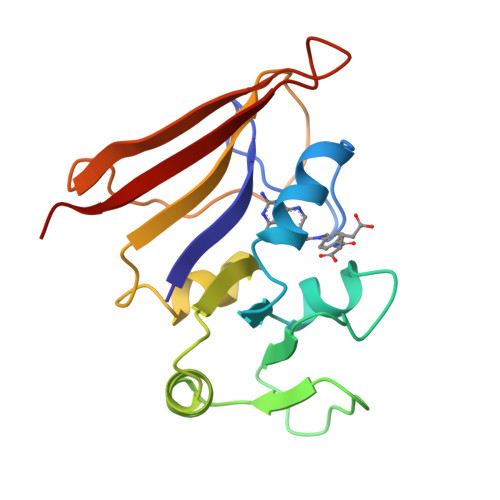
Dihydrofolate reductase structureClick to view 3D structureDihydrofolate reductaseP00374HumansPredicted (SEA)
Prediction Confidence Score
0.322
Applicability Domain
0.352
Statistical Significance
0.0037
Supporting Reference Compounds
156
E-value
28.5707
Dihydrofolate reductase structureClick to view 3D structureDihydrofolate reductaseP00381Lactobacillus caseiPredicted (SEA)
Prediction Confidence Score
0.319
Applicability Domain
0.352
Statistical Significance
0.0026
Supporting Reference Compounds
60
E-value
19.9294
Dihydrofolate reductase structureClick to view 3D structureDihydrofolate reductaseP00378Gallus gallusPredicted (SEA)
Prediction Confidence Score
0.315
Applicability Domain
0.352
Statistical Significance
0.001
Supporting Reference Compounds
33
E-value
8.09632
Dihydrofolate reductase structureClick to view 3D structureDihydrofolate reductaseP0ABQ4Escherichia coli (strain K12)Predicted (SEA)
Prediction Confidence Score
0.312
Applicability Domain
0.352
Statistical Significance
0.0031
Supporting Reference Compounds
92
E-value
24.3668
Dihydrofolate reductase structureClick to view 3D structureDihydrofolate reductaseP16184Pneumocystis cariniiPredicted (SEA)
Prediction Confidence Score
0.31
Applicability Domain
0.345
Statistical Significance
0.0028
Supporting Reference Compounds
62
E-value
21.8756
Bifunctional dihydrofolate reductase-thymidylate synthase structureClick to view 3D structureBifunctional dihydrofolate reductase-thymidylate synthaseQ07422Toxoplasma gondiiPredicted (SEA)
Prediction Confidence Score
0.306
Applicability Domain
0.321
Statistical Significance
0.0037
Supporting Reference Compounds
89
E-value
29.0378
Click to view 3D structureBifunctional dihydrofolate reductase-thymidylate synthaseP07382Leishmania majorPredicted (SEA)
Prediction Confidence Score
0.299
Applicability Domain
0.345
Statistical Significance
0.0012
Supporting Reference Compounds
29
E-value
9.49761
Dihydrofolate reductase structureClick to view 3D structureDihydrofolate reductaseO30463Mycobacterium aviumPredicted (SEA)
Prediction Confidence Score
0.294
Applicability Domain
0.321
Statistical Significance
0.0018
Supporting Reference Compounds
23
E-value
14.2464
Concentrations
Not Available
External Links
IdentifiersNot Available
References
Synthesis ReferenceNot Available
MSDSNot Available
General ReferencesNot Available