 Click to view 3D structure | Phospholipase B | Q9P8P2 | Cryptococcus neoformans | Predicted (SEA) | - Prediction Confidence Score
- 0.158
- Applicability Domain
- 0.158 Low confidence
- Statistical Significance
- 0.0044
- Supporting Reference Compounds
- 1
- E-value
- 34.1758
|
 Click to view 3D structure | Gasdermin-D | P57764 | Humans | Predicted (SEA) | - Prediction Confidence Score
- 0.146
- Applicability Domain
- 0.15 Low confidence
- Statistical Significance
- 8.80e-04
- Supporting Reference Compounds
- 2
- E-value
- 6.85073
|
 Click to view 3D structure | Gasdermin-D | Q9D8T2 | Mus musculus | Predicted (SEA) | - Prediction Confidence Score
- 0.146
- Applicability Domain
- 0.15 Low confidence
- Statistical Significance
- 8.80e-04
- Supporting Reference Compounds
- 2
- E-value
- 6.85073
|
| Click to view 3D structure | Carbamate kinase | O97438 | Giardia intestinalis | Predicted (SEA) | - Prediction Confidence Score
- 0.143
- Applicability Domain
- 0.143 Low confidence
- Statistical Significance
- 0.0012
- Supporting Reference Compounds
- 1
- E-value
- 9.26406
|
| Click to view 3D structure | Solute carrier family 22 member 2 | Q9R0W2 | Rattus norvegicus | Predicted (SEA) | - Prediction Confidence Score
- 0.142
- Applicability Domain
- 0.2 Low confidence
- Statistical Significance
- 0.0738
- Supporting Reference Compounds
- 14
- E-value
- 574.294
|
| Click to view 3D structure | Solute carrier family 22 member 1 | O08966 | Mus musculus | Predicted (SEA) | - Prediction Confidence Score
- 0.134
- Applicability Domain
- 0.231 Low confidence
- Statistical Significance
- 0.0041
- Supporting Reference Compounds
- 6
- E-value
- 32.1517
|
 Click to view 3D structure | All-trans-retinol dehydrogenase [NAD(+)] ADH7 | P40394 | Humans | Predicted (SEA) | - Prediction Confidence Score
- 0.13
- Applicability Domain
- 0.13 Low confidence
- Statistical Significance
- 0.0184
- Supporting Reference Compounds
- 1
- E-value
- 143.632
|
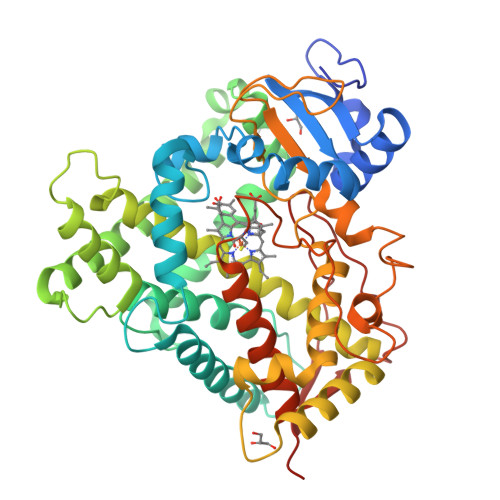 Click to view 3D structure | Cytochrome P450 2C19 | P33261 | Humans | Predicted (SEA) | - Prediction Confidence Score
- 0.128
- Applicability Domain
- 0.147 Low confidence
- Statistical Significance
- 0.9986
- Supporting Reference Compounds
- 825
- E-value
- 7774.41
|
 Click to view 3D structure | Cytochrome P450 1A2 | P05177 | Humans | Predicted (SEA) | - Prediction Confidence Score
- 0.127
- Applicability Domain
- 0.143 Low confidence
- Statistical Significance
- 0.9985
- Supporting Reference Compounds
- 793
- E-value
- 7773.01
|
 Click to view 3D structure | Carbonic anhydrase 1 | P00915 | Humans | Predicted (SEA) | - Prediction Confidence Score
- 0.127
- Applicability Domain
- 0.143 Low confidence
- Statistical Significance
- 0.9957
- Supporting Reference Compounds
- 407
- E-value
- 7751.37
|
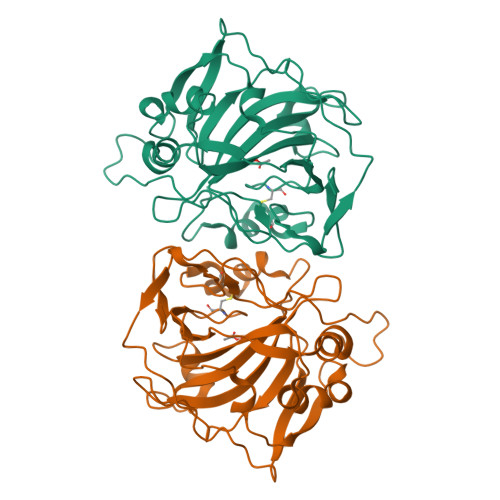 Click to view 3D structure | Carbonic anhydrase 12 | O43570 | Humans | Predicted (SEA) | - Prediction Confidence Score
- 0.127
- Applicability Domain
- 0.143 Low confidence
- Statistical Significance
- 0.9935
- Supporting Reference Compounds
- 332
- E-value
- 7734.01
|
 Click to view 3D structure | D(3) dopamine receptor | P35462 | Humans | Predicted (SEA) | - Prediction Confidence Score
- 0.127
- Applicability Domain
- 0.143 Low confidence
- Statistical Significance
- 0.9983
- Supporting Reference Compounds
- 861
- E-value
- 7772.08
|
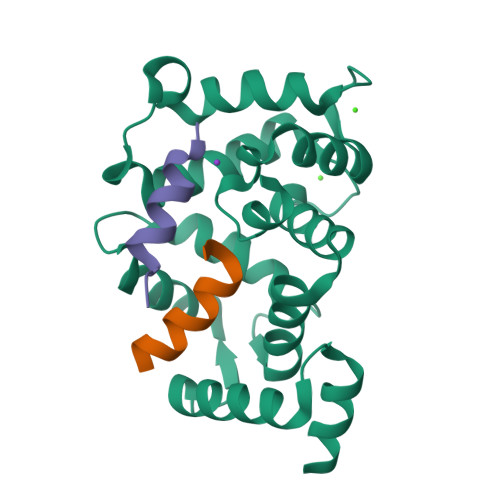 Click to view 3D structure | D(2) dopamine receptor | P14416 | Humans | Predicted (SEA) | - Prediction Confidence Score
- 0.127
- Applicability Domain
- 0.143 Low confidence
- Statistical Significance
- 0.9988
- Supporting Reference Compounds
- 1103
- E-value
- 7775.89
|
 Click to view 3D structure | Peroxisome proliferator-activated receptor alpha | Q07869 | Humans | Predicted (SEA) | - Prediction Confidence Score
- 0.126
- Applicability Domain
- 0.136 Low confidence
- Statistical Significance
- 0.9825
- Supporting Reference Compounds
- 127
- E-value
- 7648.37
|
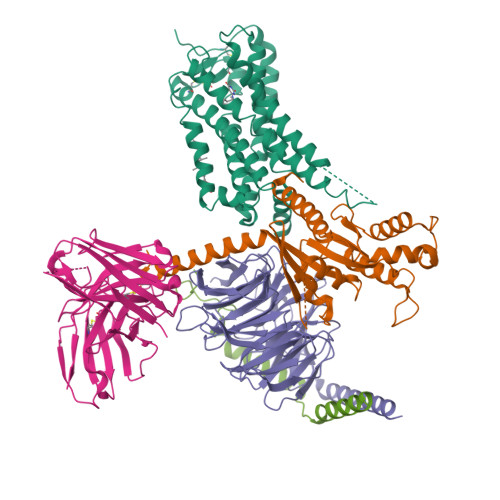 Click to view 3D structure | G-protein coupled receptor 84 | Q9NQS5 | Humans | Predicted (SEA) | - Prediction Confidence Score
- 0.126
- Applicability Domain
- 0.136 Low confidence
- Statistical Significance
- 0.6285
- Supporting Reference Compounds
- 15
- E-value
- 4892.82
|
 Click to view 3D structure | Primary amine oxidase | Q43077 | Pisum sativum | Predicted (SEA) | - Prediction Confidence Score
- 0.125
- Applicability Domain
- 0.125 Low confidence
- Statistical Significance
- 0.0967
- Supporting Reference Compounds
- 1
- E-value
- 752.491
|
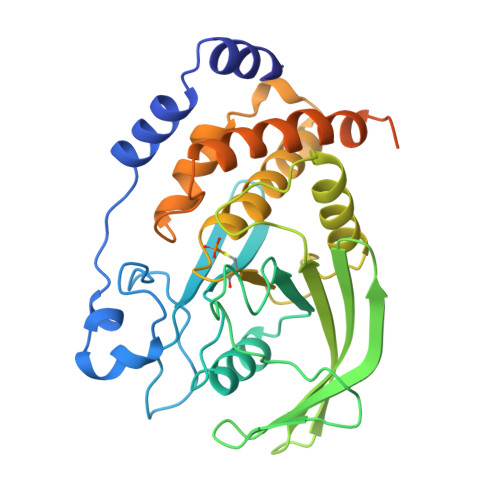 Click to view 3D structure | Tyrosine-protein phosphatase non-receptor type 1 | P18031 | Humans | Predicted (SEA) | - Prediction Confidence Score
- 0.125
- Applicability Domain
- 0.136 Low confidence
- Statistical Significance
- 0.9886
- Supporting Reference Compounds
- 197
- E-value
- 7696.41
|
 Click to view 3D structure | Aromatase | P11511 | Humans | Predicted (SEA) | - Prediction Confidence Score
- 0.124
- Applicability Domain
- 0.147 Low confidence
- Statistical Significance
- 0.9796
- Supporting Reference Compounds
- 127
- E-value
- 7626.19
|
 Click to view 3D structure | Carbonic anhydrase 2 | P00918 | Humans | Predicted (SEA) | - Prediction Confidence Score
- 0.123
- Applicability Domain
- 0.143 Low confidence
- Statistical Significance
- 0.9984
- Supporting Reference Compounds
- 472
- E-value
- 7772.31
|
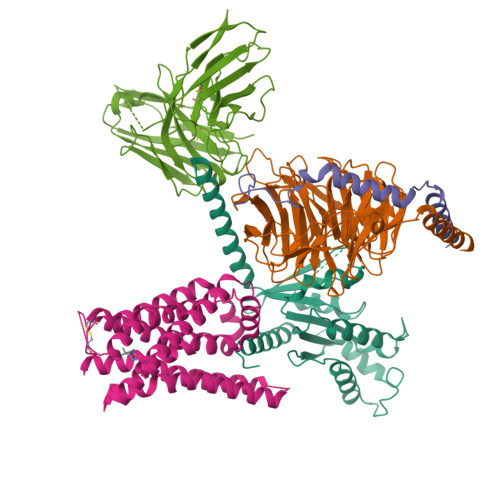 Click to view 3D structure | Alpha-2B adrenergic receptor | P18089 | Humans | Predicted (SEA) | - Prediction Confidence Score
- 0.123
- Applicability Domain
- 0.143 Low confidence
- Statistical Significance
- 0.9983
- Supporting Reference Compounds
- 340
- E-value
- 7771.77
|
 Click to view 3D structure | Alpha-2A adrenergic receptor | P08913 | Humans | Predicted (SEA) | - Prediction Confidence Score
- 0.123
- Applicability Domain
- 0.143 Low confidence
- Statistical Significance
- 0.9991
- Supporting Reference Compounds
- 487
- E-value
- 7777.68
|
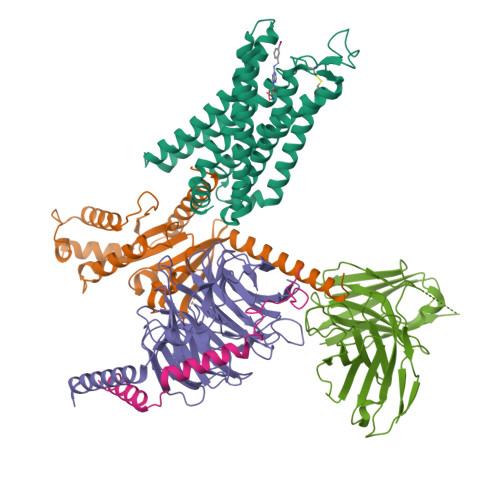 Click to view 3D structure | Adenosine receptor A3 | P0DMS8 | Humans | Predicted (SEA) | - Prediction Confidence Score
- 0.122
- Applicability Domain
- 0.143 Low confidence
- Statistical Significance
- 0.9985
- Supporting Reference Compounds
- 391
- E-value
- 7773.17
|
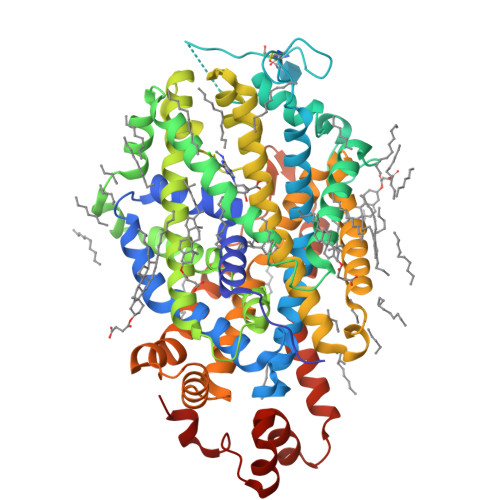 Click to view 3D structure | Sodium-dependent dopamine transporter | Q01959 | Humans | Predicted (SEA) | - Prediction Confidence Score
- 0.122
- Applicability Domain
- 0.143 Low confidence
- Statistical Significance
- 0.9992
- Supporting Reference Compounds
- 506
- E-value
- 7779.08
|
 Click to view 3D structure | D(4) dopamine receptor | P21917 | Humans | Predicted (SEA) | - Prediction Confidence Score
- 0.122
- Applicability Domain
- 0.143 Low confidence
- Statistical Significance
- 0.998
- Supporting Reference Compounds
- 524
- E-value
- 7769.51
|
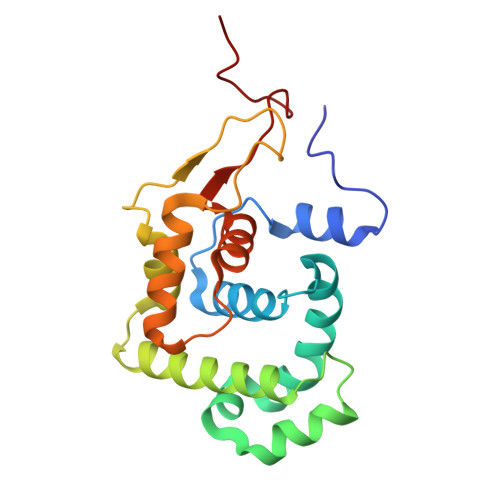 Click to view 3D structure | DNA-3-methyladenine glycosylase 1 | P05100 | Escherichia coli (strain K12) | Predicted (SEA) | - Prediction Confidence Score
- 0.121
- Applicability Domain
- 0.121 Low confidence
- Statistical Significance
- 0.1036
- Supporting Reference Compounds
- 1
- E-value
- 806.674
|

