 Click to view 3D structure | Cystathionine beta-lyase MetC | P06721 | Escherichia coli K-12 | Predicted (SEA) | - Prediction Confidence Score
- 0.298
- Applicability Domain
- 0.298 Low confidence
- Statistical Significance
- 4.70e-04
- Supporting Reference Compounds
- 1
- E-value
- 3.65891
|
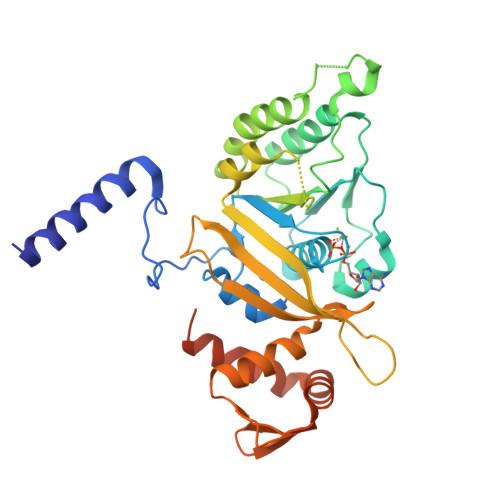 Click to view 3D structure | Protein RecA | P9WHJ3 | Mycobacterium tuberculosis | Predicted (SEA) | - Prediction Confidence Score
- 0.295
- Applicability Domain
- 0.314
- Statistical Significance
- 0.0134
- Supporting Reference Compounds
- 296
- E-value
- 104.24
|
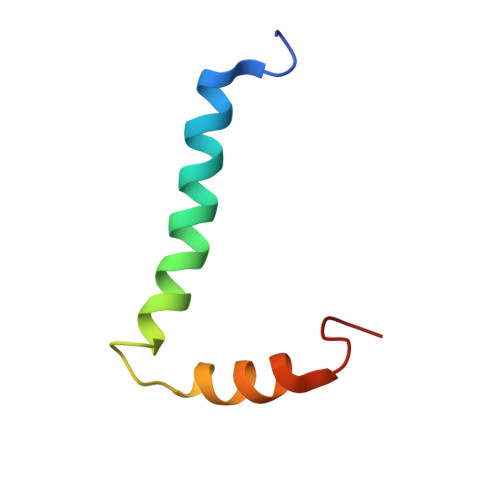 Click to view 3D structure | Toll-like receptor 9 | Q9NR96 | Humans | Predicted (SEA) | - Prediction Confidence Score
- 0.271
- Applicability Domain
- 0.314
- Statistical Significance
- 0.0108
- Supporting Reference Compounds
- 111
- E-value
- 84.155
|
 Click to view 3D structure | Aminopeptidase N | P15684 | Rattus norvegicus | Predicted (SEA) | - Prediction Confidence Score
- 0.267
- Applicability Domain
- 0.267 Low confidence
- Statistical Significance
- 5.60e-04
- Supporting Reference Compounds
- 1
- E-value
- 4.35956
|
| Click to view 3D structure | ATP-dependent molecular chaperone HSP82 | C4YTQ8 | Candida albicans (strain WO-1) (Yeast) | Predicted (SEA) | - Prediction Confidence Score
- 0.265
- Applicability Domain
- 0.298 Low confidence
- Statistical Significance
- 0.0343
- Supporting Reference Compounds
- 205
- E-value
- 266.867
|
| Click to view 3D structure | Heat shock factor protein 1 | P38532 | Mus musculus | Predicted (SEA) | - Prediction Confidence Score
- 0.256
- Applicability Domain
- 0.295 Low confidence
- Statistical Significance
- 0.0535
- Supporting Reference Compounds
- 166
- E-value
- 416.493
|
| Click to view 3D structure | Streptokinase A | P10520 | Streptococcus pyogenes serotype M1 | Predicted (SEA) | - Prediction Confidence Score
- 0.255
- Applicability Domain
- 0.298 Low confidence
- Statistical Significance
- 0.1131
- Supporting Reference Compounds
- 425
- E-value
- 880.397
|
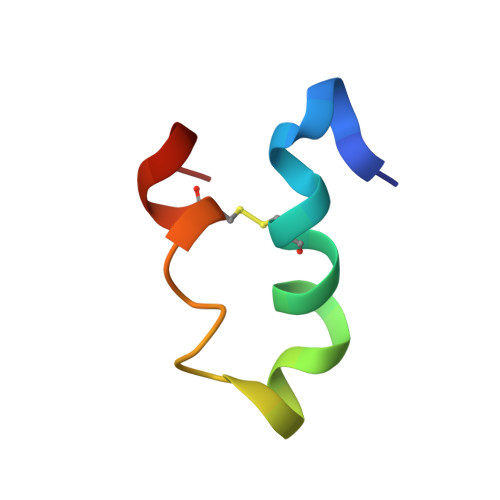 Click to view 3D structure | Sphingosine 1-phosphate receptor 4 | O95977 | Humans | Predicted (SEA) | - Prediction Confidence Score
- 0.252
- Applicability Domain
- 0.298 Low confidence
- Statistical Significance
- 0.0314
- Supporting Reference Compounds
- 117
- E-value
- 244.758
|
| Click to view 3D structure | DNA damage-inducible transcript 3 protein | P35639 | Mus musculus | Predicted (SEA) | - Prediction Confidence Score
- 0.251
- Applicability Domain
- 0.298 Low confidence
- Statistical Significance
- 0.075
- Supporting Reference Compounds
- 226
- E-value
- 583.558
|
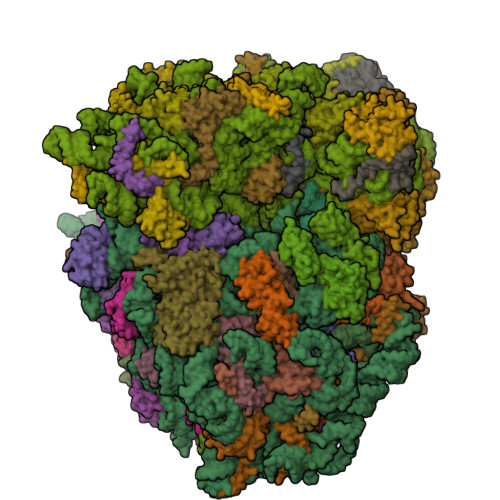 Click to view 3D structure | X-box-binding protein 1 | P17861 | Humans | Predicted (SEA) | - Prediction Confidence Score
- 0.251
- Applicability Domain
- 0.298 Low confidence
- Statistical Significance
- 0.075
- Supporting Reference Compounds
- 227
- E-value
- 583.713
|
 Click to view 3D structure | Endolysin | P00720 | Enterobacteria phage T4 | Predicted (SEA) | - Prediction Confidence Score
- 0.25
- Applicability Domain
- 0.25 Low confidence
- Statistical Significance
- 0.0036
- Supporting Reference Compounds
- 1
- E-value
- 28.2593
|
 Click to view 3D structure | Type-1 angiotensin II receptor | P30556 | Humans | Predicted (SEA) | - Prediction Confidence Score
- 0.248
- Applicability Domain
- 0.265 Low confidence
- Statistical Significance
- 0.0742
- Supporting Reference Compounds
- 141
- E-value
- 577.875
|
| Click to view 3D structure | Catechol O-methyltransferase | Q99028 | Sus scrofa | Predicted (SEA) | - Prediction Confidence Score
- 0.247
- Applicability Domain
- 0.262 Low confidence
- Statistical Significance
- 7.50e-04
- Supporting Reference Compounds
- 2
- E-value
- 5.83869
|
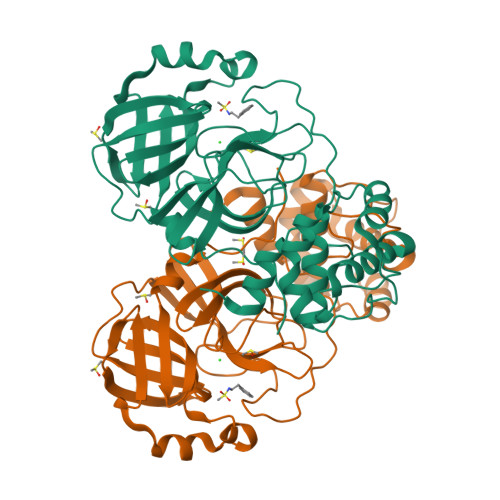 Click to view 3D structure | Replicase polyprotein 1ab | P0DTD1 | SARS-CoV-2 | Predicted (SEA) | - Prediction Confidence Score
- 0.244
- Applicability Domain
- 0.34
- Statistical Significance
- 0.074
- Supporting Reference Compounds
- 215
- E-value
- 576.006
|
| Click to view 3D structure | Beta Lactamase | Q932Y6 | Pseudomonas aeruginosa | Predicted (SEA) | - Prediction Confidence Score
- 0.24
- Applicability Domain
- 0.314
- Statistical Significance
- 0.0427
- Supporting Reference Compounds
- 91
- E-value
- 332.338
|
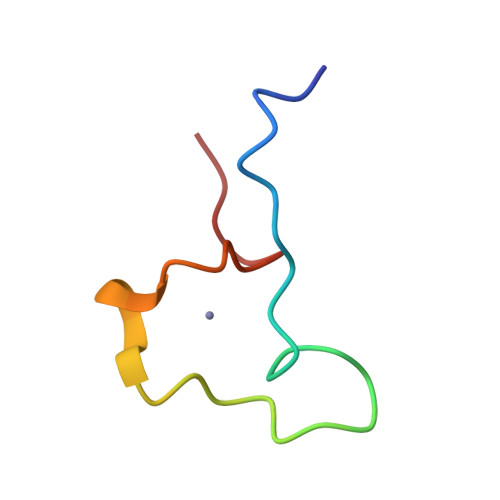 Click to view 3D structure | Zinc finger protein mex-5 | Q9XUB2 | Caenorhabditis elegans | Predicted (SEA) | - Prediction Confidence Score
- 0.24
- Applicability Domain
- 0.317
- Statistical Significance
- 0.0146
- Supporting Reference Compounds
- 88
- E-value
- 113.504
|
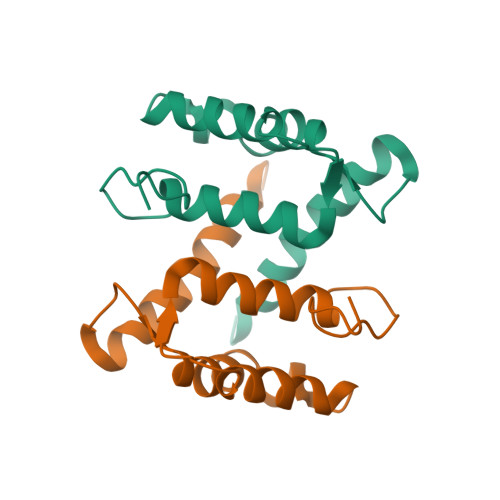 Click to view 3D structure | Protein S100-A4 | P26447 | Humans | Predicted (SEA) | - Prediction Confidence Score
- 0.238
- Applicability Domain
- 0.359
- Statistical Significance
- 0.0015
- Supporting Reference Compounds
- 8
- E-value
- 11.4438
|
 Click to view 3D structure | Fatty acid synthase | P49327 | Humans | Predicted (SEA) | - Prediction Confidence Score
- 0.235
- Applicability Domain
- 0.242 Low confidence
- Statistical Significance
- 0.0769
- Supporting Reference Compounds
- 117
- E-value
- 598.972
|
 Click to view 3D structure | Glycogen synthase kinase-3 beta | P49841 | Humans | Predicted (SEA) | - Prediction Confidence Score
- 0.235
- Applicability Domain
- 0.259 Low confidence
- Statistical Significance
- 0.5523
- Supporting Reference Compounds
- 1157
- E-value
- 4299.69
|
 Click to view 3D structure | Induced myeloid leukemia cell differentiation protein Mcl-1 | Q07820 | Humans | Predicted (SEA) | - Prediction Confidence Score
- 0.235
- Applicability Domain
- 0.268 Low confidence
- Statistical Significance
- 0.1666
- Supporting Reference Compounds
- 343
- E-value
- 1297.05
|
 Click to view 3D structure | Genome polyprotein | P29990 | dengue virus type 2 | Predicted (SEA) | - Prediction Confidence Score
- 0.234
- Applicability Domain
- 0.283 Low confidence
- Statistical Significance
- 0.046
- Supporting Reference Compounds
- 58
- E-value
- 357.873
|
 Click to view 3D structure | Catechol O-methyltransferase | P22734 | Rattus norvegicus | Predicted (SEA) | - Prediction Confidence Score
- 0.234
- Applicability Domain
- 0.255 Low confidence
- Statistical Significance
- 0.0037
- Supporting Reference Compounds
- 15
- E-value
- 29.1935
|
| Click to view 3D structure | Putative nitroreductase | Q4A0P1 | Staphylococcus saprophyticus subsp. saprophyticus (strain ATCC 15305 / DSM20229 / NCIMB 8711 / NCTC 7292 / S-41) | Predicted (SEA) | - Prediction Confidence Score
- 0.232
- Applicability Domain
- 0.256 Low confidence
- Statistical Significance
- 0.0022
- Supporting Reference Compounds
- 2
- E-value
- 16.9711
|
 Click to view 3D structure | Cytochrome P450 3A4 | P08684 | Humans | Predicted (SEA) | - Prediction Confidence Score
- 0.23
- Applicability Domain
- 0.28 Low confidence
- Statistical Significance
- 0.7667
- Supporting Reference Compounds
- 1538
- E-value
- 5968.7
|
 Click to view 3D structure | Kappa-type opioid receptor | P41145 | Humans | Predicted (SEA) | - Prediction Confidence Score
- 0.23
- Applicability Domain
- 0.264 Low confidence
- Statistical Significance
- 0.3863
- Supporting Reference Compounds
- 532
- E-value
- 3007.32
|

