2-(furan-2-yl)-7-methyl-1h-1,8-naphthyridin-4-one (CED0077717)

Record Information
Version1.0
Creation Date2026-08-18 22:26:11 UTC
Update Date2026-08-18 22:26:11 UTC
SynCED IDCED0077717
Secondary Accession Numbers
  • CHEM170498
Identification
Common Name2-(furan-2-yl)-7-methyl-1h-1,8-naphthyridin-4-one
ClassSmall Molecule
Description
2-(furan-2-yl)-7-methyl-1h-1,8-naphthyridin-4-one is an organic compound with the chemical formula C13H10N2O2 and an average molecular weight of 226.23 g/mol. 2-(furan-2-yl)-7-methyl-1h-1,8-naphthyridin-4-one belongs to the naphthyridines, a subclass of diazanaphthalenes within the organic compounds. It is further categorized under the superclass of organoheterocyclic compounds. This substance has been identified in or released from seven recorded sources across three primary categories. Within electrical and electronic equipment, it is associated with antennas, amplifiers, electric hearing aids, and video games. In the context of building and construction, the compound is found in roofs and floors. Additionally, it is recorded in household cleaning and consumer products, specifically within other smoking requisites.
Contaminant TypeNot Available
Chemical Structure
SynonymsNot Available
Chemical FormulaC13H10N2O2
Average Molecular Mass226.230 g/mol
Monoisotopic Mass226.074 g/mol
CAS Registry NumberNot Available
IUPAC NameNot Available
Traditional NameNot Available
SMILESNot Available
InChI IdentifierInChI=1S/C13H10N2O2/c1-8-4-5-9-11(16)7-10(15-13(9)14-8)12-3-2-6-17-12/h2-7H,1H3,(H,14,15,16)
InChI KeyINGWEZCOABYORO-UHFFFAOYSA-N
Chemical Taxonomy
ClassificationNot classified
Biological Properties
StatusDetected and Not Quantified
OriginNot Available
Cellular LocationsNot Available
Biofluid LocationsNot Available
Tissue LocationsNot Available
ApplicationsNot Available
Biological RolesNot Available
Chemical RolesNot Available
Organoleptic EffectsNot Available
Physical Properties
StateNot Available
AppearanceNot Available
Experimental Properties
PropertyValue
Melting PointNot Available
Boiling PointNot Available
SolubilityNot Available
Predicted PropertiesNot Available
Spectra
Spectra
Spectrum TypeDescriptionSplash KeyDeposition DateView
Predicted GC-MSPredicted GC-MS Spectrumsplash10-004j-2960000000-5a3835d3a19b11ef1d17Not AvailableView Spectrum
Predicted GC-MSPredicted GC-MS SpectrumNot AvailableNot AvailableView Spectrum
Predicted LC-MS/MSPredicted LC-MS/MS Spectrumsplash10-004i-0090000000-8f2d23b779b3e21b4068Not AvailableView Spectrum
Predicted LC-MS/MSPredicted LC-MS/MS Spectrumsplash10-0a4i-3920000000-7cacea4305dcf308e779Not AvailableView Spectrum
Predicted LC-MS/MSPredicted LC-MS/MS Spectrumsplash10-004i-0090000000-04e71529cf7b5a4918e3Not AvailableView Spectrum
Predicted LC-MS/MSPredicted LC-MS/MS Spectrumsplash10-004i-0290000000-c9b8168ba64d005d4e46Not AvailableView Spectrum
Predicted LC-MS/MSPredicted LC-MS/MS Spectrumsplash10-0002-0950000000-7f402ee0c50a5d9b4422Not AvailableView Spectrum
Toxicity Profile
Toxicity Values
Toxicity ValueOrganismDose DescriptorRoute of ExposurePredicted or ExperimentalToxicity RatingReference
265.0 Log mg/kg [150:470]RatLD50oralpredictedNot AvailableNot Available
Toxicity / Toxin ClassNot Available
Mechanism of ToxicityNot Available
Carcinogenicity (IARC Classification)Not Available
Minimum Risk LevelNot Available
SymptomsNot Available
TreatmentNot Available
Health Effects
Health EffectRelationshipDirectionDescriptionReference
Exposure Sources
Source IDSourceSectorReference
CEDs000233Brushes?Brushes used in personal care and cosmetics can be a source of synthetic chemical contamination due to the materials and coatings used in their manufacturing.Personal care & cosmeticsPubChem
CEDs000497Floors?Floors in built environments can be a significant source of synthetic chemical contamination due to the materials and finishes used in their construction.Building & ConstructionPubChem
CEDs000499Roofs?Roofs can be a significant source of synthetic chemical contamination due to the materials used in their construction and maintenance.Building & ConstructionPubChem
CEDs000505Amplifiers?Amplifiers, commonly used in various electronic devices to enhance signal strength, can be a source of synthetic chemical contamination due to the materials and processes involved in their production and disposal.Electrical & Electronic EquipmentPubChem
CEDs000506Antennas?Antennas, commonly used in communication technologies, can be a source of synthetic chemical contamination through the materials and coatings used in their construction.Electrical & Electronic EquipmentPubChem
CEDs000516Electric Hearing Aids?Electric hearing aids are small electronic devices designed to amplify sound for individuals with hearing loss.Electrical & Electronic EquipmentPubChem
CEDs000527Magnets?Magnets, commonly used in various electrical and electronic applications, can be a source of synthetic chemical contamination due to the materials used in their production.Electrical & Electronic EquipmentPubChem
CEDs000530Radio Transmission Systems?Radio transmission systems utilize a variety of synthetic chemicals in their manufacturing and maintenance processes.Electrical & Electronic EquipmentPubChem
CEDs000537Television Systems?Television systems can be a source of synthetic chemical contamination due to the various materials and components used in their manufacture and operation.Electrical & Electronic EquipmentPubChem
CEDs000539Video Games?Video games, through their production and disposal processes, can be a source of synthetic chemical contamination.Electrical & Electronic EquipmentPubChem
CEDs000545Food Preservation?Food preservation often involves the use of synthetic chemicals, such as preservatives, flavor enhancers, and color additives, to extend shelf life and enhance the sensory qualities of food products.Food, food processing & cookwarePubChem
CEDs000560Other Smoking Requisites?Other smoking requisites, including items such as lighters, matches, and rolling papers, can introduce synthetic chemical contamination through various components and additives.Household cleaning & consumer productsPubChem
CEDs000611Anti Perspirants Or Body Deoderants?Antiperspirants and body deodorants commonly contain synthetic chemicals such as aluminum compounds, parabens, and synthetic fragrances.Personal care & cosmeticsPubChem
CEDs000614Essential Oils Or Perfumes?Essential oils and perfumes are complex mixtures of volatile compounds derived from natural or synthetic sources, commonly used for their aromatic properties.Personal care & cosmeticsPubChem
CEDs000618Lip Makeup Products?Lip makeup products, such as lipsticks, lip glosses, and lip liners, often contain a variety of synthetic chemicals, including pigments, preservatives, and emollients.Personal care & cosmeticsPubChem
CEDs000632Apparel?Apparel production often involves the use of various synthetic chemicals, including dyes, finishing agents, and preservatives.Textiles, leather & furnishingsPubChem
CEDs000642Footwear?Footwear production often involves the use of various synthetic chemicals, such as adhesives, dyes, and treatments, which can contribute to environmental contamination.Textiles, leather & furnishingsPubChem
CEDs000643Headwear?Headwear made from synthetic materials often incorporates chemicals used in the manufacturing and finishing processes, such as dyes, flame retardants, and water repellents.Textiles, leather & furnishingsPubChem
CEDs000650Purses Luggage Hand Bags?Purses, luggage, and handbags are often manufactured using synthetic materials such as polyvinyl chloride (PVC), polyurethane, and various types of nylon.Textiles, leather & furnishingsPubChem
CEDs000663Sanitary Equipment?Sanitary equipment, including toilets, sinks, and drainage systems, can serve as conduits for synthetic chemical contamination.Wastewater, sanitation & biosolidsPubChem
CEDs000668Non-PFAS Fire Fighting Foam?Non-PFAS fire fighting foam refers to fire suppression agents that do not contain per- and polyfluoroalkyl substances (PFAS), which are synthetic chemicals known for their water- and grease-resistant properties.Fire suppression systems & agentsPubChem
CEDs000669PFAS Fire Fighting Foam?PFAS fire fighting foam refers to a class of synthetic foams containing per- and polyfluoroalkyl substances (PFAS), which are designed to suppress flammable liquid fires.Fire suppression systems & agentsPubChem
CEDs000679Phosphatic Fertilisers?Phosphatic fertilizers are synthetic chemical products primarily composed of phosphorus, which is essential for plant growth.Agriculture & land managementPubChem
CEDs000685Ceramics?Ceramics can be a source of synthetic chemical contamination through various additives and processing agents used in their production.Building & ConstructionPubChem
CEDs000692Silica Free Oxide Glass?Silica Free Oxide Glass is a type of glass that is produced using alternative materials to traditional silica-based formulations.Building & ConstructionPubChem
CEDs000696Nanotechnology?Nanotechnology involves the manipulation of materials at the molecular or atomic level, typically within the range of 1 to 100 nanometers.Industrial manufacturing & chemical processingPubChem
CEDs000698Jewellery?Jewellery production often involves the use of various synthetic chemicals during the extraction and processing of metals.Mining & metal processingPubChem
CEDs000732Spectacle Cases?Spectacle cases can serve as a source of synthetic chemical contamination due to the materials used in their production, such as polycarbonate, PVC, and various plastics, which may leach harmful substances over time.Healthcare, pharmaceuticals & veterinary productsPubChem
CEDs000739Inks?Inks are complex mixtures composed of pigments or dyes, solvents, resins, and additives used primarily for printing and writing applications.Paper, pulp & fiber productsPubChem
CEDs000740Paper?Paper production involves the processing of wood fibers and the use of various chemicals, which can lead to synthetic chemical contamination.Paper, pulp & fiber productsPubChem
CEDs000744Water, Wastewater, & Sewage Treatment?Water, wastewater, and sewage treatment processes are critical for managing and mitigating pollutants in water systems.Wastewater, sanitation & biosolidsPubChem
Pathways
0 pathwaysPathway Source: PathBank

No pathways found

No metabolic pathways have been associated with this synthetic chemical

Targets
StructureProteinUniProt IDOrganismRelationshipDetails
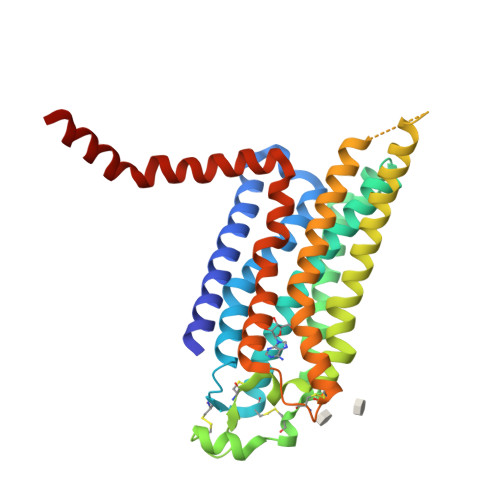
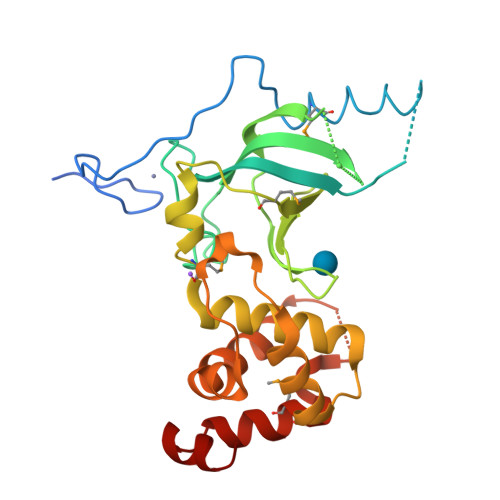
Adenosine receptor A2a structureClick to view 3D structureAdenosine receptor A2aP29274HumansPredicted (SEA)
Prediction Confidence Score
0.362
Applicability Domain
0.61
Statistical Significance
0.0107
Supporting Reference Compounds
303
E-value
83.0651
Click to view 3D structureAdenosine receptor A1P28190Bos taurusPredicted (SEA)
Prediction Confidence Score
0.353
Applicability Domain
0.61
Statistical Significance
0.005
Supporting Reference Compounds
72
E-value
39.3139
Adenosine receptor A1 structureClick to view 3D structureAdenosine receptor A1P30542HumansPredicted (SEA)
Prediction Confidence Score
0.352
Applicability Domain
0.61
Statistical Significance
0.0107
Supporting Reference Compounds
302
E-value
83.0651
Click to view 3D structureAdenosine receptor A3P28647Rattus norvegicusPredicted (SEA)
Prediction Confidence Score
0.344
Applicability Domain
0.61
Statistical Significance
0.0063
Supporting Reference Compounds
71
E-value
49.2786
Induced myeloid leukemia cell differentiation protein Mcl-1 structureClick to view 3D structureInduced myeloid leukemia cell differentiation protein Mcl-1Q07820HumansPredicted (SEA)
Prediction Confidence Score
0.342
Applicability Domain
0.377
Statistical Significance
0.0077
Supporting Reference Compounds
343
E-value
60.0996
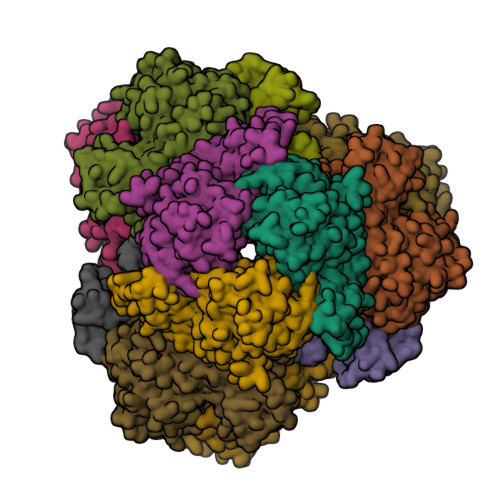
Vacuolar aminopeptidase 1 structureClick to view 3D structureVacuolar aminopeptidase 1P14904Saccharomyces cerevisiae S288cPredicted (SEA)
Prediction Confidence Score
0.319
Applicability Domain
0.319
Statistical Significance
6.00e-05
Supporting Reference Compounds
1
E-value
0.467095
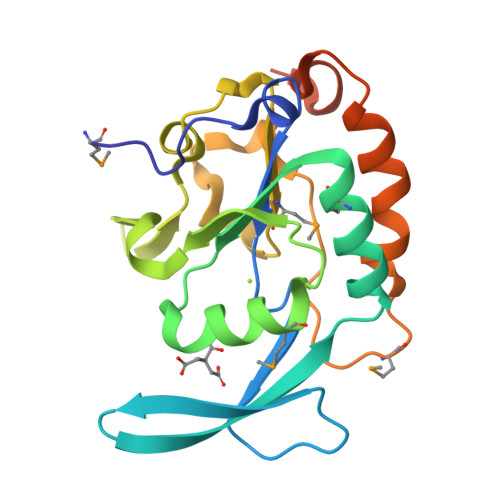
Carboxy-terminal domain RNA polymerase II polypeptide A small phosphatase 1 structureClick to view 3D structureCarboxy-terminal domain RNA polymerase II polypeptide A small phosphatase 1Q9GZU7HumansPredicted (SEA)
Prediction Confidence Score
0.314
Applicability Domain
0.377
Statistical Significance
0.004
Supporting Reference Compounds
128
E-value
31.2175
Protein max structureClick to view 3D structureProtein maxP61244HumansPredicted (SEA)
Prediction Confidence Score
0.311
Applicability Domain
0.311
Statistical Significance
3.40e-04
Supporting Reference Compounds
1
E-value
2.64687
Protein Tat structureClick to view 3D structureProtein TatP04608Human immunodeficiency virus type 1 group M subtype B (isolate HXB2)(HIV-1)Predicted (SEA)
Prediction Confidence Score
0.305
Applicability Domain
0.359
Statistical Significance
0.0022
Supporting Reference Compounds
108
E-value
17.2047
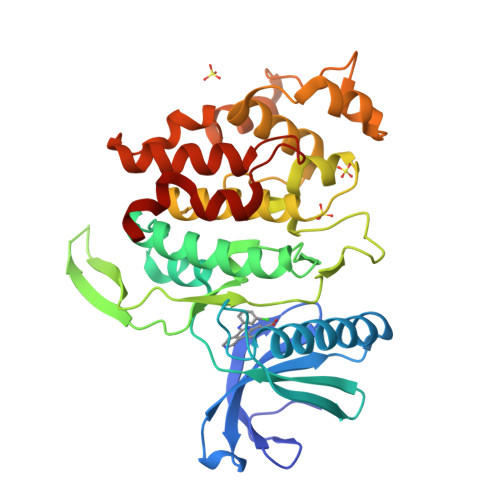
Casein kinase I isoform alpha structureClick to view 3D structureCasein kinase I isoform alphaP48729HumansPredicted (SEA)
Prediction Confidence Score
0.304
Applicability Domain
0.361
Statistical Significance
0.0751
Supporting Reference Compounds
674
E-value
584.414
Serine/threonine-protein kinase Chk1 structureClick to view 3D structureSerine/threonine-protein kinase Chk1O14757HumansPredicted (SEA)
Prediction Confidence Score
0.304
Applicability Domain
0.361
Statistical Significance
0.0842
Supporting Reference Compounds
807
E-value
655.413
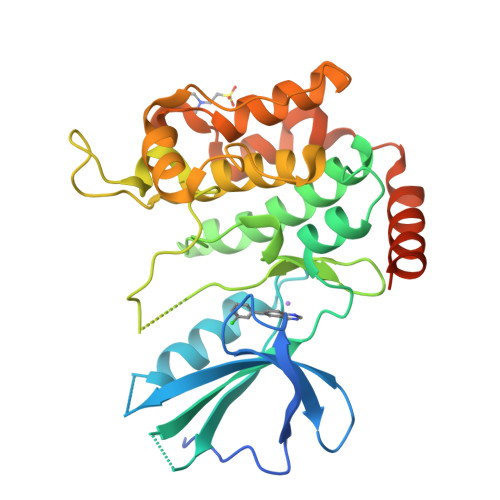
Dual specificity protein kinase CLK4 structureClick to view 3D structureDual specificity protein kinase CLK4Q9HAZ1HumansPredicted (SEA)
Prediction Confidence Score
0.304
Applicability Domain
0.361
Statistical Significance
0.0815
Supporting Reference Compounds
742
E-value
634.86
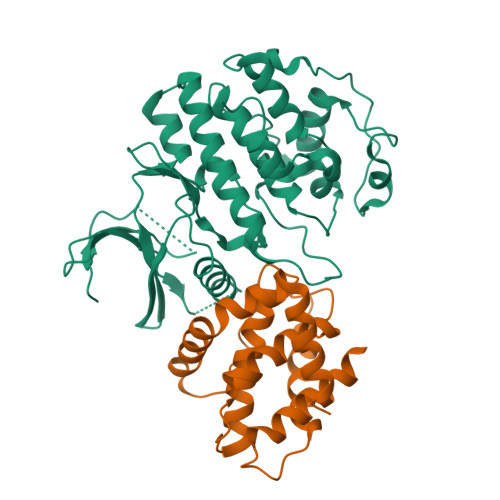
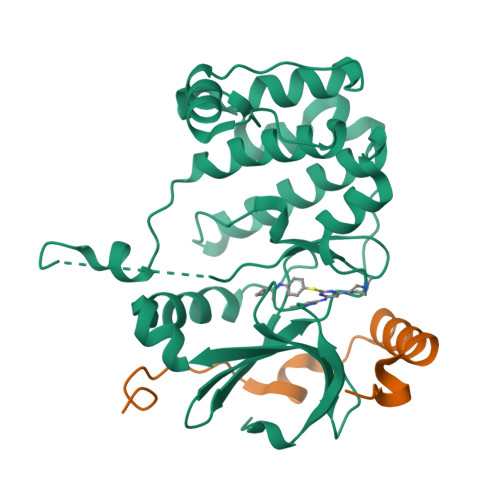
Cyclin-dependent kinase 5 structureClick to view 3D structureCyclin-dependent kinase 5Q00535HumansPredicted (SEA)
Prediction Confidence Score
0.304
Applicability Domain
0.361
Statistical Significance
0.0826
Supporting Reference Compounds
779
E-value
643.19
LIM domain kinase 1 structureClick to view 3D structureLIM domain kinase 1P53667HumansPredicted (SEA)
Prediction Confidence Score
0.304
Applicability Domain
0.361
Statistical Significance
0.0632
Supporting Reference Compounds
565
E-value
492.163
Serine/threonine-protein kinase pim-1 structureClick to view 3D structureSerine/threonine-protein kinase pim-1P11309HumansPredicted (SEA)
Prediction Confidence Score
0.303
Applicability Domain
0.361
Statistical Significance
0.0978
Supporting Reference Compounds
967
E-value
761.054
Mitogen-activated protein kinase kinase kinase kinase 4 structureClick to view 3D structureMitogen-activated protein kinase kinase kinase kinase 4O95819HumansPredicted (SEA)
Prediction Confidence Score
0.303
Applicability Domain
0.361
Statistical Significance
0.0831
Supporting Reference Compounds
714
E-value
647.005
Dual specificity protein kinase CLK2 structureClick to view 3D structureDual specificity protein kinase CLK2P49760HumansPredicted (SEA)
Prediction Confidence Score
0.303
Applicability Domain
0.361
Statistical Significance
0.0831
Supporting Reference Compounds
727
E-value
646.849
Serine/threonine-protein kinase D3 structureClick to view 3D structureSerine/threonine-protein kinase D3O94806HumansPredicted (SEA)
Prediction Confidence Score
0.303
Applicability Domain
0.361
Statistical Significance
0.0761
Supporting Reference Compounds
628
E-value
592.121
Rho-associated protein kinase 1 structureClick to view 3D structureRho-associated protein kinase 1Q13464HumansPredicted (SEA)
Prediction Confidence Score
0.303
Applicability Domain
0.361
Statistical Significance
0.0909
Supporting Reference Compounds
834
E-value
707.805
Aurora kinase B structureClick to view 3D structureAurora kinase BQ96GD4HumansPredicted (SEA)
Prediction Confidence Score
0.303
Applicability Domain
0.361
Statistical Significance
0.1062
Supporting Reference Compounds
1017
E-value
826.759
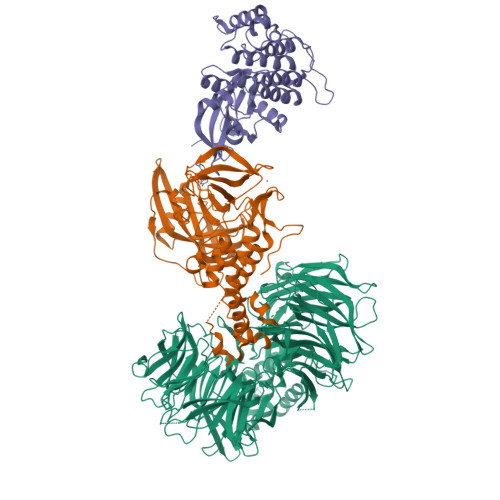
Click to view 3D structureSerine/threonine-protein kinase TAO1Q7L7X3HumansPredicted (SEA)
Prediction Confidence Score
0.303
Applicability Domain
0.361
Statistical Significance
0.0738
Supporting Reference Compounds
620
E-value
574.917
DNA (cytosine-5)-methyltransferase 1 structureClick to view 3D structureDNA (cytosine-5)-methyltransferase 1P26358HumansPredicted (SEA)
Prediction Confidence Score
0.302
Applicability Domain
0.313
Statistical Significance
0.0074
Supporting Reference Compounds
116
E-value
57.7641
Click to view 3D structureProbable nicotinate-nucleotide adenylyltransferaseP65502Staphylococcus aureus (strain N315)Predicted (SEA)
Prediction Confidence Score
0.301
Applicability Domain
0.377
Statistical Significance
0.0022
Supporting Reference Compounds
51
E-value
17.3604
Protein-tyrosine kinase 2-beta structureClick to view 3D structureProtein-tyrosine kinase 2-betaQ14289HumansPredicted (SEA)
Prediction Confidence Score
0.297
Applicability Domain
0.313
Statistical Significance
0.0631
Supporting Reference Compounds
414
E-value
490.995
Glycogen synthase kinase-3 beta structureClick to view 3D structureGlycogen synthase kinase-3 betaP49841HumansPredicted (SEA)
Prediction Confidence Score
0.294
Applicability Domain
0.361
Statistical Significance
0.1468
Supporting Reference Compounds
1157
E-value
1142.67
Concentrations
Not Available
External Links
IdentifiersNot Available
References
Synthesis ReferenceNot Available
MSDSNot Available
General ReferencesNot Available