 Click to view 3D structure | Carbonic anhydrase 9 | Q16790 | Humans | Predicted (SEA) | - Prediction Confidence Score
- 0.192
- Applicability Domain
- 0.211 Low confidence
- Statistical Significance
- 0.6134
- Supporting Reference Compounds
- 372
- E-value
- 4775.66
|
 Click to view 3D structure | Carbonic anhydrase 2 | P00918 | Humans | Predicted (SEA) | - Prediction Confidence Score
- 0.192
- Applicability Domain
- 0.211 Low confidence
- Statistical Significance
- 0.6753
- Supporting Reference Compounds
- 472
- E-value
- 5257.16
|
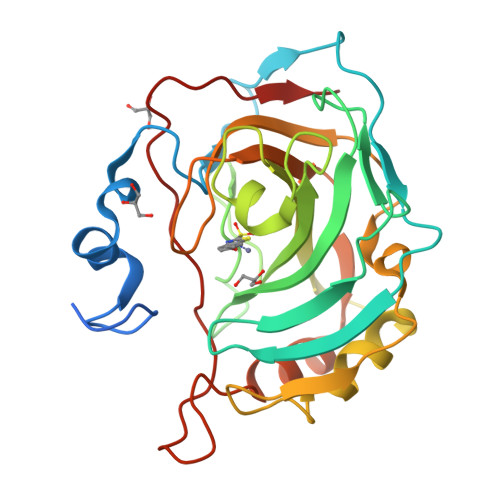 Click to view 3D structure | Carbonic anhydrase 7 | P43166 | Humans | Predicted (SEA) | - Prediction Confidence Score
- 0.192
- Applicability Domain
- 0.211 Low confidence
- Statistical Significance
- 0.5149
- Supporting Reference Compounds
- 242
- E-value
- 4008.69
|
 Click to view 3D structure | Carbonic anhydrase 1 | P00915 | Humans | Predicted (SEA) | - Prediction Confidence Score
- 0.192
- Applicability Domain
- 0.211 Low confidence
- Statistical Significance
- 0.6216
- Supporting Reference Compounds
- 407
- E-value
- 4839.5
|
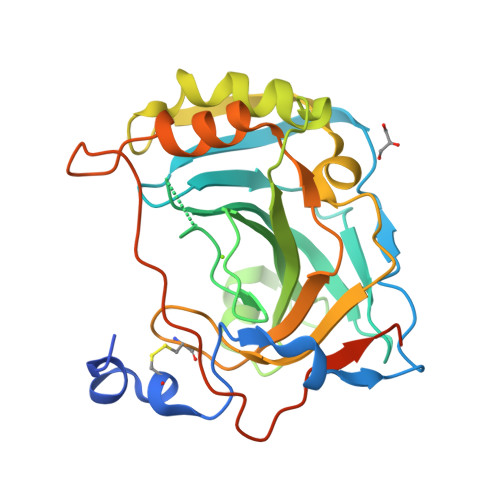 Click to view 3D structure | Carbonic anhydrase 6 | P23280 | Humans | Predicted (SEA) | - Prediction Confidence Score
- 0.189
- Applicability Domain
- 0.211 Low confidence
- Statistical Significance
- 0.3866
- Supporting Reference Compounds
- 151
- E-value
- 3009.65
|
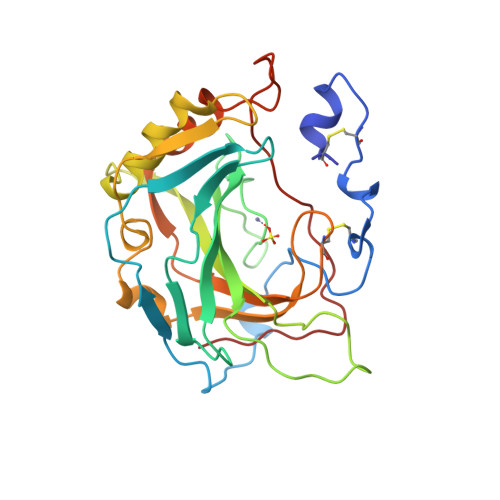 Click to view 3D structure | Carbonic anhydrase 4 | P22748 | Humans | Predicted (SEA) | - Prediction Confidence Score
- 0.189
- Applicability Domain
- 0.211 Low confidence
- Statistical Significance
- 0.4688
- Supporting Reference Compounds
- 193
- E-value
- 3649.73
|
 Click to view 3D structure | Carbonic anhydrase 13 | Q8N1Q1 | Humans | Predicted (SEA) | - Prediction Confidence Score
- 0.189
- Applicability Domain
- 0.211 Low confidence
- Statistical Significance
- 0.2991
- Supporting Reference Compounds
- 92
- E-value
- 2328.7
|
 Click to view 3D structure | Carbonic anhydrase 5B, mitochondrial | Q9Y2D0 | Humans | Predicted (SEA) | - Prediction Confidence Score
- 0.183
- Applicability Domain
- 0.205 Low confidence
- Statistical Significance
- 0.4325
- Supporting Reference Compounds
- 157
- E-value
- 3366.75
|
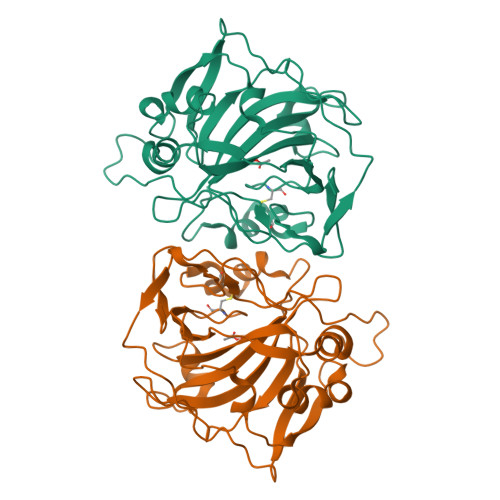 Click to view 3D structure | Carbonic anhydrase 12 | O43570 | Humans | Predicted (SEA) | - Prediction Confidence Score
- 0.177
- Applicability Domain
- 0.205 Low confidence
- Statistical Significance
- 0.7479
- Supporting Reference Compounds
- 332
- E-value
- 5822.5
|
| Click to view 3D structure | Thymidine kinase 2 | D3ZGQ2 | Rattus norvegicus | Predicted (SEA) | - Prediction Confidence Score
- 0.175
- Applicability Domain
- 0.175 Low confidence
- Statistical Significance
- 0.0589
- Supporting Reference Compounds
- 1
- E-value
- 458.221
|
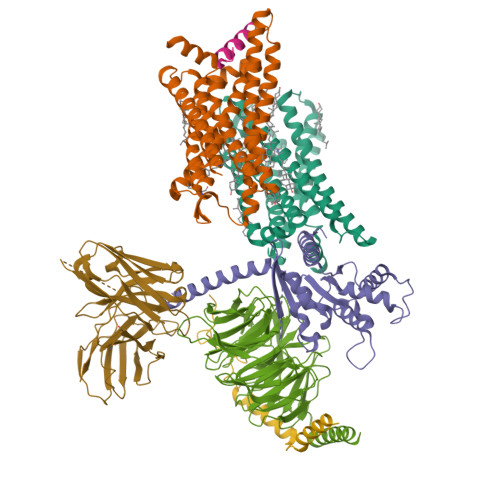 Click to view 3D structure | Mu-type opioid receptor | P35372 | Humans | Predicted (SEA) | - Prediction Confidence Score
- 0.174
- Applicability Domain
- 0.189 Low confidence
- Statistical Significance
- 0.9263
- Supporting Reference Compounds
- 527
- E-value
- 7210.94
|
 Click to view 3D structure | Cytochrome P450 2D6 | P10635 | Humans | Predicted (SEA) | - Prediction Confidence Score
- 0.172
- Applicability Domain
- 0.213 Low confidence
- Statistical Significance
- 0.9835
- Supporting Reference Compounds
- 1130
- E-value
- 7656.32
|
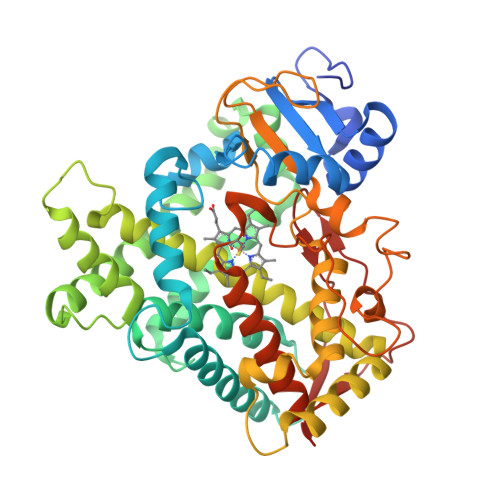 Click to view 3D structure | Cytochrome P450 2C9 | P11712 | Humans | Predicted (SEA) | - Prediction Confidence Score
- 0.172
- Applicability Domain
- 0.213 Low confidence
- Statistical Significance
- 0.9872
- Supporting Reference Compounds
- 1245
- E-value
- 7685.27
|
| Click to view 3D structure | Alpha-1A adrenergic receptor | P43140 | Rattus norvegicus | Predicted (SEA) | - Prediction Confidence Score
- 0.171
- Applicability Domain
- 0.19 Low confidence
- Statistical Significance
- 0.7995
- Supporting Reference Compounds
- 208
- E-value
- 6224.2
|
| Click to view 3D structure | Synaptic vesicle glycoprotein 2A | Q02563 | Rattus norvegicus | Predicted (SEA) | - Prediction Confidence Score
- 0.169
- Applicability Domain
- 0.169 Low confidence
- Statistical Significance
- 0.0109
- Supporting Reference Compounds
- 1
- E-value
- 84.5443
|
 Click to view 3D structure | Cytochrome P450 3A4 | P08684 | Humans | Predicted (SEA) | - Prediction Confidence Score
- 0.169
- Applicability Domain
- 0.213 Low confidence
- Statistical Significance
- 0.9925
- Supporting Reference Compounds
- 1538
- E-value
- 7726.77
|
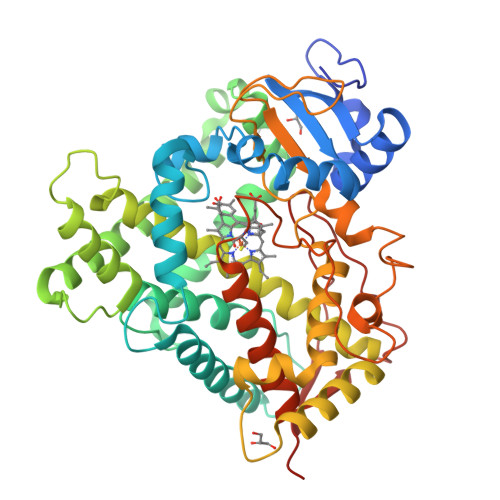 Click to view 3D structure | Cytochrome P450 2C19 | P33261 | Humans | Predicted (SEA) | - Prediction Confidence Score
- 0.169
- Applicability Domain
- 0.213 Low confidence
- Statistical Significance
- 0.9837
- Supporting Reference Compounds
- 825
- E-value
- 7657.72
|
 Click to view 3D structure | Sodium/iodide cotransporter | Q63008 | Rattus norvegicus | Predicted (SEA) | - Prediction Confidence Score
- 0.169
- Applicability Domain
- 0.169 Low confidence
- Statistical Significance
- 0.1635
- Supporting Reference Compounds
- 1
- E-value
- 1272.83
|
 Click to view 3D structure | Vascular endothelial growth factor receptor 2 | P35968 | Humans | Predicted (SEA) | - Prediction Confidence Score
- 0.169
- Applicability Domain
- 0.184 Low confidence
- Statistical Significance
- 0.979
- Supporting Reference Compounds
- 1660
- E-value
- 7621.52
|
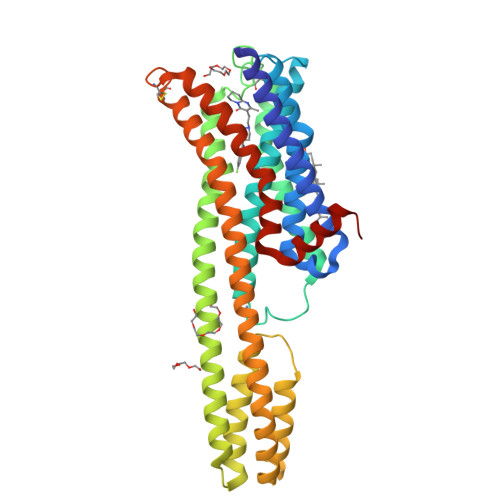 Click to view 3D structure | 5-hydroxytryptamine receptor 2A | P28223 | Humans | Predicted (SEA) | - Prediction Confidence Score
- 0.167
- Applicability Domain
- 0.171 Low confidence
- Statistical Significance
- 0.9771
- Supporting Reference Compounds
- 955
- E-value
- 7606.73
|
| Click to view 3D structure | Alpha-1D adrenergic receptor | P23944 | Rattus norvegicus | Predicted (SEA) | - Prediction Confidence Score
- 0.167
- Applicability Domain
- 0.19 Low confidence
- Statistical Significance
- 0.7271
- Supporting Reference Compounds
- 105
- E-value
- 5660.49
|
| Click to view 3D structure | DNA topoisomerase 2 | P15348 | Drosophila melanogaster | Predicted (SEA) | - Prediction Confidence Score
- 0.167
- Applicability Domain
- 0.167 Low confidence
- Statistical Significance
- 0.0103
- Supporting Reference Compounds
- 1
- E-value
- 80.029
|
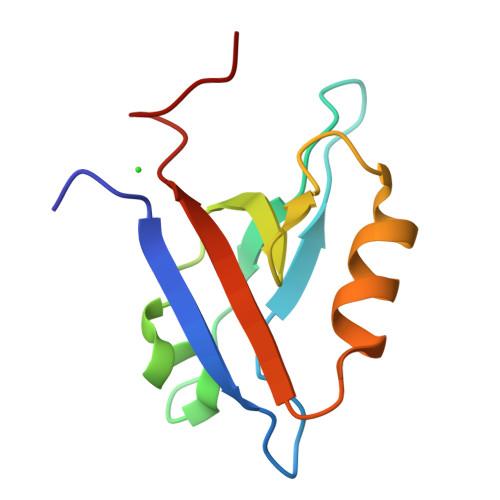 Click to view 3D structure | Platelet-derived growth factor receptor beta | P09619 | Humans | Predicted (SEA) | - Prediction Confidence Score
- 0.165
- Applicability Domain
- 0.184 Low confidence
- Statistical Significance
- 0.9552
- Supporting Reference Compounds
- 597
- E-value
- 7435.85
|
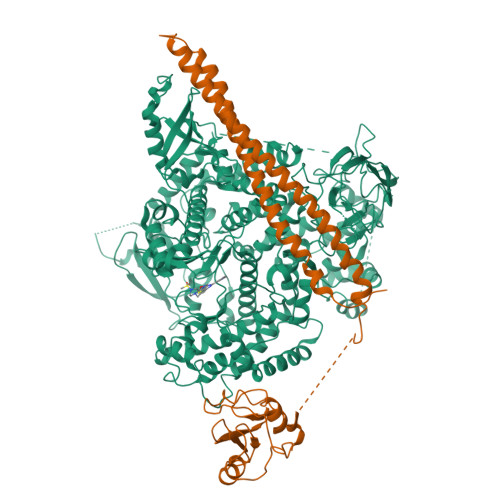 Click to view 3D structure | Phosphatidylinositol 4,5-bisphosphate 3-kinase catalytic subunit beta isoform | Q8BTI9 | Mus musculus | Predicted (SEA) | - Prediction Confidence Score
- 0.165
- Applicability Domain
- 0.165 Low confidence
- Statistical Significance
- 0.2242
- Supporting Reference Compounds
- 1
- E-value
- 1745.46
|
 Click to view 3D structure | Serine/threonine-protein kinase mTOR | P42345 | Humans | Predicted (SEA) | - Prediction Confidence Score
- 0.165
- Applicability Domain
- 0.174 Low confidence
- Statistical Significance
- 0.9282
- Supporting Reference Compounds
- 403
- E-value
- 7225.81
|

