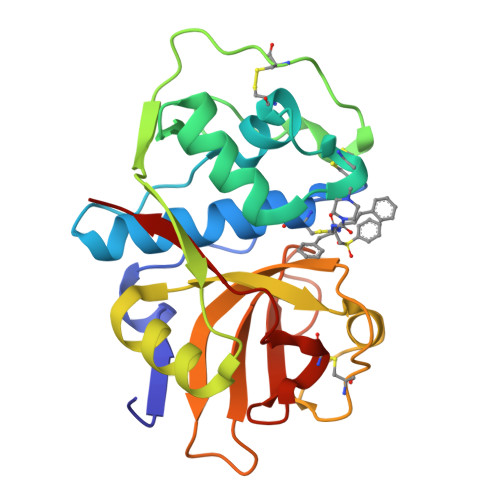
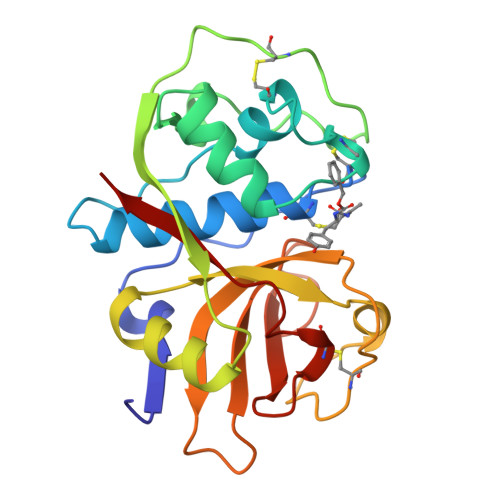
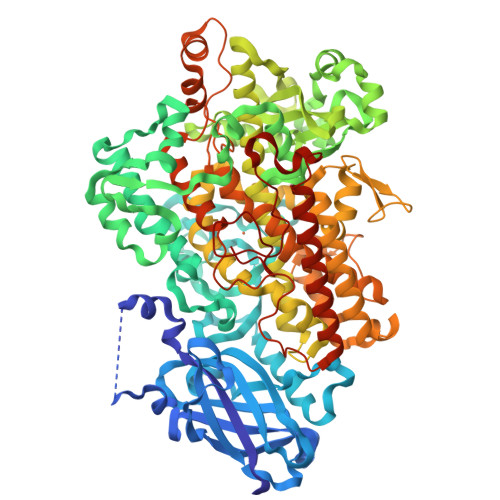
(2e,6z,8e)-n-(2-methylpropyl)deca-2,6,8-trienamide (CED0169600)

Record Information
Version1.0
Creation Date2026-08-19 07:33:50 UTC
Update Date2026-08-19 07:33:50 UTC
SynCED IDCED0169600
Secondary Accession Numbers
  • CHEM181188
Identification
Common Name(2e,6z,8e)-n-(2-methylpropyl)deca-2,6,8-trienamide
ClassSmall Molecule
Description
(2e,6z,8e)-n-(2-methylpropyl)deca-2,6,8-trienamide belongs to the fatty amides, a subclass of fatty acyls within the organic compounds. This compound has the chemical formula C14H23NO and an average molecular weight of 221.34 g/mol. It is found in or released from two recorded sources: tobacco product cases, categorized under household cleaning and consumer products, and the preparation of wine or sparkling wine, categorized under food, food processing and cookware.
Contaminant TypeNot Available
Chemical Structure
SynonymsNot Available
Chemical FormulaC14H23NO
Average Molecular Mass221.340 g/mol
Monoisotopic Mass221.178 g/mol
CAS Registry Number25394-57-4
IUPAC NameNot Available
Traditional NameNot Available
SMILESNot Available
InChI IdentifierInChI=1S/C14H23NO/c1-4-5-6-7-8-9-10-11-14(16)15-12-13(2)3/h4-7,10-11,13H,8-9,12H2,1-3H3,(H,15,16)/b5-4+,7-6-,11-10+
InChI KeyBXOCHUWSGYYSFW-HVWOQQCMSA-N
Chemical Taxonomy
ClassificationNot classified
Biological Properties
StatusDetected and Not Quantified
OriginNot Available
Cellular LocationsNot Available
Biofluid LocationsNot Available
Tissue LocationsNot Available
ApplicationsNot Available
Biological Roles
Chemical RolesNot Available
Organoleptic EffectsNot Available
Physical Properties
StateNot Available
AppearanceNot Available
Experimental Properties
PropertyValue
Melting PointNot Available
Boiling PointNot Available
SolubilityNot Available
Predicted PropertiesNot Available
Spectra
SpectraNot Available
Toxicity Profile
Toxicity Values
Toxicity ValueOrganismDose DescriptorRoute of ExposurePredicted or ExperimentalToxicity RatingReference
1556.0 Log mg/kg [880:2800]RatLD50oralpredictedNot AvailableNot Available
Toxicity / Toxin ClassNot Available
Mechanism of ToxicityNot Available
Carcinogenicity (IARC Classification)Not Available
Minimum Risk LevelNot Available
SymptomsNot Available
TreatmentNot Available
Health Effects
Health EffectRelationshipDirectionDescriptionReference
inflammationHas Therapeutic Effect OnNot AvailableNot AvailablePMC9608073
Cell DeathHas Therapeutic Effect OnNot AvailableNot AvailablePMC9608073
XerostomiaHas Therapeutic Effect OnNot AvailableNot AvailablePMC12942783
XerostomiaNot AvailableNot AvailableNot AvailablePMC12942783
gastrointestinal system diseaseNot AvailableNot AvailableNot AvailablePMC12942783
dyspepsiaNot AvailableNot AvailableNot AvailablePMC12942783
colicNot AvailableNot AvailableNot AvailablePMC12942783
ToothacheNot AvailableNot AvailableNot AvailablePMC12942783 , PMC12942783
Exposure Sources
Source IDSourceSectorReference
CEDs000010Insecticides?Insecticides are synthetic chemicals designed to control or eliminate insect pests that threaten crops and other agricultural products.Agriculture & land managementPubChem
CEDs000233Brushes?Brushes used in personal care and cosmetics can be a source of synthetic chemical contamination due to the materials and coatings used in their manufacturing.Personal care & cosmeticsPubChem
CEDs000518Electrically Stimulated Smoking Devices?Electrically stimulated smoking devices, commonly known as e-cigarettes or vape pens, utilize electrical components to heat a liquid solution, often containing nicotine, flavorings, and other additives, to produce an aerosol for inhalation.Electrical & Electronic EquipmentPubChem
CEDs000545Food Preservation?Food preservation often involves the use of synthetic chemicals, such as preservatives, flavor enhancers, and color additives, to extend shelf life and enhance the sensory qualities of food products.Food, food processing & cookwarePubChem
CEDs000549Preparation Of Wine Or Sparkling Wine?The preparation of wine or sparkling wine involves various stages, including fermentation, aging, and bottling, which can introduce potential sources of synthetic chemical contamination.Food, food processing & cookwarePubChem
CEDs000552Processing Meats?Processing meats can lead to synthetic chemical contamination primarily through the use of additives and preservatives.Food, food processing & cookwarePubChem
CEDs000556Cigar Cigarettes?Cigar cigarettes are a source of synthetic chemical contamination due to the combustion of various tobacco blends and additives.Household cleaning & consumer productsPubChem
CEDs000561Perfumes Within Detergents And Soaps?Perfumes within detergents and soaps are synthetic fragrance compounds added to enhance the sensory experience of cleaning products.Household cleaning & consumer productsPubChem
CEDs000563Soap Detergents?Soap detergents are synthetic surfactants designed to enhance the cleaning efficacy of water by reducing surface tension, allowing for better interaction with dirt and grease.Household cleaning & consumer productsPubChem
CEDs000567Tobacco Product Cases?Tobacco product cases can serve as a source of synthetic chemical contamination due to the presence of various additives and chemicals used in tobacco processing and product manufacturing.Household cleaning & consumer productsPubChem
CEDs000569Tobacco Smoke Filters?Tobacco smoke filters are designed to reduce the inhalation of harmful substances in cigarette smoke, including tar and other particulate matter.Household cleaning & consumer productsPubChem
CEDs000580Manufacture Preparation Of Tobacco Products?The manufacture and preparation of tobacco products involve various processes that can result in the introduction of synthetic chemicals into the environment.Industrial manufacturing & chemical processingPubChem
CEDs000596Acaricides?Acaricides are synthetic chemicals specifically designed to target and control mite populations that can damage crops and plants.Agriculture & land managementPubChem
CEDs000605Pest Repellants?Pest repellents, often formulated from synthetic chemicals, are widely used to protect crops from insect infestations and other pests.Agriculture & land managementPubChem
CEDs000609Aftershave?Aftershave is a grooming product typically used to soothe and protect the skin following shaving.Personal care & cosmeticsPubChem
CEDs000610Aftersun Products?Aftersun products are designed to soothe and hydrate the skin after sun exposure, often containing various synthetic chemicals such as emollients, preservatives, and fragrances.Personal care & cosmeticsPubChem
CEDs000611Anti Perspirants Or Body Deoderants?Antiperspirants and body deodorants commonly contain synthetic chemicals such as aluminum compounds, parabens, and synthetic fragrances.Personal care & cosmeticsPubChem
CEDs000614Essential Oils Or Perfumes?Essential oils and perfumes are complex mixtures of volatile compounds derived from natural or synthetic sources, commonly used for their aromatic properties.Personal care & cosmeticsPubChem
CEDs000615Eye Makeup Products?Eye makeup products, including mascaras, eyeliners, and eyeshadows, often contain a variety of synthetic chemicals such as pigments, preservatives, and film-forming agents.Personal care & cosmeticsPubChem
CEDs000616Face Mask Cosmetics?Face mask cosmetics often contain a variety of synthetic chemicals, including preservatives, emulsifiers, and fragrances, which can contribute to chemical contamination.Personal care & cosmeticsPubChem
CEDs000617Lip Care Products?Lip care products, including lipsticks, balms, and glosses, often contain a variety of synthetic chemicals such as parabens, phthalates, and synthetic fragrances.Personal care & cosmeticsPubChem
CEDs000618Lip Makeup Products?Lip makeup products, such as lipsticks, lip glosses, and lip liners, often contain a variety of synthetic chemicals, including pigments, preservatives, and emollients.Personal care & cosmeticsPubChem
CEDs000619Manicure Pedicure?Manicure and pedicure procedures often involve the use of various synthetic chemicals, including solvents, nail polishes, and nail adhesives.Personal care & cosmeticsPubChem
CEDs000662Yarns Or Threads?Yarns or threads used in textiles can be a source of synthetic chemical contamination due to the production processes and treatments they undergo.Textiles, leather & furnishingsPubChem
CEDs000693Silica Glass?Silica glass, primarily composed of silicon dioxide (SiO2), is widely used in various applications, including windows, glass facades, and insulation materials.Building & ConstructionPubChem
CEDs000696Nanotechnology?Nanotechnology involves the manipulation of materials at the molecular or atomic level, typically within the range of 1 to 100 nanometers.Industrial manufacturing & chemical processingPubChem
CEDs000739Inks?Inks are complex mixtures composed of pigments or dyes, solvents, resins, and additives used primarily for printing and writing applications.Paper, pulp & fiber productsPubChem
Pathways
0 pathwaysPathway Source: PathBank

No pathways found

No metabolic pathways have been associated with this synthetic chemical

Targets
StructureProteinUniProt IDOrganismRelationshipDetails
Cannabinoid receptor 2 structureClick to view 3D structureCannabinoid receptor 2P34972HumansPredicted (SEA)
Prediction Confidence Score
0.207
Applicability Domain
0.356
Statistical Significance
0.4368
Supporting Reference Compounds
175
E-value
3400.3
Click to view 3D structureCannabinoid receptor 1P47746Mus musculusPredicted (SEA)
Prediction Confidence Score
0.206
Applicability Domain
0.286 Low confidence
Statistical Significance
0.059
Supporting Reference Compounds
42
E-value
459.622
Prostaglandin G/H synthase 2 structureClick to view 3D structureProstaglandin G/H synthase 2P35354HumansKnownNot Available
Cannabinoid receptor 1 structureClick to view 3D structureCannabinoid receptor 1P21554HumansPredicted (SEA)
Prediction Confidence Score
0.204
Applicability Domain
0.356
Statistical Significance
0.5082
Supporting Reference Compounds
200
E-value
3956.06
Mu-type opioid receptor structureClick to view 3D structureMu-type opioid receptorP42866Mus musculusPredicted (SEA)
Prediction Confidence Score
0.199
Applicability Domain
0.286 Low confidence
Statistical Significance
0.1771
Supporting Reference Compounds
107
E-value
1378.4
Click to view 3D structureCannabinoid receptor 2P47936Mus musculusPredicted (SEA)
Prediction Confidence Score
0.198
Applicability Domain
0.286 Low confidence
Statistical Significance
0.1058
Supporting Reference Compounds
39
E-value
824.034
Peroxisome proliferator-activated receptor gamma structureClick to view 3D structurePeroxisome proliferator-activated receptor gammaP37231HumansPredicted (SEA)
Prediction Confidence Score
0.174
Applicability Domain
0.212 Low confidence
Statistical Significance
0.7918
Supporting Reference Compounds
192
E-value
6163.79
Transient receptor potential cation channel subfamily V member 1 structureClick to view 3D structureTransient receptor potential cation channel subfamily V member 1Q8NER1HumansPredicted (SEA)
Prediction Confidence Score
0.173
Applicability Domain
0.356
Statistical Significance
0.7432
Supporting Reference Compounds
104
E-value
5785.6
Delta-type opioid receptor structureClick to view 3D structureDelta-type opioid receptorP32300Mus musculusPredicted (SEA)
Prediction Confidence Score
0.167
Applicability Domain
0.286 Low confidence
Statistical Significance
0.5262
Supporting Reference Compounds
166
E-value
4096.35
Transient receptor potential cation channel subfamily A member 1 structureClick to view 3D structureTransient receptor potential cation channel subfamily A member 1O75762HumansPredicted (SEA)
Prediction Confidence Score
0.163
Applicability Domain
0.356
Statistical Significance
0.7326
Supporting Reference Compounds
70
E-value
5703.08
Peroxisome proliferator-activated receptor alpha structureClick to view 3D structurePeroxisome proliferator-activated receptor alphaQ07869HumansPredicted (SEA)
Prediction Confidence Score
0.156
Applicability Domain
0.169 Low confidence
Statistical Significance
0.8672
Supporting Reference Compounds
127
E-value
6750.77
Tyrosine-protein phosphatase non-receptor type 1 structureClick to view 3D structureTyrosine-protein phosphatase non-receptor type 1P18031HumansPredicted (SEA)
Prediction Confidence Score
0.155
Applicability Domain
0.18 Low confidence
Statistical Significance
0.8328
Supporting Reference Compounds
197
E-value
6482.97
Click to view 3D structureLeucine aminopeptidaseQ29571Sus scrofaPredicted (SEA)
Prediction Confidence Score
0.154
Applicability Domain
0.154 Low confidence
Statistical Significance
0.0013
Supporting Reference Compounds
1
E-value
10.5096
Peroxisome proliferator-activated receptor delta structureClick to view 3D structurePeroxisome proliferator-activated receptor deltaQ03181HumansPredicted (SEA)
Prediction Confidence Score
0.152
Applicability Domain
0.156 Low confidence
Statistical Significance
0.8725
Supporting Reference Compounds
89
E-value
6792.73
Aminopeptidase N structureClick to view 3D structureAminopeptidase NP15145Sus scrofaPredicted (SEA)
Prediction Confidence Score
0.146
Applicability Domain
0.154 Low confidence
Statistical Significance
0.4866
Supporting Reference Compounds
40
E-value
3788.38
Retinoic acid receptor RXR-alpha structureClick to view 3D structureRetinoic acid receptor RXR-alphaP19793HumansPredicted (SEA)
Prediction Confidence Score
0.144
Applicability Domain
0.159 Low confidence
Statistical Significance
0.8764
Supporting Reference Compounds
82
E-value
6823.02
Rhodesain structureClick to view 3D structureRhodesainQ95PM0Trypanosoma brucei rhodesiensePredicted (SEA)
Prediction Confidence Score
0.142
Applicability Domain
0.154 Low confidence
Statistical Significance
0.7295
Supporting Reference Compounds
30
E-value
5679.18
Prostaglandin G/H synthase 1 structureClick to view 3D structureProstaglandin G/H synthase 1P23219HumansPredicted (SEA)
Prediction Confidence Score
0.141
Applicability Domain
0.149 Low confidence
Statistical Significance
0.9545
Supporting Reference Compounds
136
E-value
7431.1
Click to view 3D structureProstaglandin G/H synthase 2P79208Ovis ariesPredicted (SEA)
Prediction Confidence Score
0.141
Applicability Domain
0.159 Low confidence
Statistical Significance
0.7844
Supporting Reference Compounds
50
E-value
6106.26
Click to view 3D structureCannabinoid receptor 1P20272Rattus norvegicusPredicted (SEA)
Prediction Confidence Score
0.141
Applicability Domain
0.145 Low confidence
Statistical Significance
0.8996
Supporting Reference Compounds
83
E-value
7003.08
Click to view 3D structureFalcipain 2Q9N6S8Plasmodium falciparumPredicted (SEA)
Prediction Confidence Score
0.138
Applicability Domain
0.154 Low confidence
Statistical Significance
0.7142
Supporting Reference Compounds
28
E-value
5559.91
Cathepsin B structureClick to view 3D structureCathepsin BP07858HumansPredicted (SEA)
Prediction Confidence Score
0.137
Applicability Domain
0.154 Low confidence
Statistical Significance
0.9769
Supporting Reference Compounds
173
E-value
7605.01
Click to view 3D structureProtein-S-isoprenylcysteine O-methyltransferaseP32584Saccharomyces cerevisiae S288cPredicted (SEA)
Prediction Confidence Score
0.137
Applicability Domain
0.137 Low confidence
Statistical Significance
0.0046
Supporting Reference Compounds
1
E-value
35.4992
Cruzipain structureClick to view 3D structureCruzipainP25779Trypanosoma cruziPredicted (SEA)
Prediction Confidence Score
0.137
Applicability Domain
0.154 Low confidence
Statistical Significance
0.9331
Supporting Reference Compounds
65
E-value
7263.8
Seed linoleate 9S-lipoxygenase structureClick to view 3D structureSeed linoleate 9S-lipoxygenaseP24095Glycine maxPredicted (SEA)
Prediction Confidence Score
0.136
Applicability Domain
0.136 Low confidence
Statistical Significance
0.0018
Supporting Reference Compounds
1
E-value
13.7015
Procathepsin L structureClick to view 3D structureProcathepsin LP07711HumansPredicted (SEA)
Prediction Confidence Score
0.136
Applicability Domain
0.154 Low confidence
Statistical Significance
0.9806
Supporting Reference Compounds
167
E-value
7634.21
Concentrations
Not Available
External Links
IdentifiersNot Available
References
Synthesis ReferenceNot Available
MSDSNot Available
General ReferencesNot Available