 Click to view 3D structure | Beta-2 adrenergic receptor | Q8K4Z4 | Cavia porcellus | Predicted (SEA) | - Prediction Confidence Score
- 0.395
- Applicability Domain
- 0.467
- Statistical Significance
- 9.20e-04
- Supporting Reference Compounds
- 48
- E-value
- 7.16213
|
| Click to view 3D structure | Beta-1 adrenergic receptor | B0FL73 | Cavia porcellus | Predicted (SEA) | - Prediction Confidence Score
- 0.388
- Applicability Domain
- 0.467
- Statistical Significance
- 6.90e-04
- Supporting Reference Compounds
- 37
- E-value
- 5.3716
|
| Click to view 3D structure | Beta-2 adrenergic receptor | Q28044 | Bos taurus | Predicted (SEA) | - Prediction Confidence Score
- 0.375
- Applicability Domain
- 0.467
- Statistical Significance
- 3.40e-04
- Supporting Reference Compounds
- 16
- E-value
- 2.64687
|
| Click to view 3D structure | Taste receptor type 2 member 50 | P59544 | Humans | Predicted (SEA) | - Prediction Confidence Score
- 0.364
- Applicability Domain
- 0.364
- Statistical Significance
- 1.50e-04
- Supporting Reference Compounds
- 1
- E-value
- 1.16774
|
| Click to view 3D structure | Taste receptor type 2 member 45 | P59539 | Humans | Predicted (SEA) | - Prediction Confidence Score
- 0.364
- Applicability Domain
- 0.364
- Statistical Significance
- 1.50e-04
- Supporting Reference Compounds
- 1
- E-value
- 1.16774
|
| Click to view 3D structure | Taste receptor type 2 member 42 | Q7RTR8 | Humans | Predicted (SEA) | - Prediction Confidence Score
- 0.364
- Applicability Domain
- 0.364
- Statistical Significance
- 1.50e-04
- Supporting Reference Compounds
- 1
- E-value
- 1.16774
|
| Click to view 3D structure | Taste receptor type 2 member 41 | P59536 | Humans | Predicted (SEA) | - Prediction Confidence Score
- 0.364
- Applicability Domain
- 0.364
- Statistical Significance
- 1.50e-04
- Supporting Reference Compounds
- 1
- E-value
- 1.16774
|
| Click to view 3D structure | Taste receptor type 2 member 7 | Q9NYW3 | Humans | Predicted (SEA) | - Prediction Confidence Score
- 0.364
- Applicability Domain
- 0.364
- Statistical Significance
- 1.50e-04
- Supporting Reference Compounds
- 1
- E-value
- 1.16774
|
| Click to view 3D structure | Taste receptor type 2 member 30 | P59541 | Humans | Predicted (SEA) | - Prediction Confidence Score
- 0.364
- Applicability Domain
- 0.364
- Statistical Significance
- 1.50e-04
- Supporting Reference Compounds
- 1
- E-value
- 1.16774
|
| Click to view 3D structure | Taste receptor type 2 member 60 | P59551 | Humans | Predicted (SEA) | - Prediction Confidence Score
- 0.364
- Applicability Domain
- 0.364
- Statistical Significance
- 1.50e-04
- Supporting Reference Compounds
- 1
- E-value
- 1.16774
|
| Click to view 3D structure | Taste receptor type 2 member 19 | P59542 | Humans | Predicted (SEA) | - Prediction Confidence Score
- 0.364
- Applicability Domain
- 0.364
- Statistical Significance
- 1.50e-04
- Supporting Reference Compounds
- 1
- E-value
- 1.16774
|
| Click to view 3D structure | Taste receptor type 2 member 20 | P59543 | Humans | Predicted (SEA) | - Prediction Confidence Score
- 0.364
- Applicability Domain
- 0.364
- Statistical Significance
- 1.50e-04
- Supporting Reference Compounds
- 1
- E-value
- 1.16774
|
| Click to view 3D structure | Taste receptor type 2 member 1 | Q9NYW7 | Humans | Predicted (SEA) | - Prediction Confidence Score
- 0.364
- Applicability Domain
- 0.364
- Statistical Significance
- 1.50e-04
- Supporting Reference Compounds
- 1
- E-value
- 1.16774
|
| Click to view 3D structure | Taste receptor type 2 member 40 | P59535 | Humans | Predicted (SEA) | - Prediction Confidence Score
- 0.364
- Applicability Domain
- 0.364
- Statistical Significance
- 1.50e-04
- Supporting Reference Compounds
- 1
- E-value
- 1.16774
|
| Click to view 3D structure | Taste receptor type 2 member 3 | Q9NYW6 | Humans | Predicted (SEA) | - Prediction Confidence Score
- 0.364
- Applicability Domain
- 0.364
- Statistical Significance
- 1.50e-04
- Supporting Reference Compounds
- 1
- E-value
- 1.16774
|
| Click to view 3D structure | Taste receptor type 2 member 13 | Q9NYV9 | Humans | Predicted (SEA) | - Prediction Confidence Score
- 0.364
- Applicability Domain
- 0.364
- Statistical Significance
- 1.50e-04
- Supporting Reference Compounds
- 1
- E-value
- 1.16774
|
| Click to view 3D structure | Taste receptor type 2 member 39 | P59534 | Humans | Predicted (SEA) | - Prediction Confidence Score
- 0.364
- Applicability Domain
- 0.364
- Statistical Significance
- 1.50e-04
- Supporting Reference Compounds
- 1
- E-value
- 1.16774
|
| Click to view 3D structure | Taste receptor type 2 member 5 | Q9NYW4 | Humans | Predicted (SEA) | - Prediction Confidence Score
- 0.364
- Applicability Domain
- 0.364
- Statistical Significance
- 1.50e-04
- Supporting Reference Compounds
- 1
- E-value
- 1.16774
|
| Click to view 3D structure | Taste receptor type 2 member 9 | Q9NYW1 | Humans | Predicted (SEA) | - Prediction Confidence Score
- 0.364
- Applicability Domain
- 0.364
- Statistical Significance
- 1.50e-04
- Supporting Reference Compounds
- 1
- E-value
- 1.16774
|
| Click to view 3D structure | Taste receptor type 2 member 43 | P59537 | Humans | Predicted (SEA) | - Prediction Confidence Score
- 0.364
- Applicability Domain
- 0.364
- Statistical Significance
- 1.50e-04
- Supporting Reference Compounds
- 1
- E-value
- 1.16774
|
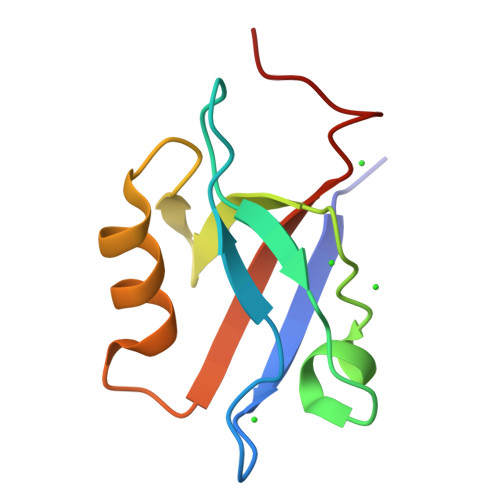 Click to view 3D structure | Beta-2 adrenergic receptor | P07550 | Humans | Predicted (SEA) | - Prediction Confidence Score
- 0.355
- Applicability Domain
- 0.364
- Statistical Significance
- 0.0051
- Supporting Reference Compounds
- 258
- E-value
- 39.3917
|
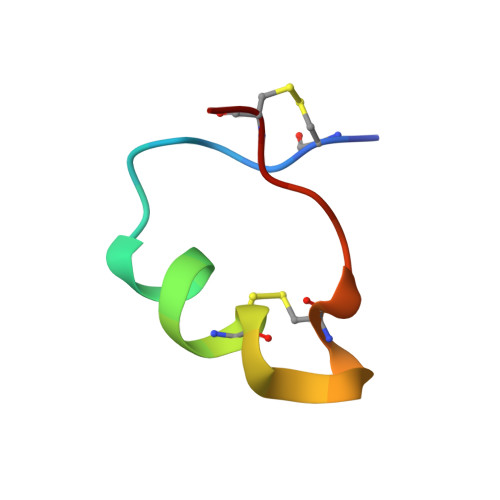 Click to view 3D structure | Beta-1 adrenergic receptor | P08588 | Humans | Predicted (SEA) | - Prediction Confidence Score
- 0.352
- Applicability Domain
- 0.364
- Statistical Significance
- 0.0035
- Supporting Reference Compounds
- 180
- E-value
- 27.4029
|
| Click to view 3D structure | 5-hydroxytryptamine receptor 1A | P19327 | Rattus norvegicus | Predicted (SEA) | - Prediction Confidence Score
- 0.352
- Applicability Domain
- 0.386
- Statistical Significance
- 0.0226
- Supporting Reference Compounds
- 541
- E-value
- 176.328
|
| Click to view 3D structure | Beta-1 adrenergic receptor | P18090 | Rattus norvegicus | Predicted (SEA) | - Prediction Confidence Score
- 0.351
- Applicability Domain
- 0.364
- Statistical Significance
- 8.70e-04
- Supporting Reference Compounds
- 43
- E-value
- 6.77288
|
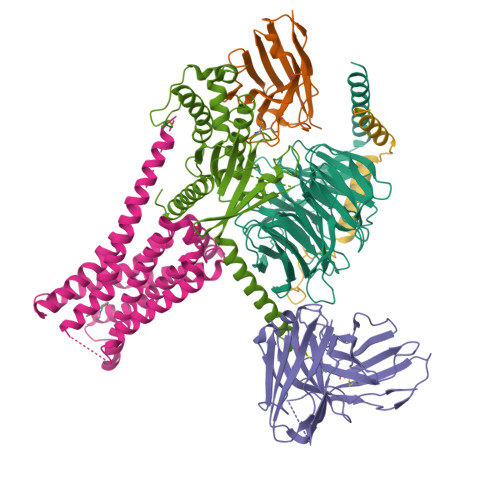 Click to view 3D structure | Beta-3 adrenergic receptor | P13945 | Humans | Predicted (SEA) | - Prediction Confidence Score
- 0.346
- Applicability Domain
- 0.364
- Statistical Significance
- 0.0025
- Supporting Reference Compounds
- 145
- E-value
- 19.5402
|

