 Click to view 3D structure | Peroxisome proliferator-activated receptor gamma | P37231 | Humans | Predicted (SEA) | - Prediction Confidence Score
- 0.498
- Applicability Domain
- 0.531
- Statistical Significance
- 8.10e-04
- Supporting Reference Compounds
- 192
- E-value
- 6.30579
|
 Click to view 3D structure | Peroxisome proliferator-activated receptor alpha | Q07869 | Humans | Predicted (SEA) | - Prediction Confidence Score
- 0.498
- Applicability Domain
- 0.531
- Statistical Significance
- 9.90e-04
- Supporting Reference Compounds
- 127
- E-value
- 7.70707
|
 Click to view 3D structure | Peroxisome proliferator-activated receptor delta | Q03181 | Humans | Predicted (SEA) | - Prediction Confidence Score
- 0.498
- Applicability Domain
- 0.531
- Statistical Significance
- 7.80e-04
- Supporting Reference Compounds
- 89
- E-value
- 6.07224
|
 Click to view 3D structure | Transient receptor potential cation channel subfamily V member 2 | Q9WUD2 | Rattus norvegicus | Predicted (SEA) | - Prediction Confidence Score
- 0.472
- Applicability Domain
- 0.531
- Statistical Significance
- 4.20e-04
- Supporting Reference Compounds
- 21
- E-value
- 3.26967
|
 Click to view 3D structure | Cannabinoid receptor 1 | P20272 | Rattus norvegicus | Predicted (SEA) | - Prediction Confidence Score
- 0.447
- Applicability Domain
- 0.531
- Statistical Significance
- 0.0016
- Supporting Reference Compounds
- 83
- E-value
- 12.1445
|
| Click to view 3D structure | Fatty-acid amide hydrolase 1 | O00519 | Humans | Predicted (SEA) | - Prediction Confidence Score
- 0.423
- Applicability Domain
- 0.531
- Statistical Significance
- 0.0017
- Supporting Reference Compounds
- 106
- E-value
- 13.5458
|
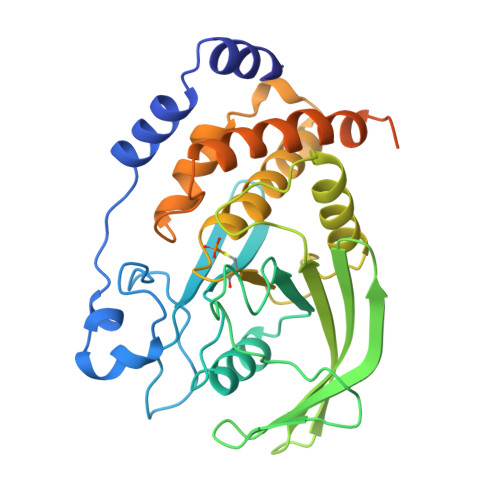 Click to view 3D structure | Tyrosine-protein phosphatase non-receptor type 1 | P18031 | Humans | Predicted (SEA) | - Prediction Confidence Score
- 0.419
- Applicability Domain
- 0.531
- Statistical Significance
- 0.0016
- Supporting Reference Compounds
- 197
- E-value
- 12.5337
|
| Click to view 3D structure | Lysophosphatidic acid receptor 3 | Q9UBY5 | Humans | Predicted (SEA) | - Prediction Confidence Score
- 0.414
- Applicability Domain
- 0.472
- Statistical Significance
- 2.70e-04
- Supporting Reference Compounds
- 21
- E-value
- 2.10193
|
| Click to view 3D structure | Lysophosphatidic acid receptor 4 | Q8BLG2 | Mus musculus | Predicted (SEA) | - Prediction Confidence Score
- 0.413
- Applicability Domain
- 0.413
- Statistical Significance
- 2.20e-04
- Supporting Reference Compounds
- 1
- E-value
- 1.71268
|
 Click to view 3D structure | Cannabinoid receptor 1 | P21554 | Humans | Predicted (SEA) | - Prediction Confidence Score
- 0.408
- Applicability Domain
- 0.436
- Statistical Significance
- 0.0029
- Supporting Reference Compounds
- 200
- E-value
- 22.3427
|
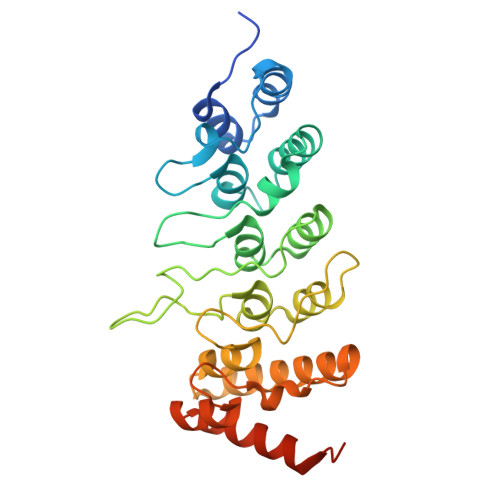 Click to view 3D structure | Transient receptor potential cation channel subfamily V member 1 | Q8NER1 | Humans | Predicted (SEA) | - Prediction Confidence Score
- 0.408
- Applicability Domain
- 0.436
- Statistical Significance
- 0.0013
- Supporting Reference Compounds
- 104
- E-value
- 10.5096
|
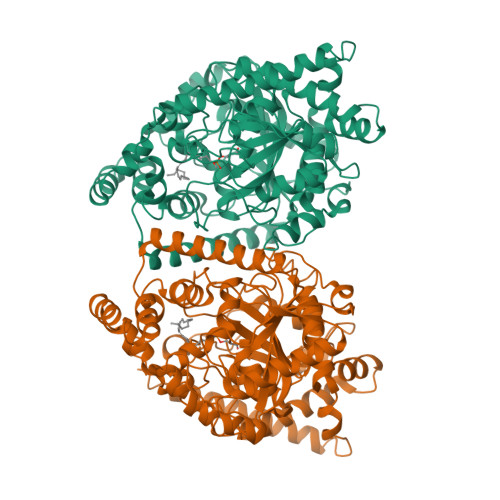 Click to view 3D structure | Fatty-acid amide hydrolase 1 | P97612 | Rattus norvegicus | Predicted (SEA) | - Prediction Confidence Score
- 0.408
- Applicability Domain
- 0.442
- Statistical Significance
- 0.0016
- Supporting Reference Compounds
- 102
- E-value
- 12.6116
|
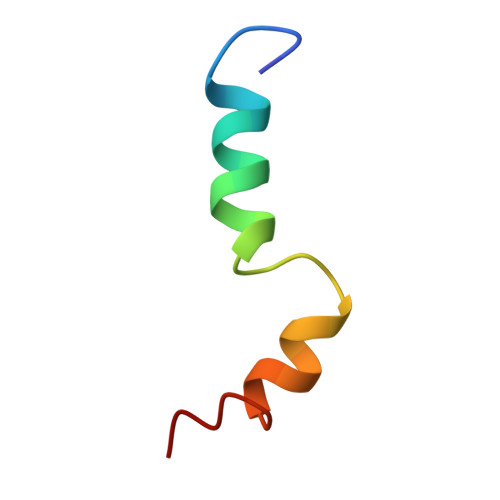 Click to view 3D structure | Cannabinoid receptor 2 | P34972 | Humans | Predicted (SEA) | - Prediction Confidence Score
- 0.403
- Applicability Domain
- 0.436
- Statistical Significance
- 0.0027
- Supporting Reference Compounds
- 175
- E-value
- 20.8636
|
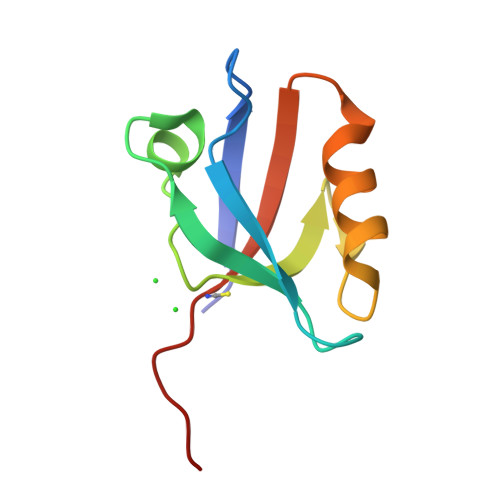 Click to view 3D structure | Lysophosphatidic acid receptor 2 | Q9HBW0 | Humans | Predicted (SEA) | - Prediction Confidence Score
- 0.397
- Applicability Domain
- 0.472
- Statistical Significance
- 3.30e-04
- Supporting Reference Compounds
- 30
- E-value
- 2.56902
|
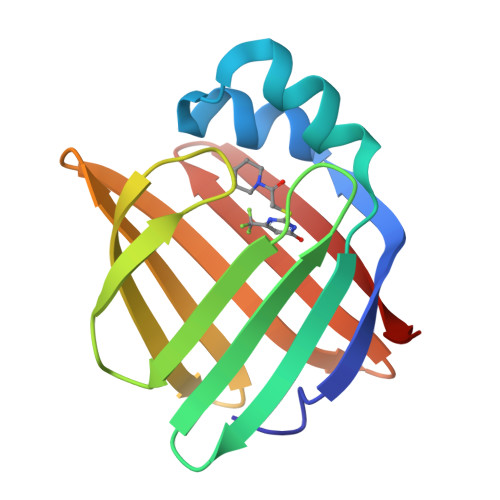 Click to view 3D structure | Fatty acid-binding protein, adipocyte | P15090 | Humans | Predicted (SEA) | - Prediction Confidence Score
- 0.388
- Applicability Domain
- 0.531
- Statistical Significance
- 3.10e-04
- Supporting Reference Compounds
- 19
- E-value
- 2.41333
|
 Click to view 3D structure | Lysophosphatidic acid receptor 1 | Q92633 | Humans | Predicted (SEA) | - Prediction Confidence Score
- 0.387
- Applicability Domain
- 0.472
- Statistical Significance
- 3.80e-04
- Supporting Reference Compounds
- 31
- E-value
- 2.95827
|
| Click to view 3D structure | Cannabinoid receptor 2 | P47936 | Mus musculus | Predicted (SEA) | - Prediction Confidence Score
- 0.38
- Applicability Domain
- 0.405
- Statistical Significance
- 0.0015
- Supporting Reference Compounds
- 39
- E-value
- 11.366
|
| Click to view 3D structure | Cannabinoid receptor 1 | P47746 | Mus musculus | Predicted (SEA) | - Prediction Confidence Score
- 0.373
- Applicability Domain
- 0.381
- Statistical Significance
- 0.0011
- Supporting Reference Compounds
- 42
- E-value
- 8.71911
|
| Click to view 3D structure | Cannabinoid receptor 2 | Q9QZN9 | Rattus norvegicus | Predicted (SEA) | - Prediction Confidence Score
- 0.366
- Applicability Domain
- 0.405
- Statistical Significance
- 5.00e-04
- Supporting Reference Compounds
- 20
- E-value
- 3.89246
|
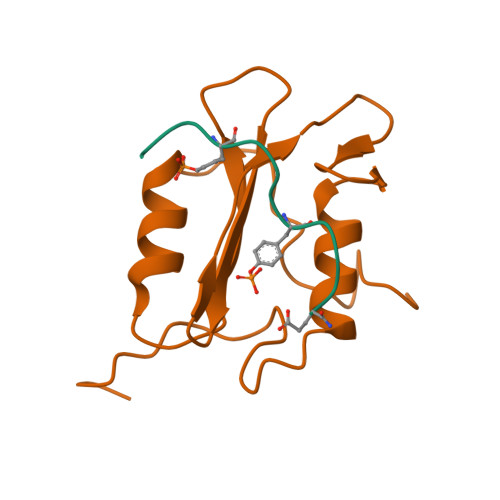 Click to view 3D structure | 1-phosphatidylinositol 4,5-bisphosphate phosphodiesterase gamma-1 | P08487 | Bos taurus | Predicted (SEA) | - Prediction Confidence Score
- 0.363
- Applicability Domain
- 0.37
- Statistical Significance
- 2.10e-04
- Supporting Reference Compounds
- 3
- E-value
- 1.63483
|
| Click to view 3D structure | Esterase | A3QR02 | Chilo suppressalis | Predicted (SEA) | - Prediction Confidence Score
- 0.359
- Applicability Domain
- 0.359
- Statistical Significance
- 1.40e-04
- Supporting Reference Compounds
- 1
- E-value
- 1.08989
|
 Click to view 3D structure | Autotaxin | Q13822 | Humans | Predicted (SEA) | - Prediction Confidence Score
- 0.358
- Applicability Domain
- 0.413
- Statistical Significance
- 9.40e-04
- Supporting Reference Compounds
- 40
- E-value
- 7.31783
|
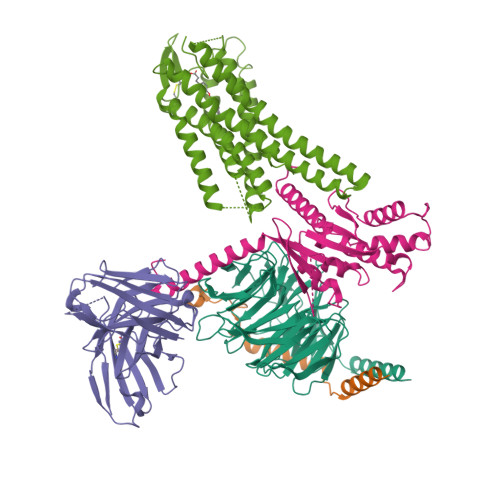 Click to view 3D structure | Free fatty acid receptor 4 | Q5NUL3 | Humans | Predicted (SEA) | - Prediction Confidence Score
- 0.35
- Applicability Domain
- 0.486
- Statistical Significance
- 0.0016
- Supporting Reference Compounds
- 63
- E-value
- 12.6894
|
 Click to view 3D structure | Transient receptor potential cation channel subfamily V member 1 | O35433 | Rattus norvegicus | Predicted (SEA) | - Prediction Confidence Score
- 0.341
- Applicability Domain
- 0.381
- Statistical Significance
- 8.70e-04
- Supporting Reference Compounds
- 21
- E-value
- 6.77288
|
| Click to view 3D structure | Lysophosphatidic acid receptor 4 | Q99677 | Humans | Predicted (SEA) | - Prediction Confidence Score
- 0.34
- Applicability Domain
- 0.413
- Statistical Significance
- 2.40e-04
- Supporting Reference Compounds
- 9
- E-value
- 1.86838
|

