 Click to view 3D structure | Lysophosphatidic acid receptor 4 | Q8BLG2 | Mus musculus | Predicted (SEA) | - Prediction Confidence Score
- 0.535
- Applicability Domain
- 0.535
- Statistical Significance
- 9.00e-05
- Supporting Reference Compounds
- 1
- E-value
- 0.700643
|
 Click to view 3D structure | Peroxisome proliferator-activated receptor gamma | P37231 | Humans | Predicted (SEA) | - Prediction Confidence Score
- 0.528
- Applicability Domain
- 0.563
- Statistical Significance
- 4.90e-04
- Supporting Reference Compounds
- 192
- E-value
- 3.81461
|
 Click to view 3D structure | Peroxisome proliferator-activated receptor alpha | Q07869 | Humans | Predicted (SEA) | - Prediction Confidence Score
- 0.528
- Applicability Domain
- 0.563
- Statistical Significance
- 6.90e-04
- Supporting Reference Compounds
- 127
- E-value
- 5.3716
|
 Click to view 3D structure | Peroxisome proliferator-activated receptor delta | Q03181 | Humans | Predicted (SEA) | - Prediction Confidence Score
- 0.528
- Applicability Domain
- 0.563
- Statistical Significance
- 5.50e-04
- Supporting Reference Compounds
- 89
- E-value
- 4.28171
|
 Click to view 3D structure | Transient receptor potential cation channel subfamily V member 2 | Q9WUD2 | Rattus norvegicus | Predicted (SEA) | - Prediction Confidence Score
- 0.5
- Applicability Domain
- 0.563
- Statistical Significance
- 3.40e-04
- Supporting Reference Compounds
- 21
- E-value
- 2.64687
|
| Click to view 3D structure | Lysophosphatidic acid receptor 3 | Q9UBY5 | Humans | Predicted (SEA) | - Prediction Confidence Score
- 0.49
- Applicability Domain
- 0.535
- Statistical Significance
- 1.70e-04
- Supporting Reference Compounds
- 21
- E-value
- 1.32344
|
| Click to view 3D structure | Cannabinoid receptor 1 | P20272 | Rattus norvegicus | Predicted (SEA) | - Prediction Confidence Score
- 0.481
- Applicability Domain
- 0.563
- Statistical Significance
- 0.0012
- Supporting Reference Compounds
- 83
- E-value
- 9.34191
|
| Click to view 3D structure | Fatty-acid amide hydrolase 1 | O00519 | Humans | Predicted (SEA) | - Prediction Confidence Score
- 0.464
- Applicability Domain
- 0.563
- Statistical Significance
- 0.0012
- Supporting Reference Compounds
- 106
- E-value
- 9.41976
|
 Click to view 3D structure | Lysophosphatidic acid receptor 1 | Q92633 | Humans | Predicted (SEA) | - Prediction Confidence Score
- 0.46
- Applicability Domain
- 0.535
- Statistical Significance
- 2.10e-04
- Supporting Reference Compounds
- 31
- E-value
- 1.63483
|
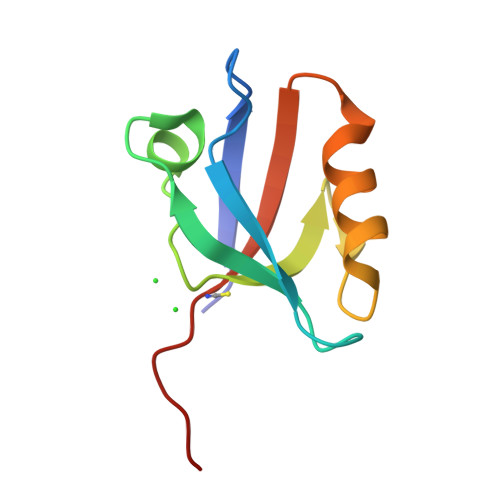 Click to view 3D structure | Lysophosphatidic acid receptor 2 | Q9HBW0 | Humans | Predicted (SEA) | - Prediction Confidence Score
- 0.459
- Applicability Domain
- 0.535
- Statistical Significance
- 2.00e-04
- Supporting Reference Compounds
- 30
- E-value
- 1.55698
|
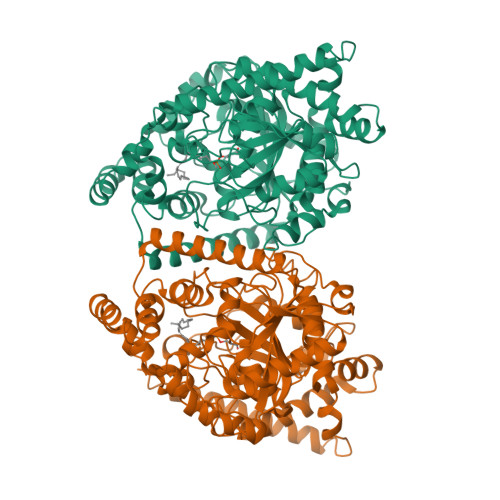 Click to view 3D structure | Fatty-acid amide hydrolase 1 | P97612 | Rattus norvegicus | Predicted (SEA) | - Prediction Confidence Score
- 0.453
- Applicability Domain
- 0.524
- Statistical Significance
- 0.001
- Supporting Reference Compounds
- 102
- E-value
- 7.86277
|
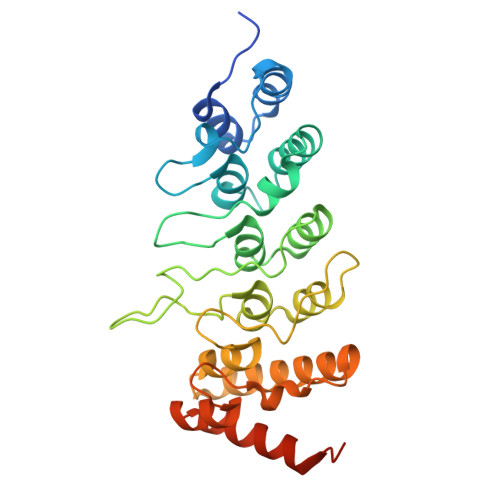 Click to view 3D structure | Transient receptor potential cation channel subfamily V member 1 | Q8NER1 | Humans | Predicted (SEA) | - Prediction Confidence Score
- 0.452
- Applicability Domain
- 0.535
- Statistical Significance
- 6.50e-04
- Supporting Reference Compounds
- 104
- E-value
- 5.0602
|
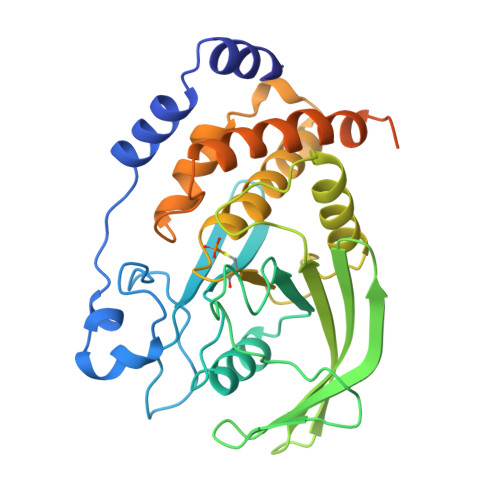 Click to view 3D structure | Tyrosine-protein phosphatase non-receptor type 1 | P18031 | Humans | Predicted (SEA) | - Prediction Confidence Score
- 0.45
- Applicability Domain
- 0.563
- Statistical Significance
- 0.0012
- Supporting Reference Compounds
- 197
- E-value
- 9.03051
|
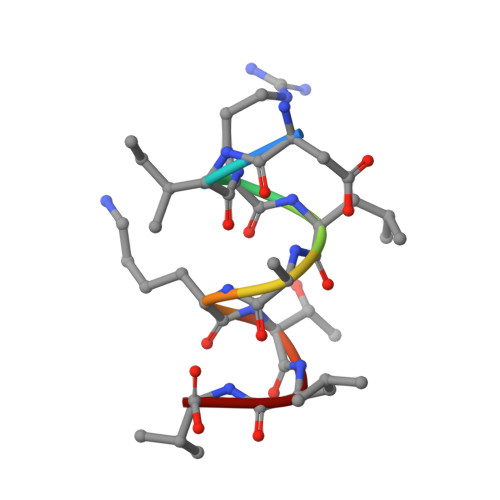 Click to view 3D structure | Cannabinoid receptor 1 | P21554 | Humans | Predicted (SEA) | - Prediction Confidence Score
- 0.447
- Applicability Domain
- 0.5
- Statistical Significance
- 0.002
- Supporting Reference Compounds
- 200
- E-value
- 15.5698
|
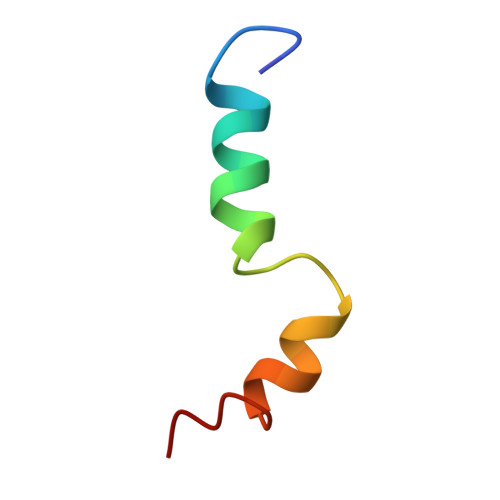 Click to view 3D structure | Cannabinoid receptor 2 | P34972 | Humans | Predicted (SEA) | - Prediction Confidence Score
- 0.442
- Applicability Domain
- 0.5
- Statistical Significance
- 0.0018
- Supporting Reference Compounds
- 175
- E-value
- 13.7015
|
 Click to view 3D structure | Autotaxin | Q13822 | Humans | Predicted (SEA) | - Prediction Confidence Score
- 0.437
- Applicability Domain
- 0.535
- Statistical Significance
- 5.90e-04
- Supporting Reference Compounds
- 40
- E-value
- 4.5931
|
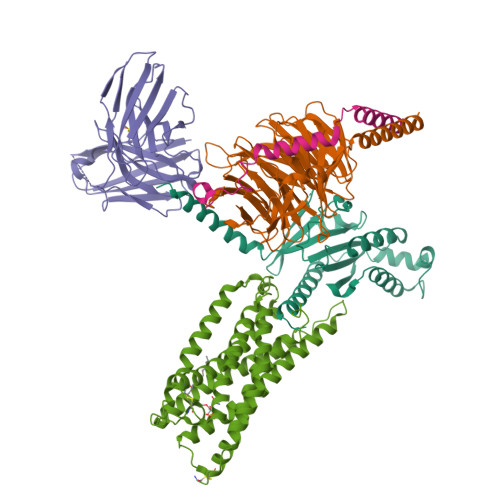 Click to view 3D structure | Putative P2Y purinoceptor 10 | O00398 | Humans | Predicted (SEA) | - Prediction Confidence Score
- 0.427
- Applicability Domain
- 0.451
- Statistical Significance
- 2.20e-04
- Supporting Reference Compounds
- 10
- E-value
- 1.71268
|
| Click to view 3D structure | Lysophosphatidic acid receptor 4 | Q99677 | Humans | Predicted (SEA) | - Prediction Confidence Score
- 0.419
- Applicability Domain
- 0.535
- Statistical Significance
- 1.10e-04
- Supporting Reference Compounds
- 9
- E-value
- 0.856341
|
| Click to view 3D structure | Cannabinoid receptor 2 | P47936 | Mus musculus | Predicted (SEA) | - Prediction Confidence Score
- 0.416
- Applicability Domain
- 0.5
- Statistical Significance
- 0.001
- Supporting Reference Compounds
- 39
- E-value
- 7.86277
|
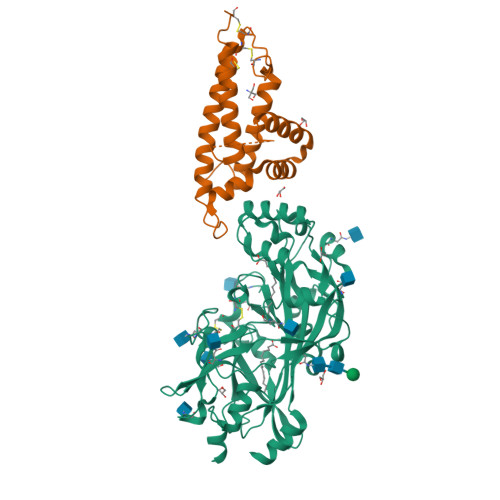 Click to view 3D structure | Platelet glycoprotein 4 | P16671 | Humans | Predicted (SEA) | - Prediction Confidence Score
- 0.412
- Applicability Domain
- 0.412
- Statistical Significance
- 1.00e-05
- Supporting Reference Compounds
- 1
- E-value
- 0.0778492
|
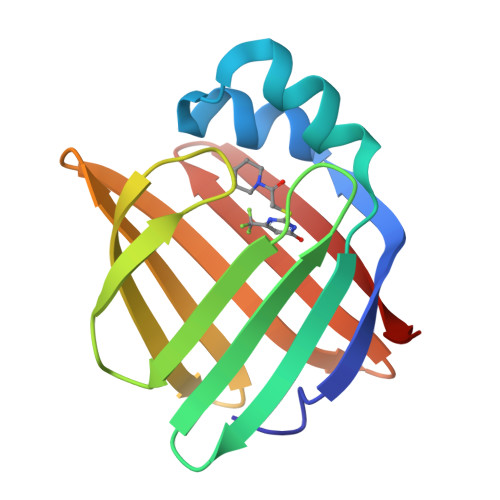 Click to view 3D structure | Fatty acid-binding protein, adipocyte | P15090 | Humans | Predicted (SEA) | - Prediction Confidence Score
- 0.411
- Applicability Domain
- 0.563
- Statistical Significance
- 2.30e-04
- Supporting Reference Compounds
- 19
- E-value
- 1.79053
|
| Click to view 3D structure | Cannabinoid receptor 2 | Q9QZN9 | Rattus norvegicus | Predicted (SEA) | - Prediction Confidence Score
- 0.403
- Applicability Domain
- 0.5
- Statistical Significance
- 3.40e-04
- Supporting Reference Compounds
- 20
- E-value
- 2.64687
|
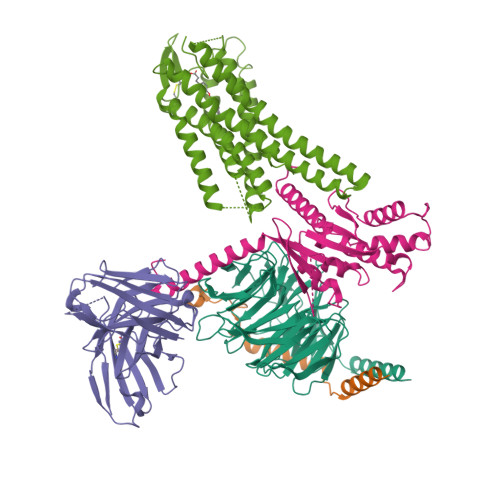 Click to view 3D structure | Free fatty acid receptor 4 | Q5NUL3 | Humans | Predicted (SEA) | - Prediction Confidence Score
- 0.385
- Applicability Domain
- 0.514
- Statistical Significance
- 9.50e-04
- Supporting Reference Compounds
- 63
- E-value
- 7.39568
|
| Click to view 3D structure | Esterase | A3QR02 | Chilo suppressalis | Predicted (SEA) | - Prediction Confidence Score
- 0.385
- Applicability Domain
- 0.385
- Statistical Significance
- 9.00e-05
- Supporting Reference Compounds
- 1
- E-value
- 0.700643
|
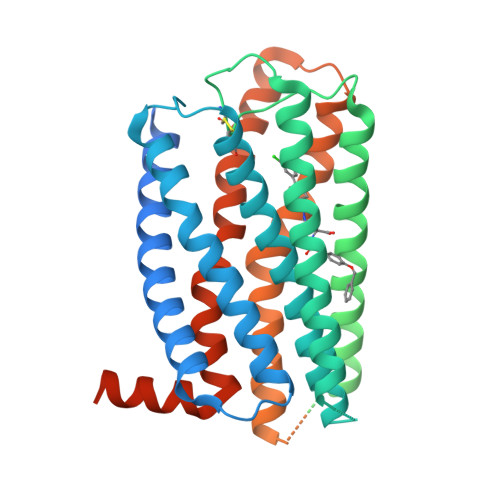 Click to view 3D structure | Probable G-protein coupled receptor 34 | Q9UPC5 | Humans | Predicted (SEA) | - Prediction Confidence Score
- 0.381
- Applicability Domain
- 0.451
- Statistical Significance
- 2.20e-04
- Supporting Reference Compounds
- 11
- E-value
- 1.71268
|

