 Click to view 3D structure | Induced myeloid leukemia cell differentiation protein Mcl-1 | Q07820 | Humans | Predicted (SEA) | - Prediction Confidence Score
- 0.431
- Applicability Domain
- 0.5
- Statistical Significance
- 0.0021
- Supporting Reference Compounds
- 343
- E-value
- 16.6597
|
 Click to view 3D structure | P2Y purinoceptor 4 | P51582 | Humans | Predicted (SEA) | - Prediction Confidence Score
- 0.412
- Applicability Domain
- 0.462
- Statistical Significance
- 7.00e-04
- Supporting Reference Compounds
- 36
- E-value
- 5.44945
|
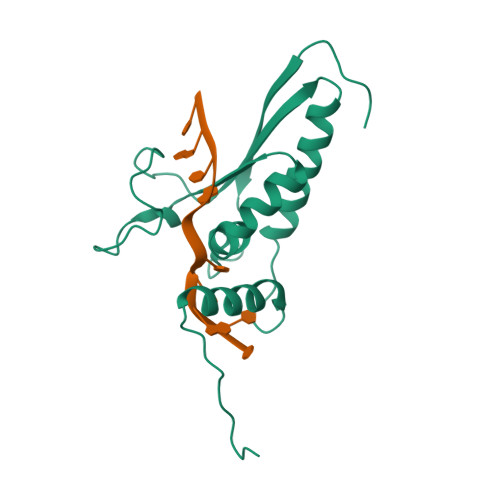 Click to view 3D structure | Female germline-specific tumor suppressor gld-1 | Q17339 | Caenorhabditis elegans | Predicted (SEA) | - Prediction Confidence Score
- 0.412
- Applicability Domain
- 0.514
- Statistical Significance
- 3.00e-05
- Supporting Reference Compounds
- 17
- E-value
- 0.233548
|
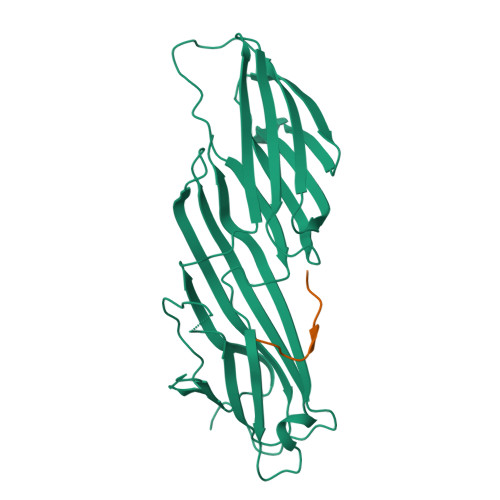 Click to view 3D structure | P2X purinoceptor 4 | P51577 | Rattus norvegicus | Predicted (SEA) | - Prediction Confidence Score
- 0.386
- Applicability Domain
- 0.462
- Statistical Significance
- 6.90e-04
- Supporting Reference Compounds
- 31
- E-value
- 5.3716
|
| Click to view 3D structure | P2X purinoceptor 2 | P49653 | Rattus norvegicus | Predicted (SEA) | - Prediction Confidence Score
- 0.386
- Applicability Domain
- 0.462
- Statistical Significance
- 8.50e-04
- Supporting Reference Compounds
- 38
- E-value
- 6.61718
|
| Click to view 3D structure | P2Y purinoceptor 2 | P41231 | Humans | Predicted (SEA) | - Prediction Confidence Score
- 0.385
- Applicability Domain
- 0.462
- Statistical Significance
- 0.0025
- Supporting Reference Compounds
- 44
- E-value
- 19.6959
|
 Click to view 3D structure | Amine oxidase [flavin-containing] A | P21397 | Humans | Predicted (SEA) | - Prediction Confidence Score
- 0.374
- Applicability Domain
- 0.514
- Statistical Significance
- 0.0047
- Supporting Reference Compounds
- 241
- E-value
- 36.667
|
 Click to view 3D structure | Cytochrome P450 1B1 | Q16678 | Humans | Predicted (SEA) | - Prediction Confidence Score
- 0.366
- Applicability Domain
- 0.514
- Statistical Significance
- 0.0028
- Supporting Reference Compounds
- 88
- E-value
- 22.1092
|
 Click to view 3D structure | P2Y purinoceptor 12 | Q9H244 | Humans | Predicted (SEA) | - Prediction Confidence Score
- 0.359
- Applicability Domain
- 0.386
- Statistical Significance
- 1.00e-03
- Supporting Reference Compounds
- 49
- E-value
- 7.78492
|
| Click to view 3D structure | P2Y purinoceptor 6 | Q15077 | Humans | Predicted (SEA) | - Prediction Confidence Score
- 0.35
- Applicability Domain
- 0.386
- Statistical Significance
- 0.0012
- Supporting Reference Compounds
- 38
- E-value
- 9.26406
|
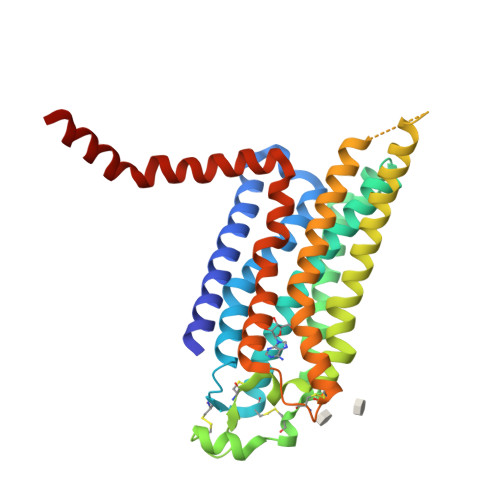 Click to view 3D structure | Adenosine receptor A2a | P29274 | Humans | Predicted (SEA) | - Prediction Confidence Score
- 0.35
- Applicability Domain
- 0.538
- Statistical Significance
- 0.0119
- Supporting Reference Compounds
- 303
- E-value
- 92.7963
|
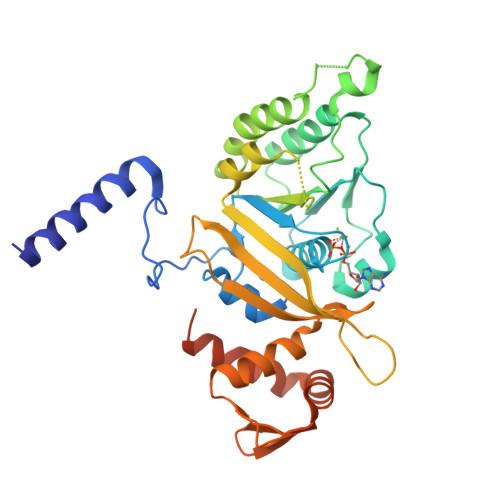 Click to view 3D structure | Protein RecA | P9WHJ3 | Mycobacterium tuberculosis | Predicted (SEA) | - Prediction Confidence Score
- 0.349
- Applicability Domain
- 0.375
- Statistical Significance
- 0.0019
- Supporting Reference Compounds
- 296
- E-value
- 15.1027
|
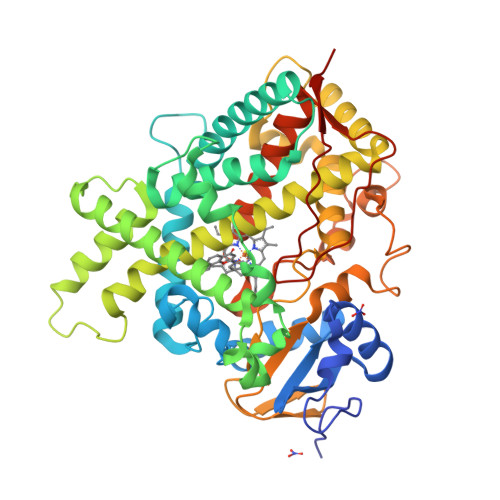 Click to view 3D structure | Cytochrome P450 1A1 | P04798 | Humans | Predicted (SEA) | - Prediction Confidence Score
- 0.344
- Applicability Domain
- 0.514
- Statistical Significance
- 0.0032
- Supporting Reference Compounds
- 77
- E-value
- 24.6004
|
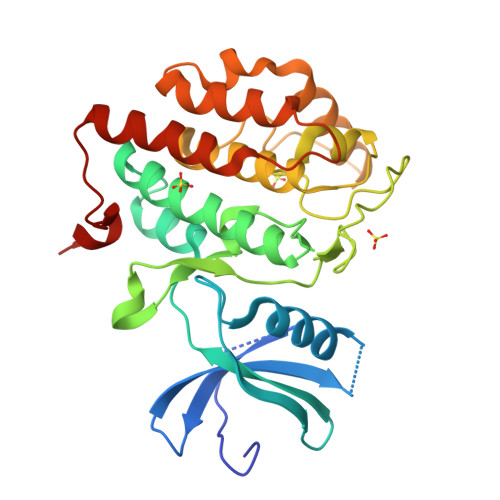 Click to view 3D structure | Casein kinase I isoform delta | P48730 | Humans | Predicted (SEA) | - Prediction Confidence Score
- 0.343
- Applicability Domain
- 0.5
- Statistical Significance
- 0.0291
- Supporting Reference Compounds
- 637
- E-value
- 226.775
|
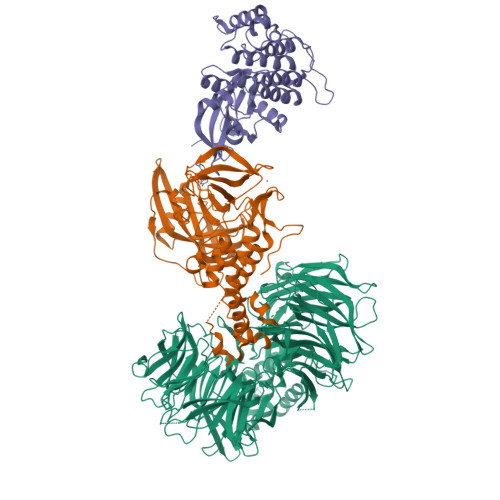 Click to view 3D structure | Casein kinase I isoform alpha | P48729 | Humans | Predicted (SEA) | - Prediction Confidence Score
- 0.34
- Applicability Domain
- 0.5
- Statistical Significance
- 0.0338
- Supporting Reference Compounds
- 674
- E-value
- 262.819
|
| Click to view 3D structure | Streptokinase A | P10520 | Streptococcus pyogenes serotype M1 | Predicted (SEA) | - Prediction Confidence Score
- 0.333
- Applicability Domain
- 0.375
- Statistical Significance
- 0.0078
- Supporting Reference Compounds
- 425
- E-value
- 61.1116
|
| Click to view 3D structure | 5'-nucleotidase | P21588 | Rattus norvegicus | Predicted (SEA) | - Prediction Confidence Score
- 0.332
- Applicability Domain
- 0.37
- Statistical Significance
- 0.0017
- Supporting Reference Compounds
- 21
- E-value
- 13.4679
|
 Click to view 3D structure | Acetylcholinesterase | P22303 | Humans | Predicted (SEA) | - Prediction Confidence Score
- 0.33
- Applicability Domain
- 0.514
- Statistical Significance
- 0.0218
- Supporting Reference Compounds
- 406
- E-value
- 169.867
|
 Click to view 3D structure | Apoptotic protease-activating factor 1 | O14727 | Humans | Predicted (SEA) | - Prediction Confidence Score
- 0.328
- Applicability Domain
- 0.35
- Statistical Significance
- 7.20e-04
- Supporting Reference Compounds
- 112
- E-value
- 5.60514
|
 Click to view 3D structure | Tyrosine-protein kinase Lck | P06239 | Humans | Predicted (SEA) | - Prediction Confidence Score
- 0.325
- Applicability Domain
- 0.457
- Statistical Significance
- 0.0802
- Supporting Reference Compounds
- 1130
- E-value
- 624.195
|
 Click to view 3D structure | Dual specificity tyrosine-phosphorylation-regulated kinase 1A | Q13627 | Humans | Predicted (SEA) | - Prediction Confidence Score
- 0.318
- Applicability Domain
- 0.417
- Statistical Significance
- 0.0673
- Supporting Reference Compounds
- 906
- E-value
- 523.925
|
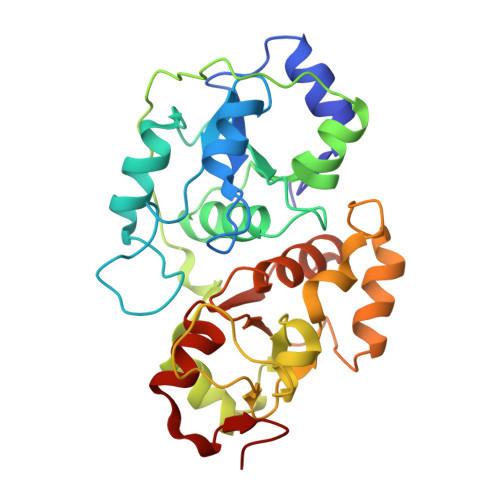 Click to view 3D structure | Thiosulfate sulfurtransferase | Q16762 | Humans | Predicted (SEA) | - Prediction Confidence Score
- 0.316
- Applicability Domain
- 0.514
- Statistical Significance
- 5.00e-05
- Supporting Reference Compounds
- 15
- E-value
- 0.389246
|
| Click to view 3D structure | DNA damage-inducible transcript 3 protein | P35639 | Mus musculus | Predicted (SEA) | - Prediction Confidence Score
- 0.316
- Applicability Domain
- 0.35
- Statistical Significance
- 0.0037
- Supporting Reference Compounds
- 226
- E-value
- 28.8821
|
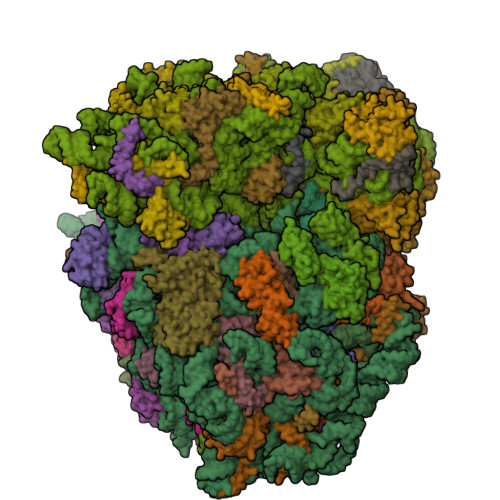 Click to view 3D structure | X-box-binding protein 1 | P17861 | Humans | Predicted (SEA) | - Prediction Confidence Score
- 0.316
- Applicability Domain
- 0.35
- Statistical Significance
- 0.0037
- Supporting Reference Compounds
- 227
- E-value
- 28.8821
|
| Click to view 3D structure | P2Y purinoceptor 6 | Q63371 | Rattus norvegicus | Predicted (SEA) | - Prediction Confidence Score
- 0.315
- Applicability Domain
- 0.37
- Statistical Significance
- 9.80e-04
- Supporting Reference Compounds
- 12
- E-value
- 7.62922
|

